5 Ways to Talk to Your Kids About Violence in Schools



Because every child deserves to feel safe in their second home
A tragic incident at San Jose National High School in Tacloban City has once again raised difficult questions about school safety. Reports of violence inside a place meant for learning have left many parents worried, while students and teachers continue to process the trauma.
For moms, dads, and caregivers, one of the biggest challenges is figuring out how to talk to children about frightening events without causing more fear. While it can be tempting to avoid the conversation altogether, experts say open and age-appropriate discussions can help children feel informed, supported, and safe.
According to child welfare organization Save the Children, parents play a crucial role in helping children navigate their emotions during times like these. Here are five ways to start the conversation.
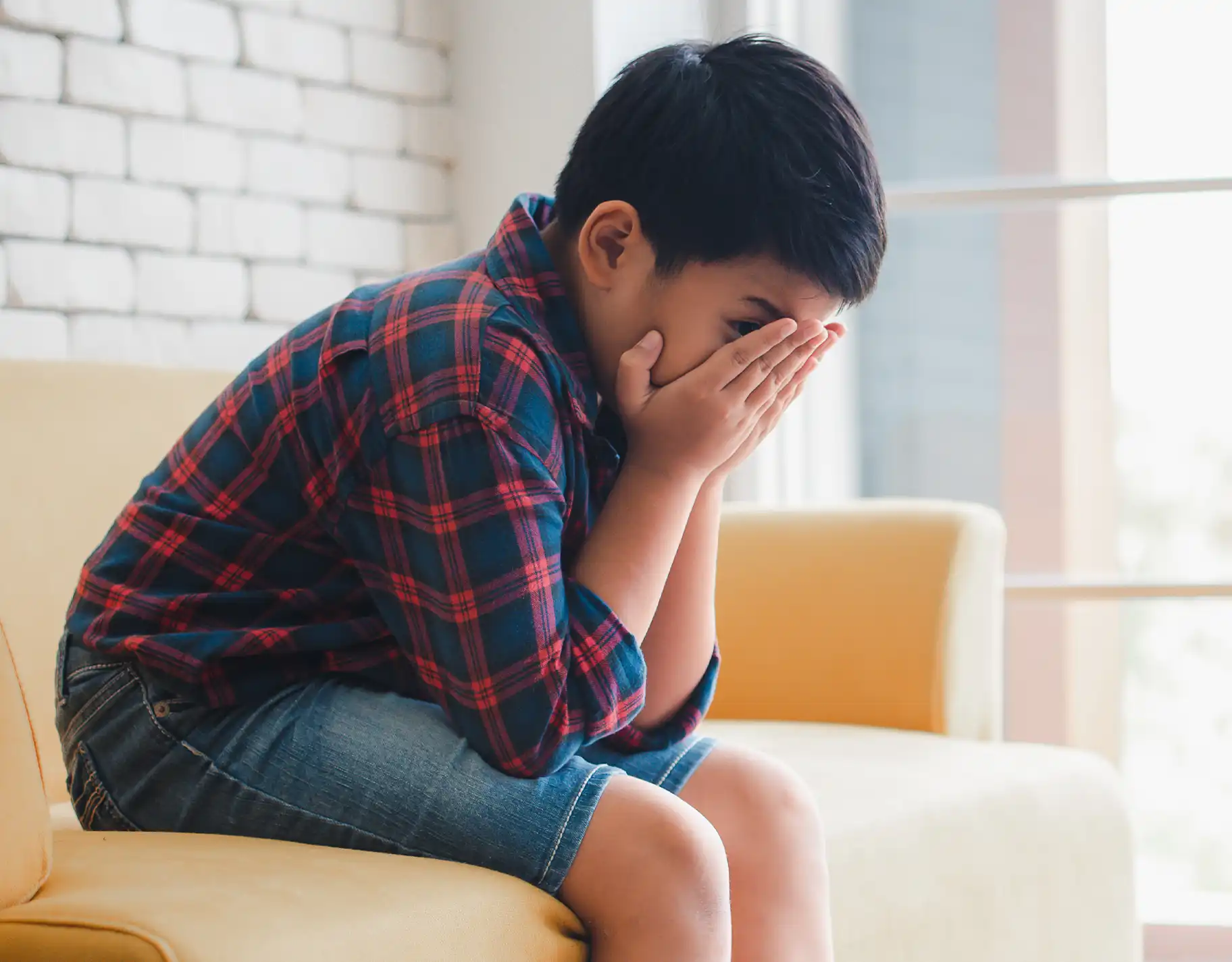
1. Start the conversation, even when it’s difficult
School violence is a sensitive topic, but avoiding it may leave children confused or vulnerable to misinformation.
Ask your child what they have heard and gently explain the situation using language appropriate for their age. Focus on facts rather than graphic details, and reassure them that adults are working to keep schools safe.
Creating a safe space for questions allows children to process what they are hearing and feeling.
2. Reassure them that safety comes first
One of the most important messages parents can give is that their child’s safety is a priority.
Encourage your child to share their concerns and answer their questions honestly. If they have heard rumors or misinformation online, help them separate fact from fiction. Remind them to trust guidance from teachers, school officials, and emergency responders during any crisis.
When children know there are safety procedures in place, they often feel more secure.
3. Let them know it’s okay to feel scared
Fear is a natural response to dangerous or upsetting situations.
Children may feel anxious, worried, or even overwhelmed after hearing about school violence. Let them know these emotions are normal and that many people—including adults—experience similar feelings during uncertain times.
Rather than dismissing their fears, acknowledge them. Listening without judgment can help children feel understood and supported.
4. Encourage them to look to trusted adults
In emergencies, children need to know who they can rely on.
Remind them that teachers, principals, school staff, and first responders are trained to guide students during crisis situations. Reinforce the importance of following instructions and participating seriously in school safety drills.
Emergency preparedness is not about creating fear—it is about building confidence and helping children know what to do if the unexpected happens.
5. Watch for signs of trauma
Even if a child was not directly involved in a violent incident, exposure to disturbing news can affect their emotional well-being.
Pay attention to changes in behavior, such as increased anxiety, withdrawal from friends and family, irritability, difficulty sleeping, or a sudden loss of interest in activities they usually enjoy.
If these signs persist, consider seeking support from a counselor, psychologist, or other mental healthMental HealthA person's emotional, psychological, and social well-being, which affects how children and parents think, feel, and cope. Open conversations, regular routines, and timely help from professionals make it easier for professional. Early intervention can help children process their emotions in healthy ways.

Creating safer spaces for children
While parents can help children navigate difficult conversations, ensuring safety should not rest on families alone. Schools, communities, and government leaders all share the responsibility of creating environments where children can learn, grow, and thrive without fear.
As parents, we may not always have all the answers. But by listening, reassuring, and staying present, we can help our children feel safer and more prepared to face an uncertain world.
Frequently Asked Questions
Open conversations help children understand what is happening, correct misinformation, and reassure them that adults are working to keep them safe.
Use age-appropriate language, focus on facts rather than graphic details, and emphasize safety measures and support systems in place.
Listen to their concerns, validate their feelings, maintain routines, and seek professional help if anxiety or behavioral changes persist.
Common signs include withdrawal, irritability, sleep problems, increased fearfulness, difficulty concentrating, and changes in appetite or mood.
Schools can conduct regular safety drills, provide access to counseling services, communicate clearly with families, and maintain strong security and emergency response protocols.
More on safety reminders
Matthew McConaughey Calls for Action Following Uvalde Shooting
Kids Should Not Have To Worry About Being Shot in School
A Father and His Regrets About The Texas School Shooting: “He Would Always Say I Didn’t Love Him”