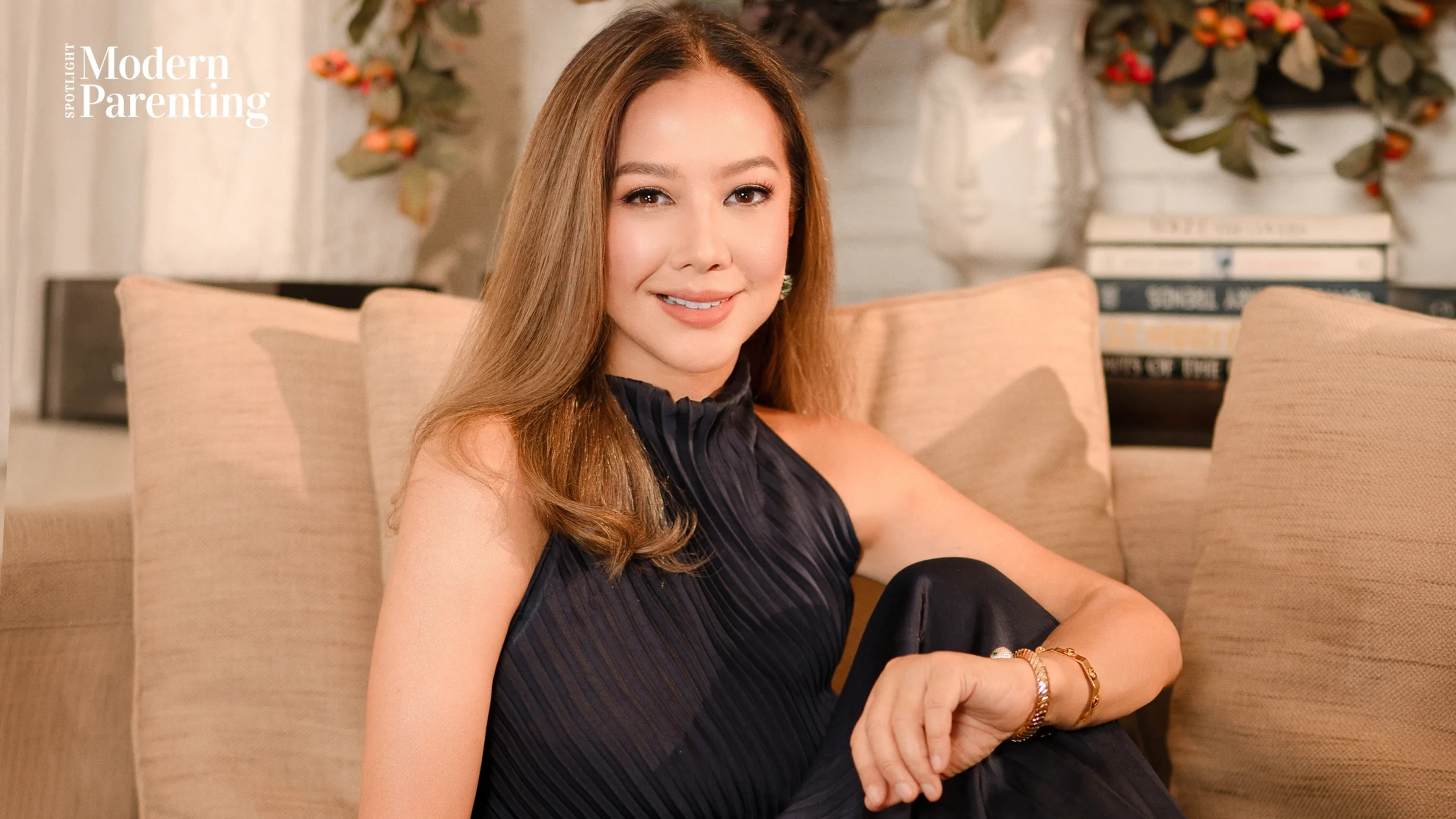
Korina Sanchez-Roxas: Right On Time



How Korina Sanchez-Roxas built a full life on her own terms and left room for what was always meant to be — motherhood
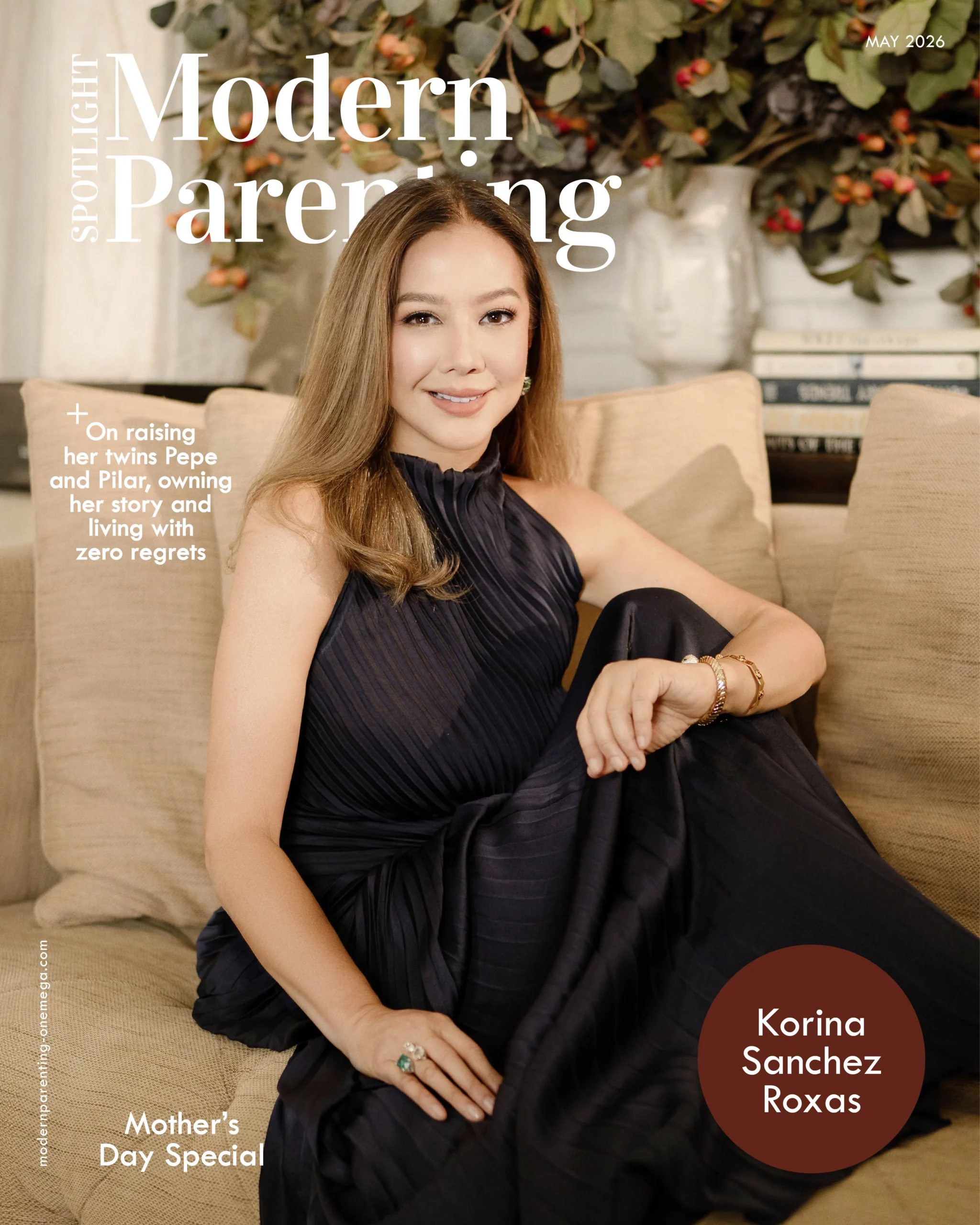
There is a familiar idea that everything worth having is worth waiting for—whether in career, love, partnership, or motherhood. For many women, that belief carries an unspoken pressure to follow a timeline: when life should happen, how it should unfold, and what it is supposed to look like at each stage.
But for Korina Sanchez-Roxas, life has never been about timing that fits a mold. The award-winning journalist has built her life on intention—charting her own path while remaining anchored by an unwavering commitment to live without regret. Motherhood was not something she chased on a clock or resisted against; it was something she always held in her heart, while allowing space for it to arrive on its own terms.
In truth, there is no single straight line to motherhood—only life as it happens. Careers built and rebuilt, identities formed and reformed, love negotiated, health confronted, and decisions made with whatever clarity and capacity you have at the time.
For Korina, that life was already full long before she became a mother. She had built a formidable career in journalism during some of the most defining (and exciting) years of Philippine media. She had lived independently, made financial decisions entirely on her own terms, and defined success outside the traditional expectations of marriage or family. She had given herself the freedom most women don’t allow themselves: the freedom to explore, take risks, chase dreams, and maximize time.
And yet, beneath all of it, there was always a quiet certainty about what she loved… and what was meant for her.
Motherhood as a calling
“Even as a 7-year-old child, I was really in love with babies,” Korina smiles. “Every time my mom would give birth, I would go straight to the nursery and look at all the babies through the window.”
“In my high school yearbook, I was the one most likely to have the most children!” she chuckles, adding that she had always imagined herself eventually having a big family of her own.
That instinct, an innate pull toward children, never really left her. Growing up, she found herself constantly drawn to them: their presence, their energy, and their curiosity about the world. To this day, when a child comes up to her, she says she still “loses it.”
That contradiction—full independenceIndependenceA child's growing ability to do things alone, from dressing and eating to making choices and solving problems. Parents encourage it by assigning age-appropriate tasks, allowing safe mistakes, and praising on one hand, deep maternal instinct on the other—would eventually shape the most significant chapter of her life. Becoming a mother was everything Korina thought it would be, and today, it is the part of her identity that lights her up the most.
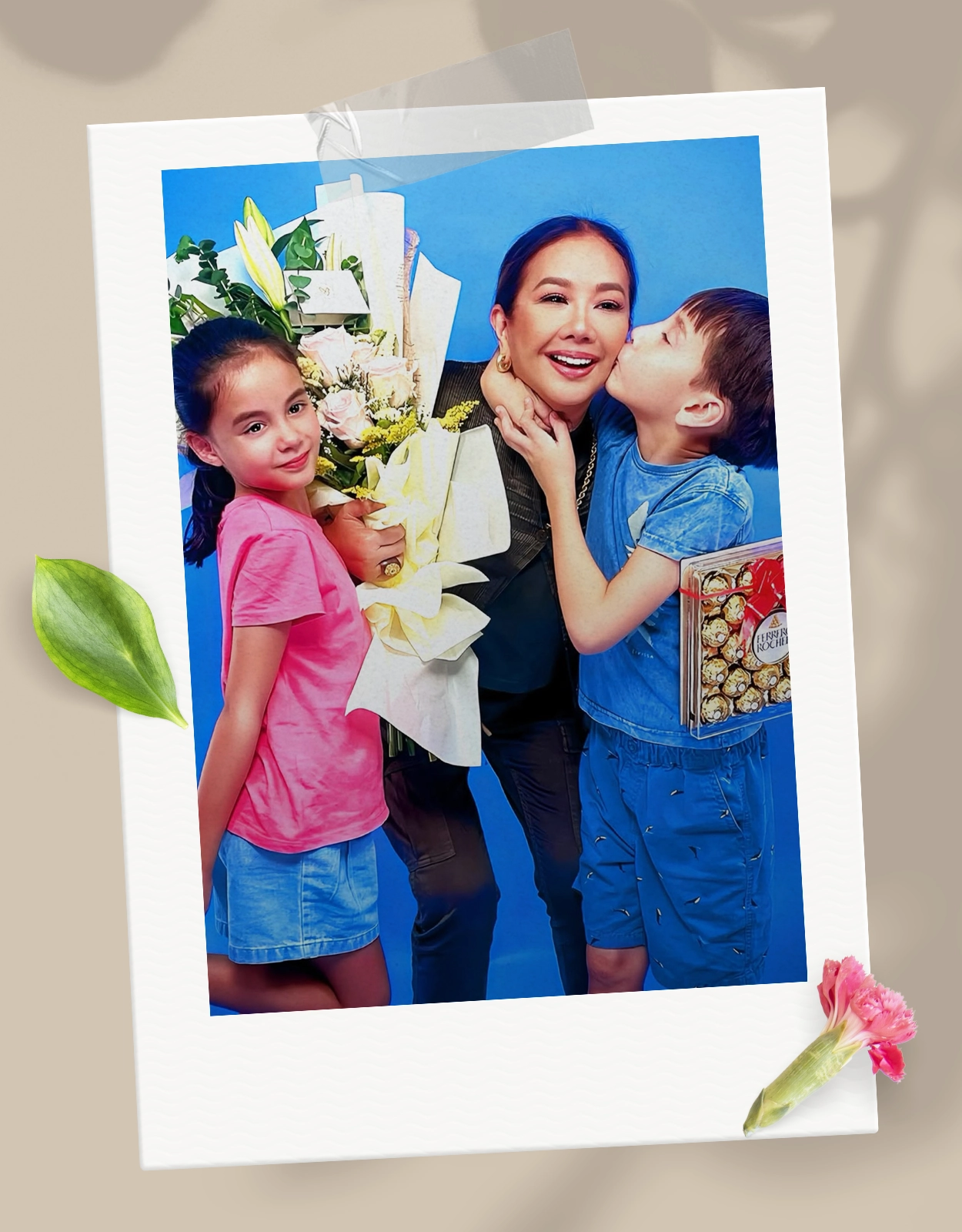
Looking back now, however, Korina does not frame motherhood as something that arrived either too early or too late. As she always has, she resists the idea of timing as a verdict on life choices.
“I’m not one for regrets. Looking back now, I probably would have done [motherhood] much earlier. But then, circumstances in my life at every point [led me here.] Even at a very early age, it was clear to me na I had my entire life ahead of me. Even at 18, I knew I would probably be marrying late because I had to explore all possibilities as a single woman first.”
“Mama!” Her twins arrive on location during the shoot, immediately running toward Korina for hugs. “They really jump on me,” she says, laughing. Every day, when they get home from school, she jokes that she instinctively runs the other way first. “I’m like, ‘Oh my God, that’s fatal for me. Don’t! I might break a bone.’”
The playfulness comes quickly and naturally with Korina, shaped in part by the sheer amount of time she spends with her children. But beneath that is a woman who has spent years thinking deeply about life, choice, and purpose. Her approach to motherhood carries the same intensity and intentionality that shaped the rest of her journey: fully informed, deeply reflective, endlessly curious, and always several steps ahead.
The advantage of ‘living’ first
For someone whose career has unfolded so publicly for decades, Korina is intentional about making sure her children understand the value of hard work and what exists beyond visibility and recognition. Long before she became “Mama” to Pepe and Pilar, she had already built an outstanding career in journalism—one shaped by grit, disciplineDisciplineTeaching a child self-control and acceptable behavior through guidance rather than fear. Effective discipline is consistent and calm, explains the reason for a rule, and uses consequences that fit the, instinct, and years of showing up prepared.
And now, she wants her twins to see that side of her, too—not to boast, but to lead by example.
She recalls taking Pilar to school one day when her daughter suddenly asked a question that caught her off guard.
“‘Mama, did people ask you for your autograph before you met Pappi?’” Korina laughs. “What she wanted to ask really is, ‘Were you you before you met Pappi? Or did you become you because of Pappi?’”
“Excuse me, girl,” she remembers telling Pilar. “People were asking for my pictures and my autograph long before I met your Pappi!”
But beyond public recognition, what matters more to Korina is making sure her children understand the work behind it all. Korina consciously exposes them to the reality behind her career.
“I made sure that Pilar and Pepe would see the back room of the news studio,” she says. “They see me writing, typing on the computer. I point, ‘That’s my boss. I have to be here on time. I have to know what I’m going to read.’”
She lets them stand behind cameras, sit in studios, and witness the preparation behind broadcast news. The lesson is important: success is never accidental.
Often, when she’s putting on makeup and getting ready for work, the twins ask, “‘Mama, are you leaving again? Why are you putting on makeup? You have to work, no?’”
“And I say, ‘What did I tell you about work? No work, no money. And no money, no Star Wars.’”
Motherhood may have arrived later in life, but that timing also shaped the kind of parent she became. Where her twenties and thirties were defined by ambition, movement, and achievement, motherhood now is far more rooted in presence and intention. “Mar and I try to be ahead of the narrative and try to predict or be one step ahead before anything happens.”
That instinct to research, prepare, and stay informed—qualities sharpened over years as a journalist—extends deeply into how she raises her children. Whether it is understanding childhood stress, developmental stages, and even addressing Pilar’s skin concerns, Korina approaches parenting with the same curiosity and rigor she continuously brings to the newsroom.
“When you’re a working parent, even if all that information is available, you just don’t have time to study and access it. And now access is also so easy. ChatGPT is my co-parent,” she laughs.
The twins have gotten older, and she has become more deliberate about creating quality timeQuality TimeFocused, distraction-free attention that shows a child they matter. Even twenty minutes of play, reading, or talking without phones, repeated daily, builds trust and does more for the relationship than. Fridays are often reserved for museums, educational activities, or simply experiences that allow them to learn together beyond routineRoutineA predictable daily rhythm for waking, meals, school, play, and sleep. Routines give children a sense of security, reduce power struggles, and make busy mornings smoother, while some flexibility keeps.
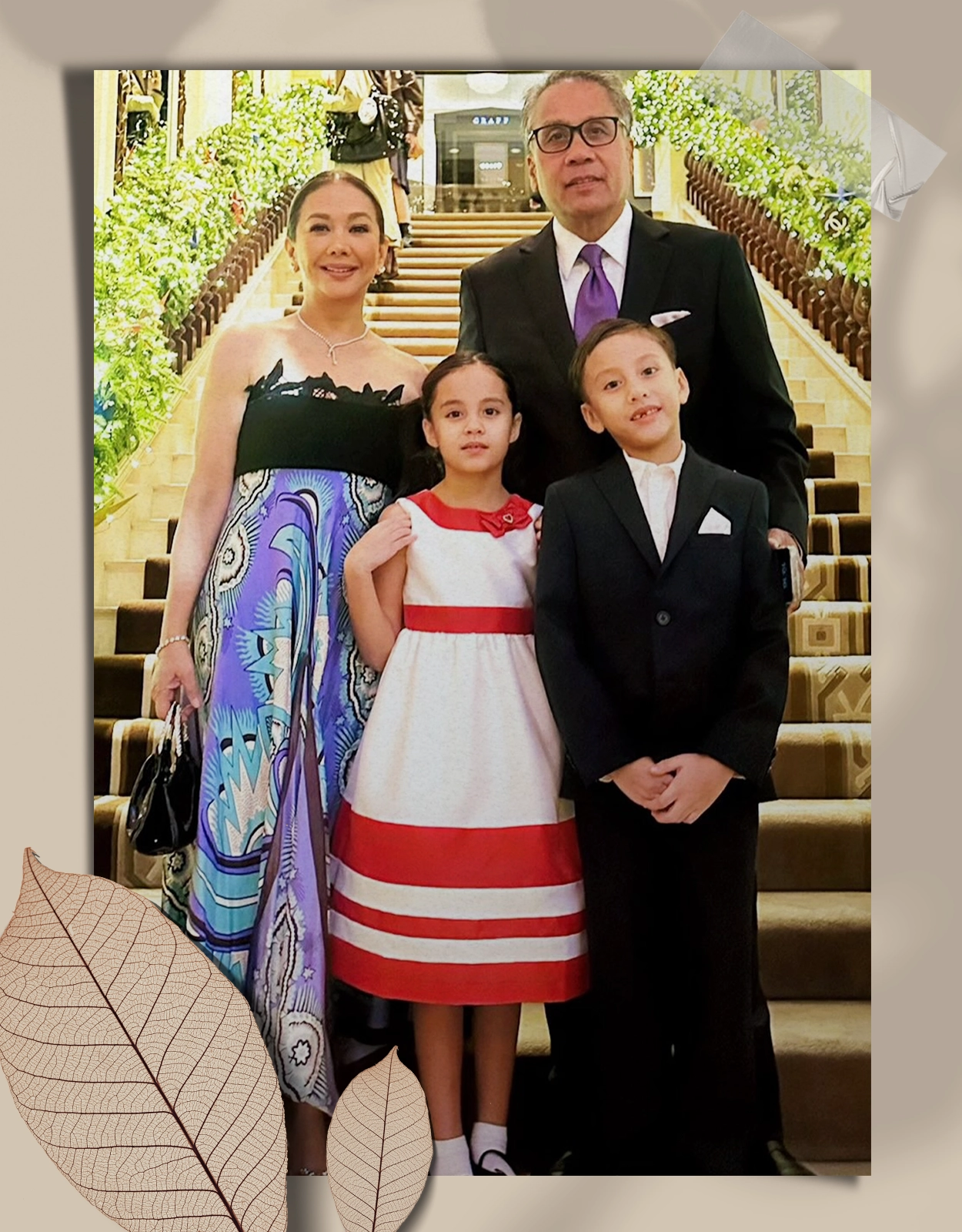
“They know more than I do,” she smiles. “‘Mama, that’s a stalactite. C, stalactite for ceiling, and stalagmite, G, the ground.’”
“I try to be purposeful that way,” she explains. “So that most things that come out have some kind of information or value in it. Aside from just listening to them and being emotionally available.”
There is less urgency now for the things she once spent decades chasing. Korina reflects openly on how fully she lived before motherhood—through career milestonesMilestonesSkills most children reach by certain ages, such as smiling, sitting, walking, speaking, and sharing. They serve as general guides rather than strict deadlines, and parents should talk to a, travel, relationships, and ambition—and how that fullness now allows her to be grounded in this season of life. “I would be craving all those achievements, all those travels,” she says of what motherhood might have looked like had it happened earlier.
Becoming a mother later allowed her to arrive at parenthood with perspective, self-awareness, and a deeper understanding of what truly matters—and her children reap the benefits of that tenfold.
Owning the narrative
For Korina, motherhood was not left to chance. It was shaped over years of timing, medical decisions, research, and the intention that she and Mar would build their family on their own terms—even if it meant stepping outside convention.
Even before marriage, because Mar knew how much Korina wanted children, fertility had already become part of the conversation. “At that time, the mortality of just eggs, freezing them, was very high, unlike today,” she shares.
She remembers being told by specialists abroad that her chances were slim. “Two specialists from New York and from Singapore gave me the thumbs down, only because they didn’t want to risk a statistic of failure, because my FSH level was so high. But when I researched, it said it was going to be difficult, but not impossible.”
That phrase—not impossible—became her motivation. “I looked into what to do to my body so that it will produce eggs? I did acupuncture, acupressure… I was stress-free, my staff was very happy because I was never galit,” she says with a laugh.
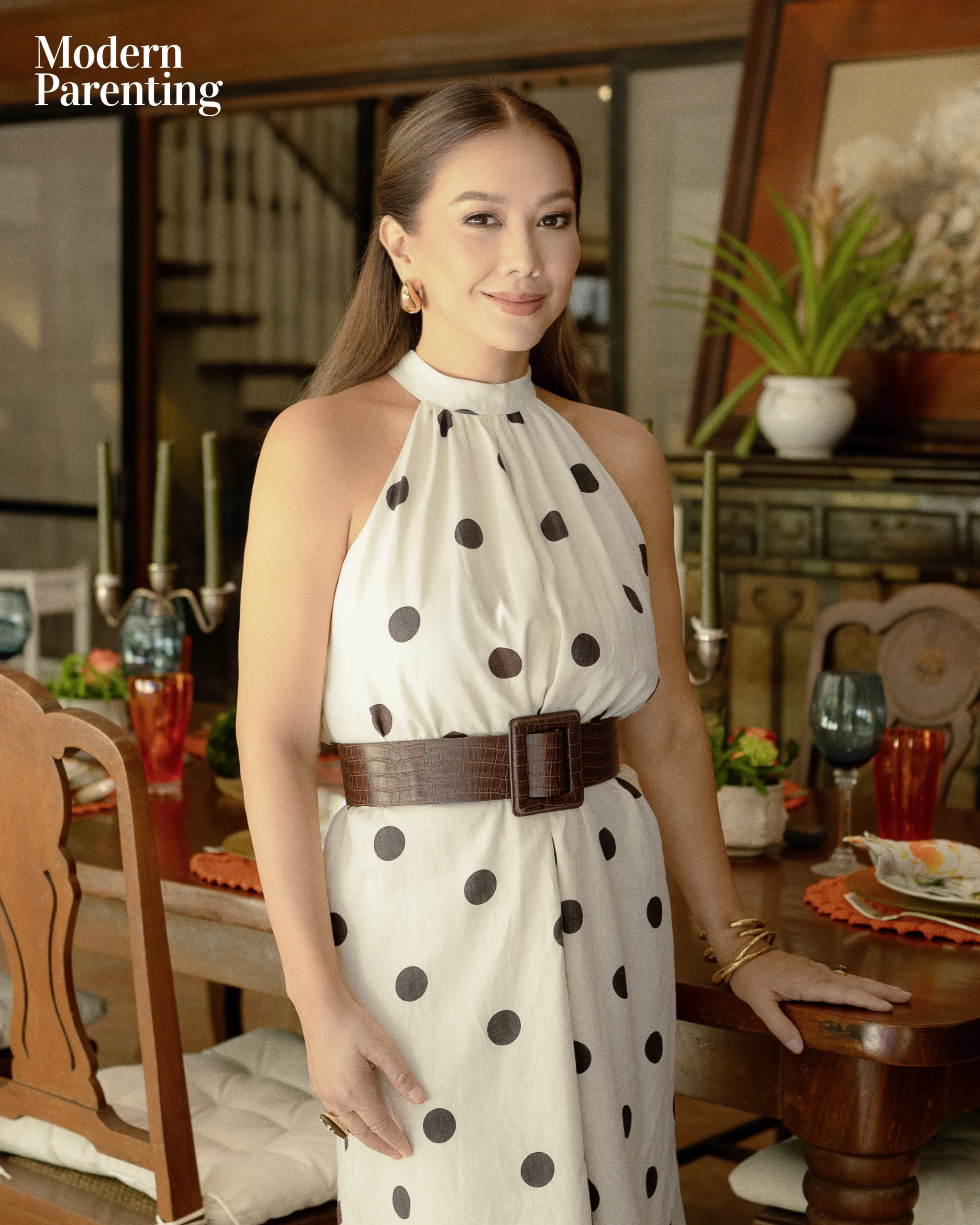
She credits early guidance from people within her circle who were already exploring fertility preservation. “Even then, I was ahead, because I took after Vicki Belo. She and Cristalle were a big help,” Korina shares.
She sees how much has changed. “According to Dr. Robert Kaufmann, there are more 30-year-olds having their eggs frozen. Today, the mortality rate is very low, and there’s a lot bigger success in freezing them, even indefinitely.”
She pauses, then adds with fascination at how far science has come. “And now, you cannot only choose the gender, you can also choose which embryo will never develop cancer and diabetes. It’s amazing!”
But in her own case, she is careful to emphasize how different the conditions were then. Working with Dr. Kaufmann and later Dr. Brod Novero, a fertility specialist at St. Luke’s, she underwent retrieval in her 40s. “I almost didn’t make it. With guidance, it was a successful retrieval and freezing, and those kids were frozen for more than a decade! I was telling Mar, ‘Baka may balbas yung mga anak natin doon!’”
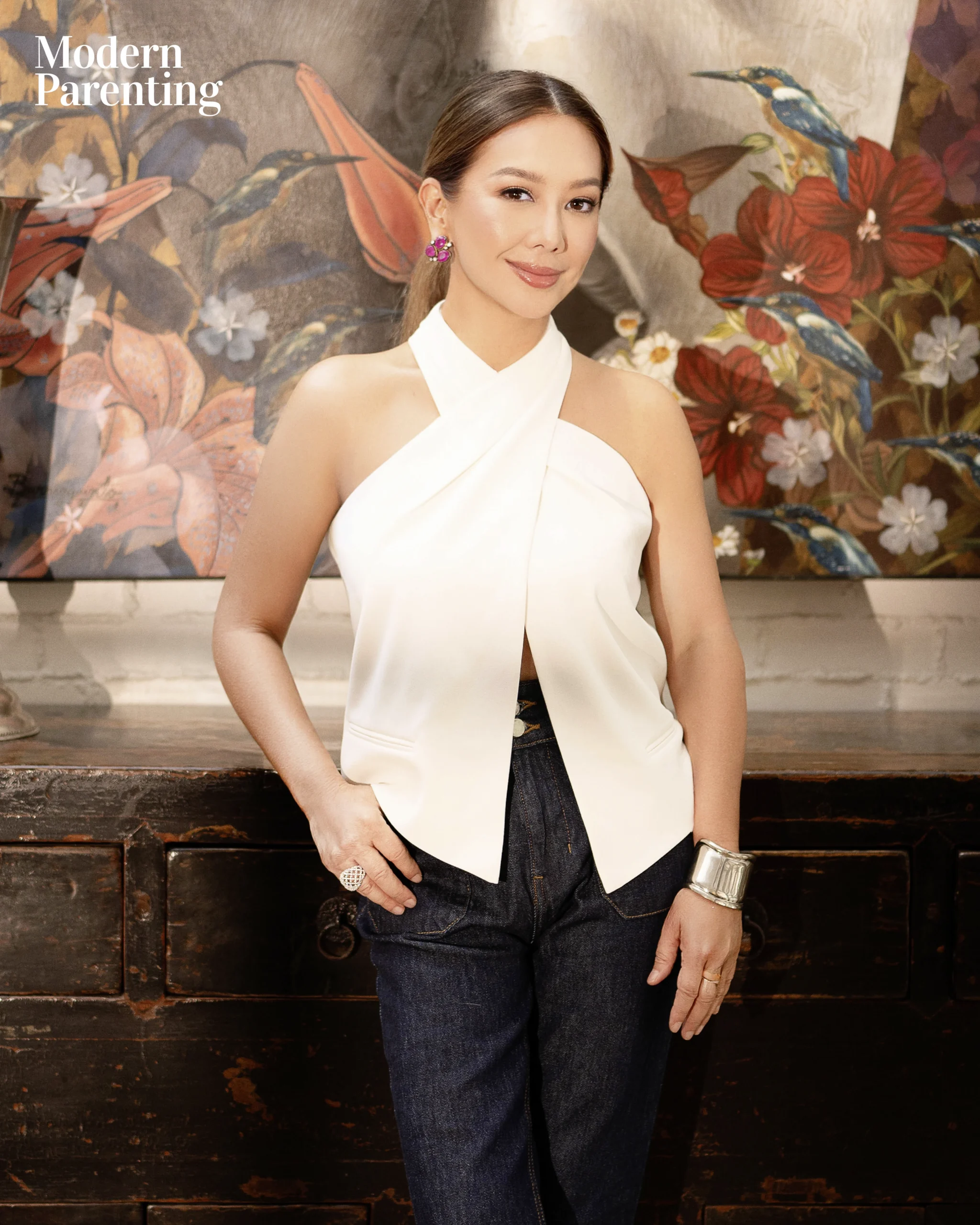
The decision to move forward with surrogacy came later, when physical limitations made carrying a pregnancy impossible. “I couldn’t carry because my back was bad. I was elderly na, also. So, we got a surrogate and we wanted twins.” They transferred one boy and one girl embryo, and “they both took!” she smiles.
The pregnancy itself came with an unexpected turn. Seven months in, their surrogate was in a car accident. “She survived,” Korina says, her tone shifting. “We were there with her in Pittsburgh. We had just parted and then we got a phone call na she was in the hospital.”
Despite the scare, the twins were born at eight months and two weeks, without needing NICU care. “They were so healthy, a girl and a boy,” she beams.
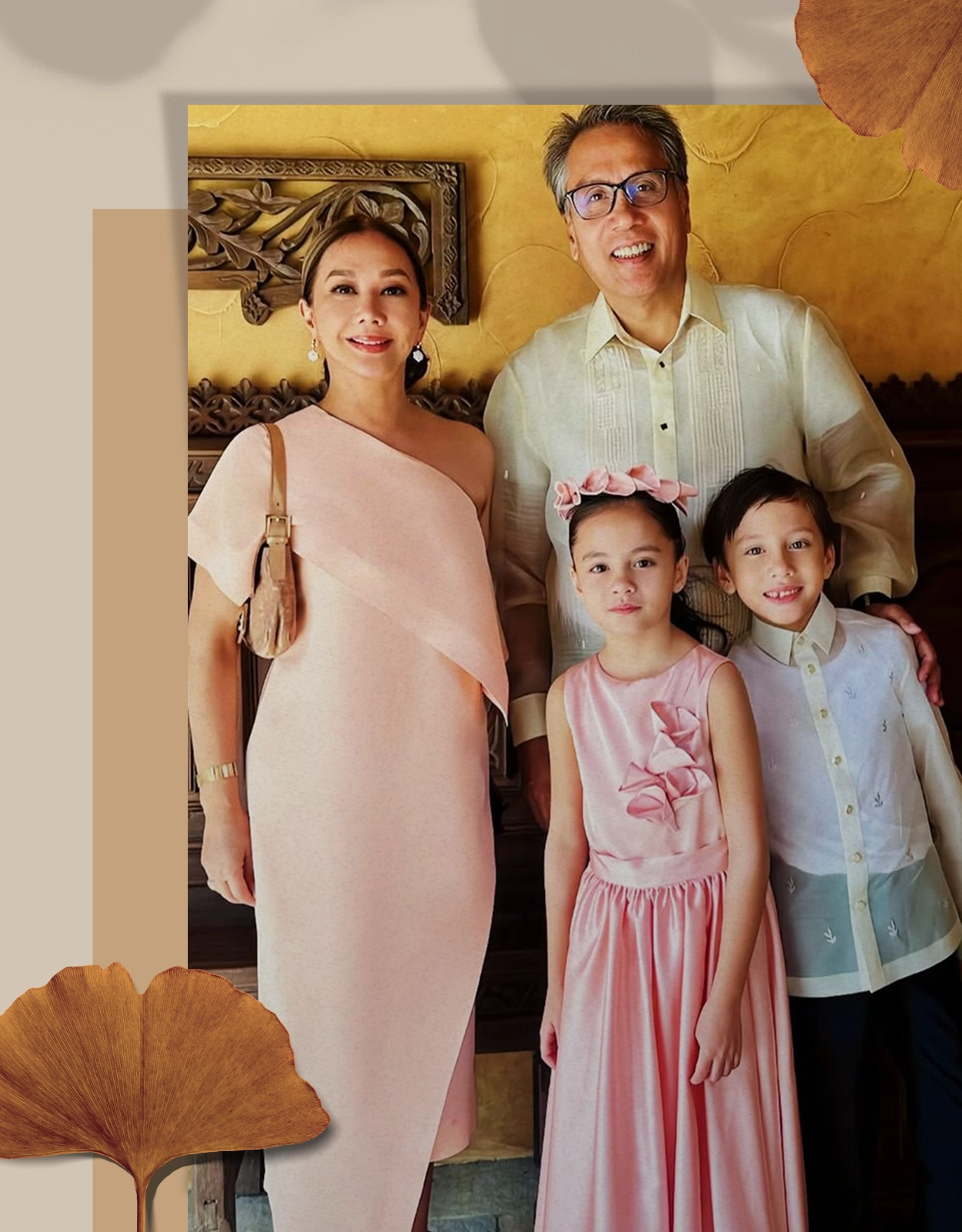
Looking back, Korina describes the entire experience as one that expanded her understanding of motherhood itself, something shaped by knowledge, access, and choice. Her advice to younger women dreaming of motherhood is not pressure, but awareness. “My advice is act now. Why wait?”
“If you’re young, freeze your eggs now. For peace of mind. You don’t even have to have a husband. You can choose a donor from sperm banks. They give you all the data—how you want them to look, how tall, whatever.”
She smiles at how rapidly everything has evolved. “The technology has really advanced to make things possible for us women.” What stays with her most, however, is not just the science itself, but the shift in what women are now allowed to imagine for themselves.
Sharing her story is not about explaining how her children came into the world. Rather, it’s about widening the definition of motherhood—so that more understand that timing, science, faith, and intention can coexist in shaping a family.
Raising Pepe and Pilar
Korina remembers the earlier days of motherhood as something far simpler and more overwhelming in its own way. “It was double the joy,” she says immediately, smiling. Then she laughs. “Ngayon palang naman sila sakit sa ulo. And it’s downhill from here. But when they were babies? Oh my god. Perfect!”
There is no romanticizing the newborn phase for her—only honesty about how quickly it evolves, and how every stage brings its own kind of intensity.
As the twins grew, so did the complexity of raising two children at once. “I would recommend [having children] maybe a year or two apart, because they can’t help but compare,” she admits candidly.
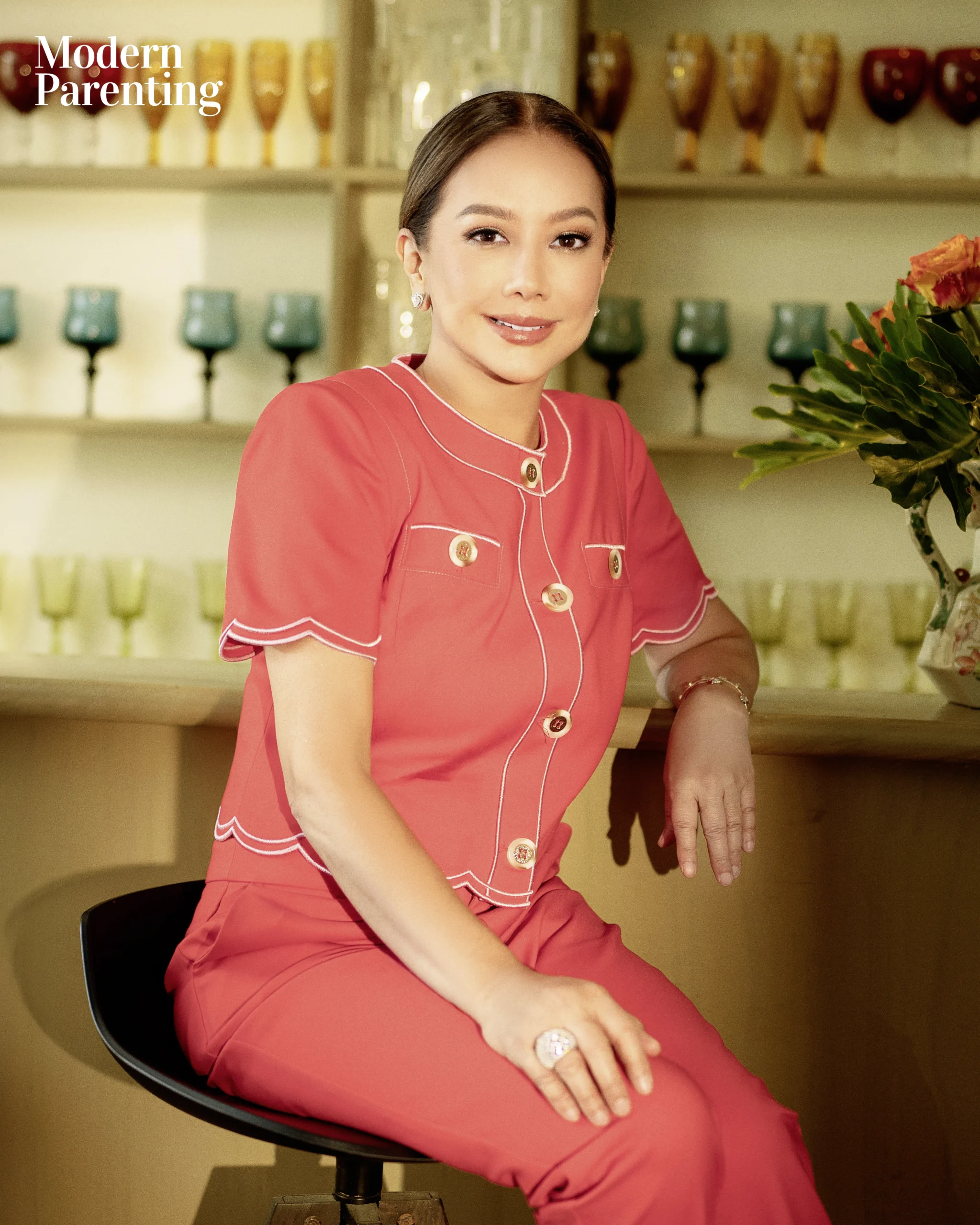
What surprised her most was not just the comparison between them, but how early it began. Parenting becomes observation, recalibration, and emotional math. “Now that they’re seven… we have to actively psychologize,” she says.
Over time, she learned that raising children is less about uniformity and more about recognition of temperament, rhythm, and emotional language. “Raising twins is a challenge. You have to be able to give equal attention, and that’s even when they’re not twins. This is something I learned from Anthony and Maricel Pangilinan: they have a day out with each one. Know which child is the slow starter in the morning, which isn’t a bad thing, you just need to give them their time. Others are faster. [You factor in] the love languages,” she explains. “You have to be able to identify that each child is different.”
She pauses on grounding truth at the center of her parenting philosophy: “Although life is somewhat of a cookie cutter, you have to balance that. You cannot customize everything for your child also, right?” saying that it is a duty to equip your kids to rise up to life’s requirements.
In their home today, that philosophy translates into what she describes as a “joyful kind of chaos.” The children each want to be first—first to speak, first to report, first to be heard. “They each want to tell you what the latest news is. They need your dedicated time,” she says. “And they want to be the first to deliver the news to you.”
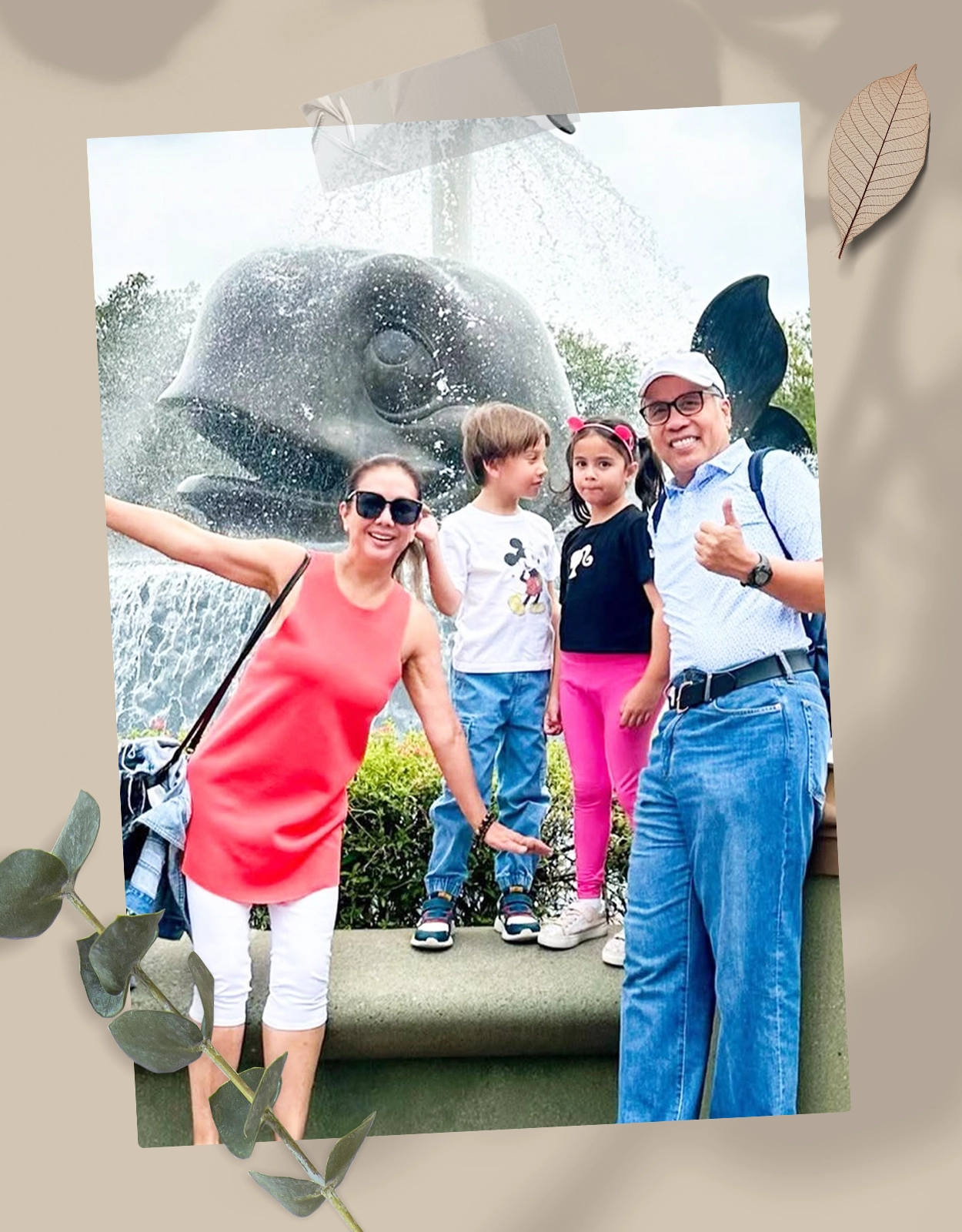
The result is a household that requires structure, amidst the gentle parentingGentle ParentingAn approach built on empathy, respect, understanding, and firm boundaries. Instead of punishment, parents acknowledge feelings, set clear limits, and guide behavior with calm explanations, aiming for cooperation rather than approach. “It also trains you to train them to wait for their turn. Mar developed pikpik bato. All the time. It’s fair, di ba?”
Her twins, she says, are polar in nature. “Pilar is very self-contained, and Pepe is very self-uncontained,” she laughs.
It is in these differences that daily life unfolds, in ordinary negotiations over space, attention, and expression. Amid the chaos of raising them, there are private moments of pure joy, especially when their family of four is simply together.
One of their cherished traditions recently was spent in Baguio, where Mar’s family would visit on a regular basis when they were growing up. “Every visit there is different,” she says. “But the last Holy Week was special because we actually already did things that Mar used to do there as a kid.”
They walked the same paths, played the same games, even raced up the same uphill garden. “So we did a race, all four of us. And guess who won? Mind you, the kids gave us a few seconds’ start.”
She laughs at the memory. “Pepe overtook everybody. I was second. Pilar, and then Mar. That was really special.”
There are also the Roxas traditions: bowling, fish and chips, and moments across generations. “Mar was telling the kids, ‘These are the things I used to do when we were kids. Tito Joe, Tito Oye, Tita Margarita… and this is also something you’ll be doing with your kids.’ So cute,” she recalls.
She laughs. “Actually, he was brainwashing them.”
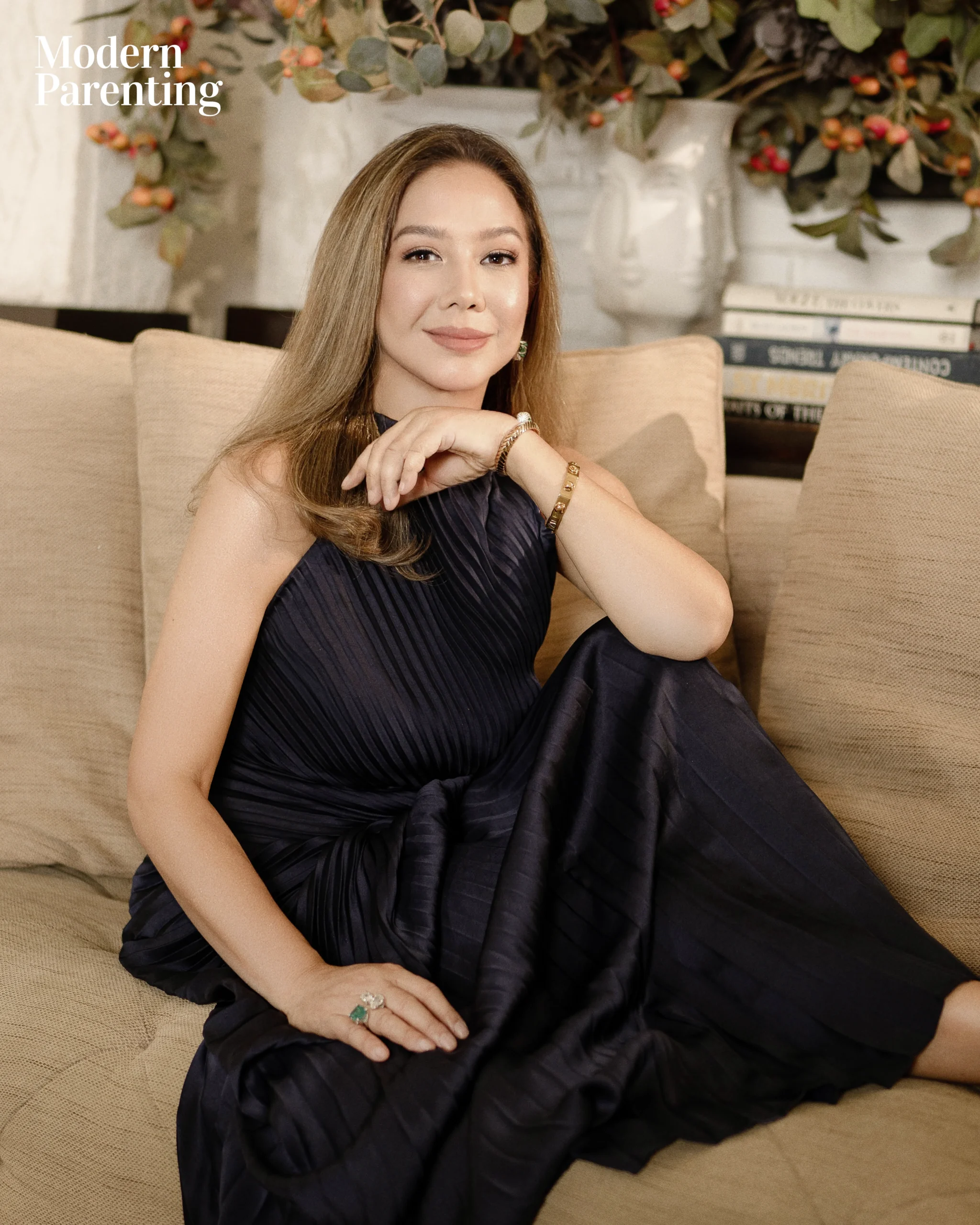
But even within the humor, there is continuity. A family not just living in the present, but building their own memory archive. Then there are the children themselves, already forming identities she is still learning to understand.
When asked what she hopes her children will one day understand about her story, she frames it in agency. “Life shouldn’t seize you. You have to seize life. What you want will not come to you unless you work on it yourself. It all depends on you. And I think it would be a mistake to depend on anything or anyone else, other than themselves.”
On her own terms
There is a clear and unmistakable thread that runs through Korina’s entire journey—from career to motherhood itself. It is the idea of ownership: of choosing, rather than waiting, of intentionally building a life that answers to no one else’s timeline but her own.
When asked what she would tell her younger self, she doesn’t hesitate. “You’re on the right path,” she says simply. She smiles, almost amused with how simple and certain she sounds. And this kind of clarity can only come from living a life that’s fully seen and owned, one that was not always easy but always intentional.
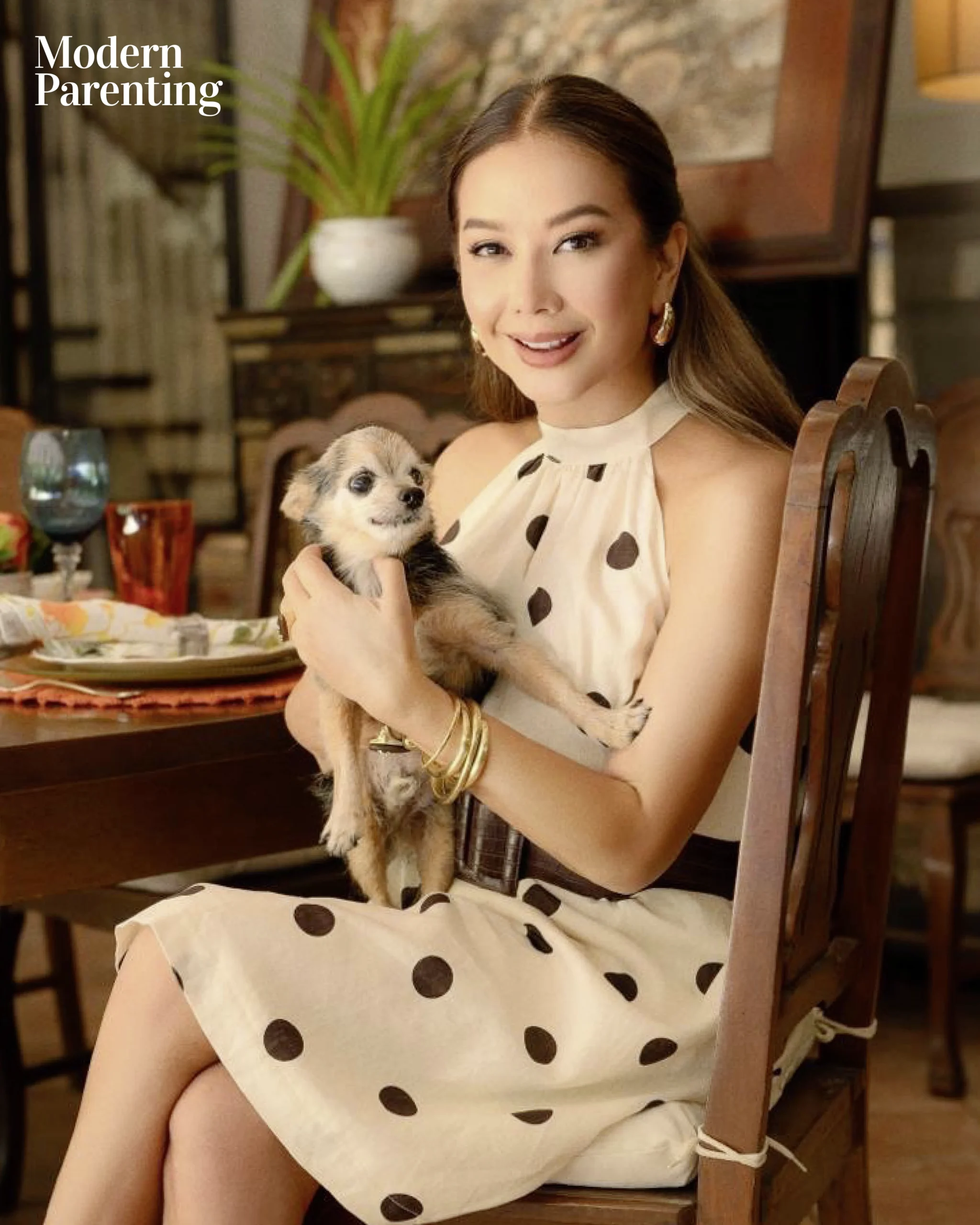
“You know, I’m not the best of the best, I’m not the richest of the richest,” she says. “But I’m kind of happy with how I maximized my time. I tried to make the right choices, I experienced things, to a limit, you know?”
She’d tell herself to keep living life without regrets. It’s unavoidable, like anyone, she carries griefs that remain unedited by time, but she does not let them define her story. She holds steadfast to a simpler, more enduring philosophy: “Nobody dictates to you who you should be.”
It is in this approach that we see how Korina has carried herself through every chapter of her life, and that motherhood—like everything else she has built—was never stumbled into. It was chosen, claimed, and lived fully, all on her own terms.
Words JUSTIN CONVENTO
Photography KIM MONTES
Sittings Editor MARGA TUPAZ
Make-up TWINKLE BERNARDO
Hairstyling ANGELI ALFONSO
Styling ROSHNI MIRPURI of THE CLOSET CULTURE
Shoot Coordination TONI MENDOZA
Special thanks to SAFFRON PLATES
Frequently Asked Questions
Korina Sanchez-Roxas is an award-winning Filipino journalist, television personality, and mother of twins Pepe and Pilar Roxas.
Korina became a mother through IVF, embryo freezing, and surrogacy after years of fertility research, consultations, and medical preparation.
Korina shared that becoming a mother later allowed her to enter parenthood with more perspective, emotional readiness, life experience, and intention.
Korina teaches her twins the value of hard work, independence, emotional awareness, discipline, and intentionally creating meaningful family memories.
Korina encourages women to stay informed about fertility options, understand available medical technologies, and make life decisions based on readiness rather than pressure from timelines.
More stories about mothers?
Winnie Wong, Dominique Cojuangco Hearn: Clarity at Home
Why Respect Is the Secret to the Sotto Family Foundation
Vania Romoff on Motherhood, Boundaries, and Fashion