Why Today’s Families Are Burnt Out: Gaps Found in Modern Family Medicine According To Dr. Patricia Petralba



Today’s families are more invested in wellness than ever
Metro Manila life looks efficient on the surface. Parents juggle work calls in traffic, answer emails while waiting at school pickup, squeeze grocery runs between deadlines, and scroll endlessly before sleeping. Everything moves fast. Everything appears productive.
But beneath that efficiency, many Filipino families are exhausted on the inside.
The burnout no longer looks dramatic. It leaks through everyday microbehaviors: parents who cannot sleep without doomscrolling, children constantly overstimulated by screens, recurring headaches dismissed as “stress lang,” and families delaying checkups because hospitals feel intimidating, expensive, or emotionally draining. For many urban households, healthcare has become reactive instead of preventative—something people turn to only when the body finally forces them to stop.
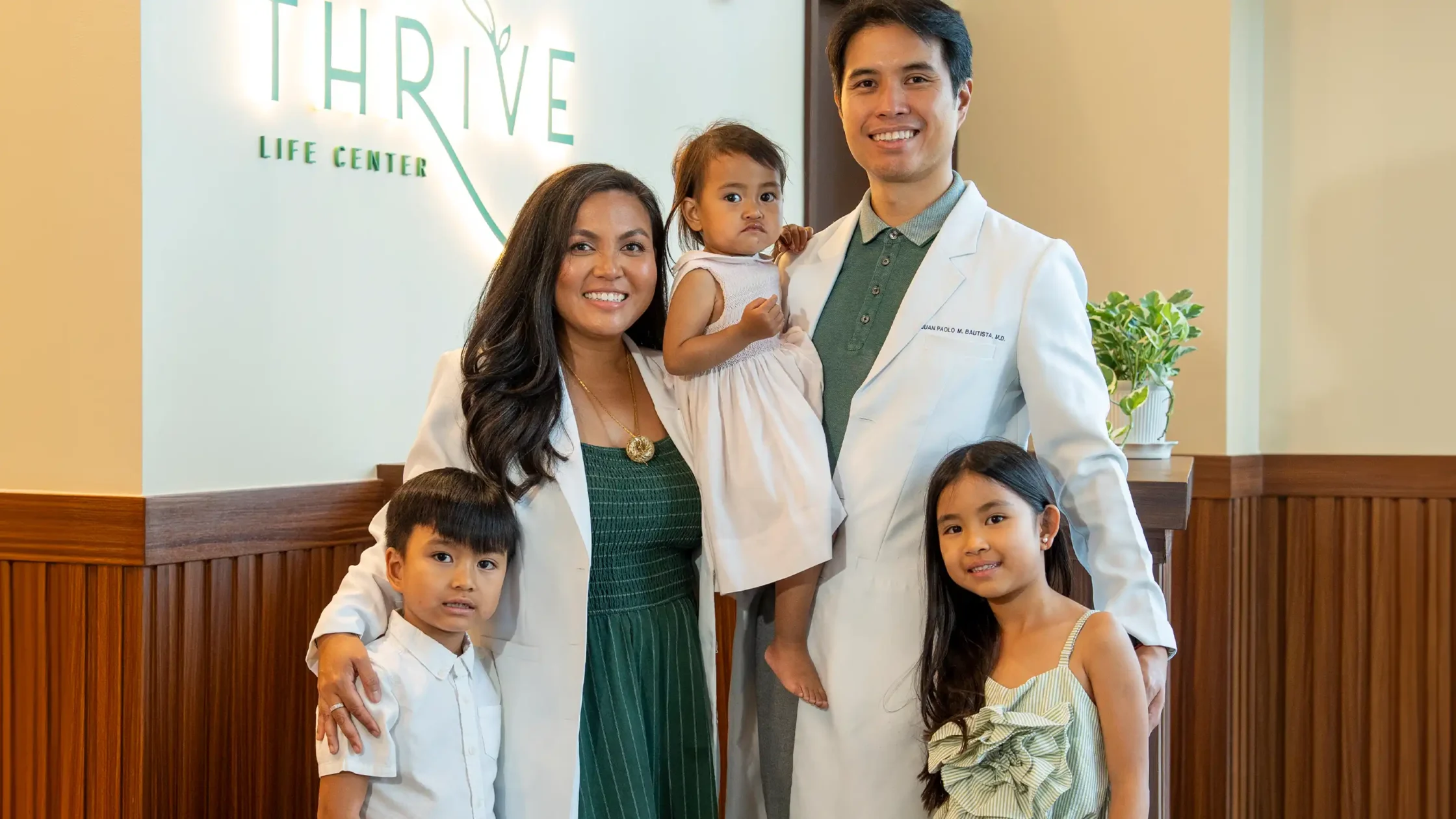
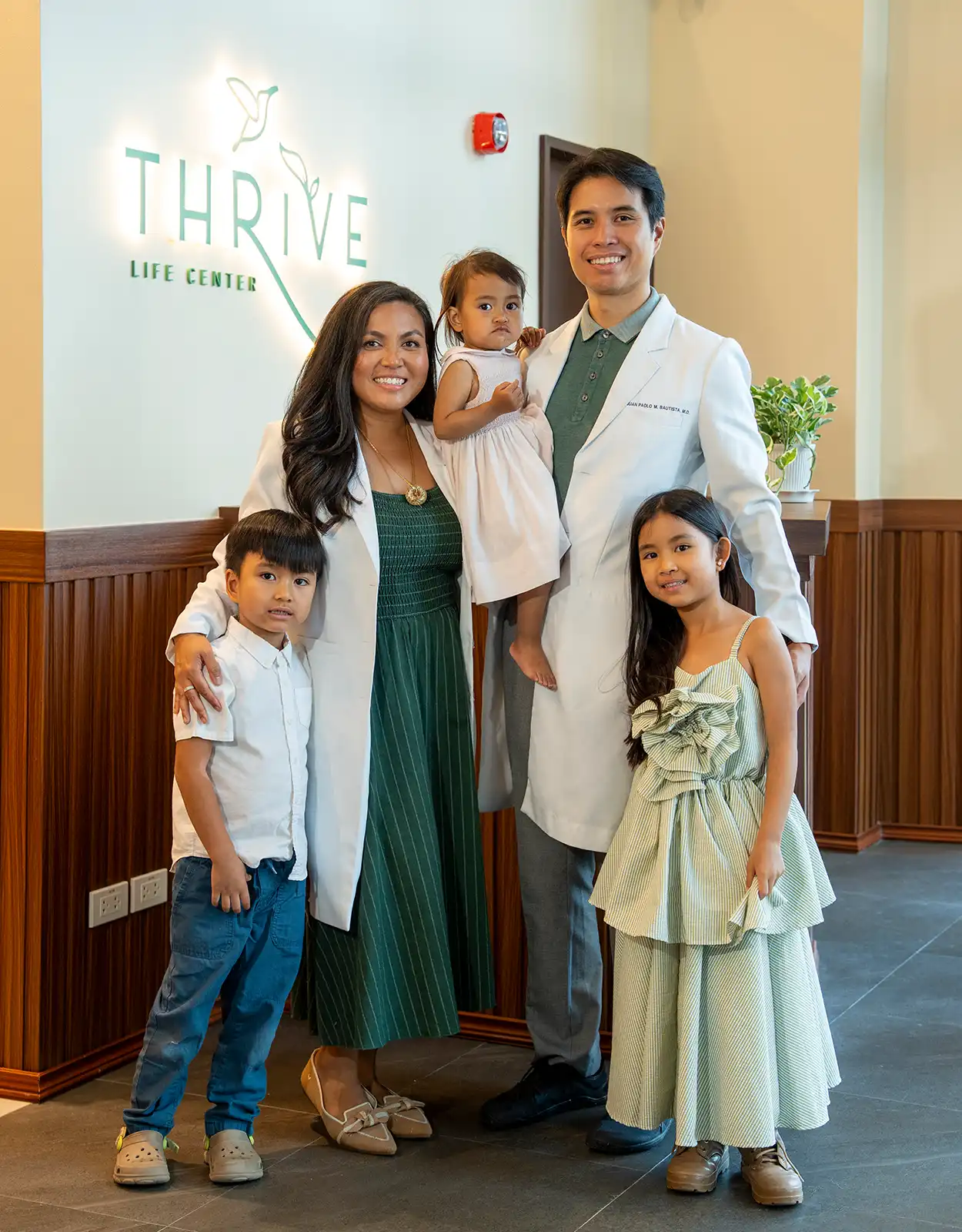
For integrative physician Dr. Patricia Petralba, co-founder of Thrive Life Center, this growing disconnect became impossible to ignore after two deeply personal experiences: her father’s stroke and her own experience giving birth.
When Healthcare Stops Feeling Human
Dr. Petralba recalls how her father slowly developed an aversion to hospitals and conventional medical systems.
“The long waits, the rushed consultations, the feeling of being reduced to a chart or a number rather than truly being seen as a person,” she explains, contributed to his withdrawal from seeking care.
It exposed a growing problem many Filipino families quietly experience today: people fear medical environments until emergencies happen. Because in Metro Manila, where overstimulation has become normal, many families function in chronic survival mode. Traffic, financial pressure, academic demands, digital overload, and nonstop schedules keep nervous systems constantly activated. Over time, exhaustion becomes normalized instead of treated.
“Our nervous systems were never designed to exist in a constant state of overstimulation,” Dr. Petralba explains.
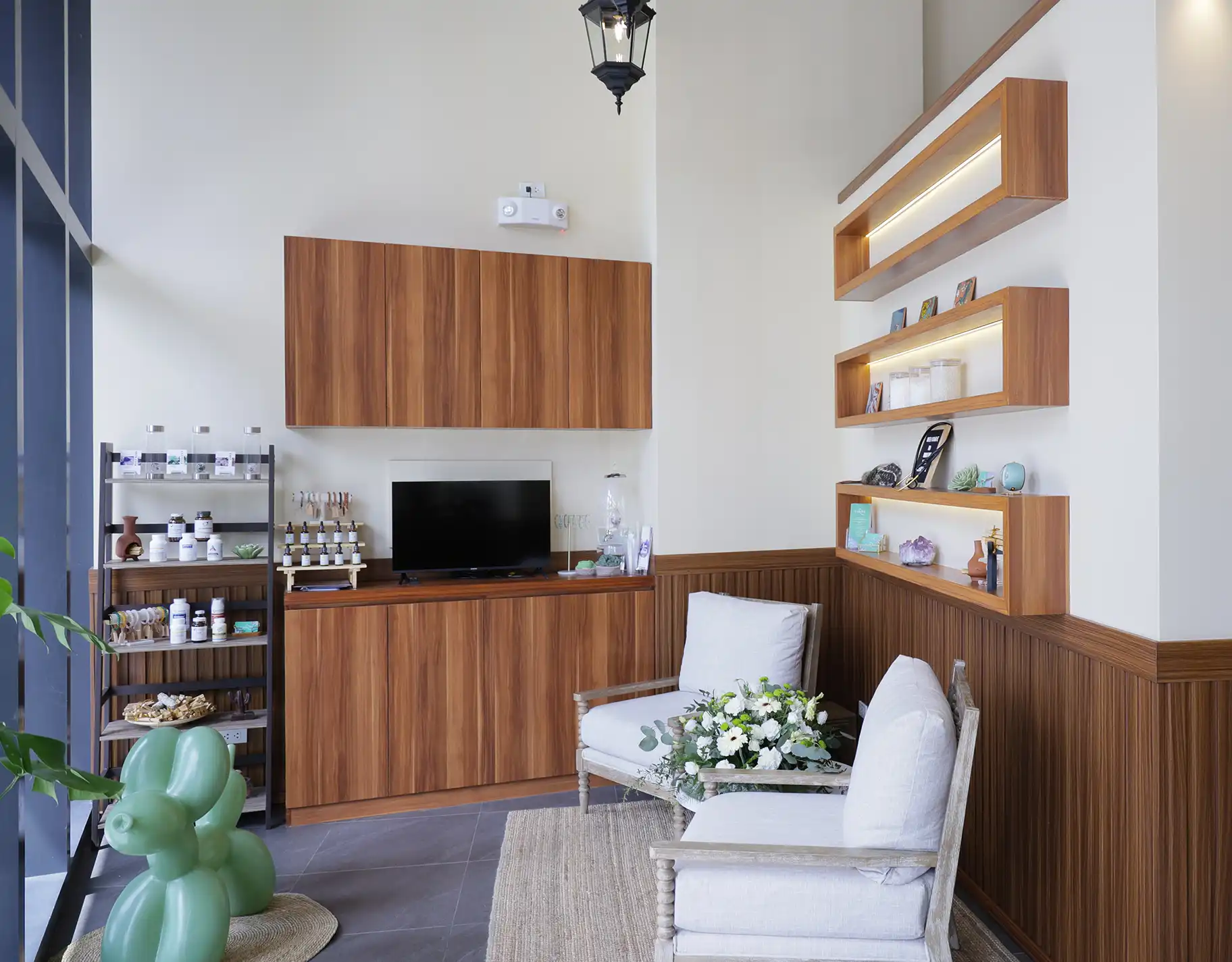
This is where Thrive Life Center attempts to bridge the gap between conventional medicine and lifestyle-based healing. Instead of focusing purely on symptoms, their approach emphasizes nervous system regulation, emotional health, nutritionNutritionThe process of obtaining and using nutrients from food to support growth, energy, overall health, and proper body function., stress reduction, and preventative care.
The center also integrates the Energy Enhancement System (EES), a non-invasive wellness technology designed to support rest and recovery. While skepticism around energy-based healing exists, Dr. Petralba grounds it in familiar concepts. “MRI scans, X-rays, laser treatments, radio frequency therapies, Wi-Fi, and even our phones all operate through frequencies and energetic fields we cannot physically see,” she says.
For many clients, especially exhausted parents, the biggest changes are often simple but deeply needed: better sleep, emotional calm, and feeling mentally lighter.
Prevention Over Panic
Modern Filipino culture often teaches families to endure until symptoms become unbearable. Fever is suppressed immediately. Burnout is treated as laziness. Stress becomes personality.
But integrative medicine asks a different question: what if symptoms are signals instead of inconveniences?
Dr. Petralba believes today’s children are particularly affected by overstimulation. “Children today are carrying tremendous sensory and emotional overload—from screens, overstimulation, academic pressure, and modern lifestyle rhythms,” she explains.
This is why preventative care matters long before illness appears.
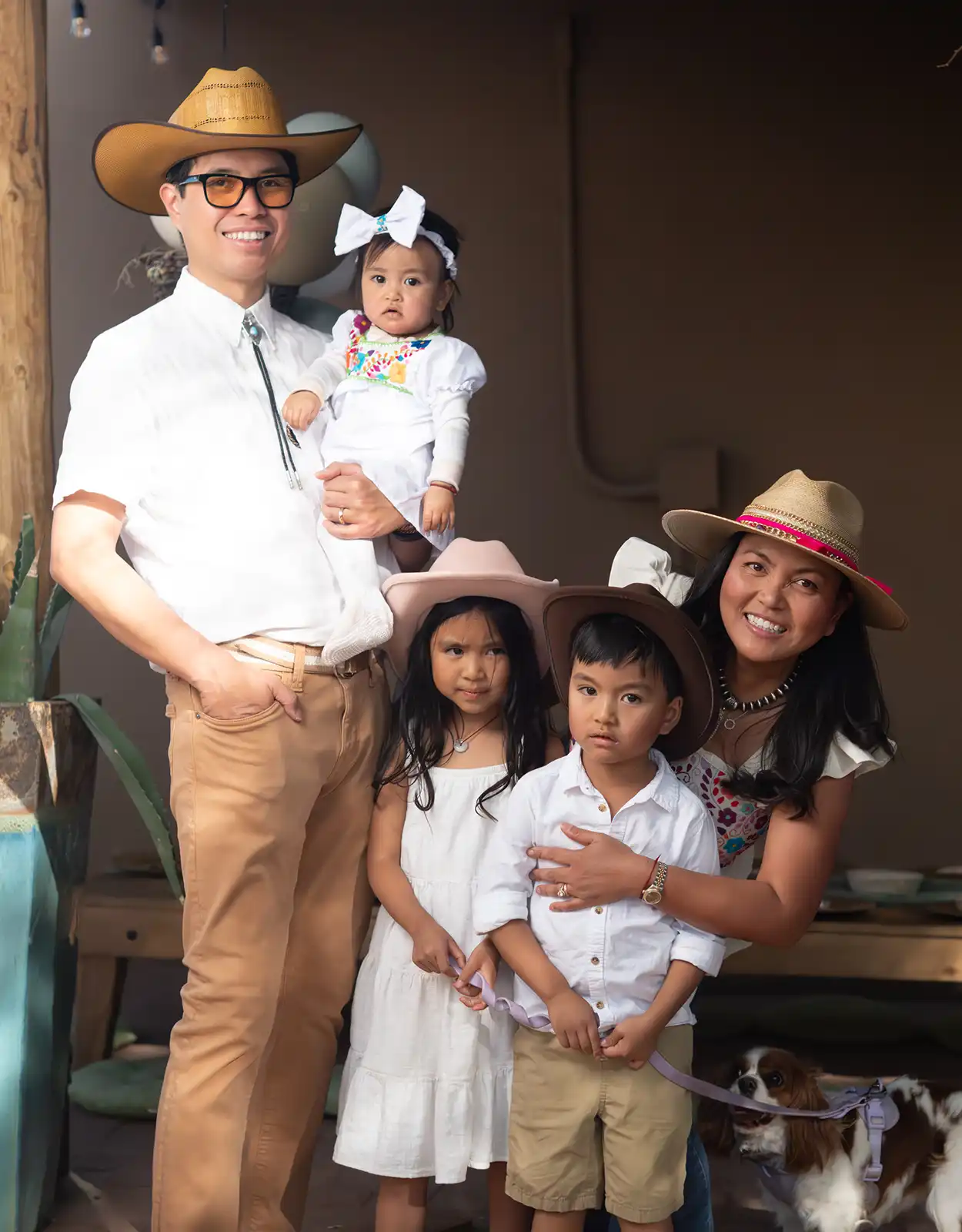
For Filipino parents, especially mothers carrying the invisible emotional load of the household, healing cannot remain an individual task. Rest, boundaries, nutritionNutritionThe process of obtaining and using nutrients from food to support growth, energy, overall health, and proper body function., emotional safety, and slowing down must eventually become part of family culture itself.
Healing as a Family Lifestyle
Perhaps the biggest gap in modern family medicine is not technology, but environment.
Many families today wait for collapse before prioritizing health. Yet burnout rarely arrives overnight. It accumulates quietly through years of overstimulation, emotional suppression, chronic stress, and disconnection from rest.
Dr. Petralba hopes Filipino families eventually shift away from crisis-based healthcare and toward a more proactive relationship with wellness. “Prevention, nervous system regulation, emotional health, restorative rest, meaningful relationships, and lifestyle medicine should become foundational—not secondary,” she says.
Because in the middle of Metro Manila’s endless noise, perhaps what families truly need is not simply treatment—but permission to finally slow down before the body forces them to.
Frequently Asked Questions
Integrative medicine combines conventional healthcare with lifestyle-based approaches like nutrition, stress management, emotional wellness, and preventative care to support overall health and healing.
Many families in Metro Manila face chronic stress from traffic, work pressure, financial strain, screen overload, and nonstop routines, leading to emotional exhaustion and nervous system overload.
The Energy Enhancement System (EES) is a non-invasive wellness technology designed to support rest, recovery, and nervous system regulation through scalar and light energy fields.
Many Filipino families avoid checkups because hospitals can feel overwhelming, expensive, emotionally draining, or overly focused on quick consultations instead of holistic care.
Preventative healthcare helps families address stress, sleep issues, emotional overload, and lifestyle habits early—before they develop into more serious health problems or burnout.
More about medicine and futureproofing?
Sheree Bondoc: Future-Proofing Family Health
7 Gentle Ways to Nurture Kids’ Intuition for Wellness as Told by Dr. Sheree Bondoc
Parents’ Choice Awards 2025: Health, Safety, and Wellness