When the Mom Village Turns Toxic: How Does That Happen?



What happens when the mom village you once sought help for in motherhood is no longer welcoming?
There’s an image many of us carry into motherhood: a village of other mothers who get it. Friends who help carry car seats, swap sanity-saving tips, embrace the messy, celebrate milestones, and affirm that parenting really does take a community. It’s the romantic idea that keeps many of us signing up for playdates, group chats, and weekend brunches in the first place.
But what happens when that village stops feeling like a safe place—and starts feeling like high school all over again?

A Village That Wasn’t What It Seemed
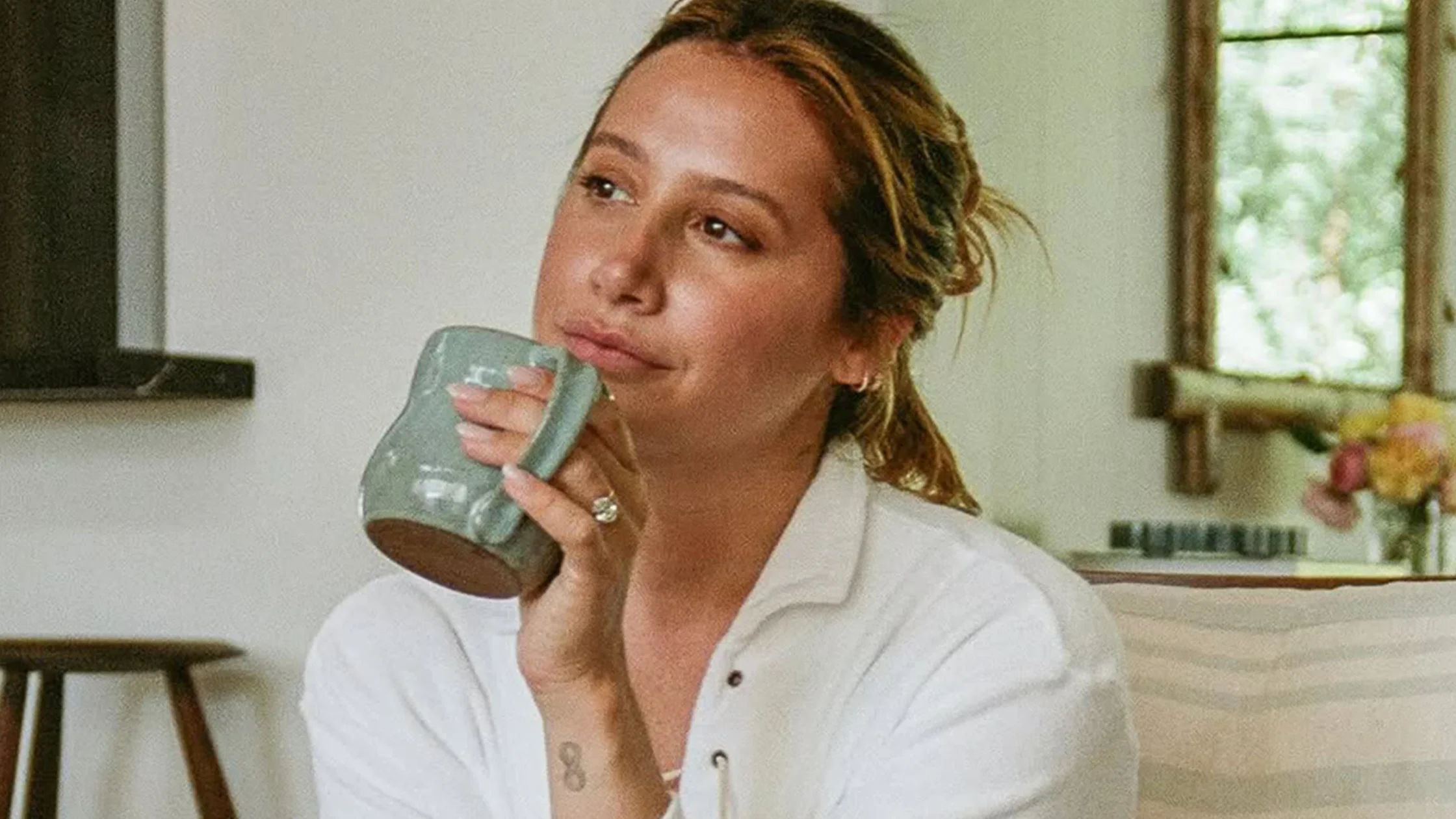
Early in her journey into motherhood, actress Ashley Tisdale French thought she’d found exactly the village she needed. After her first daughter was born, she connected with a group of mothers through a friend. They were busy, creative, successful, and navigating work-life balance in ways that resonated with her own life. “By the time we started getting together for playdates and got the group chat going, I was certain I’d found my village,” she wrote in The Cut.
But over time, that sense of belonging began to slip. Tisdale noticed small but painful patterns: being left out of hangouts, seeing photos of gatherings she wasn’t invited to, and even where she was seated at a dinner party—at the end of the table, far from the others. “I was starting to feel frozen out,” she wrote.
It’s a scenario that many Modern Parenting readers will recognize: the slow shift from inclusive support to subtle exclusion—sometimes made worse by social media feeds that broadcast the very moments you weren’t invited to.
When Support Becomes Social Scrutiny
Tisdale’s experience isn’t about mean moms, but about how dynamics sour. She noted that the group’s behaviour felt emotionally immature, leading her to step away.
That phrase—too high school—is a powerful reminder that toxicity rarely arrives as a dramatic explosion. It creeps in through exclusion, comparison, competitiveness, or cliques that make some feel less than, rather than supported. For many parents, particularly moms navigating early parenthood, that exclusion can churn up old insecurities and self-doubt at a time when we’re already running on limited sleep and abundant vulnerability.
The Emotional Toll of Exclusion
What many readers responded to most in Tisdale’s essay was the honesty with which she described the pain of feeling left out—not just of events, but of a community she trusted. She said she ultimately texted the group: “This is too high school for me and I don’t want to take part in it anymore.“
Some members tried to make amends—one sent flowers—but reconciliation felt hollow when the underlying issues weren’t addressed, and Tisdale realized the dynamic was no longer healthy.
Why This Resonates With Parents Everywhere
The reaction to Tisdale’s essay has been swift and emotional. Many parents, online and off, shared their own stories of friendship groups that once felt supportive but became exclusionary or competitive. In spaces meant to uplift us, old insecurities can resurface, especially when social media magnifies every perceived slight or omission.
What’s striking is how universal the pattern can be: the initial hope of connection turns into feelings of isolation when the group somehow becomes less about mutual support and more about social hierarchy.
Protecting Your Peace in Parenting Communities
The takeaway isn’t that mom groups are inherently bad—far from it. Many villages are deeply supportive and healing. What Ashley Tisdale’s story underscores is this: your peace matters, and it’s okay to find another group that supports your wellbeing.
Here are a few gentle reminders for parents navigating their own communities:
- Check your feelings, not just the highlights reel. If interactions leave you consistently drained more than uplifted, it’s worth paying attention.
- Boundaries are part of self-care, not selfishness. Stepping back from a group doesn’t make you a bad friend—it makes you responsible for your own emotional health.
- A healthy village is reciprocal, not exclusionary. Support should feel mutual, not transactional or status-driven.
- Your child gets a better model from a balanced you. Setting boundaries teaches kids what healthy relationships look like.
In a world where many of us were raised on the myth of “it takes a village,” it’s important to remind ourselves that not every community is a village—and sometimes the biggest act of courage is saying goodbye to the one that once felt like home.
Frequently Asked Questions
A toxic mom village often shows subtle signs—exclusion from plans, passive-aggressive group chats, comparison, cliques, or social dynamics that feel more stressful than supportive.
Mom groups can turn toxic due to unspoken competition, different parenting styles, social hierarchies, or unresolved insecurities—often amplified by social media visibility.
In her essay for The Cut, Ashley Tisdale shared feeling frozen out of her mom group through exclusion and social distancing, describing the dynamic as “too high school” to stay in.
Yes. Leaving a mom group that causes anxiety, self-doubt, or emotional exhaustion is a form of self-care—not failure. Healthy communities should feel safe, not stressful.
Parents can protect their peace by setting boundaries, limiting comparison on social media, trusting their instincts, and choosing smaller, more aligned support systems when needed.
More about mom villages?
The Baby Bunch Moms: Modern Parenting’s First Cover
Janice Villanueva: No Mom Left Behind
Making Momlife Easier With Momzilla