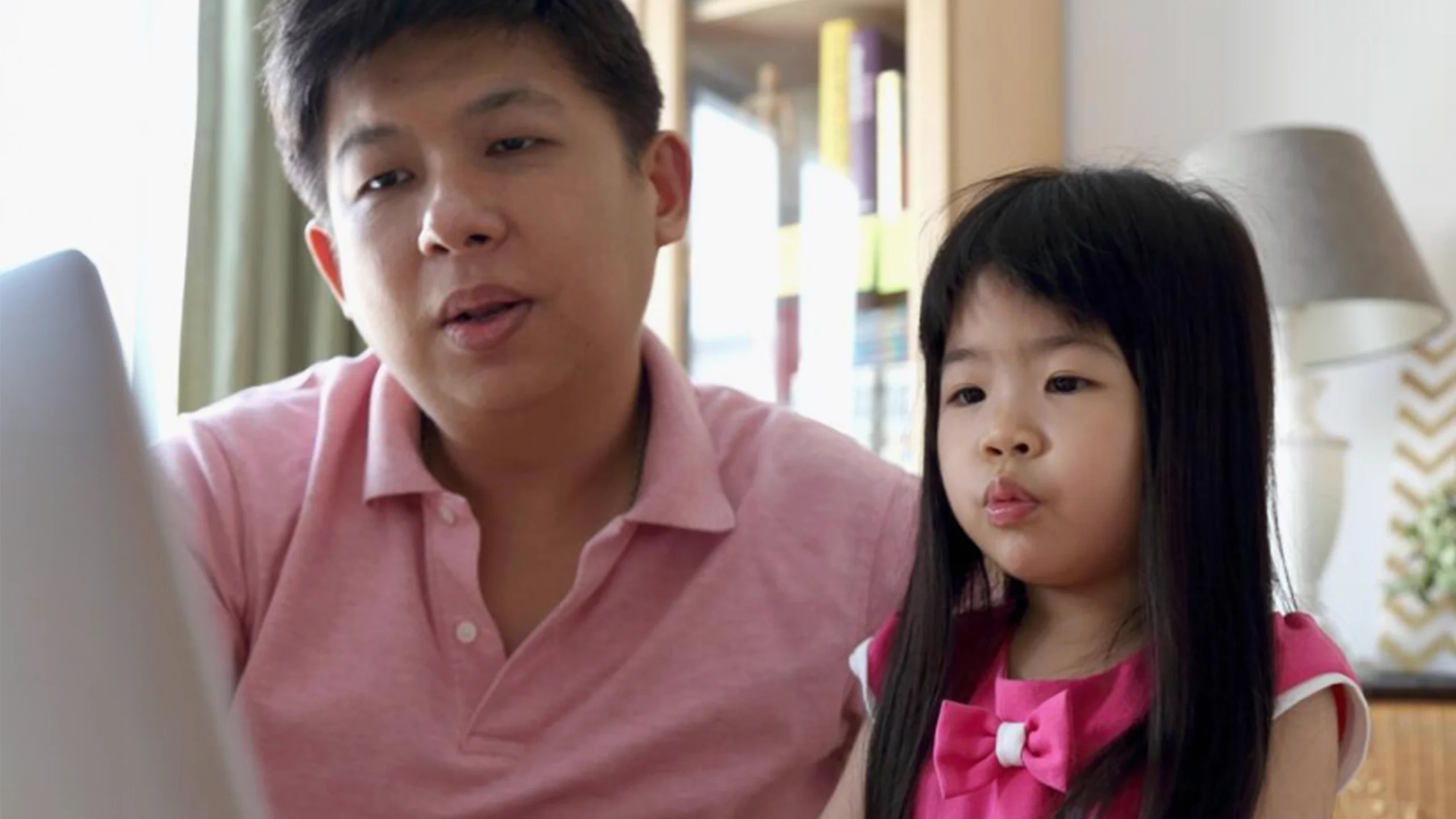
The Health Talk Every Mom and Daughter Should Be Having



Dr. Jaycy Olivarez of Eluvo Health shares why caring for your health is one of the most important things you can pass on to your daughter
For many women, taking care of everyone else often comes first—family schedules, work deadlines, even the smallest daily needs at home. Somewhere in between, personal health quietly takes a backseat.
But here’s the truth: the way a mother cares for herself shapes how her daughter will one day care for her own body.
Today, conversations on women’s health are becoming more open, yet many still find themselves unsure of what’s normal—especially as their bodies go through changes in their 30s and beyond. From reproductive health, PCOS, to perimenopause, these shifts can feel confusing, even overwhelming, when left unaddressed.
According to Dr. Jaycy Olivarez, founder of Eluvo Health, making time for your health isn’t just necessary—it’s an act of responsibility, both for yourself and for the next generation watching you.

Listening to your body—and teaching your daughter to do the same
In many Filipino households, certain symptoms are often brushed off as “normal.” Heavy menstruation, for instance, is something many women grow up accepting without question.
But Dr. Olivarez emphasizes that this shouldn’t always be the case.
Understanding your cycle—its timing, flow, and accompanying symptoms—is one of the simplest yet most powerful ways to stay in tune with your body. When something feels off, it’s worth paying attention.
Genetics also plays a significant role in women’s health. If certain conditions run in the family, early screening becomes even more important.
“If it runs in the family, don’t wait,” she shares. “Have yourself checked. The earlier you address it, the better your chances of managing it well.”
And this awareness doesn’t stop with you. When mothers model this kind of attentiveness, daughters grow up learning that their bodies are worth listening to—not ignoring.
Health needs evolve with age
Just as women grow through different life stages, so do their healthcare needs.
In your early 20s, especially once sexually active, screenings like Pap smears and cervical health checks become essential. These establish a baseline and help detect concerns early on.
By your 40s, the conversation expands—regular breast exams, executive checkups, and even colon screenings may be recommended, particularly for those with a family history of certain conditions.
“It’s really about being proactive,” Dr. Olivarez explains. “Prevention will always be better than cure. When checkups become part of your routine, you’re not just reacting to problems—you’re staying ahead of them.”

Creating safe spaces for difficult conversations
Talking about reproductive and sexual health isn’t always easy—especially between parents and daughters. But avoiding the conversation can lead to more confusion and misinformation.
Dr. Olivarez encourages parents to open the dialogue as early and as comfortably as possible. And when words are hard to find, seeking help from a trusted professional is a meaningful alternative.
“If it’s a difficult conversation, bring your daughter to an expert,” she suggests. “That way, she understands her baseline and has a safe space to ask questions.”
Building a relationship with a healthcare provider early on fosters trust and confidence. It allows young women to feel supported, informed, and empowered to speak up about their concerns.
And sometimes, that’s all they need—to know that their voice matters.

The role of community in women’s health
At Eluvo Health, education is just as important as treatment. Before any procedure or consultation, the goal is to ensure that women understand their bodies and feel comfortable in their healthcare journey.
But beyond the clinic walls, Dr. Olivarez believes that community plays a vital role in sustaining these conversations.
“When women share their experiences, when communities talk openly about health, it creates a ripple effect,” she explains.
From parenting platforms to content creators, every shared story helps normalize what was once considered taboo. It encourages more women—and eventually, more daughters—to ask questions, seek help, and prioritize their well-being.
Because in the end, women’s health isn’t just personal—it’s generational.
Eluvo Health is located at Parqal, Parañaque. For more information, check out their website https://eluvohealth.com/ and social media on Facebook and Instagram
Frequently Asked Questions
Women’s health is essential for mothers because staying healthy allows them to care for their families while also setting a positive example for their children, especially daughters.
Women should begin routine checkups in their early 20s, especially if sexually active, and continue with age-appropriate screenings like Pap smears and breast exams.
Symptoms like unusually heavy menstruation, irregular cycles, persistent pain, or sudden changes in the body should be checked by a healthcare professional.
Family history can increase the risk of certain conditions, making early screening and regular monitoring even more important.
Communities can normalize conversations, share reliable information, and create safe spaces where women feel encouraged to prioritize their health.
More on Women’s Health and Wellness
A Reminder: Not Every Woman Can Carry A Child
A New Study on Endometriosis Shines Hope for Infertility
7 Things Moms Should Know About Polycystic Ovarian Syndrome (PCOS)