Museo Pambata Unveils Two New Interactive Exhibits for National Children’s Month


Kids can touch Philippine weaves and play instruments from the Philippines and South Korea in the museum’s Likha’t Laro exhibits
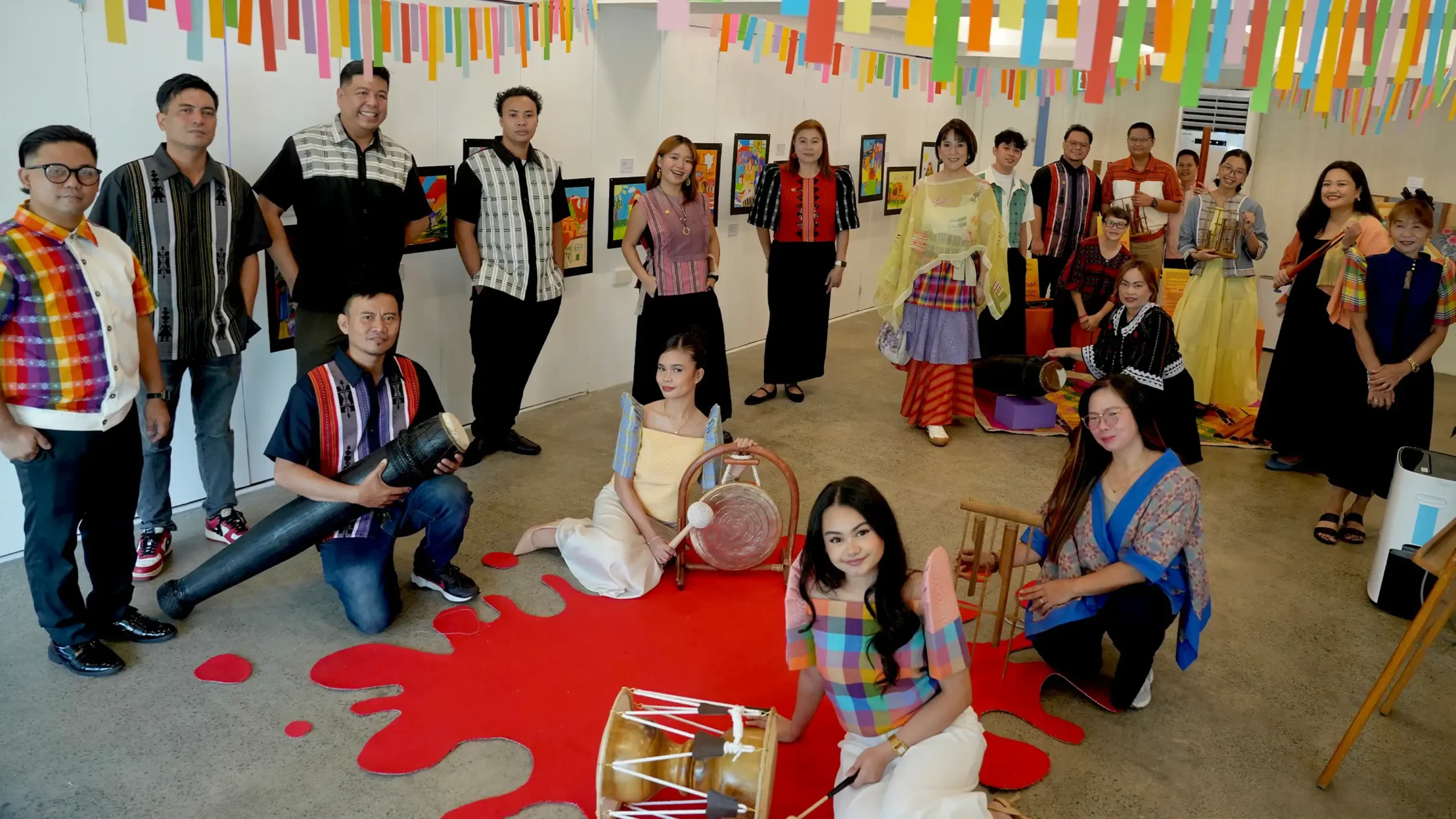
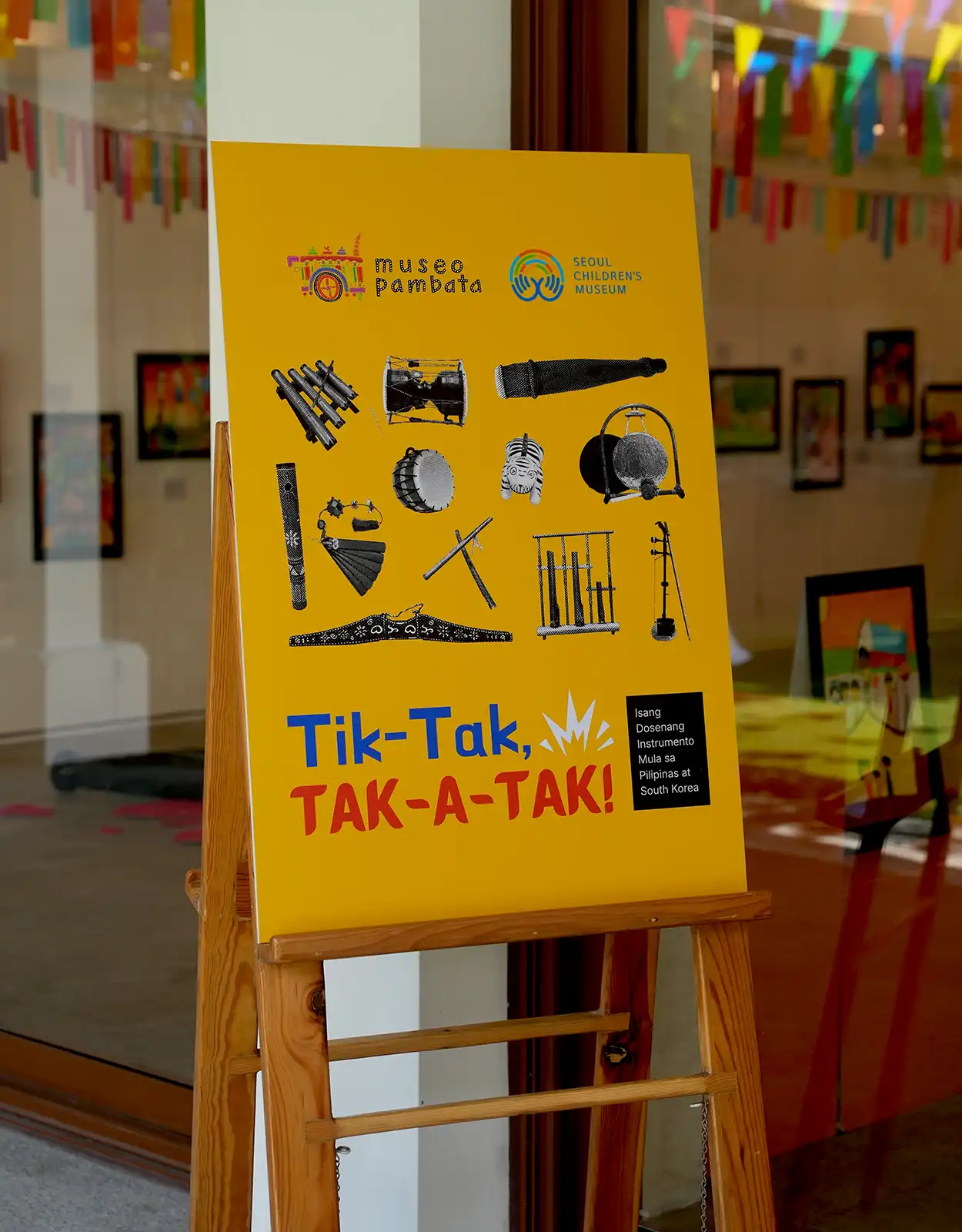
Your family has a new reason to visit Museo Pambata. On November 24, the museum opened two new exhibits under the Likha’t Laro sa Museo: Habi at Himig and Tik-Tak, Tak-a-tak: Isang Dosenang Instrumento Mula sa Pilipinas at South Korea. The museum’s youth ambassadors performed to start the day. Museo Pambata President Wilma Santos-Huang and Manila Councilor Joaquin Domagoso led the ribbon-cutting.
The exhibits are part of the museum’s celebration of National Children’s Month.
“Let children be children”
In his speech, Councilor Domagoso talked about why kids need time to explore and play.
“May kasabihan na play is the highest form of research. Para po sa ating mga kabataan, minsan ang mahahalagang aral ay hindi lang natutunan sa klasrum lamang. Minsan tumatatak sa atin ang mga natutunan sa simpleng paglalaro, pagkakamali, pagtatanong at malayang pagtuklas ng mga bagay-bagay,” he said.
“Let children be children. Pahintulutan po natin ang ating mga kabataan maglaro, mag-explore at lumikha,” Domagoso added. “Through the magic of play, they might discover the world and become who they are meant to be.”
He urged parents to let their kids play and discover things on their own, without fear.
What’s inside
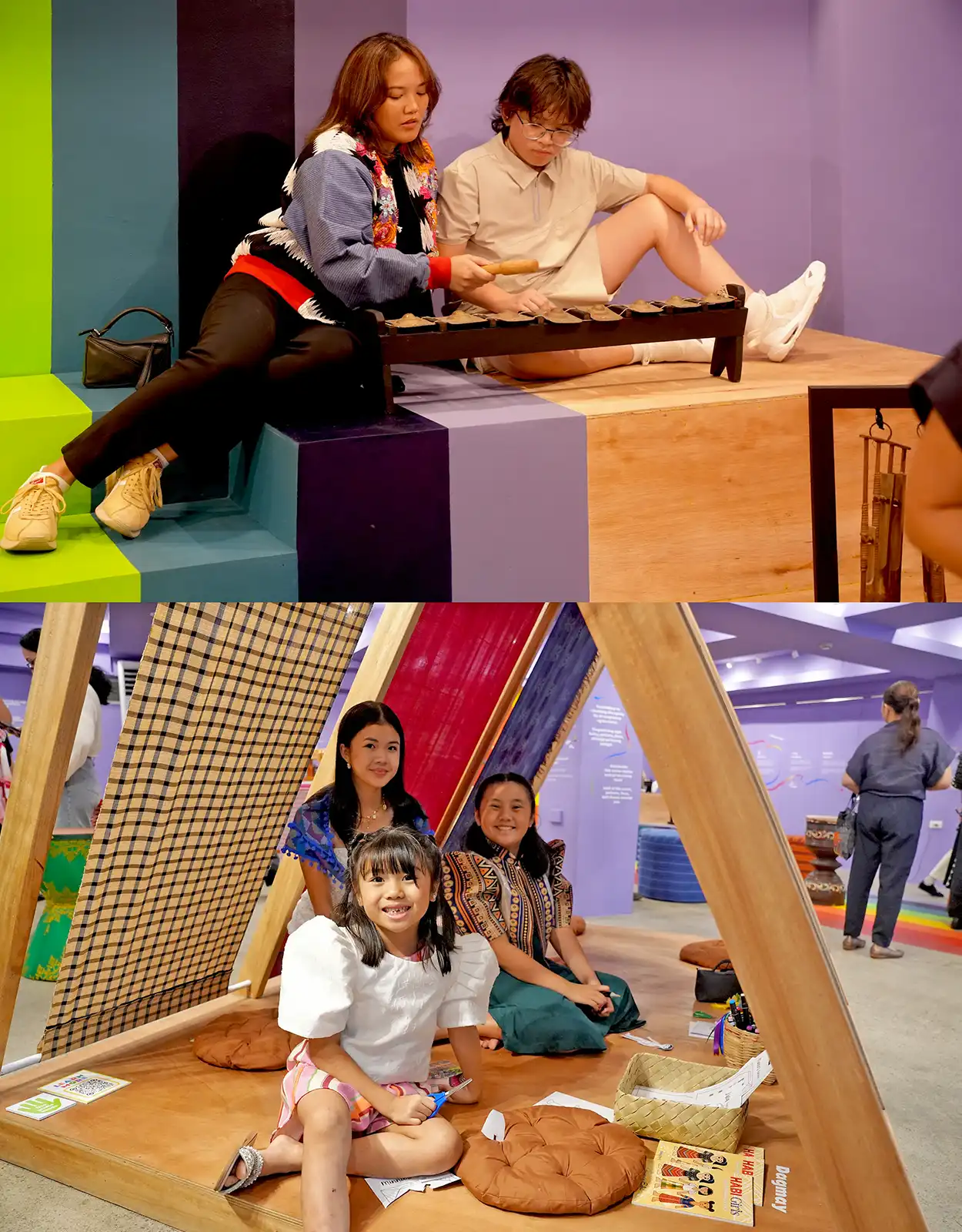
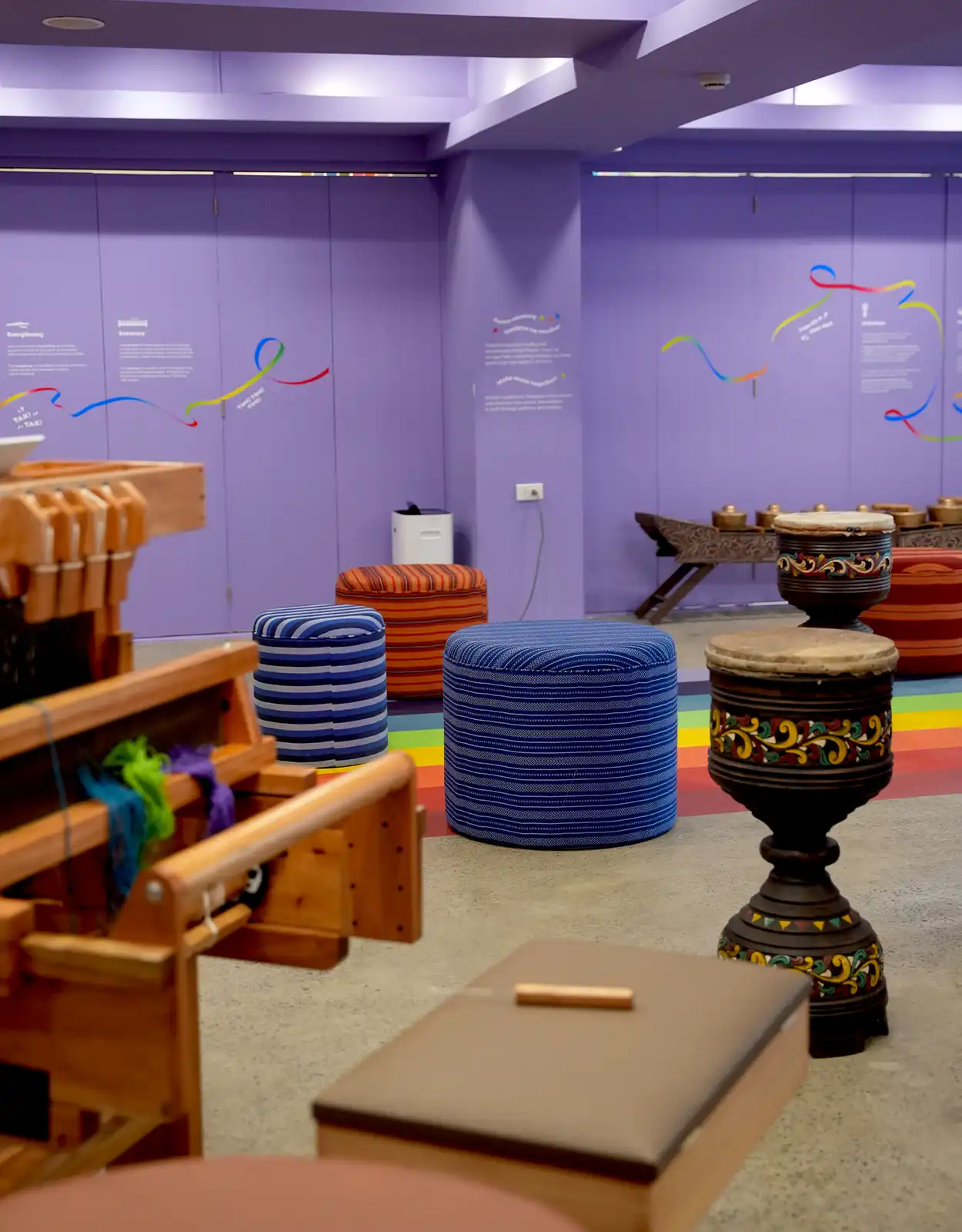
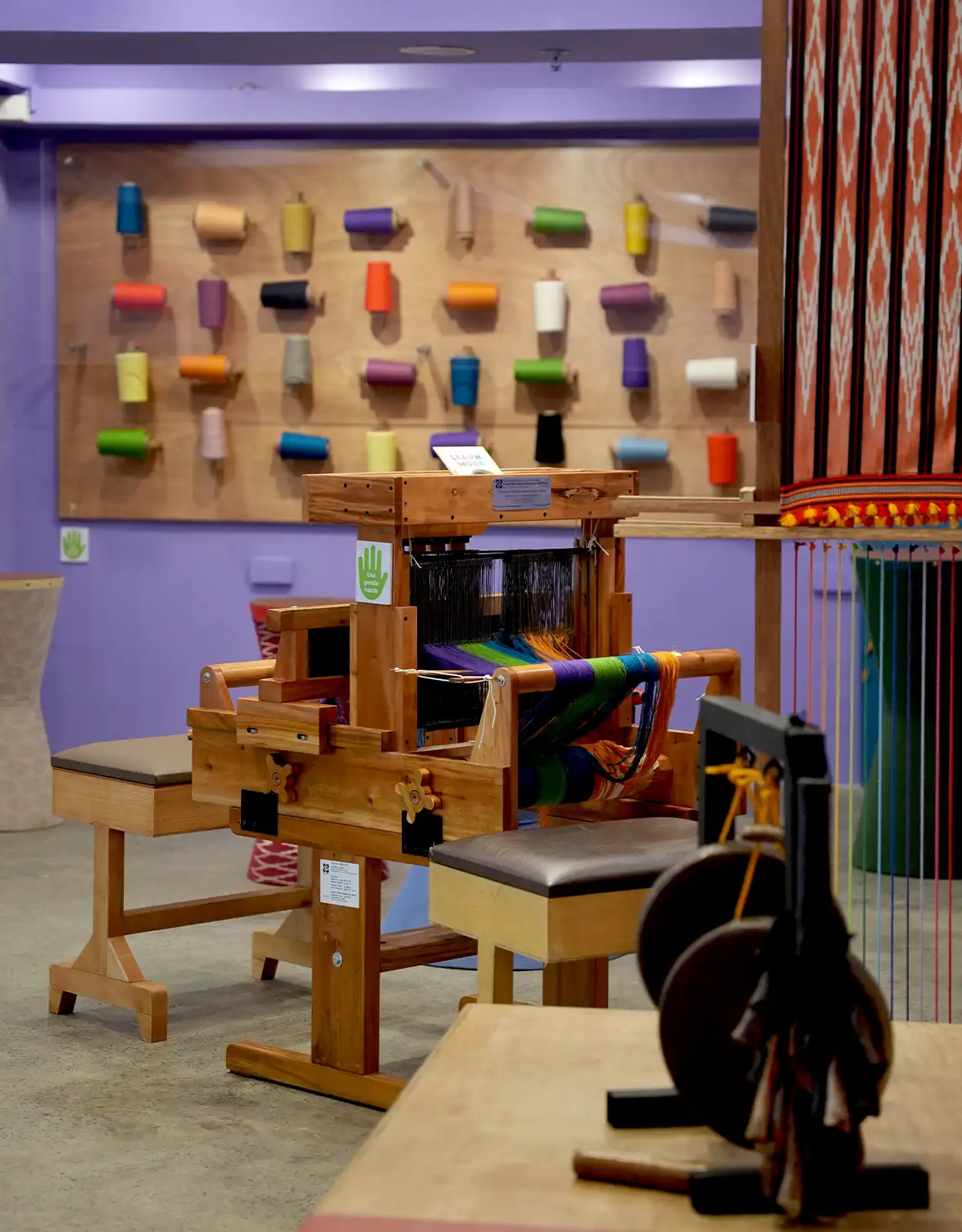
Habi at Himig introduces kids to the country’s traditional textiles, including inabel, binakol, inaul and piña. There’s also a loom and colorful threads on display, so kids can see how fabric is woven. Best of all, little hands are welcome to touch and feel the textiles. The exhibit was made in partnership with the Department of Science and Technology–Philippine Textile Research Institute (DOST-PTRI).
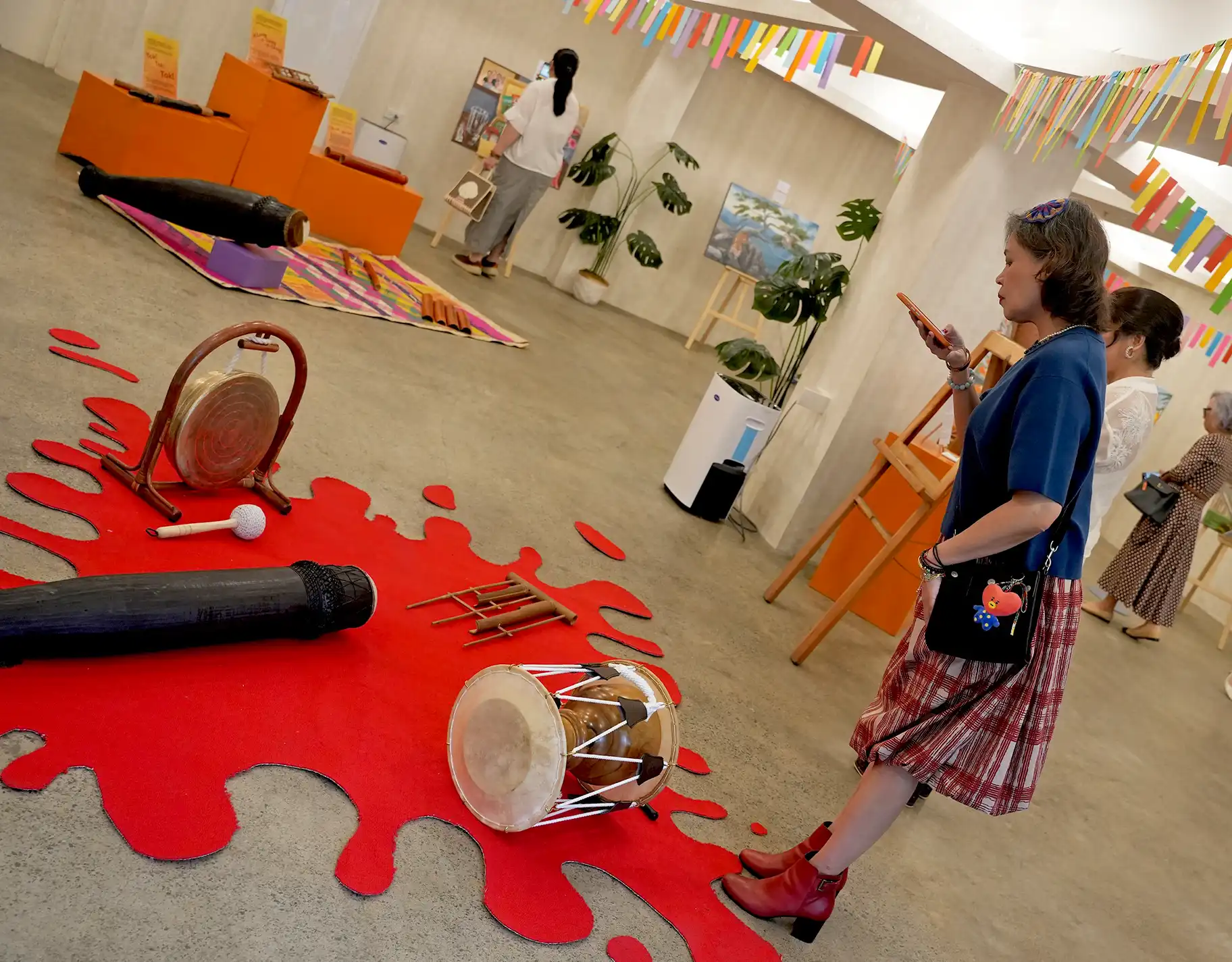
Tik-Tak, Tak-a-tak brings together instruments from the Philippines and South Korea. Kids will see the gangsa, the kulintang (a row of small gongs laid out in a line) and the bangibang (a wooden percussion bar used in rituals in the north). The janggu (ganggu) and angklung are on display too. It’s a fun, hands-on way for kids to learn about two cultures and how music connects them.
Plan your visit
Book your slots before heading to Museo Pambata. For more details, visit museopambata.com.ph or follow @museopambata on social media.
Frequently Asked Questions
Museo Pambata recently opened two interactive exhibits under its Likha’t Laro series: Habi at Himig (focused on traditional textiles) and Tik-Tak, Tak-a-tak: Isang Dosenang Instrumento Mula sa Pilipinas at South Korea.
Yes. Both exhibits are designed to be hands-on. Children are encouraged to touch and feel traditional Filipino weaves and interact with the featured instruments to learn through play.
Created in partnership with DOST-PTRI, Habi at Himig showcases traditional Philippine fabrics such as inabel, binakol, inaul, and piña, alongside a weaving loom and colorful threads that demonstrate how textiles are made.
The exhibit brings together traditional instruments from the Philippines and South Korea, including the gangsa, kulintang, bangibang, janggu, and angklung.
More for kids
Mobile Museum Boxes Bring Sierra Madre to Kids
Penang’s Wonderfood Museum Is the Perfect Stop for Families Who Love to Eat and Learn
What To Expect From The Renovated Museo Pambata