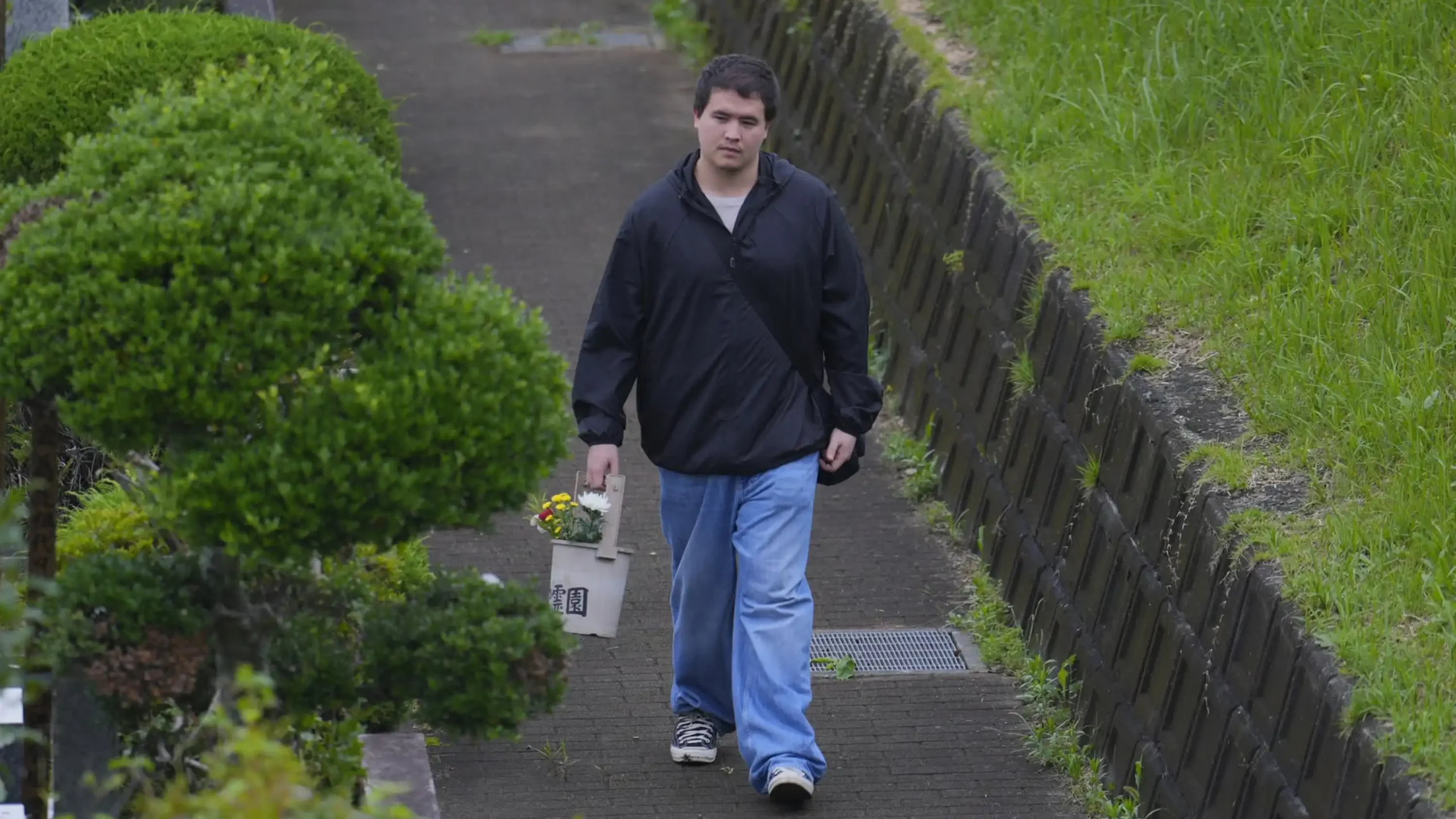
Traumatic Intelligence: An Adaptive and Maladaptive Way of Thinking



What many parents don’t realize about their parenting is that much of it is based on traumatic intelligence
Ever wonder why we tend to double-check everything? It’s what psychologists have recently dubbed as “Traumatic Intelligence.” We don’t know exactly how it got there, but it does show. Scattering the things from our kids’ bags and storing them again, while chastising our kids for “forgetting,” “not being responsible,” or “lacking common sense.” Placing schedules on two or three planner apps. Storing leftovers in fridges and then forgetting they exist before flipping out when they grow mold.
We may sound like paranoid maniacs hellbent on survival, but that’s what happens when we’ve seen enough things “explode.” There’s this invisible pressure to “get everything right.”
On the surface, it looks like we’re responsible—but a lot of times, it’s fuelled by fear.

What is Traumatic Intelligence?
Traumatic intelligence refers to a heightened ability to anticipate problems, read situations quickly, and adapt based on past stressful or traumatic experiences. It’s not a formal diagnosis, but a concept discussed in psychology circles and recent research on how trauma reshapes behavior.
The concept was developed by psychologists like Blythe Landry. Her framework explains that people eventually approach trauma not just as an event to overcome, but as a source of wisdom.
But Traumatic Intelligence can also be seen as an aspect of Emotional IntelligenceEmotional IntelligenceThe ability to recognize, understand, and manage feelings in oneself and others. Parents build it by naming emotions, modeling calm responses, and helping children find words for anger, sadness, and. People exposed to repeated stress develop sharper pattern recognition. In simple terms, the brain learns to scan for danger—even when there isn’t any (Gottfredson and Becker, 2023).
More extreme cases include people suffering from mental disorders such as Schizophrenia or anything remotely similar to it (van Os et. al, 2017).
That “intelligence” may help us survive, but also makes it hard to chill.
Difference Between PTSD, CPTSD, and Traumatic Intelligence
What many tend to forget is how mental disorders have key conditions: they have to interfere with daily life and cause distress—whether or not the afflicted is self-aware. So, to make it simple:
- PTSD (Post-Traumatic Stress Disorder): A clinical condition triggered by a specific traumatic event. Symptoms include flashbacks, avoidance, and heightened anxiety.
- CPTSD (Complex PTSD): Develops from prolonged or repeated trauma (like chronic stress in childhood). It affects emotional regulation, relationships, and self-image.
- Traumatic Intelligence: Not a diagnosis. It’s more of a behavioral adaptation—being highly alert, organized, and anticipatory because your brain learned that things can go wrong at any time.
In short, PTSD and CPTSD are conditions. Traumatic intelligence is a coping pattern that can exist with or without those diagnoses.
Traumatic Intelligence in Filipino Culture: The Role of Hiya
When Westerners learn how Filipinos develop “empathy,” it can look like traumatic intelligence being developed in real time.
But if there’s an academic way to explain how, it boils down to the concept of Hiya.
Hiya is often described as a sense of social propriety or shame. Filipinos, at a young age, learn awareness of how their actions affect others. At its best, it promotes respect and empathy—manifesting into the hospitality and close ties that we’re so famous for.
But when combined with stressful environments or high expectations, hiya can amplify hyper-awareness:
- Extra careful not to make mistakes
- Anticipating judgment before it even happens, leading to self-sabotage
- Trying desperately to control outcomes to avoid embarrassment
That overlap is where traumatic intelligence hides. What looks like “being responsible” can sometimes be fear of getting it wrong.

How Does Traumatic Intelligence Influence Parenting?
Parents with strong traumatic intelligence are often praised as excellent planners. They’re organized, prepared, and proactive. They notice small details others miss.
But there’s a trade-off.
1. We Must Control Outcomes (No Matter What)
We plan everything and freak out when something falls apart—no matter how small. In a way, we look like control freaks.
2. Overthinking Simple Decisions
Small decisions feel like they’re about to let a bomb go off. Ever wonder why we have difficulty figuring out where to eat? That’s why. In the context of Hiya, we’ve probably been scolded for eating in the same place twice or choosing somewhere beyond budget—even if it’s by accident.
3. Constant Mental Load
Everything for us happens in a chain-like sequence in our heads. We don’t just see in a single event; everything is connected to something. Be it five or ten possibilities—no matter how many, we will account for them all. We can probably bet: if our kid doesn’t answer their phone, we will already have come up with five of the worst possibilities that have happened to them from the top of our heads.
4. Difficulty Letting Kids “Figure Things Out.”
Because we’ve learned the hard way, we try to prevent your child from experiencing the same struggles. Sometimes, that turns into overparenting.
5. High Standards (for Yourself and Your Kids)
We insist and push ourselves to do better, putting an insane amount of pressure on ourselves. Unfortunately, kids pick that up. Reels and social media will call that bad parenting. But it’s just a by-product of trying to raise a little human to master the skills we have without the damage.
Traumatic Intelligence: It’s a Strength When Used Intentionally
Traumatic intelligence does have its perks. It’s survival and adaptive; a lot of times, these are the little life skills that have interesting anecdotes, which can be good topics of conversation, most of the time.
It makes us observant, prepared, and resilient. But, at the same time, it makes us dreadfully impatient with others. Because to us, this kind of thinking is “common sense.” If we talk in tech terms, imagine our brains are already running with Windows 11, but everybody else around us still seems to be operating at Windows 95.
Left unchecked, we become a source of stress for others and ourselves.
While we do want our kids to learn skills born from traumatic intelligence (because we survived thus far with them), a lot of times, it means becoming the villain they have to protect themselves from. It’s not fun, especially when teaching strategies for this are prone to abuse.
But at the end of the day, all of us just want them to be alive, safe, and happy. And if they are, they probably picked up a few things themselves.
References
Gottfredson, R. K., & Becker, W. J. (2023). How past trauma impacts emotional intelligenceEmotional IntelligenceThe ability to recognize, understand, and manage feelings in oneself and others. Parents build it by naming emotions, modeling calm responses, and helping children find words for anger, sadness, and: Examining the connection. Frontiers in Psychology, 14, 1067509.
van Os, J., Marsman, A., van Dam, D., Simons, C. J., & Group Investigators. (2017). Evidence that the impact of childhood trauma on IQ is substantial in controls, moderate in siblings, and absent in patients with psychotic disorder. Schizophrenia Bulletin, 43(2), 316-324.
Frequently Asked Questions
It’s the ability to anticipate problems and stay hyper-aware due to past stressful or traumatic experiences.
No. It’s not a diagnosis like PTSD or CPTSD. It’s a behavioral pattern or coping response.
Yes. It can lead to overplanning, control tendencies, and increased mental load, even with good intentions.
Responsibility is balanced. Traumatic intelligence often involves anxiety-driven control and constant anticipation of problems.
Yes. Awareness is the first step. Gradually allowing flexibility and trusting your child’s learning process helps.
More about mental wellness?
How Does Knowing Your Stress Language Help?
How We Develop Stress Responses: A Family Perspective
Breaking the Cycle of Generational Trauma and Toxic Patterns