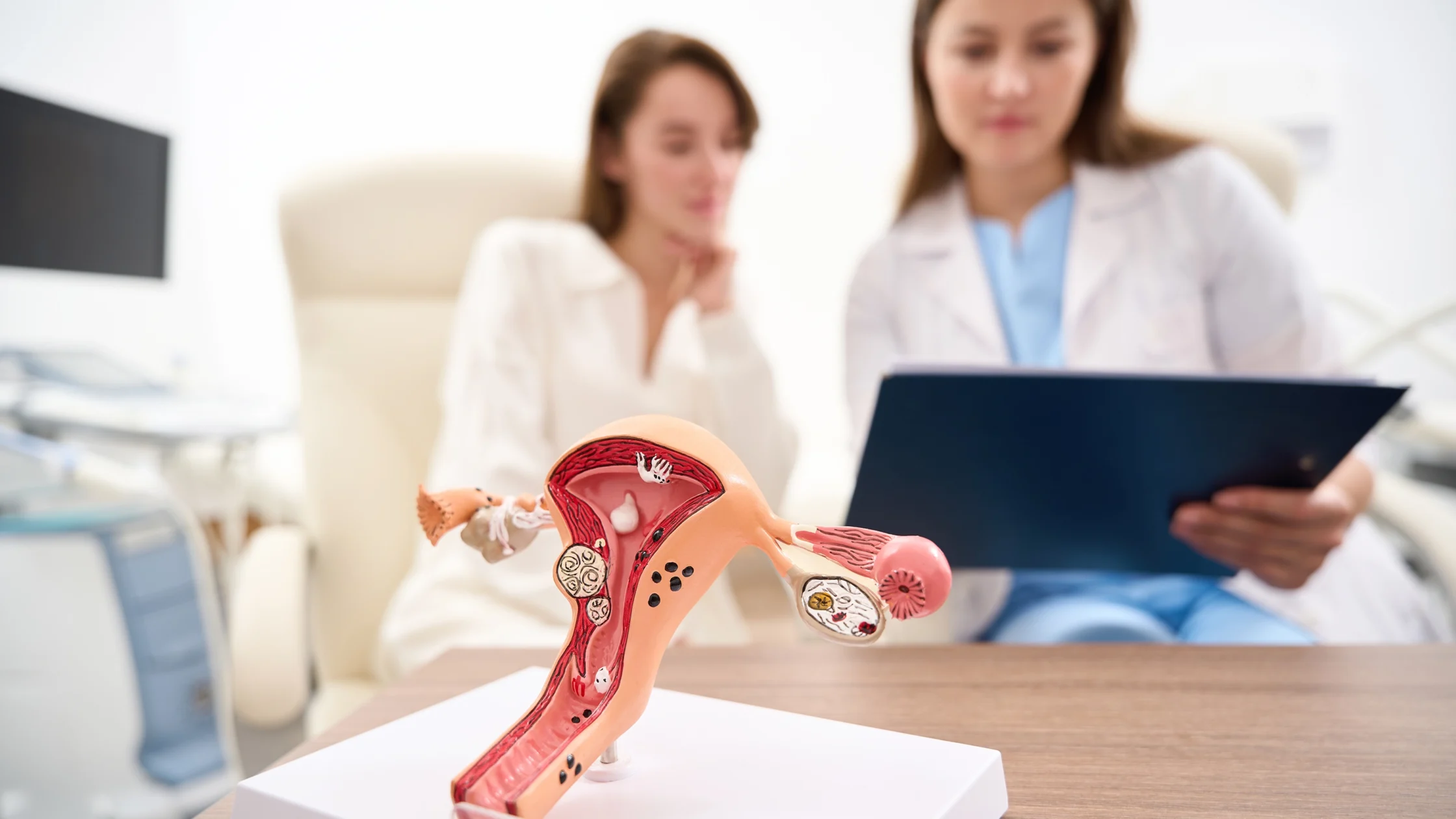
When all Fertility Tests are Clear: What is a Hostile Uterus?



Infertility can have a lot of causes—one of them being known as having a “hostile uterus”
What does it mean when a woman has a “hostile uterus?” Also known as cervical hostility, it means a woman’s cervical mucus (the fluid around the opening of the uterus) is either too thick, too acidic, or contains factors that make it difficult—or even deadly—for sperm to survive and make their way toward the egg.
Even if ovulation happens and sperm are healthy, they may be blocked or neutralized before they can fertilize an egg. That’s why some people interchange “uterus hostility” with “cervical hostility” every so often.
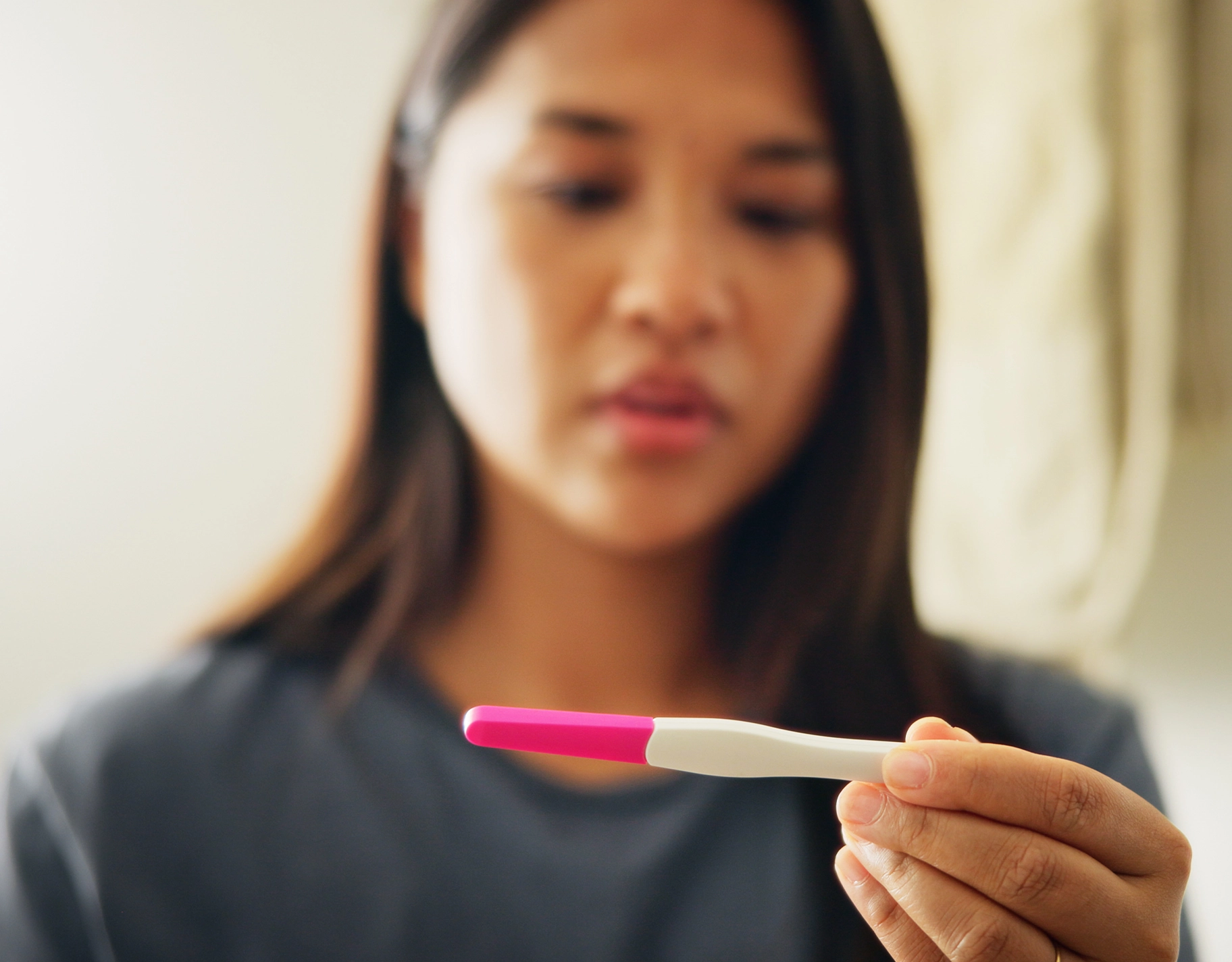
Why It Happens: Possible Causes
A hostile uterus isn’t necessarily permanent or untreatable. Some common contributing factors include:
- Abnormal cervical mucus that remains thick or sticky even during ovulation.
- Immune reactions or antibodies that mistakenly target sperm, seeing them as foreign invaders
- Hormonal imbalances that alter the pH or consistency of mucus.
- Infections or inflammation in the cervix or reproductive tract.
- Other uterine issues, like fibroids, polyps, or scar tissue, can disrupt the normal environment.
How It Shows Up — Signs & Diagnoses
The tricky part is: a hostile uterus isn’t as obvious as other fertility issues. Many couples only glimpse its presence after months of trying to conceive. Some clues may include:
- Repeated difficulty becoming pregnant despite regular cycles
- Failed fertility treatments (e.g. IUI or IVF) without a clear reason
- Chronic infections or cervical irritations
To detect it, fertility specialists may use tests such as:
- Postcoital test (PCT) — examining how sperm move in the mucus several hours after intercourse.
- Ultrasound or hysteroscopy — checking for structural issues like polyps, fibroids, or scarring.
- Lab tests for antibodies or inflammatory markers in cervical secretions
Treatment Options for a Hostile Uterus
Intrauterine Insemination (IUI)
By placing sperm directly into the uterus, IUI can bypass hostile cervical mucus entirely. Some studies suggest this method increases the chances of conception, though results vary.
The good news? Many hospitals and fertility clinics in the Philippines—such as those in St. Luke’s Medical Center, The Medical City, and Cardinal Santos Medical Center—offer IUI services with trained fertility specialists who guide couples through the process.
Hormone or mucus-modifying treatments
Doctors may prescribe estrogen or other medications to help thin or balance cervical mucus, improving its compatibility with sperm. These treatments are available at most major OB-GYN and fertility centers across the country.
Surgery or removal of problematic tissue
If fibroids, polyps, or scar tissue are affecting the uterus, a minor surgical procedure (often done through hysteroscopy) can help. Hospitals like Makati Medical Center and Asian Hospital and Medical Center have specialists who can perform these minimally invasive procedures.
IVF or embryo transfer approaches
When cervical hostility is severe or combined with other fertility factors, IVF may be recommended. The embryo is transferred directly to the uterus, bypassing the hostile cervical environment. Philippine fertility centers such as Kato Repro Biotech Center and Victory A.R.T. Laboratory are equipped with world-class IVF facilities and employ internationally trained embryologists.
Lifestyle changes & supportive care
Beyond medical interventions, changing our lifestyle helps. Sometimes, it may mean leaving our stressful career life behind or going on a hiatus. For others, it could mean having a research-backed meal plan subscription so they don’t have to worry about food. Many OB-GYNs in the Philippines also integrate nutrition counseling and stress management programs to support natural fertility.
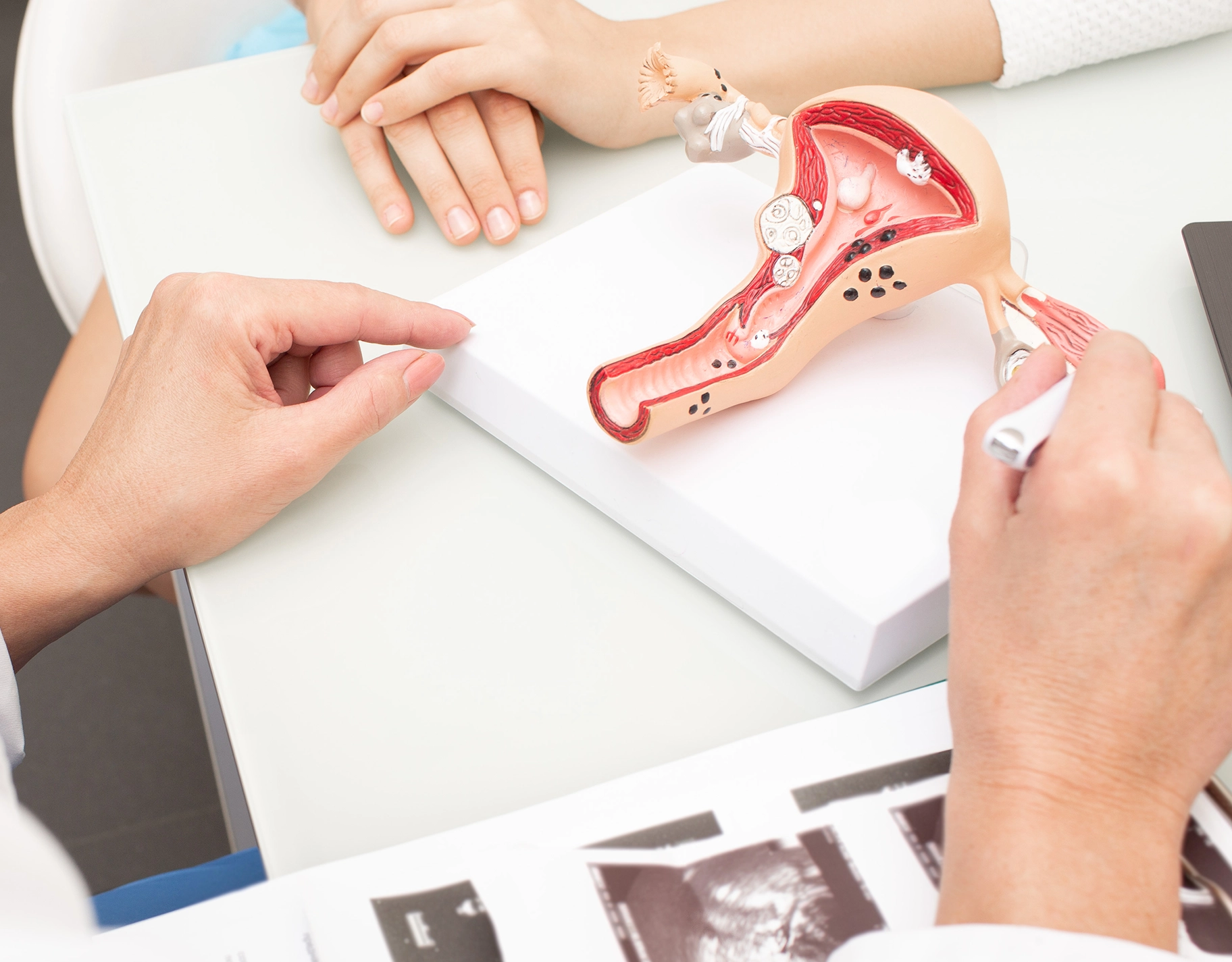
A hostile uterus is not a moral failing
Sometimes, it just happens. Nobody really knows what causes a uterus to become “hostile.”
One thing’s for sure, though, it is nobody’s fault. Science and human bodies evolve all the time. What may have been good for fertility one moment may actually be a double-edged sword the next. Studies and their results will contradict each other. Doctors will have different opinions. But the most important part is—we try to learn about it. Because the more we learn, the more we get to hope and try.
Frequently Asked Questions (FAQs)
Yes, absolutely. A “hostile uterus” doesn’t mean you can’t ever conceive—it simply means sperm may have trouble reaching your egg naturally. Many couples succeed through medical guidance, especially with treatments like IUI or IVF, or by addressing the underlying cause (such as hormonal imbalance or infection).
While there’s no exact Philippine-specific data, fertility experts note that cervical hostility and uterine conditions are not rare, especially in tropical climates where infections and hormonal stress are common. What’s encouraging is that most cases are treatable, and local fertility centers in Metro Manila, Cebu, and Davao now offer affordable diagnostic options.
Doctors usually start with a postcoital test (PCT)—a simple examination of how sperm behave in cervical mucus after intercourse. If that shows issues, they might do an ultrasound, hysteroscopy, or lab tests to check for inflammation, antibodies, or tissue growths (like fibroids or polyps).
Unfortunately, there are no obvious physical symptoms unless there’s an underlying disease already, like PCOS, etc. Most women discover the issue after several months—or even years—of trying to conceive without success. Some may also experience recurring infections or irritation, which can be clues worth checking with a gynecologist.
Yes—though they’re not a cure, simple changes can improve uterine health. A balanced diet rich in leafy greens, antioxidants, and hydration can help. Avoiding smoking, alcohol, and high stress levels also makes a difference.
More about fertility issues or women’s health?
7 Things Moms Should Know About Polycystic Ovarian Syndrome (PCOS)
A New Study on Endometriosis Shines Hope for Infertility
Here’s How Husbands Can Support Their Wives Through a Miscarriage