World Suicide Prevention Month: Why Families Must Take Action Now



Suicide remains one of the leading causes of death among Filipino youth. This September, learn what parents, schools, and communities can do to help save lives
Trigger warning: This article discusses suicide
In the Philippines, suicide claims dozens of young lives every month — and many could have been saved with earlier intervention.
This September, the world observes World Suicide Prevention Month, with September 10 recognized globally as World Suicide Prevention Day. The awareness campaign is a joint effort between the International Association for Suicide Prevention (IASP) and the World Health Organization (WHO), calling for united action to combat suicide and protect mental healthMental HealthA person's emotional, psychological, and social well-being, which affects how children and parents think, feel, and cope. Open conversations, regular routines, and timely help from professionals make it easier for.
Bullying: A Main Concern for Families, Kids, and Communities
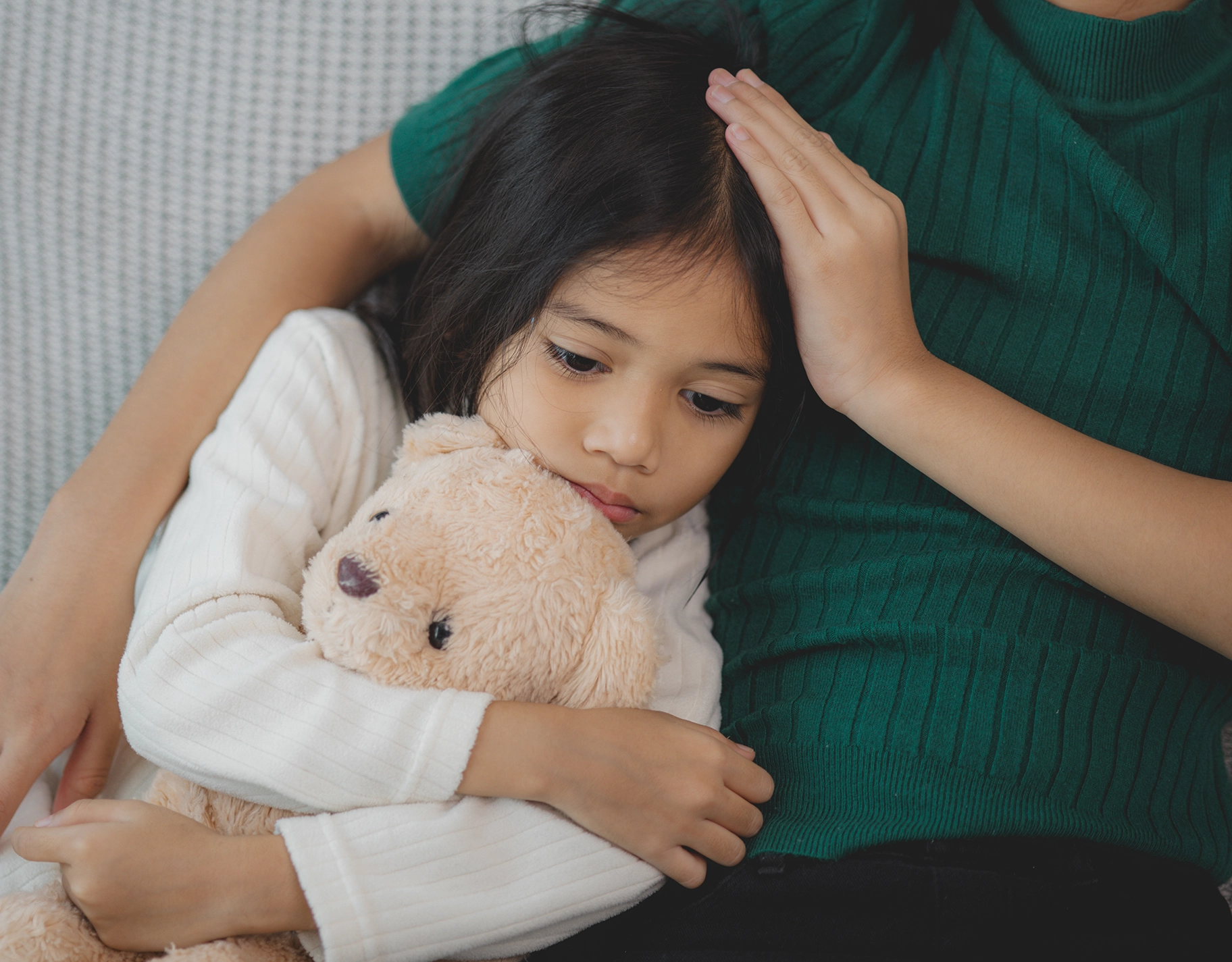
Before the start of classes, Education Secretary Sonny Angara met with stakeholders — including civic organizations, education experts, and community leaders — to address the rising issue of bullyingBullyingRepeated, intentional harm toward another child through words, actions, exclusion, or online posts. Parents can help by listening without blame, documenting incidents, talking with the school, and reminding their child in schools.
According to data from the Department of Education, there were 2,500 reported bullyingBullyingRepeated, intentional harm toward another child through words, actions, exclusion, or online posts. Parents can help by listening without blame, documenting incidents, talking with the school, and reminding their child cases in the National Capital Region alone during the 2024–2025 school year.
Persistent bullyingBullyingRepeated, intentional harm toward another child through words, actions, exclusion, or online posts. Parents can help by listening without blame, documenting incidents, talking with the school, and reminding their child — especially when left unaddressed — is a known risk factor that can contribute to depression, anxiety, and suicidality, particularly among youth.
In 2024, according to Mental HealthMental HealthA person's emotional, psychological, and social well-being, which affects how children and parents think, feel, and cope. Open conversations, regular routines, and timely help from professionals make it easier for PH, reports showed that an average of 40 suicide cases per month occurred in the Philippines, with many victims under the age of 30. The Department of Health corroborated these findings, stressing the urgent need for community-based mental healthMental HealthA person's emotional, psychological, and social well-being, which affects how children and parents think, feel, and cope. Open conversations, regular routines, and timely help from professionals make it easier for interventions.
Changing the Narrative
Continuing from 2024, this year’s global campaign once again centers on the theme: “Changing the Narrative on Suicide.” According to the IASP, the campaign: “Aims to raise awareness about the importance of changing the narrative surrounding suicide and transforming how we perceive this complex issue.”
“It’s about shifting from a culture of silence and stigma to one of openness, understanding, and support,” the IASP added. “It means advocating for policies and legislation that prioritize mental healthMental HealthA person's emotional, psychological, and social well-being, which affects how children and parents think, feel, and cope. Open conversations, regular routines, and timely help from professionals make it easier for, increase access to care, and provide support for those in need. It means investing in research to better understand the complexities of suicide and develop evidence-based interventions.”
A National Tragedy
In July, the Philippine National Police (PNP) raised alarm over the surge in suicide cases across the country. Former PNP Chief Gen. Nicolas Torre III reported that from January to June 2025, nearly 2,000 Filipinos died by suicide.
Investigations revealed that several of these individuals had experienced both physical and online bullyingBullyingRepeated, intentional harm toward another child through words, actions, exclusion, or online posts. Parents can help by listening without blame, documenting incidents, talking with the school, and reminding their child, further emphasizing the link between abuse and mental healthMental HealthA person's emotional, psychological, and social well-being, which affects how children and parents think, feel, and cope. Open conversations, regular routines, and timely help from professionals make it easier for crises.
In August, Antipolo Bishop Ruperto Santos addressed the issue in a radio interview, calling the rise in suicide cases a “national tragedy.”
“Every suicide is a national tragedy that we must work together to prevent,” he said. “The suffering of the mind and spirit must be treated with as much compassion and urgency as the wounds of the body.”
The bishop also urged the government to approach mental healthMental HealthA person's emotional, psychological, and social well-being, which affects how children and parents think, feel, and cope. Open conversations, regular routines, and timely help from professionals make it easier for not only with policy but with empathy: “Let us respond not only with policies but with compassion… Mental wellness is not a privilege — it is a right.”
What Parents Can Do
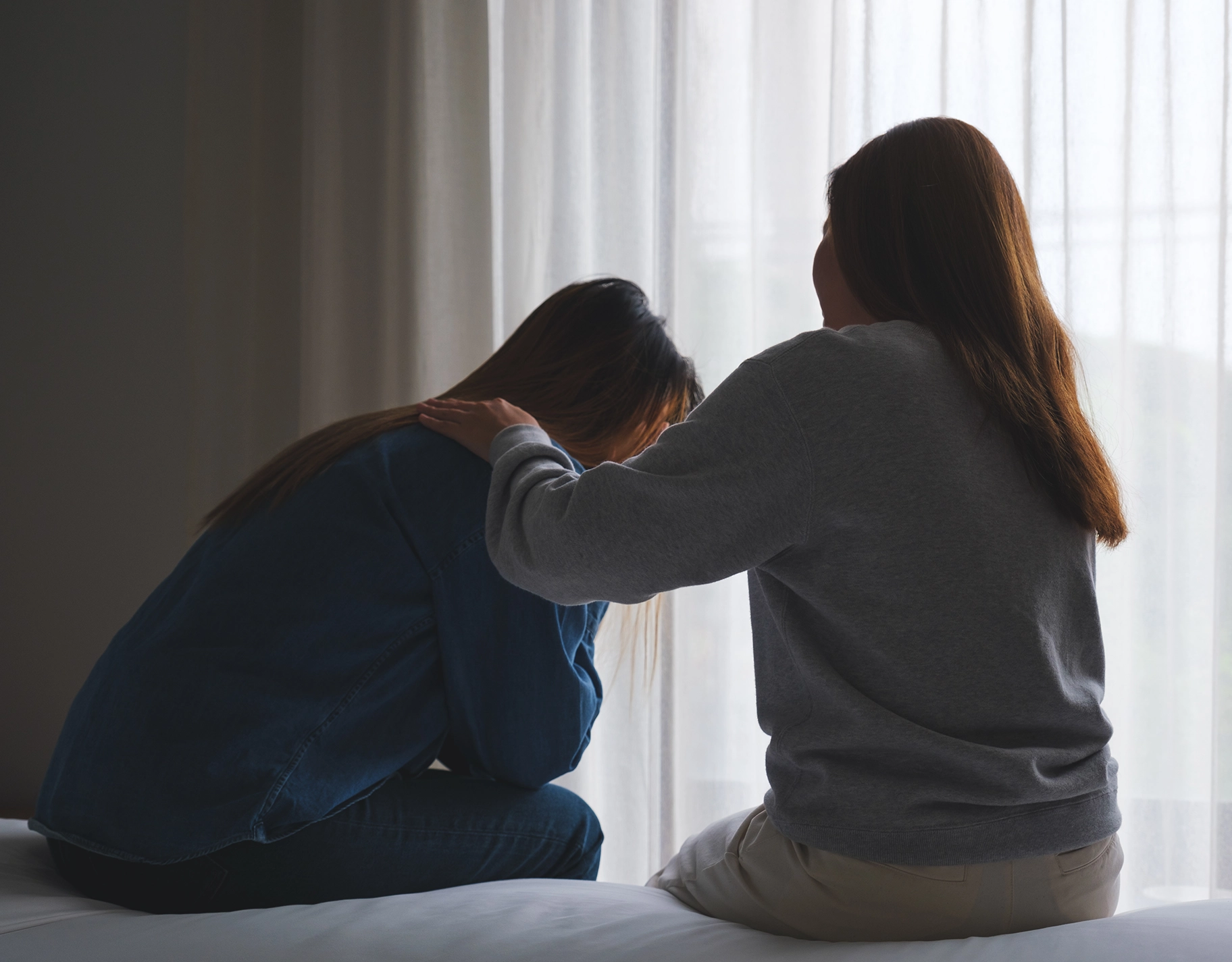
As the country faces this growing mental healthMental HealthA person's emotional, psychological, and social well-being, which affects how children and parents think, feel, and cope. Open conversations, regular routines, and timely help from professionals make it easier for crisis, families must play an active role in prevention. Here’s how you can help:
- Observe behavioral changes — Withdrawal, mood swings, or declining performance at school could be red flags.
- Create a safe space — Make your home a judgment-free zone where emotions are heard, not dismissed.
- Be present — You don’t always need the right words; just being there matters.
- Encourage open communication — Let your child know it’s okay to talk about emotions, stress, and even dark thoughts.
- Seek professional help early — Don’t wait for a crisis. Therapists, counselors, and mental health hotlines are here to support both children and parents.
Every Story Matters
Every life lost to suicide is one too many. And every story is worth hearing. Listen without judgment. Take your loved one’s mental struggles seriously — your empathy could save a life.
If you or someone you know is struggling, help is available. Here are some trusted mental healthMental HealthA person's emotional, psychological, and social well-being, which affects how children and parents think, feel, and cope. Open conversations, regular routines, and timely help from professionals make it easier for organizations and hotlines:
- MentalPH.org
- Philippine Mental Health Association
- National Center for Mental Health Crisis Hotline: 1553 or 0917-899-8727
- Hopeline Philippines: 0917-558-4673
- Mental Health Matters
Don’t be afraid to speak up. By sharing your story, reaching out, or simply being there for someone else, you are already saving a life.
More on Mental Health and Suicide Prevention
Changing The Narrative On World Suicide Prevention Day
How Parents Can Help When Their Kids Are Suicidal
Mental Health Begins Within the Family