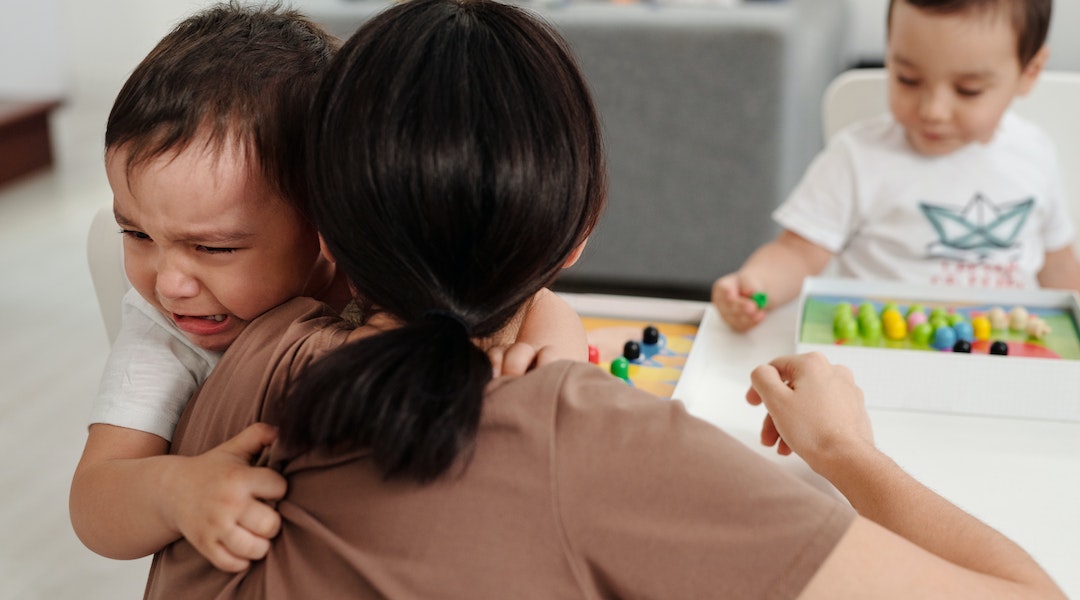
Why The Traditional Filipino Way of Punishing Kids Won’t Work



Punishing kids can sometimes help us meet our needs at the moment. But it won’t help us in the long run.
Traditional Filipino families tend to use punishment to disciplineDisciplineTeaching a child self-control and acceptable behavior through guidance rather than fear. Effective discipline is consistent and calm, explains the reason for a rule, and uses consequences that fit the their children. Spanking, pinching, or even standing in a corner. These are typical ways of punishing kids for not following what they are told to do. However, while punishment can sometimes help us meet our needs in the short term, it tends to create more resistance and conflict in the long run.

Why punishing kids isn’t effective
Forming a connection with our children is our most powerful tool as parents. When our children become too old to be punished or put on time-outTime-OutA short break from an activity that helps a child calm down after misbehavior. It works best when brief, calm, and consistent, with one minute per year of age and, the depth of our connection will determine the depth of our influence.
Moreover, punishment only teaches kids to obey out of fear. And according to Nancy Samlin, author of Love and Anger: The Parental Dilemma, “a child who obeys out of fear will only do so as long as he or she is scared. A child like this never develops an internalized sense of right and wrong without being policed by a more powerful authority figure.”
Additionally, when kids outgrow their fear of us, they’ll have little reason to listen to us. Punishing only teaches them what not to do when what they need to know is what to do instead!

How to form better connections with our children
Forming a deep connection with our kids sounds great in theory. But it’s a lot more challenging to execute or practice. One way is to familiarize ourselves with gentle parenting. According to a Filipino child developmentChild DevelopmentThe steady growth of a child's physical, language, thinking, and social skills from birth through adolescence. Each child moves at a personal pace, so regular checkups and play-based activities help coach, Bloss Villafuerte, gentle parentingGentle ParentingAn approach built on empathy, respect, understanding, and firm boundaries. Instead of punishment, parents acknowledge feelings, set clear limits, and guide behavior with calm explanations, aiming for cooperation rather than is “a parenting style that establishes mutual respect between the child and the parent. With this approach, parents respect the child’s interests, choices, and readiness—rather than imposing or demanding expectations.”
Another is to create a space we need to respond calmly and consistently. This can help us hold our limits without pleading, shaming, or punishing our kids. It takes a great deal of patience but will definitely benefit our relationships.
Let’s normalize the conversation on these topics:
Why This Family Decided to Only Have One Child