3 Common Breastfeeding Problems That Moms Face



Breastfeeding benefits go a long way for both infants and mothers. But some first-time moms face common breastfeeding problems that experts hope to address.
Generations of women have been told that breast milk is the best food to give to a baby. “Safe, clean, natural, and free. Breast milk contains the right amount of carbohydrates, protein, and fats. Plus, it has essential vitaminsVitaminsNutrients such as vitamin A, C, D, and iron that support growth and immunity. Most children get them from a balanced diet, and parents should ask a pediatrician before giving, minerals, and antibodies needed for your baby’s development and protection against diseases,” says Patricia Florestine Kho, MD, from the Obstetrics and Gynecology department of Makati Medical Center.
Benefits of Breastfeeding
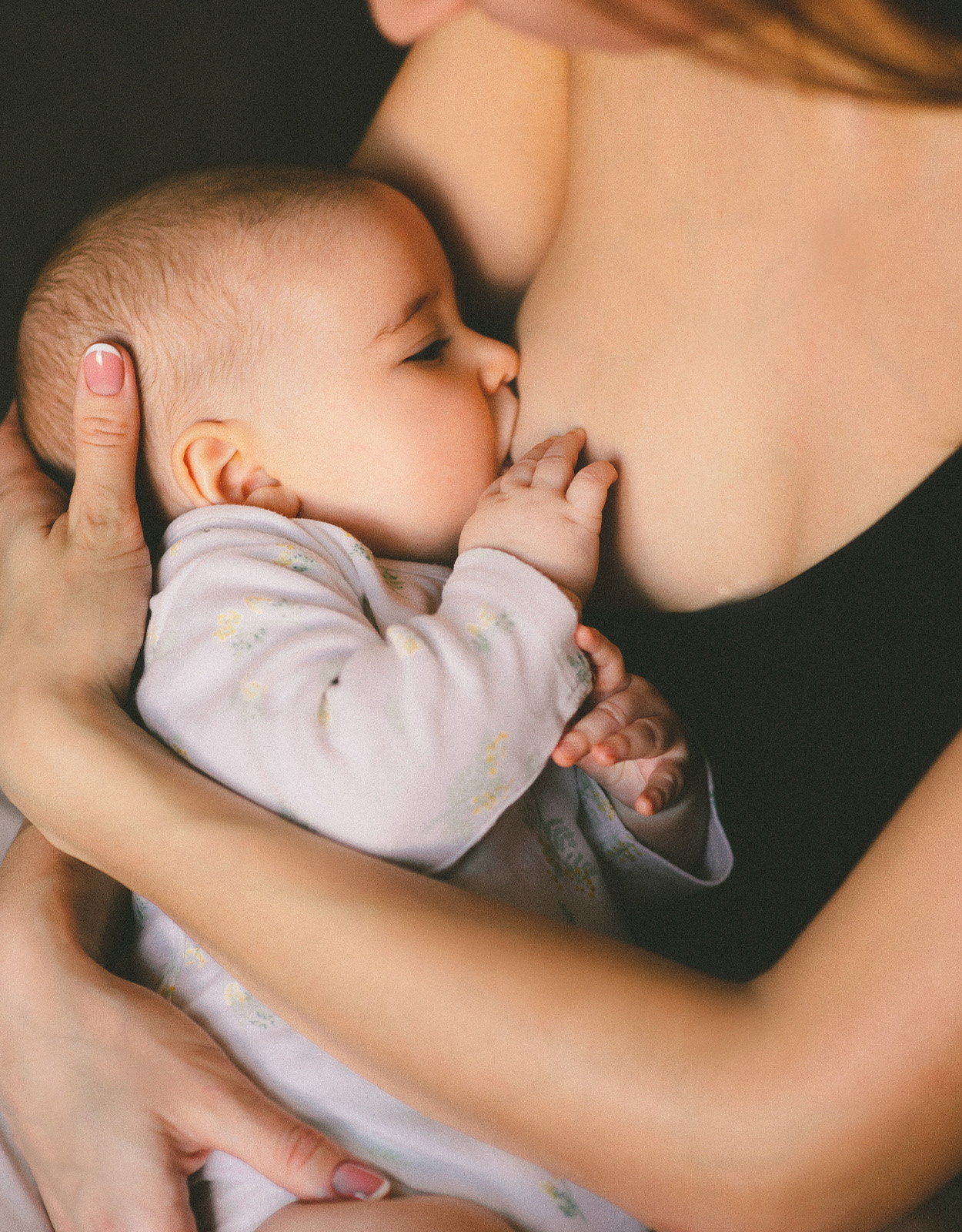
Children who are breastfed are less likely to be obese, diabetic, and asthmatic. Moreover, they experience less ailments like ear infections, respiratory tract infections, and upset tummies. They also grow up smarter, as evidenced by their high scores on intelligence tests. As for moms, breastfeedingBreastfeedingFeeding a baby with milk from the mother's breast, recommended by health authorities as the sole food for about the first six months. It supports immunity and bonding, and Philippine lowers their risk of developing high blood pressure, heart disease, arthritis, type 2 diabetes, and breast and ovarian cancers. And because it burns calories, breastfeedingBreastfeedingFeeding a baby with milk from the mother's breast, recommended by health authorities as the sole food for about the first six months. It supports immunity and bonding, and Philippine contributes to post-pregnancy weight loss!
Yet for all its advantages and the numerous laws in place to encourage breastfeeding, the exclusive breastfeedingBreastfeedingFeeding a baby with milk from the mother's breast, recommended by health authorities as the sole food for about the first six months. It supports immunity and bonding, and Philippine rate in the Philippines is a mere 34%. This is according to a University of the Philippines report.
“Mothers will tell you that breastfeedingBreastfeedingFeeding a baby with milk from the mother's breast, recommended by health authorities as the sole food for about the first six months. It supports immunity and bonding, and Philippine hurts or that they can’t produce milk,” says Dr. Kho. “Others say they are too exhausted to breastfeed after a long day at work.”
Still, breastfeedingBreastfeedingFeeding a baby with milk from the mother's breast, recommended by health authorities as the sole food for about the first six months. It supports immunity and bonding, and Philippine advocates are not giving up. And with government support through the promotion of breastfeedingBreastfeedingFeeding a baby with milk from the mother's breast, recommended by health authorities as the sole food for about the first six months. It supports immunity and bonding, and Philippine programs and maternity protection in the workplace, plus the expertise of breastfeedingBreastfeedingFeeding a baby with milk from the mother's breast, recommended by health authorities as the sole food for about the first six months. It supports immunity and bonding, and Philippine counselors within reach, they hope to bring the number up to at least 50% by 2025. The World Health Assembly has set this goal.
Hospitals like Makati Med encourages the practice of this most natural, nutritious, and beneficial means to nourish infants. By offering solutions to mothers’ most common breastfeedingBreastfeedingFeeding a baby with milk from the mother's breast, recommended by health authorities as the sole food for about the first six months. It supports immunity and bonding, and Philippine problems.

Common Breastfeeding Problems
“I don’t produce enough breastmilk.”
Polycystic ovary syndrome, diabetes, and thyroid or hormonal problems have been known to interfere with the production of breastmilk. These, as do stress, dehydration, weight loss, obesity, and certain medications (contraceptives and cold medicine).
Otherwise, health experts describe the production of breastmilk as a matter of supply and demand. “The more you breastfeed or pump, the more milk you produce,” Dr. Kho explains. “Try breastfeedingBreastfeedingFeeding a baby with milk from the mother's breast, recommended by health authorities as the sole food for about the first six months. It supports immunity and bonding, and Philippine every two to three hours, or at least eight times a day. This way you empty your breasts to encourage milk production and sustain lactationLactationThe process by which a mother's body makes and releases breast milk. Frequent feeding or pumping, good hydration, rest, and support from a lactation consultant help maintain supply, and mothers. Nurse baby from one breast to the other and compress your breast as baby suckles to facilitate milk flow.”
“Breastfeeding hurts.”
Nursing a baby may be a unique bondingBondingThe emotional connection that forms between parent and child through touch, eye contact, voice, and responsive care. Skin-to-skin time, feeding, and simply talking to a baby all strengthen it, and experience between mother and child. But when your nipples end up painful, sore, and cracked, the last thing you want is to spend time with your little one. “Consult your doctor or a lactationLactationThe process by which a mother's body makes and releases breast milk. Frequent feeding or pumping, good hydration, rest, and support from a lactation consultant help maintain supply, and mothers specialist on the proper way for your baby to latch,” Dr. Kho advises. “Inverted or flat nipples may pose challenges in breastfeedingBreastfeedingFeeding a baby with milk from the mother's breast, recommended by health authorities as the sole food for about the first six months. It supports immunity and bonding, and Philippine and can lead to breast pain. And these health experts can advise you on how to ease the pain.”
To relieve sore nipples, gently massage the sensitive area and place a warm heating pad or washcloth on your breast before feeding. (READ: 6 Best Nipple Cream for Breastfeeding According to Moms) Put a cool compress over it after feeding. “Also, find a place and position where breastfeedingBreastfeedingFeeding a baby with milk from the mother's breast, recommended by health authorities as the sole food for about the first six months. It supports immunity and bonding, and Philippine is comfortable for you and baby,” adds Dr. Kho. “Use pillows and footstools for extra support.”
“I’m tired.”
After a long day at work or managing your household, you deserve some “me” time. “It’s perfectly normal for moms to want to check out temporarily from parenting duties to rest and recharge,” says Dr. Kho. “But they can still feed the baby on time by pumping or hand expressing their breastmilk then storing what they collected until it’s time to feed.”
According to the Makati Med health expert, breastmilk lasts up to eight hours at room temperature, from one to eight days at 2°C-4°C in the fridge, and for three months inside a 2-door freezer.
“While you are producing breastmilk, take advantage of its many health benefits for your baby,” is Dr. Kho’s message to moms. “We only want what’s best for our children, and they have everything to gain from nature’s ‘perfect food.’”
Read more stories to help with breastfeedingBreastfeedingFeeding a baby with milk from the mother's breast, recommended by health authorities as the sole food for about the first six months. It supports immunity and bonding, and Philippine problems:
How to Make Co-Sleeping Safe if You’re a Breastfeeding Mom
Did You Know That Pregnancy and Breastfeeding Can Affect a Mom’s Eyesight?
What These Moms Have to Say About The Challenges of Breastfeeding