‘May Huli Ka?’: How Parents Can Use The New MMDA Website



With the No-Contact Apprehension Program (NCAP) in full swing, here’s how parents can use it
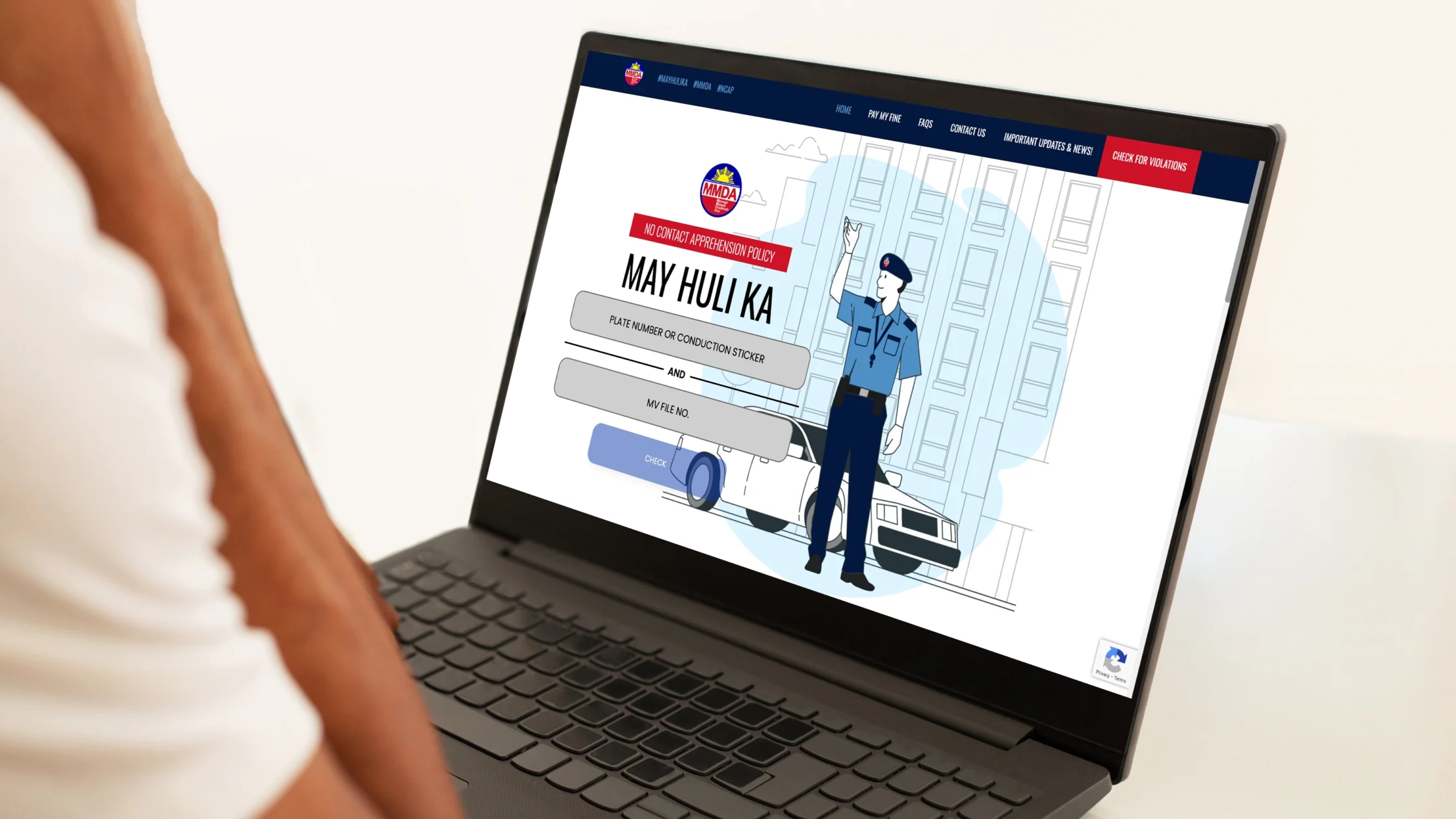
Filipino road culture has been deemed one of the worst in the world. It’s not that we disregard the rules; some tend to bend them into pretzels rather than breaking them. Considering how the roads are designed also, some of us are eventually “forced” into situations that require breaking the rules. Of course, the police can’t chase everyone, which is what the No-Contact Apprehension Program (NCAP) was designed for. Filipino drivers would be more inclined to pay attention to the rules of the road especially with the launch of the new MMDA website: ‘May Huli Ka?’
How Does The New MMDA Website Work?
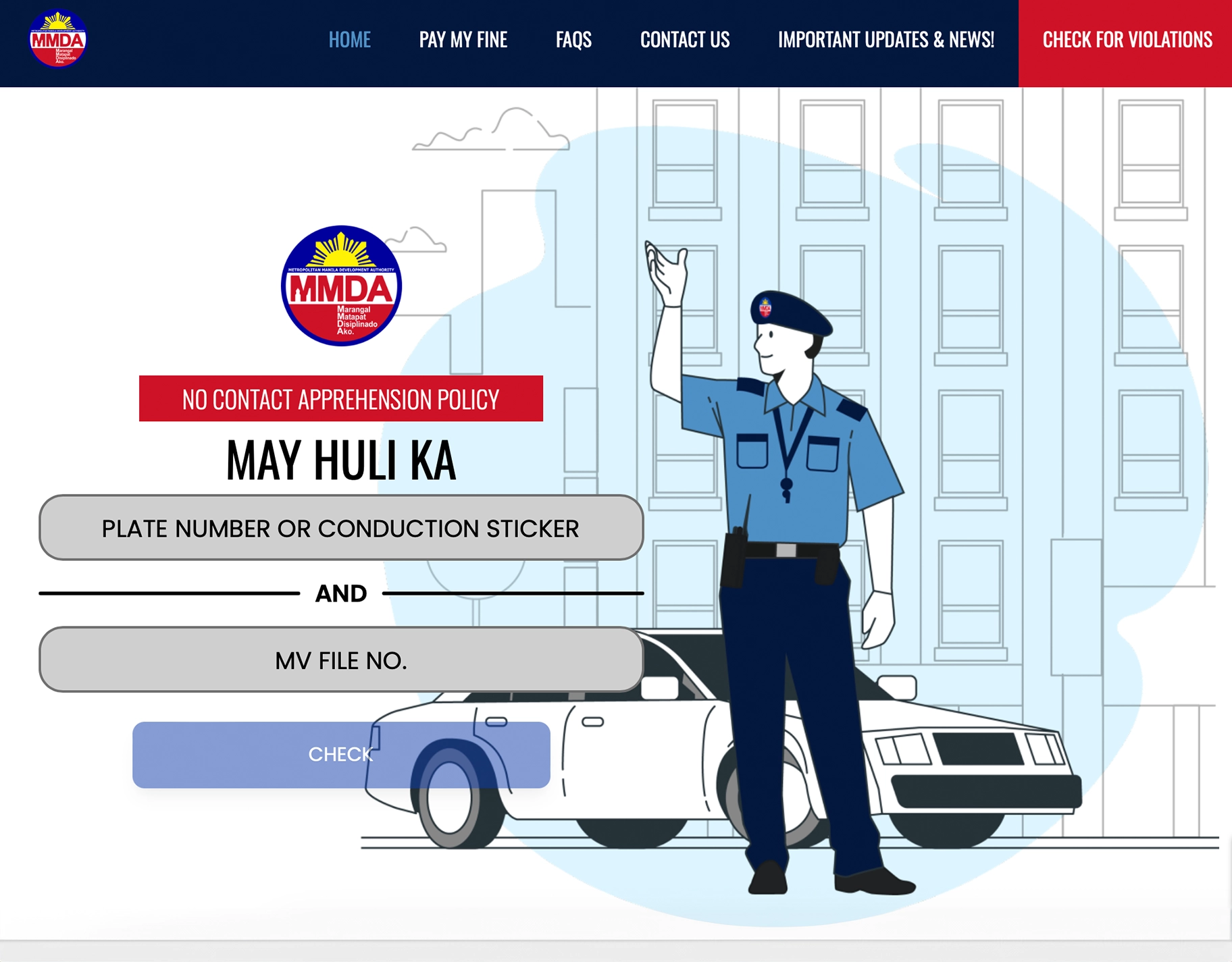
When entering the website, it’ll ask for two kinds of information: plate number and the MV File No. Now, plate numbers are easy to memorize. It’s usually just six to eight alphanumeric figures that are plastered on the car’s plate. These plates can be placed anywhere on the car so long as they’re visible. Hiding the plate number is considered illegal under Republic Act No. 4136.
Now, the MV File Number is something we rarely hear about unless we’re the ones doing the car registration. The MV File Number is usually found on the OR — the paper with the blue logo of the LTO. While we renew the car’s Official Receipt (OR) every year, the MV File No. never changes throughout the car’s lifetime. We probably did use it once; when we buy a new car, the MV File No. serves as our plate number for the fifteen-day grace period before we finally get our plate.
Simply input both in the boxes, and it’ll check if there are any violations.
Why Need Both?
It may be tedious to know both the plate number and the MV File Number, but doing so makes it easier to track down the car. Some people are in the buy-and-sell car business, so ownerships can change. There’s also making sure that the car’s actually ours and not the by-product of some sketchy or shady deal. However, that was the complaint of some car owners: what if we have a driver and they get caught by the NCAP? Who gets penalized — the vehicle owner or the driver?
The ‘May Huli Ka?’ website doesn’t track all violations
The No-Contact Apprehension Program (NCAP) only catches rule-breaking on major roads. EDSA, Ortigas, Commonwealth Avenue, Roxas Boulevard, C-5 are just some of the roads that have it. The program doesn’t extend it to all roads, as some of those tiny alleys (or eskinita) are difficult to monitor. Those are usually residential areas or areas where AI can’t judge properly.
So, if we do get caught by an MMDA, that’s a separate violation. Usually, that appears on the LTO website in the form of “demerits.” The more demerits we have, the higher the chances of getting our license revoked or deemed a road hazard.
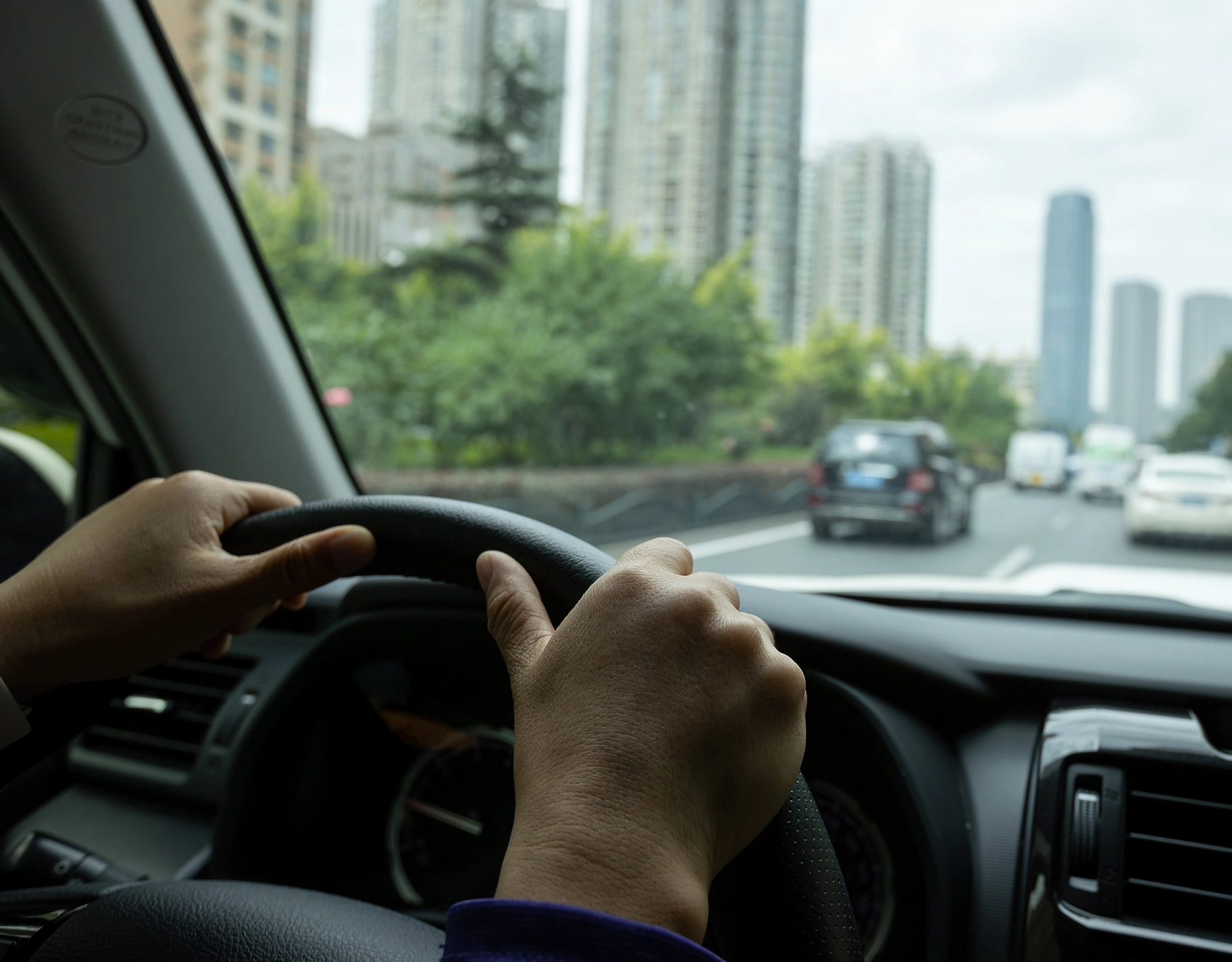
While driving makes one more independent, it’s a privilege
Some of us may have grown up with the idea that driving makes us more independent. No need to subject ourselves to the cramp commutes, last rides, and rising commute prices. But there’s more to being able to drive; there’s also knowing how to maintain one and use one. The law even has a term for when someone gets hurt or dies in a car accident: vehicular manslaughter.
While NCAP reminds that there are laws on the road, it’s also good for parents and their kids who drive to remember that every encounter on the road isn’t always there to make our lives miserable. These drivers are either someone’s parent or kid. It may be anxiety-inducing for a short while (the idea that everyone’s watching our every move can be unnerving for some), it’s there to reduce a good amount of encounters that make parents and drivers succumb to road rage.
More about road safety?
May Is Road Safety Awareness Month, But Accidents Persist
Driving Etiquette: Mastering Metro Manila’s Road Culture
5 Ways How to Manage Road Rage with Kids in the Car