Dear Families, Please Be Careful In Referring To AI



Artificial Intelligence (AI) may make lives easier, but not everything it says is 100% correct or true
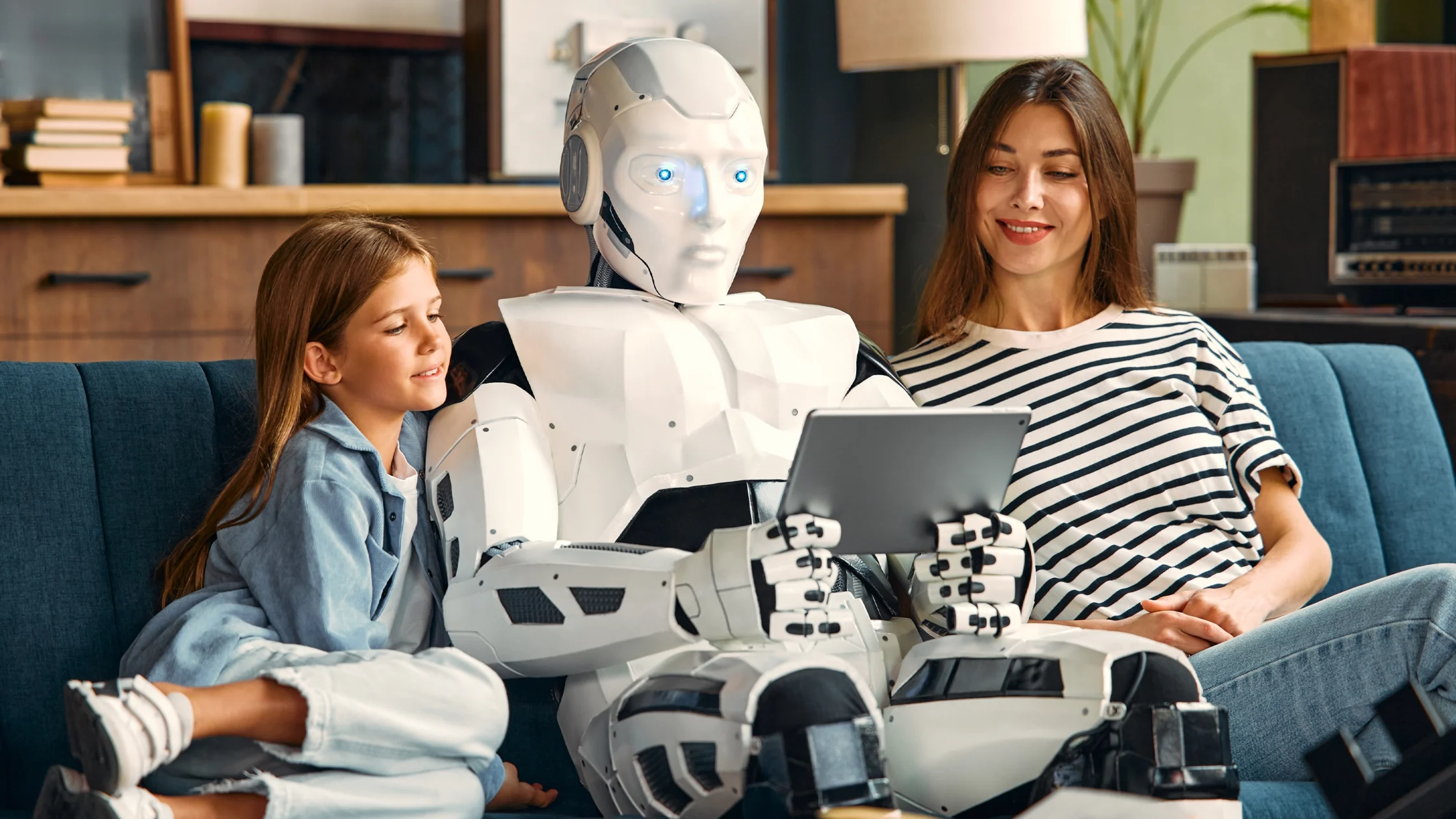
Artificial Intelligence (AI) has seamlessly fit into our lives. From turning our home lights off and on to crafting social media posts with flawless grammar, it has made everyone’s lives easier. However, many developers have been warning that artificial intelligence (AI) still can’t be used for everything. And to insist on a reality that AI can replace humans goes against what AI was purposely designed for.
So how can families properly refer to Artificial Intelligence (AI)?
It’s easy to be blinded by AI’s benefits
We love the time, effort, and sometimes, money AI saves us. Many of us rely on AI to run our home businesses, leaving it to the latter to sort our emails, handle marketing, and calculate for costs. It’s like we have two brains; one does the time-consuming but menial tasks while the other focuses on raising the kids and making happy memories with them.
However, parenting can also burn us out. So even with AI doing all the work for us, we sometimes choose to distance ourselves fron our kids and retreat to the screen for some “me time.” But don’t worry, it happens to the best of us too! Sometimes, the mental silence is simply too appealing.
And losing that mental load? It’s too relaxing to not get addicted to it.
However, AI still has its limits
Despite AI being able to do everything we tell it do, there’s one thing it’ll never have: genuine human connection. As people, we are always looking for better ways to make money “work” for us so we can focus on the things that truly matter. However, how can we do that when we are so overwhelmed by emotion that we can’t figure out which problem to arrest first?
And as much as we’d like to see a therapist or a psychologists, mental healthMental HealthA person's emotional, psychological, and social well-being, which affects how children and parents think, feel, and cope. Open conversations, regular routines, and timely help from professionals make it easier for visits are pricy. With the base rate at an average being PHP 2000.00/hr (that’s without the prescribed medicines), it’s equally to difficult to maintain when those services are not covered by health insurance companies. So, what do we do? We turn to Artificial Intelligence — a brain that can never be overwhelmed by emotion.
These kinds of situations have been happening at an alarming rate. In a survey, over 22% out of 1,500 adults in the United States have been referring to AI as therapists. However, many have repeated the dangers of doing so, especially as it “enables” or validate all sorts of thoughts — including the harmful ones. In a report from Bloomberg, a mother in Florida even filed a case against the AI’s developers. One that blamed the developers for her son’s suicide.
Other ethical issues surrounding AI
Besides using it as a therapist, some have used AI as medical doctors. Due to fear of medical costs, some would instinctively look for Dr. Google which we believe is far cheaper. But cheaper doesn’t always mean better; like Google, AI can only gather and sort information based on the words we provide it. It doesn’t rely on blood tests and other things which are far better in confirming than typing words onto the screen.
Then, some use AI to create art and sell it. Many artists — some of which may be our kids who join bazaars and the like to promote their art — have been discouraged by the speed that AI produces it and also disappointed by people’s acceptance of low quality. Whereas, they push themselves to the limit and endlessly swallow criticisms, one after the other, to improve their technique.
AI should never substitute human thought
There’s nothing wrong with using AI. If it gets the job done faster on such a short notice that is humanly impossible, then that’s okay. But to use it to completely “replace” processes just to reduce human elements in the name of costs and error is more damaging in the long run that it is useful. We leave ourselves with a cognitive debt. We’re more prone to no longer trying because we just say, “Yeah, AI can do it for me.” It still doesn’t offer comparisons.
So how can we refer to AI properly? Here’s how:
- Remember that the correctness of AI’s knowledge is limited by the person/developer that trained it.
- Remind oursleves AI cannot make moral decisions nor anything involving the mind and spirit because it’s not sentient.
- AI can only mimic processes, not build or improve on them because improvements are not always measured via face value (AKA the data we prompt it with).
So, dear families, please be careful when referencing AI. Not all it says is true.
More about tech and AI?
Maez De Guzman: Weaving Tech Into The Home
Here’s What Every Parent Needs to Know About AI Art
The Cognitive Debt: Why Families Shouldn’t Be Too Reliant On AI