Two Moms Share A Glimpse Of A Montessori Home



While “Montessori” is a familiar name in education, Karen Pacia and JC Echiverri-Cellones reveal how it’s also becoming a guiding light at home
“What does a Montessori-based home look like?” It’s a question many parents are asking today. While Montessori schools are known for their calm, child-led environments, not everyone realizes the approach can be embraced within the walls of a family home.
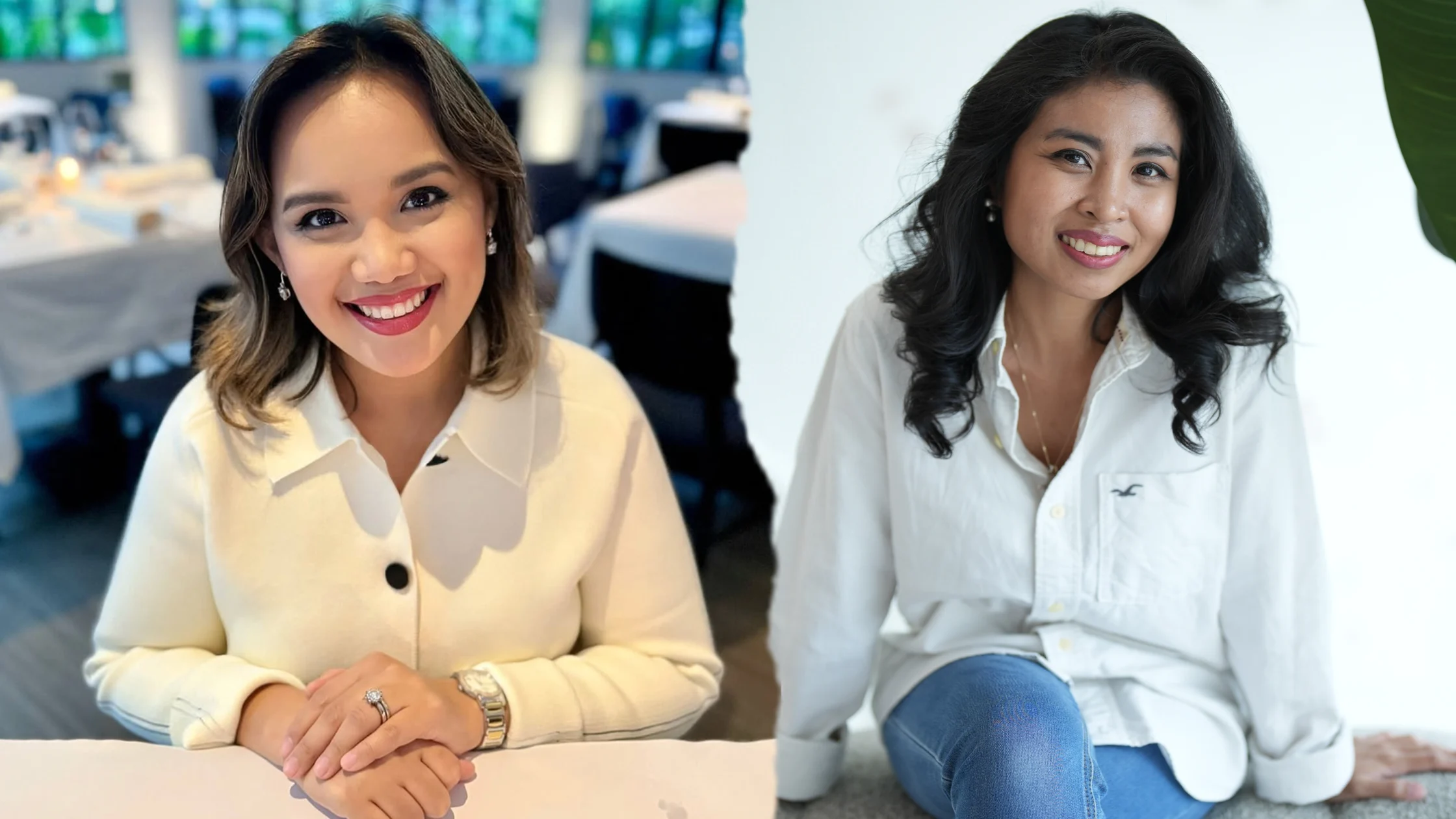
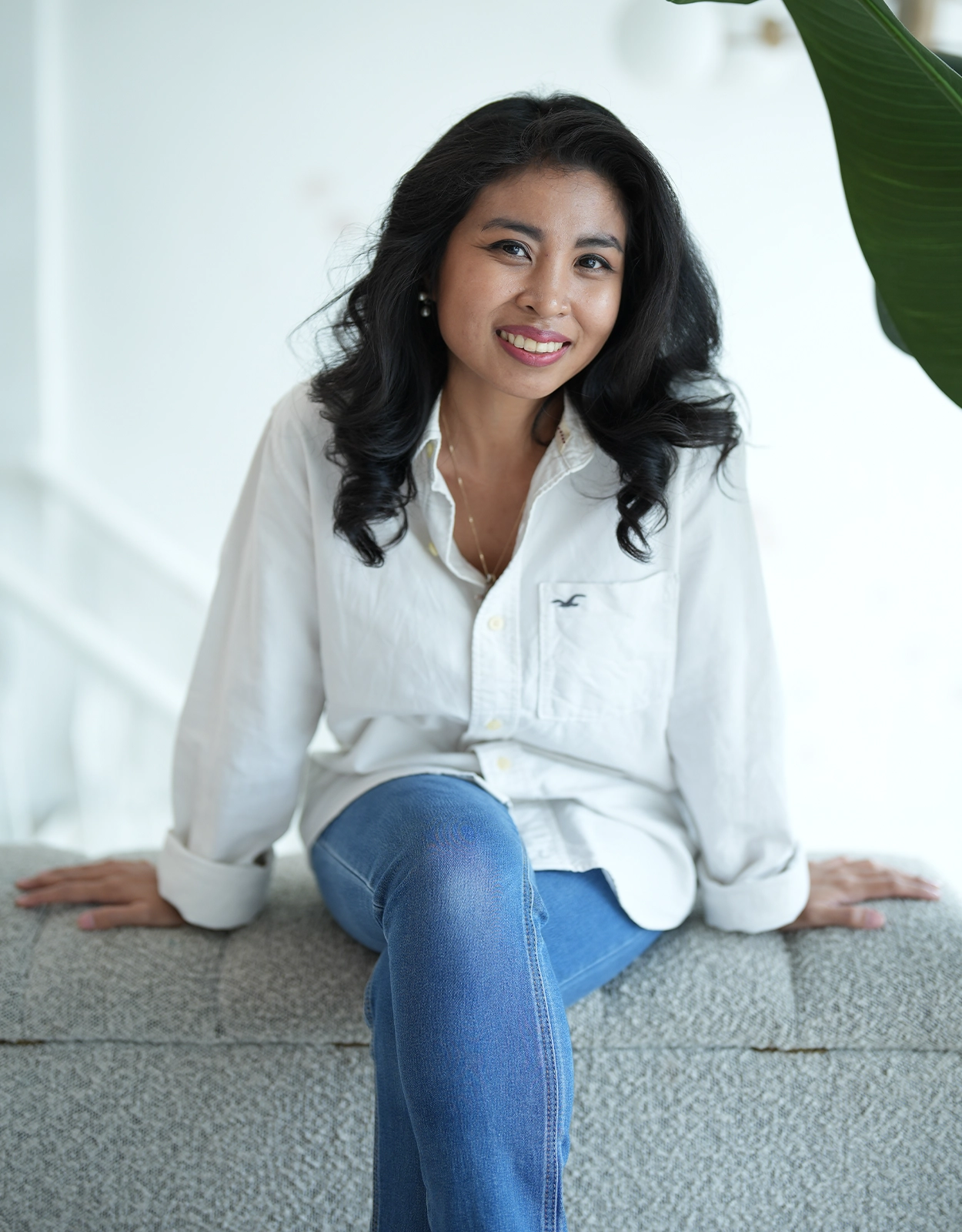
Karen Pacia and JC Echiverri-Cellones—both working moms of two—are living proof that the Montessori way can start simply and grow meaningfully. Karen first noticed its transformative power with her daughter, Kara (9), and her son, Andy (6). JC felt the same shift while raising her boys, George (9) and Luke (7).
“It’s a lifestyle you live daily,” Karen shares. “We follow their lead, avoid rushing or comparing, and treat the child as the curriculum. The result? Joyful, curious children who genuinely love learning.”
JC adds, “Montessori’s main philosophy is ‘follow the child’—and for me, that’s rooted in faith. Since children are gifts from the Lord, I see parenting not as molding, but as unfolding. My role is to discover and nurture who they already are.”

Thriving Without Labels
However, life thrives because of categories. It helps keep things organized and neat. And while it helps adults make sense of what they should do, it’s not something a child can completely benefit from, according to the Montessori way. Sure, it can assuage those who have anxiety because there’s an end goal. But for Karen, labels add unnecessary pressure to her kids.
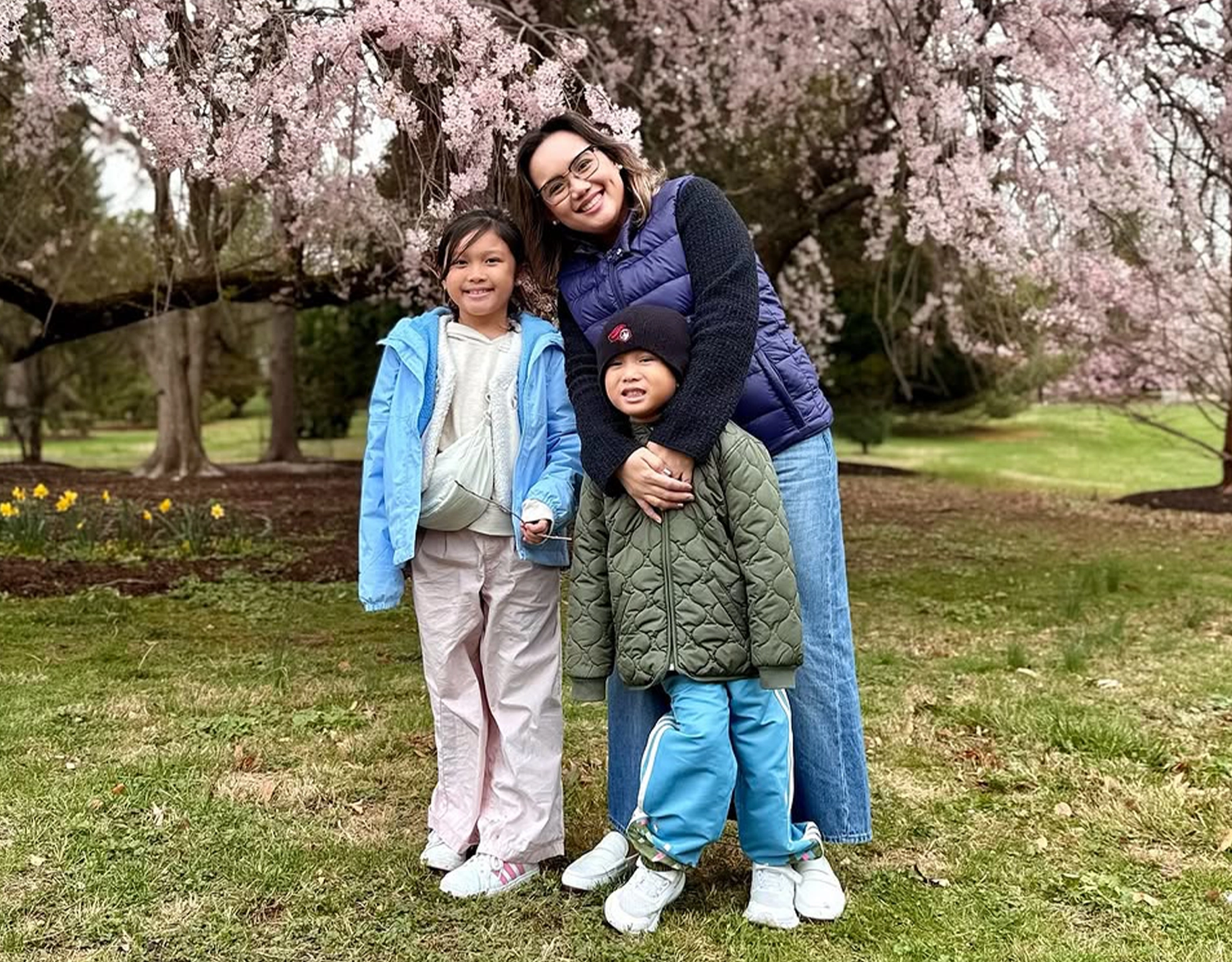
“Think about it: when we casually refer to one child as “the athletic one” or “the good eater,” we’re not just describing—we’re also implying something about the other child. If one is “the athlete,” does that mean the other isn’t? If one is praised as “the good eater,” does the other feel like they fall short?”
When she reflected on her own label-filled childhood, she realized she thrived despite it. Not because of it.
“The beautiful thing is, when we let go of labels, we open up space for each child to grow into who they truly are—at their own pace, in their own way, and in the areas that light them up most,” she explains. “That’s why Montessori resonates so deeply with ‘modern parents’ like me. It honors each child’s individuality and prepares them for life—not just school.”
Like Karen, JC learned how to embrace her children’s individuality when she fell in love with the Montessori Way. “The core for Montessori [It] for me, are the gifts and talents God has placed in their DNA, and my job as their mom is to steward by helping it grow and flourish. So that’s why I fell in love with the Montessori philosophy, because it speaks exactly that. That children are not meant to be treated as dolls but rather to be encouraged in their independence and self, rather than rely on having someone do it for them.”
Living the Montessori Way
While JC was immersed in Montessori from childhood (thanks to her mom, a passionate educator), Karen discovered it later—introduced by her husband in 2017. At the time, Montessori resources were still limited in the Philippines, but an online community of like-minded parents helped bridge the gap. That Facebook group now includes over 24,000 members.
For JC, Montessori is rooted in practical life skills. “It was so exciting to involve my kids in something as simple as mixing pancake batter or slicing a banana. They weren’t watching from the sidelines—they were participating. And that changed everything. It deepened our connection in such a beautiful way.”
Karen admits that choosing Montessori hasn’t always been met with agreement. “I’ve had to field a lot of unsolicited opinions,” she says. “But I’ve learned to trust my own instincts. The ‘right’ approach isn’t what’s popular—it’s what works best for your child, your family, your values.”
Her advice? “Be gentle with your children—and with yourself. This isn’t about perfection. It’s about being open to learning, unlearning, and doing better—together.”
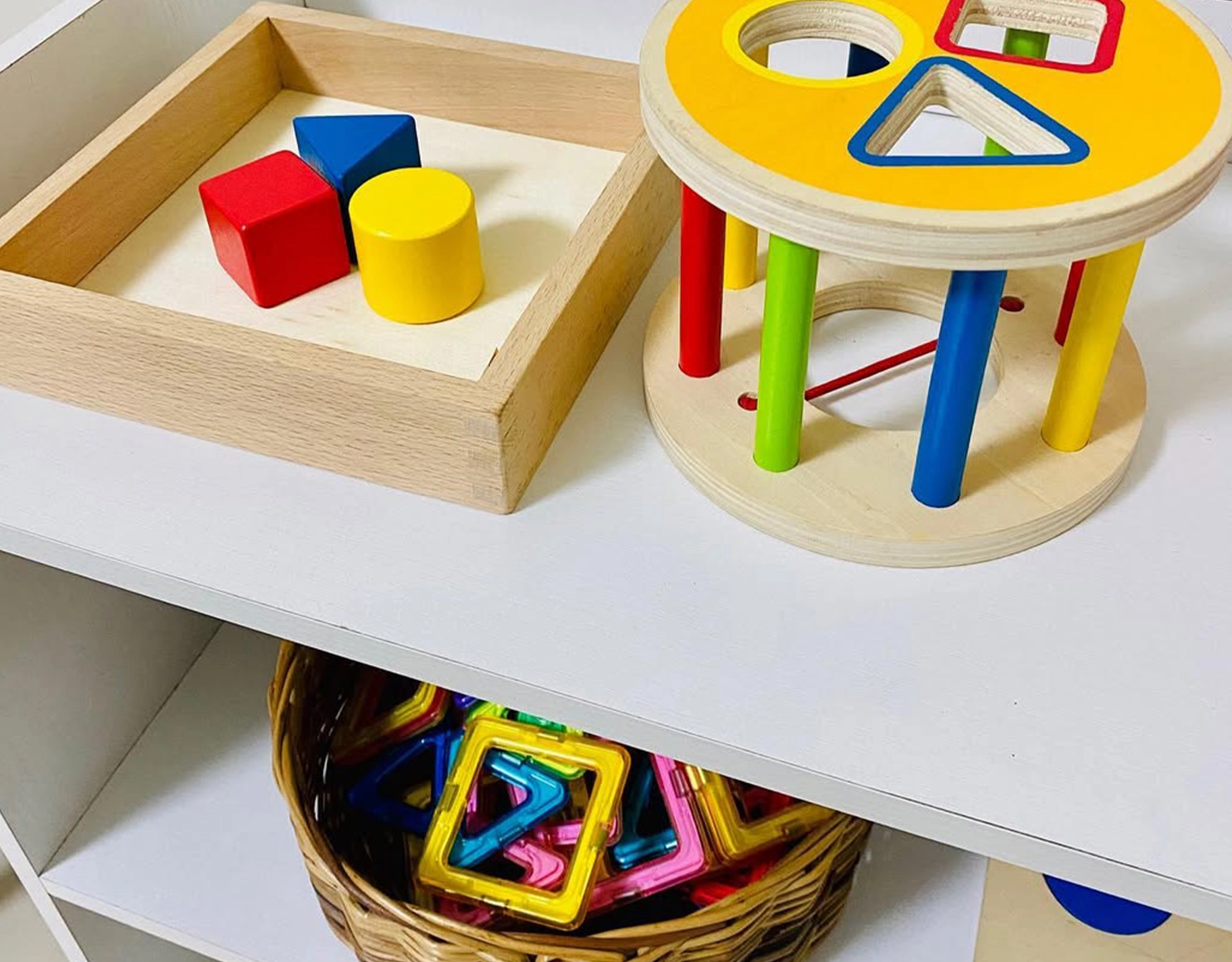
A Glimpse Into The Montessori Home
JC’s Montessori journey began not with materials, but with inner work.
“I had to learn to regulate my own emotions first,” she says. “So I could model that for my kids. And one thing I’ve realized—your partner needs to be on board. If you’re not aligned, the kids get confused. Montessori becomes most powerful when it’s a shared family culture.”
This alignment became especially important during her battle with postpartum depression.
“My relationship with my kids grew shaky. I was in survival mode. I felt frustrated, short-tempered. It was hard,” JC recalls. “But my husband held the line. He stayed consistent with the kids. He was steady when I couldn’t be. Thanks to him, we were able to repair and even strengthen those bonds.”
Karen’s home reflects that same quiet, mindful rhythm. Her kids don’t grumble about responsibilities. They’re independent, grounded, and helpful—a huge blessing when the family travels often.
“The secret?” she says. “It’s language. It’s delivery. We don’t say ‘chores’—we call it family work. Because that’s what it is: all of us caring for our shared space.”
This intentionality extends to emotional regulation, too. When Kara, her eldest, insists on doing things herself, Karen lets her try, fail, and try again.
“Grit isn’t something we demand—we model it,” she explains. “Step back, not away. Embrace the effort. Celebrate the bounce-back. Children don’t need us to fix everything; they need us to believe they can.”
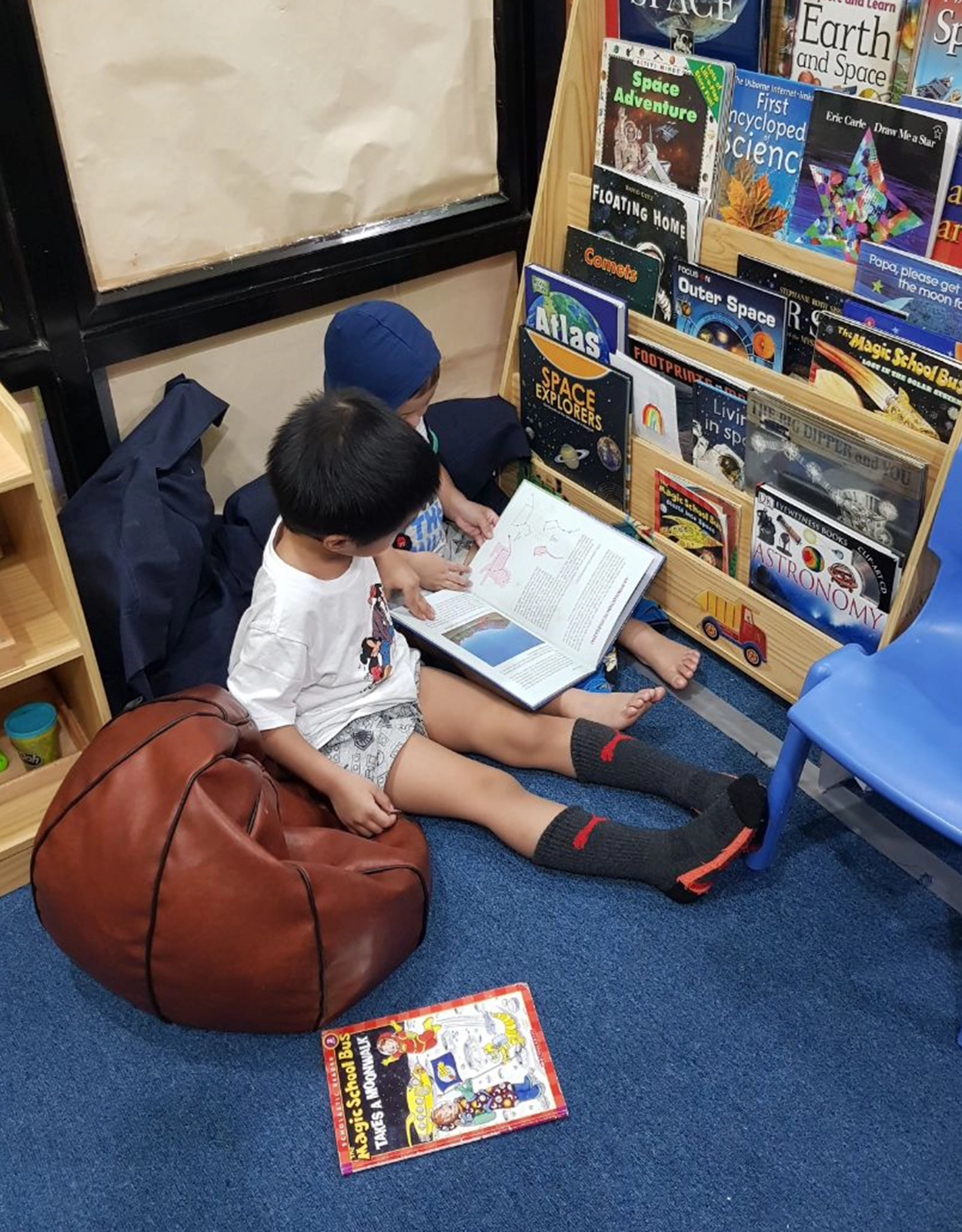
Learning experiences are everywhere!
For both moms, the Montessori method transformed the way they see everyday moments.
“When a child juices an orange or folds laundry, they’re learning—practicing fine motor skills, building independence, developing confidence,” Karen shares. “It’s not just about what they’re doing. It’s about who they’re becoming.”
JC adds that Montessori also reshaped how she disciplines. “I learned to pause. To ask, ‘Do I need a moment? Can I do this with kindness?’ Every challenge became a chance to connect—and that’s the core of both Montessori and gentle parenting.”
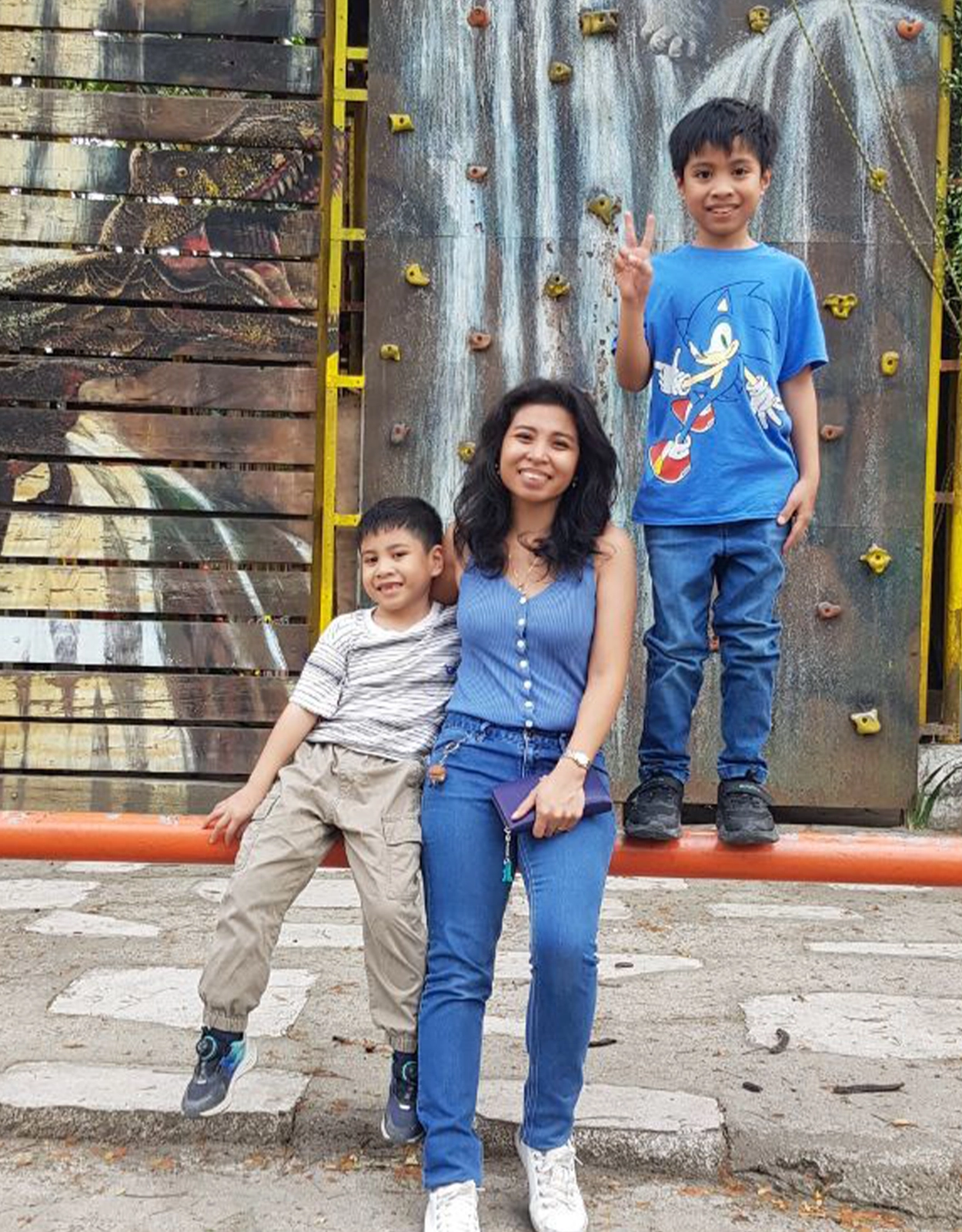
That mindset helped her understand other children, too. “I became more attuned to the reasons behind a meltdown,” JC shares. “Sometimes it’s as simple as not having the words to say, ‘I want a turn.’ When kids can’t express themselves, it’s frustrating—just like it is for us adults. Montessori helped me slow down, listen, and respond with empathy.”
She smiles, “Every Montessori child I’ve met is expressive and confident. Why? Because we’re not trying to change who they are—we’re helping them become more of themselves.”
Karen adds, “Children are naturally joyful. They’re wired for wonder. It’s us adults who forget. Montessori is our invitation to slow down and remember—to find beauty in the small, everyday things.”
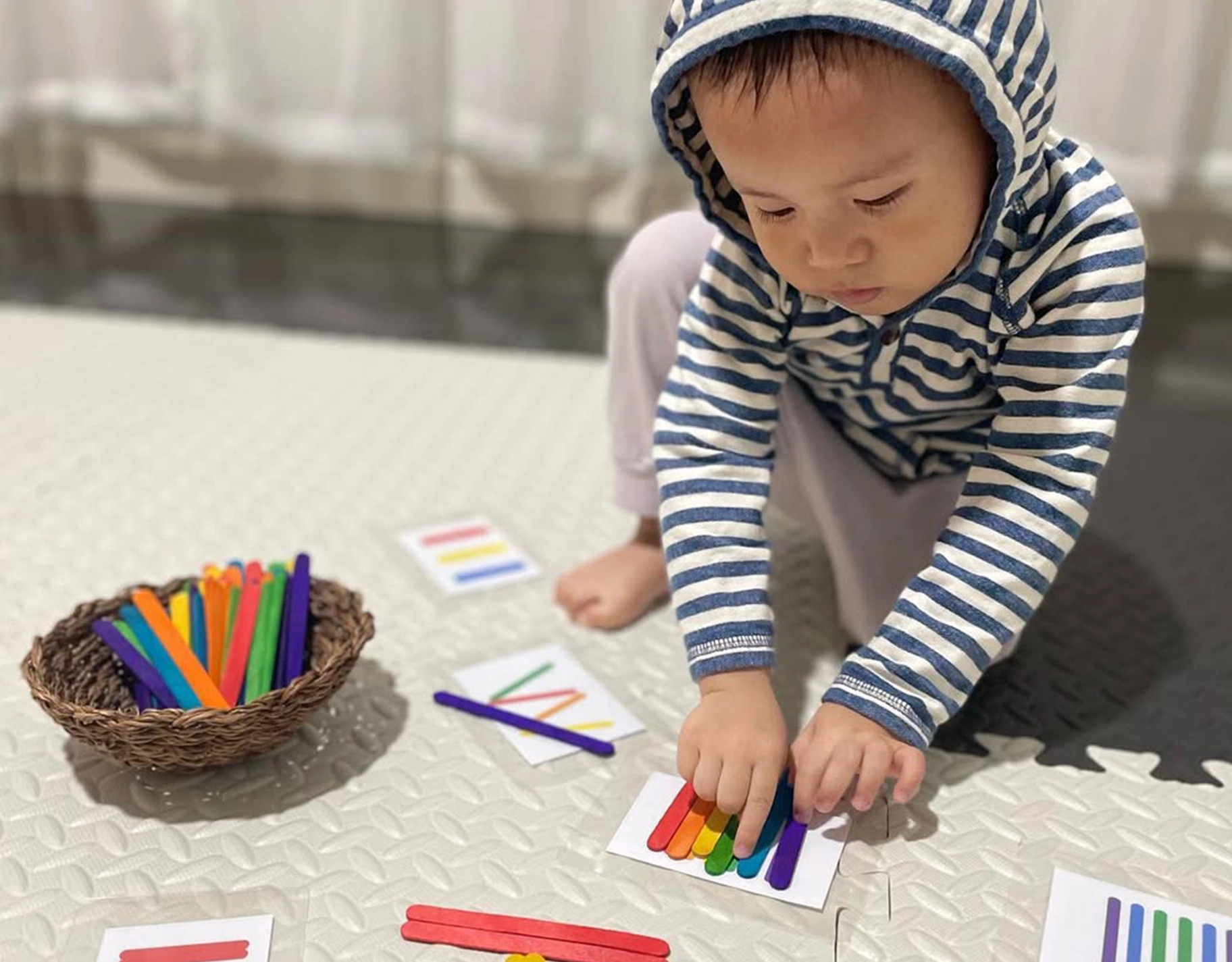
Does the Montessori Way Work with Gentle Parenting?
Absolutely, the moms say—and more than that, they complement one another.
“Montessori nurtures a child’s natural development through hands-on activities and independence,” Karen explains. “Gentle parenting supports their emotional development with empathy and trust. Together, they raise children who feel safe, seen, and capable—inside and out.”
Both philosophies also redefine discipline. Not as punishment, but as learning.
“The word ‘discipline’ comes from discere, which means ‘to learn,’” Karen explains. “It’s about guiding, not controlling. Modeling, not shaming. Children learn best through understanding—not fear.”
JC agrees. “It’s not about saying ‘yes’ to everything. It’s about explaining the ‘why’ behind your ‘no.’ You’re teaching—not demanding. You’re walking with them through it, not around it.”
She remembers setting up a “calm-down corner” when her sons were toddlers—a space with crayons, bubbles, and books. “It gave them the tools to manage their emotions. That’s Montessori. That’s gentle parenting. And now, we’re having honest conversations about feelings and boundaries that I never had growing up.”
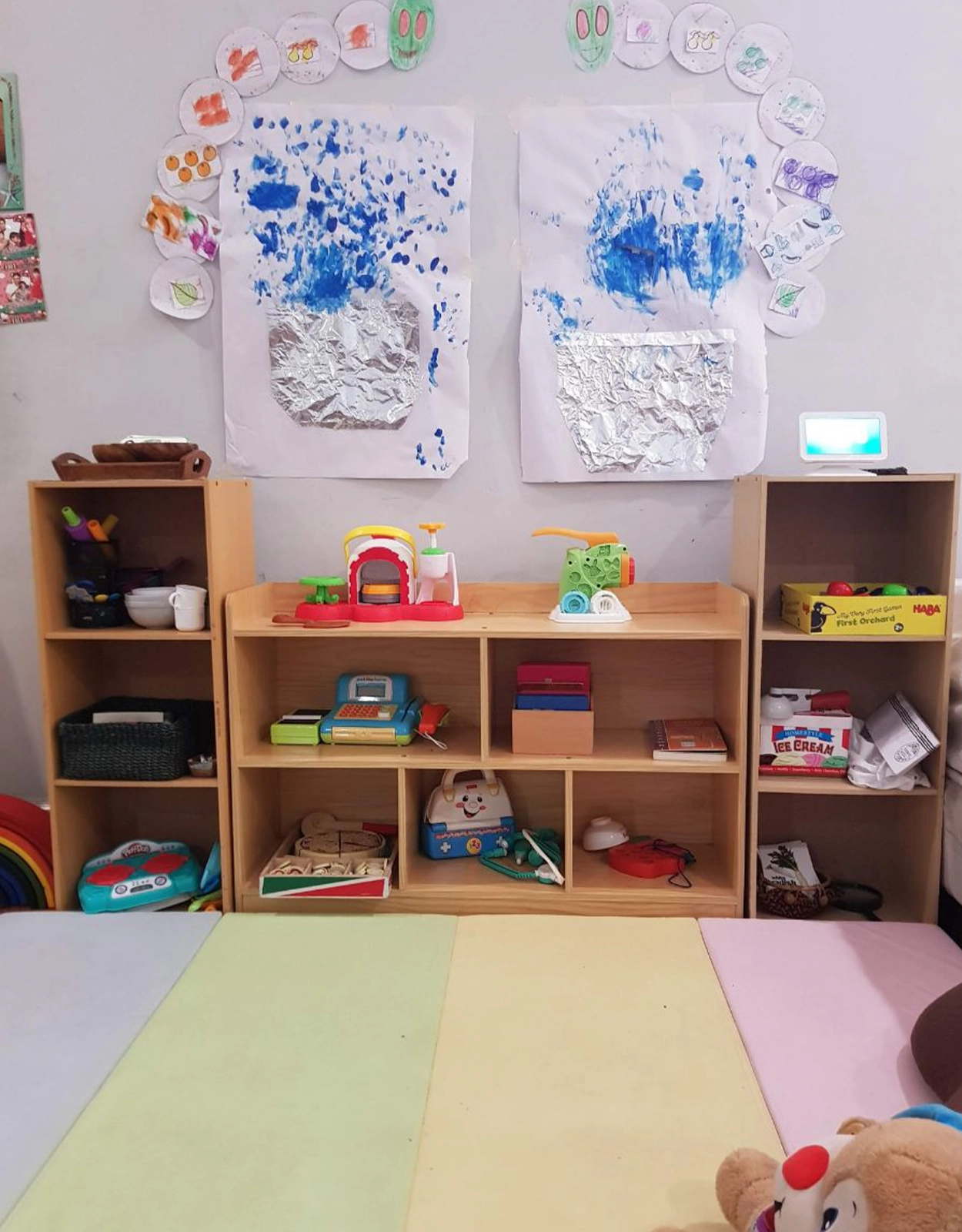
How Can You Build a Montessori-Informed Home?
Both Karen and JC assure that parents don’t need expensive shelves or imported materials to begin. They just need intention and the willingness to start small.
“Talk to your baby. Narrate routines. Show, don’t rush. Make things accessible. Let them choose,” Karen suggests. “Keep it simple. Keep it consistent.”
JC recommends Simone Davies’ books The Montessori Toddler and The Montessori Baby for practical, bite-sized advice. “You’ll start rearranging your space without even realizing it,” she says. “Three or four toys out at a time. A low chair. Simple shelves. And suddenly, your child begins to blossom.”
She adds, “The goal isn’t perfection. Its presence. Montessori and gentle parenting eventually become a part of your family culture—woven into the way you speak, organize your space, and make decisions together.”
Karen agrees, “Montessori helped me become more forgiving—not just with my kids, but with myself. Because learning is a process. We’re all works in progress.”
More about gentle parenting or the Montessori way?
Best Kids Furniture Finds in Manila: Wooden furniture, bespoke, Montessori-inspired and more!
A Progressive Approach to Learning Gives Children A Much-Needed Edge in Their Futures
What’s the Difference Between Gentle Parenting and Permissive Parenting?