The Hidden Struggles and Strengths of Parents with Autoimmune Diseases



The truth of living with autoimmune diseases is more than just making sure it doesn’t affect your quality of life
While most diseases can be cured by diet or medicine, autoimmune diseases demand a different course of treatment. They don’t often rear their ugly heads, and when they do, the consequences are almost immediate—money-wise and lifestyle-wise.
Aching joints, hazy thinking, crippling fatigue — these definitely affect our parenting. Especially when we try to be strong for our kids, frustration builds up. We struggle to explain it, as we know that it’ll only make our families worry. But we also dream of the day that autoimmune diseases are a lot easier to manage.
Painter mom of two, Sarah del Rosario, sums the feelings of living with autoimmune disorders perfectly. “Sometimes, I just want to stay in a corner. Be still. Not be angry. Not be disappointed in life.”
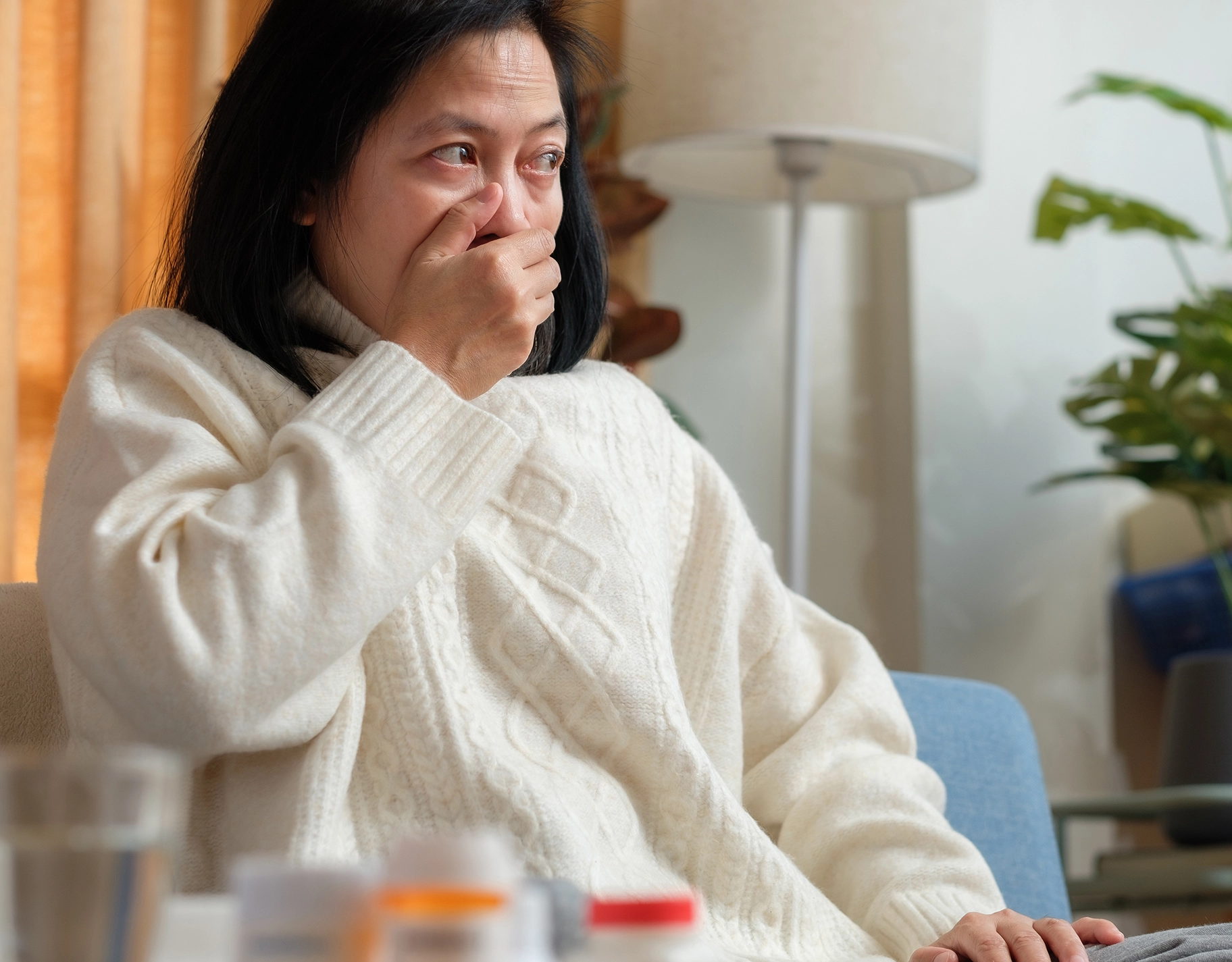
So much work just to live like everyone else
Autoimmune diseases often get a jump on people. We can spend the rest of our lives not knowing we have until our bodies stop performing “like we used to.” Our energy levels drop. People and our kids become harder to deal with. It’s only after much egging and nagging from our families to visit the doctor that the bombshell drops: we now have an autoimmune disorder.
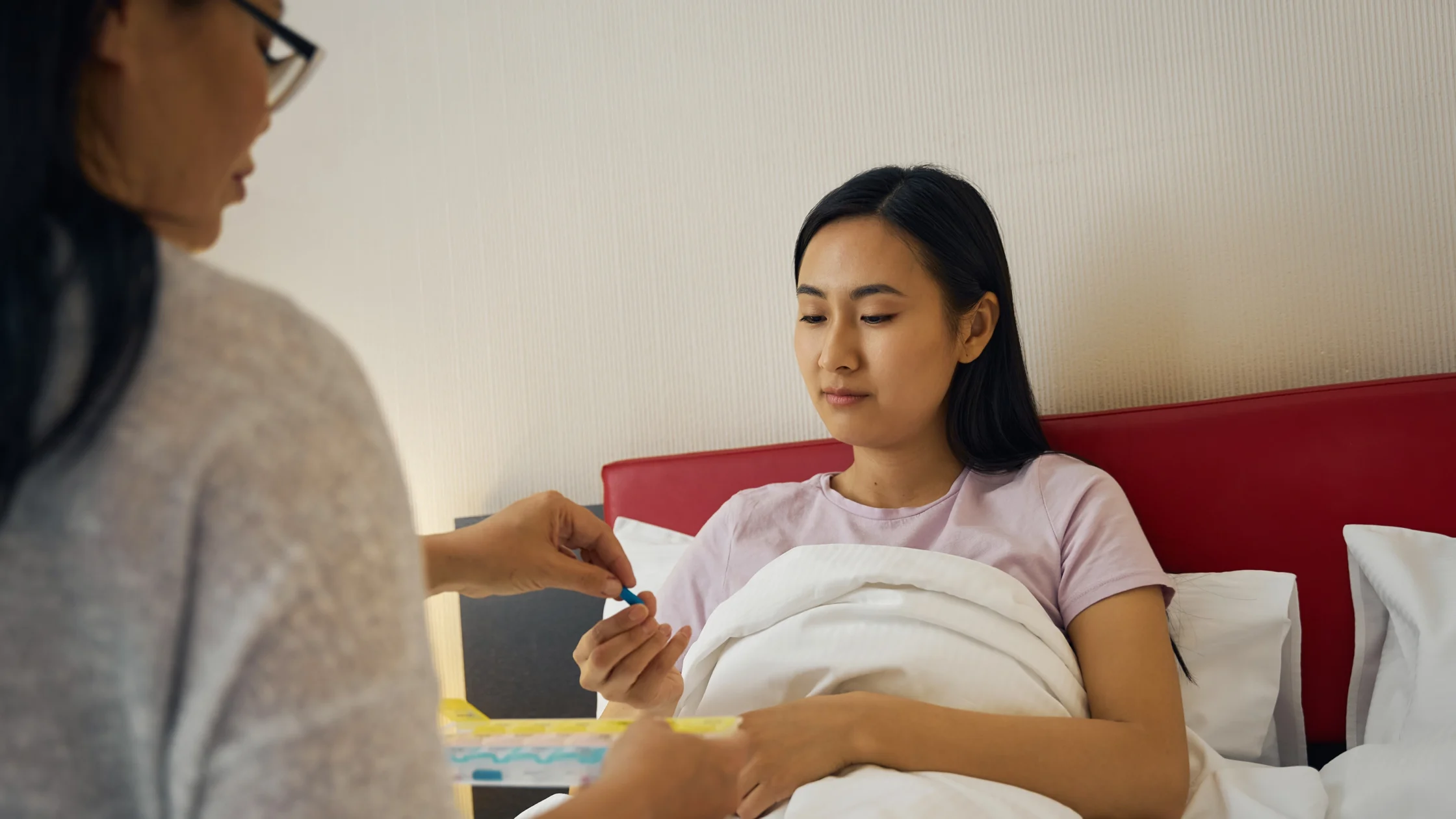
With the current state of technology, we can only manage the symptoms and their effects. These can come in the form of injections, specialized therapies, and the like. And like all medical treatments, they cost money—something every family knows puts their bonds to the test.
Sarah gives a glimpse of how one deals with having an autoimmune disorder. Although the executive order had reduced her medicines from PHP 47,000 to PHP 114,000, availing of the discount and subsidy is a taxing process.
So, she does what some have done: bring it from outside. The subsidies from the other countries are what reduce the price, and even with import tax and delivery, it’s cheaper. “What I usually do to cut the cost is to order it from India,” she reveals. “Sa India, 25k lang ang gamot, kahit wala kang binigay na discount card or guarantee letter. Ganoon ka mura sila.”
Yet, getting them is not so simple. It still has to go through customs, which is another lengthy process and a new set of criteria to adhere to. Some medicines, unfortunately, cannot tolerate the heat for long and eventually lose their effectiveness, making it so depressing.
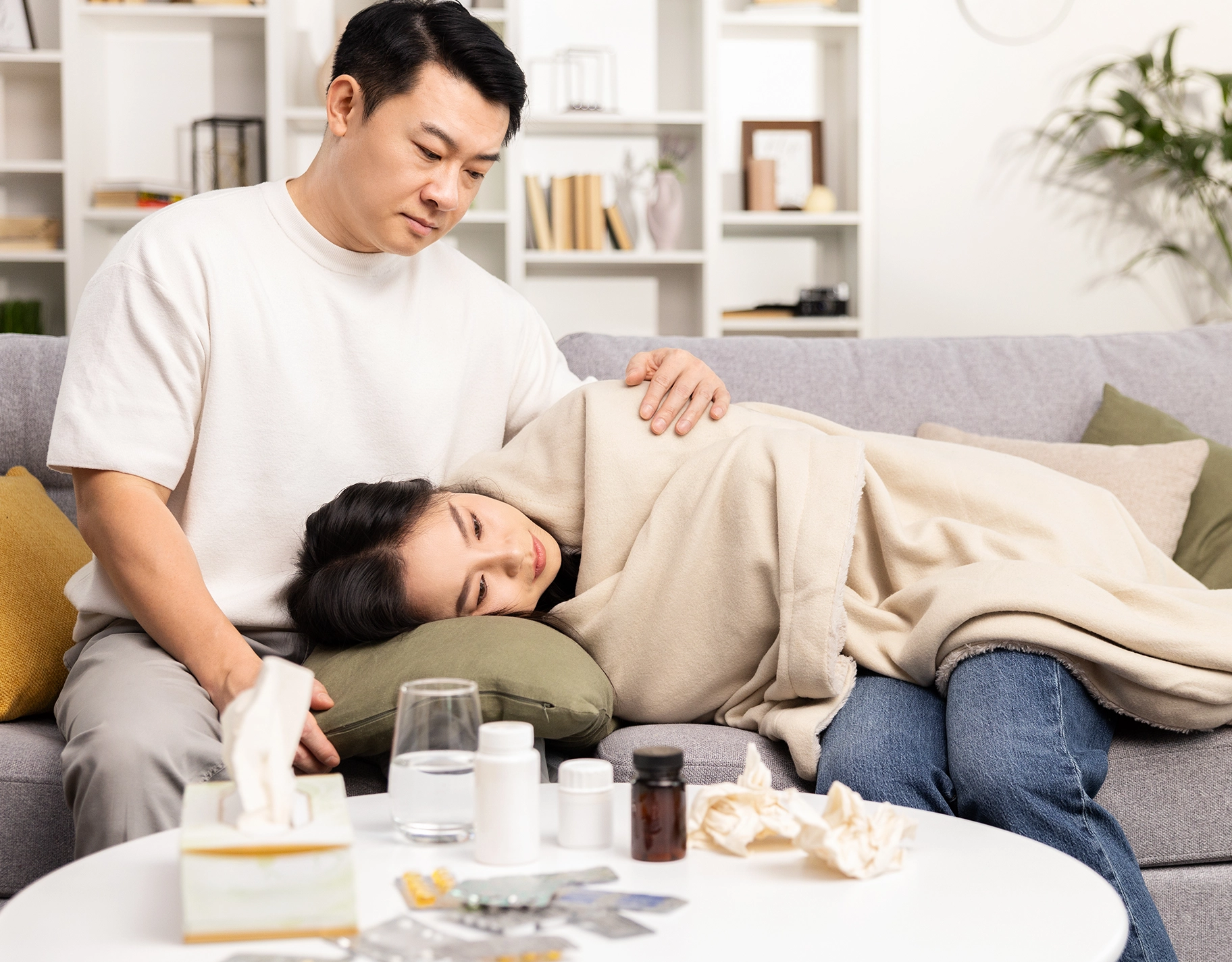
Staying positive is not so easy in the face of disease
At the end of the day, living with an autoimmune disease means carrying a weight most people can’t see. It’s not just the treatments or the costs—it’s the daily balancing act of caring for ourselves while still showing up for our families. For parents, that challenge feels even heavier because love compels us to push past the pain, even when our bodies are telling us otherwise.
But there’s strength in community, in advocacy, and in the unwavering resilienceResilienceThe ability to bounce back from setbacks, disappointment, and stress. Children build it through supportive relationships, chances to solve problems, and adults who show that mistakes are part of learning of parents like Sarah who continue to fight for a better quality of life. The truth of living with autoimmune disease is this: while it may test our patience, our resources, and even our hope, it also teaches us—and our children—the meaning of perseverance, compassion, and courage.
As families, friends, and a society, we can do more. Better access to affordable treatments, simpler processes for subsidies, and greater awareness about what life with an autoimmune condition really looks like can ease the burden on countless households. By speaking up, sharing stories, and demanding change, we not only support those living with the disease—we remind them they are never fighting alone.
More real talk?
Trishka Puno Samonte: A Mom’s Fight Against APAS and Birth Trauma
Sarah del Rosario: Choose To Live Brightly
Understanding Breast Cancer from a Doctor’s Perspective