Training Our Kids’ Brains: How It Makes Them Resilient



Here’s why brain training our kids makes them more resilient
We’re familiar with the image: us, raising our voices out of frustration at our kids when we tutor or teach them something, and our kids in tears because they’re trying to do it. After awhile, we just throw the towel—telling ourselves that our kids are just too “lazy/anxious/slow” to understand.
Then, the guilt hits. “Why are they falling short? Where did we go wrong?” If these thoughts are familiar, you’re not alone.
It doesn’t help that the whispers from teachers and the corporate world are getting louder. “The new blood or younger generation are so weak” or “Iba talaga yung mga bata ngayon” — we often hear others say this out of spite and resignation.
Yet, we haven’t asked ourselves the question: did we train our kids’ brains in the basics?
Here are some basics parents should train their kids’ brains in:

Attention
Attention spans seem shorter now. Even more so with reels. Bite-sized videos simulate “learning,” even if the content may not offer much.
Since we can’t disconnect from tech (as it is now essential for school and work), we change the content. Instead of reels, look for websites that upload colored books. Webtoons are like the sweet middle before heading off to the more… boring books.
We can also use more story-based or turn-based video games to encourage attention. These games demand attention to detail to fully enjoy the story and gameplay.
Sensory Processing
Sight, smell, sound, taste, and touch—humans have five entry points for information. Once received, they process it. Unfortunately, they don’t always absorb information in the same quality.
We often don’t see this until our kids express their interests. Some kids do sports better than math. Others learn music faster than other subjects. But the truth is, much of their interests stem from their ability to perceive information. It’s just that we often forget this because it’s easier to focus on the big, fat “F” or failing grade on the paper since it’s physically there.
So how can we improve their sensory processing as parents? In a world filled where tech can easily mimic reality, we categorize which senses tech indulges: mostly visual and auditory. From there, we consciously find the real-life counterpart. Like if they see food, we find a restaurant that serves the food.
Memory
The ability to retain memories is influenced by a lot of things. Emotions, existing concepts, and most of all, how frequently we apply these memories—these are just the common factors that influence retention.
It’s why kids can quote video games, songs, and content creators so well. Most content makes them feel happy. If it’s a concept they know, then all the more they’ll recall it better. And if they live in an area where they constantly apply that concept, then they’ll embed it in their memories. To the point, they won’t have to consciously think about it anymore.
One way to train our kids’ memories is through chores that require memory. Grocery shopping, memorizing delivery numbers, and the like can help. Memory card games like Old Maid and Jin Rummy are good too!
Reasoning
Even though there are multiple kinds of reasoning, it still serves as a foundation for learning. We associate things with one another based on a personal explanation which we can either learn, unlearn, or update depending on the context.
Kids develop their reasoning skills when they see their parents apply it. When we use the “because I said so!” statement, we lose the valuable opportunity to encourage them to understand and investigate topics more deeply. It leaves them at surface comprehension, making it difficult to either apply or continue to more complex concepts.
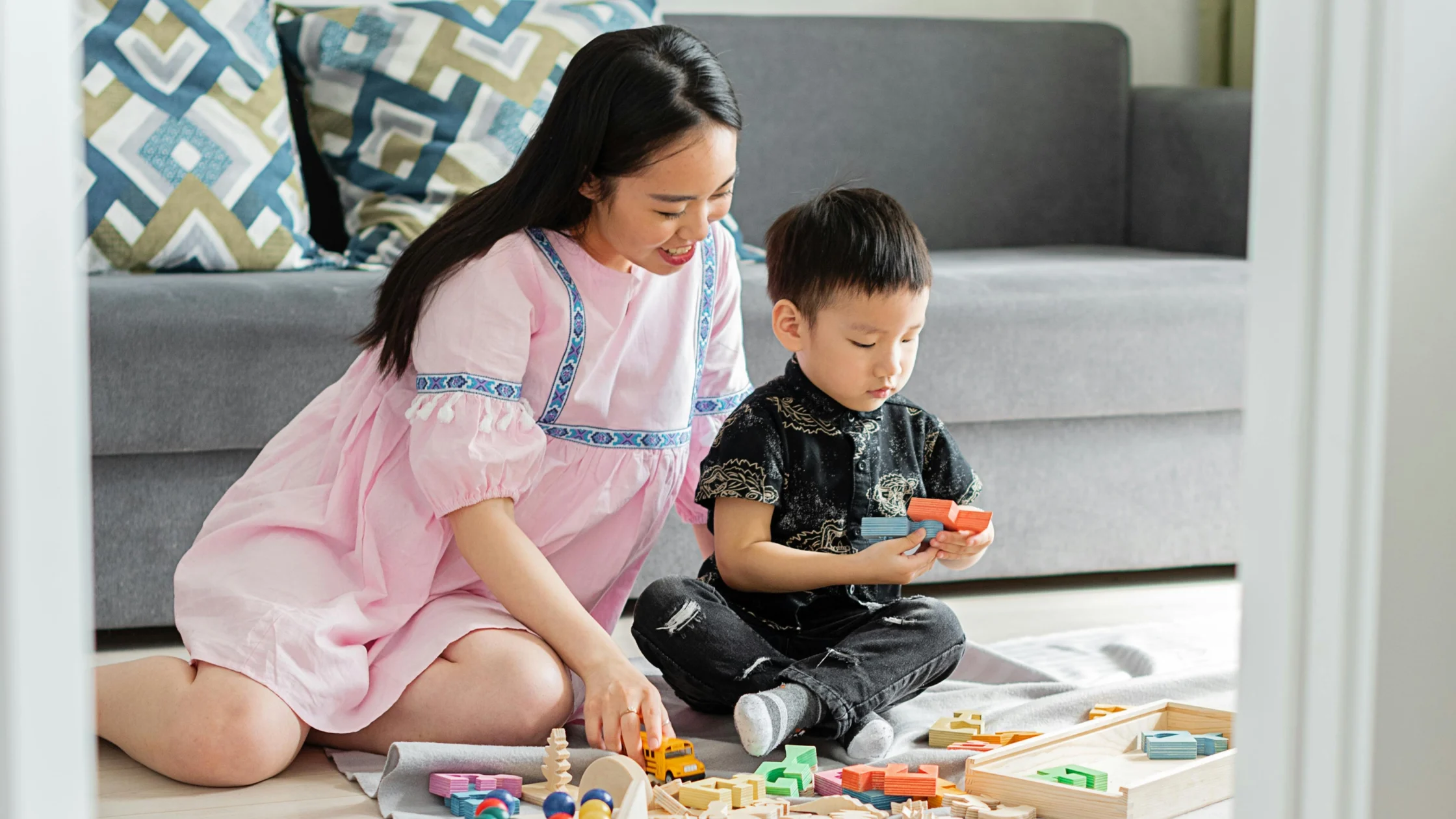
Jigsaw puzzles, build kits, and even creating dioramas are some traditional, screen-free, reasoning-based activities. If it’s on the phone or a device, then video games do have a puzzle-based genre wherein they put things together.
Processing Speed
We also commonly know this as “reaction time,” wherein an individual appropriately responds to a certain thing within a certain timeframe. The faster, the more appropriate, the better.
Unfortunately, kids don’t learn that when they’re just subjected to reels and YouTube videos without knowing where the “pause” button is. When content creators make videos, they have a specific audience in mind. And if our kids don’t fit that audience but see it anyway, they’ll end up consuming it with no actual processing. It’ll just be… there.
One of the fun games for processing speed is the whole “whack-a-mole game” in the Arcade. Identify the mole, mix it up with friendly targets, and make sure to “whack” the mole. But don’t worry if our kids start out slow at first; learning game mechanics is also part of improving their processing speed.
Why “Brain Training” Improves Our Kids’ Resilience
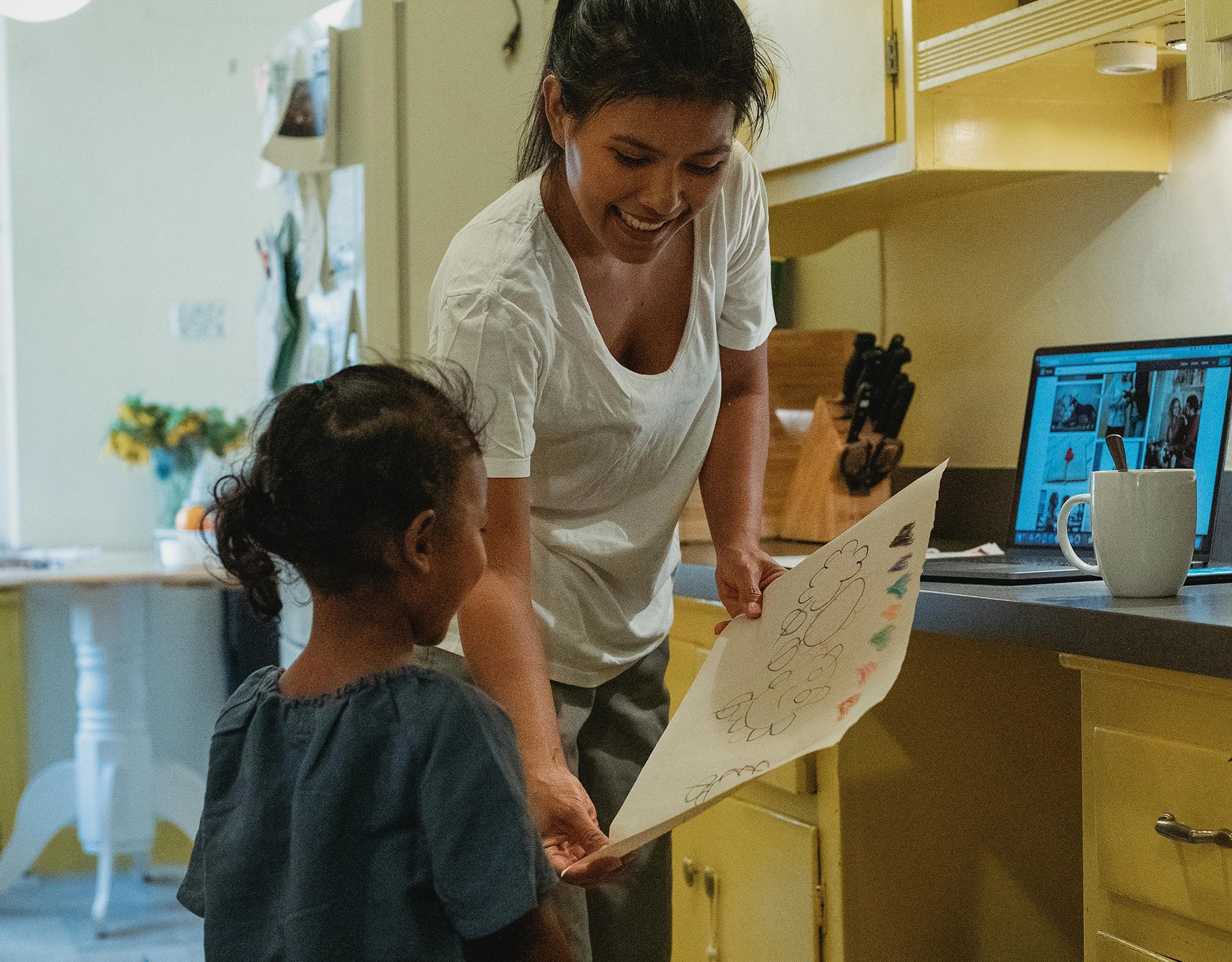
We often hear stories of our kids struggling in school, eventually getting labeled as “lazy” or “slow.” But what if it’s because their brains haven’t developed the tools yet?
In a world where there are many apps and tools, we forget that using them needs basic knowledge. We can claim that they just need “intuition,” but that comes from our modelling, not to be afraid to “break” something when figuring it out.
Brain training isn’t like teaching them concepts. It teaches techniques in everyday activities that can be applied elsewhere. Shape-sorting, for example, is a visual processing and logical reasoning activity. When kids master that, they can build things. It’s why toys like that haven’t lost their style or importance.
Tips When Brain Training the Kids
When “brain training” kids, here are some tips for parents:
- Don’t expect them to get it instantly. Especially if it’s new and multi-step, it takes time. Everything has a learning curve.
- Don’t stick to one activity. They’ll outgrow it eventually. Try variations in the puzzles by adding one new mechanic at a time.
- Encourage them to keep on going until they get the desired result. That teaches them that not all problems can just be solved with “brute force.”
- When they ask for help, don’t give them the answer. Tell them things like, “Look again,” or “Check again.” It’ll make them think. Just don’t forget to validate when they finally get the answer.
The best part about brain training kids is that we don’t always need to buy special tools to get it done. Sometimes, it can be found in everyday activities. Some centers, like BrainRx, can even point out what things need to be focused on.
They will most likely struggle at first. Everyone does, especially when it’s something new. If they cry, then let them. But don’t forget to tell them to “try again.”
Frequently Asked Questions (FAQs)
Brain training helps strengthen how kids think, focus, remember, and solve problems. It’s not about memorizing facts—it’s about sharpening how their brain learns. Think of it as a gym for the mind, where everyday activities (like puzzles, chores, and storytelling) become mini workouts for their growing brains.
When kids practice focus, problem-solving, and memory, they develop a mindset that thrives on persistence. They learn that mistakes aren’t failures—they’re feedback. This builds grit, patience, and emotional control, key ingredients of real-world resilience.
Not necessarily! Brain training doesn’t need to be high-tech or expensive. Sorting laundry by color, playing card games, or having your child recall grocery items can all strengthen their cognitive skills. If you want guided support, programs like BrainRx offer professional assessments and training plans.
If your child gets easily distracted, forgets instructions, or struggles to follow multi-step directions, it may be a sign they need more cognitive exercise. Remember—these are skills, not flaws. With practice, their brain learns to process information faster and more efficiently.
Start small and make it fun. Turn screen time into story time with narrative-based games, or let them help with memory-based chores like grocery shopping. The goal isn’t perfection—it’s progress. Every small win strengthens their brain and their confidence.
More about kids and learning?
Traditional School Subjects That Should Make A Comeback
Traditional vs. Progressive Schools: Which is Best for Your Child?
Should We Demand Common Sense from Our Kids?