After the Storm: How Filipino Families Can Rise Beyond Resilience



With the Philippines battling non-stop typhoons in the past months, Filipinos deserve more than mere resiliency
Super Typhoon Uwan (international name: Fung-wong) barged into the Philippines, making its presence felt in several provinces from the Bicol region to Northern Luzon on November 9. As it left the country, Uwan served as a poignant reminder of the consequences of climate change.
However, before Uwan, there was Typhoon Tino, which made landfall in parts of the Visayas, with Cebu, Negros, Samar, and Southern Leyte being badly hit by flash floods. Thousands of families lost their homes. As of November 10, 2025, 165 people have died due to Typhoon Tino, according to the National Disaster Risk Reduction and Management Council.
Two people were reportedly dead due to Uwan.
For every typhoon, several families are affected. Children will go to school with classrooms full of mud and parents salvaging what remains of their home.
Yet even as Uwan passed, the questions lingered: How can families truly prepare for what’s next?
Sometimes resiliency is just not enough.
Why Nature’s Warning Can’t Be Ignored
For several years, environmentalists and NGOs have warned about the consequences of mining, illegal logging, and quarrying. This has been reported many times in the media, but it seems it has fallen on deaf ears.
When Typhoon Tino plunged Cebu into floods, no one expected its catastrophic effects. Many were prepared, but many perished. The province has yet to recover from a 6.9 magnitude earthquake that rocked the area in September. Now, they face uncertainty as Christmas approaches.
People blamed the substandard infrastructure that could have helped save lives. Many of the evacuation centers were destroyed. And if that weren’t enough, eyes turned to a property development ongoing in the mountains of Cebu — pinpointed as one of the causes of the floods that devastated the province.
The plight of Cebu and other provinces hit by Tino highlights the importance of Mother Nature. Maybe some places shouldn’t be touched — like the mountains that could help weaken the typhoon.
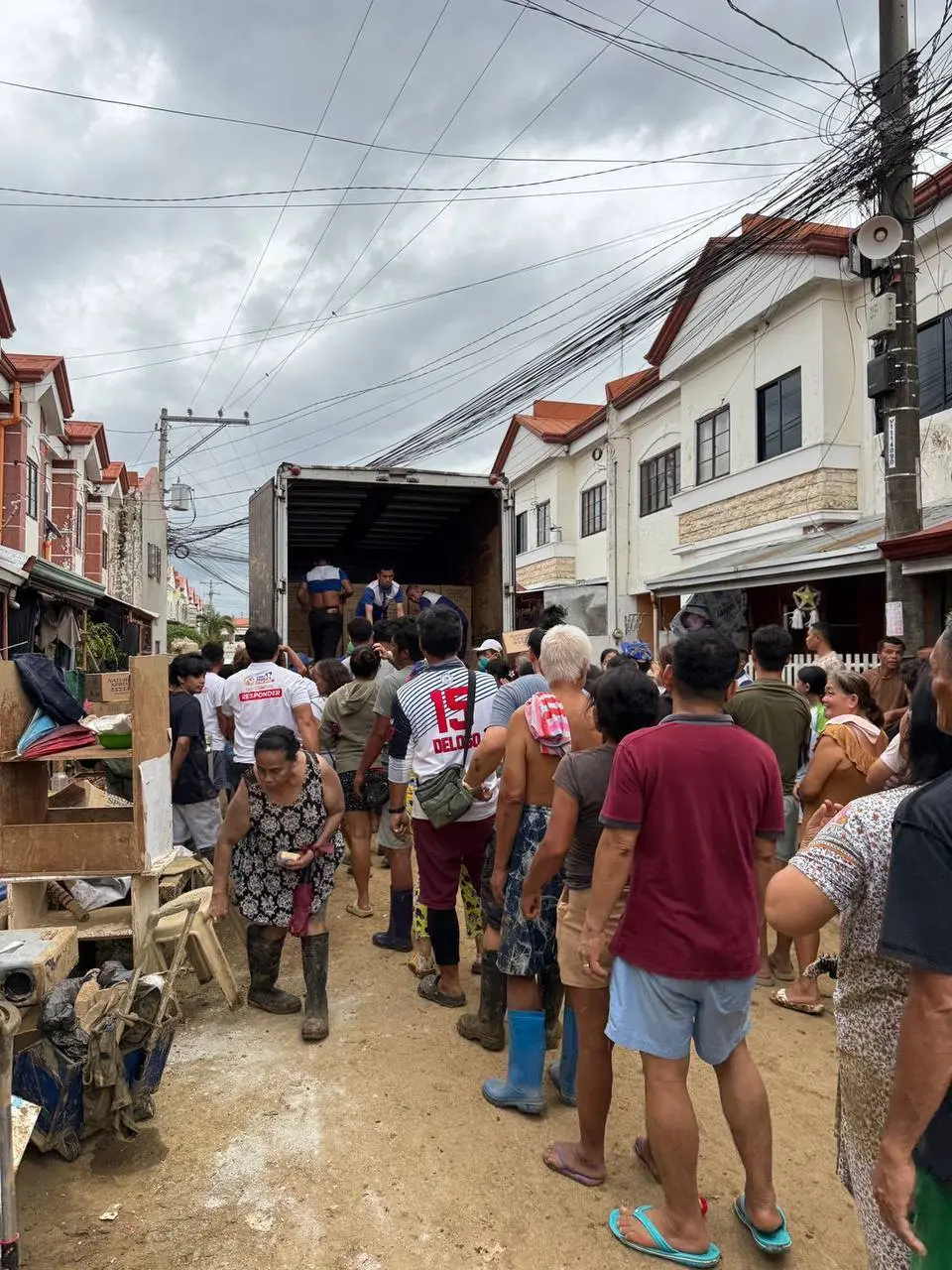
Relief operations in Liloan Cebu. Photo from Cebu Province Facebook
Preparation Starts at Home
When Super Typhoon Uwan was announced, many local government units and communities buckled down to work. Days before it landed, all rescue teams, LGUs, and officials were on alert. Mandatory evacuations were ordered in several flood-prone barangays.
The Bicol region was the first to feel Uwan’s presence. Its winds howled as the waves began to rise.
Then came its landfall in Aurora. But the moment it hit Sierra Madre, Uwan slowed down. The winds were still strong as the typhoon made its way out to the West Philippine Sea on Monday, November 10.
But even with the preparations, there were still casualties. May this serve as a caution to listen to officials for safety. Lives matter.
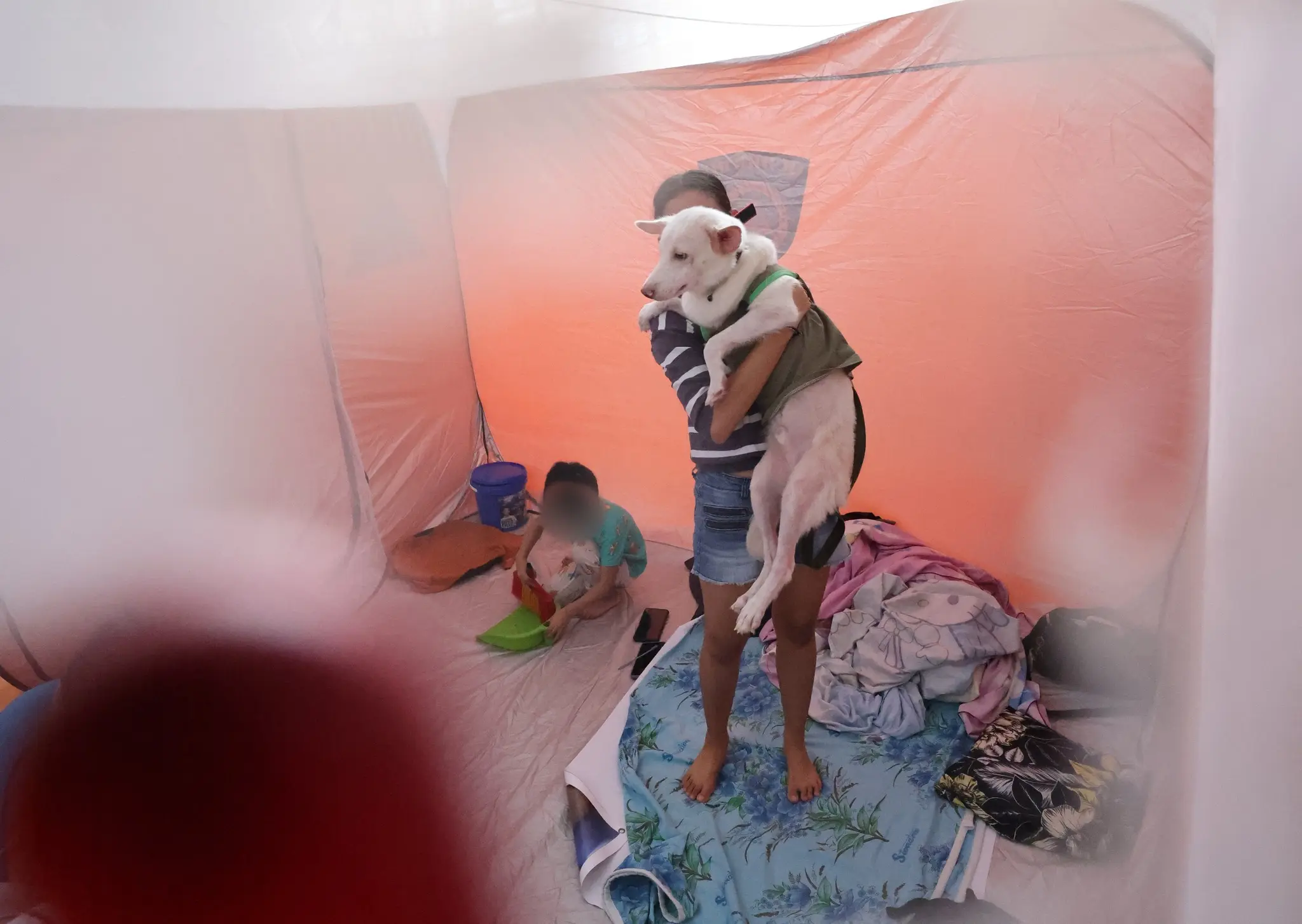
A pet owner carrying his dog at the QC Evacuation Center. Photo Quezon City Government
Taking Care of the Environment
Sierra Madre was the saving grace of Northern Luzon. As people watched Uwan’s landfall, a bit of relief came when it hit the mountainous area, slowing the typhoon down.
But as everyone rejoiced, the reality is that Sierra Madre is also in danger. Photos show that parts of the area have been partly deforested. It’s also been reported that several mining companies have been exploring the area for minerals.
It’s important to highlight how these mountains have been able to prevent disruption to the provinces they protect. It’s not just Sierra Madre, but also other mountains that play a vital role.
In one of the Seven Earth Principles, it states: “Nature is beautiful, and we’re the stewards of God’s creation.” Let’s be the stewards who take care of what was given.
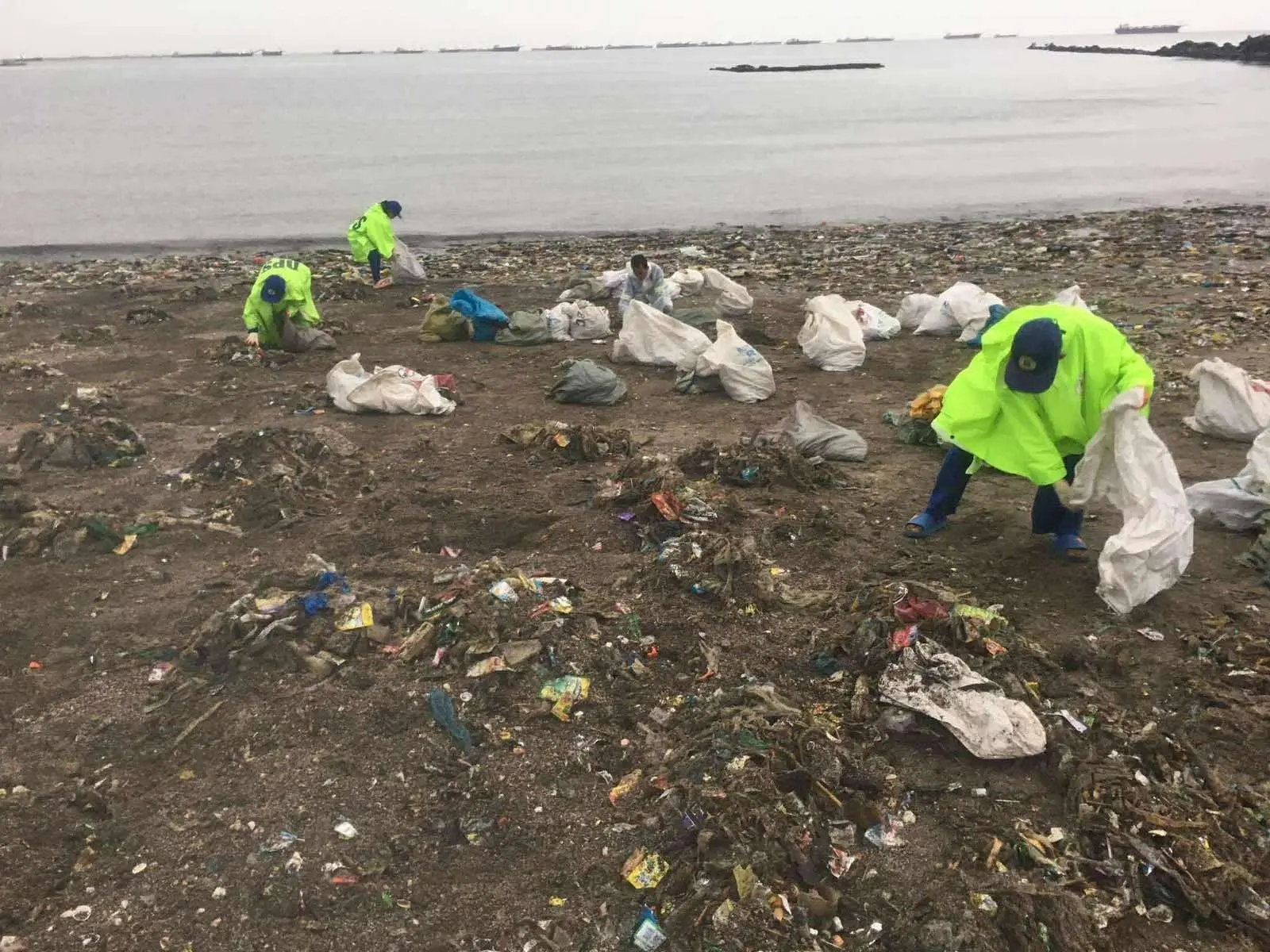
Several volunteers are cleaning up in Manila after Typhoon Uwna. Photo from Mayor isko Moreno Facebook
It’s Time to Take Action
Super Typhoon Uwan won’t be the last typhoon in the country. Amid the sadness and anger people feel with the damage caused by the typhoons, it’s important to raise voices and take the action needed.
The action starts with the family. Teach your children basic rules like throwing trash in proper bins. Learn to recycle. Bring a tumbler with you or a shopping bag to reduce single-use plastic. They may be simple acts, but they’re a start.
For communities, talk to local officials. Start projects and join programs. Volunteer if you can to help those who spread the campaign for environmental protection. Write to your local government officials — councilors, congressmen, or mayor — and urge them to act on their promises.
As Christmas approaches, the anxiety is still there for those who might not have something to cheer about. But if action is taken, then there’s hope and assurance that everything will be okay.
If families act together — in kindness, in care, and in courage — then hope won’t just return; it will take root.
More on typhoon and preps
When the Wind Howls: A Parent’s Guide to Understanding Typhoon Signals in the Philippines
7 Smart Ways to Prepare Your Family for a Super Typhoon
LIST: Organizations Helping The Families Affected By Typhoon Tino
Frequently Asked Questions
Super typhoon Uwan made its presence felt on the morning of November 9, hitting Catanduanes and the Bicol region, before its landfall in Aurora in the evening.
Yes, typhoon Tino. Although not as strong as Uwan, it left severe damage in the Visayas region, particularly in Cebu, Negros, and Southern Leyte due to flash floods.
Once Uwan it Sierra Madre, it bumped into the eye of the storm, slowing it down. Sierra Madre has been credited for keeping the Luzon island safe in recent typhoons.
But according to the DOST, it’s false to say that there’s no direct hit on the provinces.
“Maaaring sabihing nakatutulong ang Sierra Madre Mountain Range bilang panangga sa mga bagyo sa Luzon sapagkat may kakayahan itong bahagyang pahinain o bagalan ang lakas ng hanging dala ng bagyo—lalo na sa hilagang-silangang bahagi ng rehiyon. Gayunman, hindi ito nagbibigay ng ganap na proteksyon laban sa matitinding epekto ng mga ito,” the agency said.