Signs Your Mom Group Isn’t for You (And That’s Okay)



Here are some signs that the mom group you found may not be for you
Once upon a time, we were told that motherhood came with a built-in village. A circle of women who would show up with casseroles, kind words, and the comforting assurance that we’re all just doing our best.
In reality? Some villages feel less like support systems and more like emotional obstacle courses.
If your mom group leaves you feeling drained instead of held, here are a few signs it might not be your village—and why walking away doesn’t make us ungrateful, dramatic, or too sensitive.”

1. You Leave Conversations Feeling Worse About Yourself
A healthy mom group makes you feel seen and valued. An unhealthy one makes you feel measured.
If every interaction ends with you second-guessing our parenting choices, our body, our work-life balanceWork-Life BalanceDividing time and energy between a job and family life so neither suffers. Setting work boundaries, sharing household tasks, and protecting family time help parents avoid burnout and stay present, or our child’s milestonesMilestonesSkills most children reach by certain ages, such as smiling, sitting, walking, speaking, and sharing. They serve as general guides rather than strict deadlines, and parents should talk to a, that’s not “motivation.” That’s comparison culture in a mom bun.
Support shouldn’t feel like a performance review.
2. The Group Chat Has More Anxiety Than Actual Help
Group chats are meant to be lifelines. But when they turn into:
- Passive-aggressive replies
- Inside jokes you’re never part of
- Long silences when you ask for help
…it starts to feel less like community and more like social quicksand.
If our heart rates spike every time the chat lights up, that’s our nervous system asking for mercy.
3. Plans Happen—Just Not With You
It eventually pops up on Instagram. Or you hear about it later.
The brunch.
The playdate.
The “small get-together.”
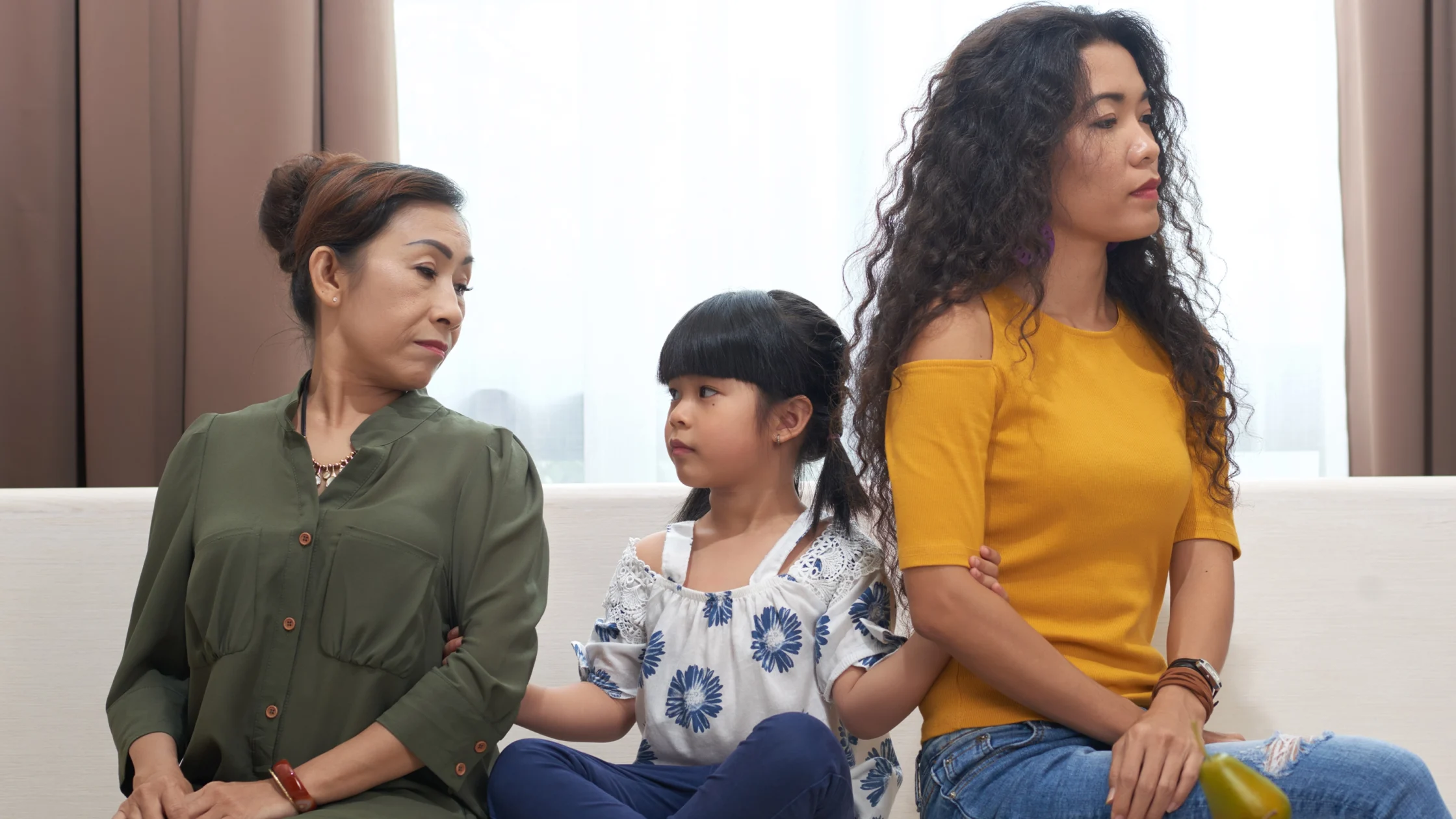
Being repeatedly left out—without explanation—isn’t accidental. The exclusion can feel painfully familiar. Especially when there’s that one person who overwhelms the entire village with their personality and we become the target of their frustrations, the loneliness can feel real.
In Filipino cultures, it’s felt more: a community bears more weight not just in presence, but also in shaping opinions and finding a place in the world.
Belonging shouldn’t require decoding silence or reading between the lines 24/7. Moms already do that at home!
4. There’s an Unspoken “Right” Way to Be a Mom
In some groups, difference is tolerated. In others, there’s a lot of judgment—eye-rolling, plastic smiles, and all.
Whether it’s:
- Feeding choices
- Sleep methods
- Work decisions
- Screen time
- Or how “present” we’re expected to be
If disagreeing or having your own opinion earns side-eyes and fake laughs instead of curiosity, that’s not guidance; it’s gatekeeping.
Good villages leave room for different seasons, capacities, and values.
5. You Feel Like You’re Auditioning, Not Showing Up
If you’re already editing stories, softening struggles, or hiding parts of your life just to “fit,” stop.
Being mom already has us curating all sorts of things for others. We shouldn’t have to do it for a support group.
6. Speaking Up Feels Riskier Than Staying Quiet
When honesty feels dangerous—when you worry that expressing discomfort will brand you as “the problem”—that’s a red flag.
In healthy groups, someone speaking up leads to conversation.
In toxic ones, it leads to distancing, gossip, or dismissal.
Silence is not harmony. Sometimes it’s self-protection.
7. You’re Staying Out of Guilt, Not Joy
This one is subtle but powerful.
If the only thing keeping you in the group is:
- “They’ve known me since pregnancy.”
- “I don’t want to seem ungrateful.”
- “What if I don’t find another village?”
Then you’re staying out of fear—not connection.
And fear is a heavy thing to carry alongside motherhood.

The Painful Reality of Most Mom Groups
Not every mom group is meant to last forever.
Not every village deserves your energy.
And leaving doesn’t mean you failed at community.
Sometimes, it means you’re choosing peace.
As one friend bravely spoke up in response to Ashley Tisdale’s essay, naming the hurt—even when it risks awkwardness—is often the first step toward healthier boundaries and better connections.
You are allowed to build a smaller circle.
You are allowed to outgrow people.
You are allowed to choose spaces where you can exhale.
Because the right village won’t make you wonder if you belong.
You’ll just know.
Frequently Asked Questions
A mom group becomes toxic when it relies on comparison, exclusion, judgment, or silence instead of support. If it creates stress rather than relief, that’s a red flag.
Yes. Parenting seasons change, and so do needs. Outgrowing a mom group doesn’t mean failure—it means your priorities, values, or boundaries have evolved.
Toxic mom groups can increase anxiety, self-doubt, and feelings of isolation—especially for parents already navigating exhaustion, postpartum changes, or identity shifts.
It depends on safety and emotional capacity. Some parents choose honest conversations; others protect their peace by disengaging quietly. Both are valid choices.
Healthier mom communities encourage honesty, flexibility, and mutual respect. Look for spaces—online or offline—that allow difference without judgment and support without competition.
More about mom groups?
Janice Villanueva: No Mom Left Behind
WATCH: Reshaping Mom Communities in the Philippines
When the Mom Village Turns Toxic: How Does That Happen?