Gaming, YouTube, and TikTok: Understanding What Kids Actually Consume



Here’s why parents need to understand the media kids consume
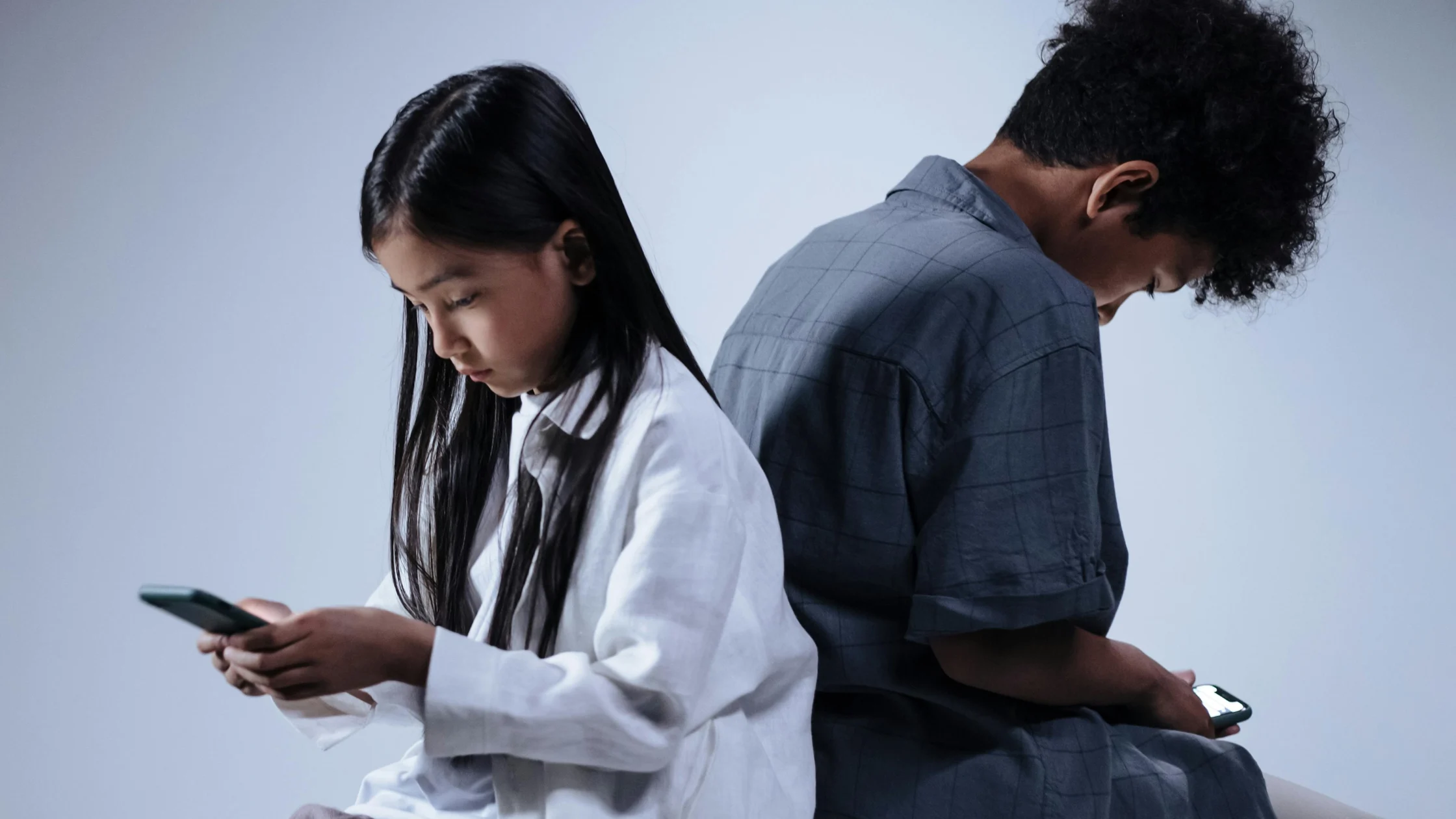
For today’s kids, YouTube and TikTok aren’t just apps—they’re the new cable TV.
Where Gen X grew up with scheduled programs and millennials eased into early YouTube, Gen Z and Gen Alpha now live in an always-on media ecosystem. From Twitch streams and gaming walkthroughs to TikTok trends and reaction videos, kids today have more content choices than any generation before them.
They use these platforms to learn Bisaya, discover new coffee spots, follow their favorite streamers, and—yes—escape boredom. The question for parents isn’t if we should be concerned. It’s how much we actually understand what they’re consuming.
Because if we don’t dig into it—even just a little—who will?
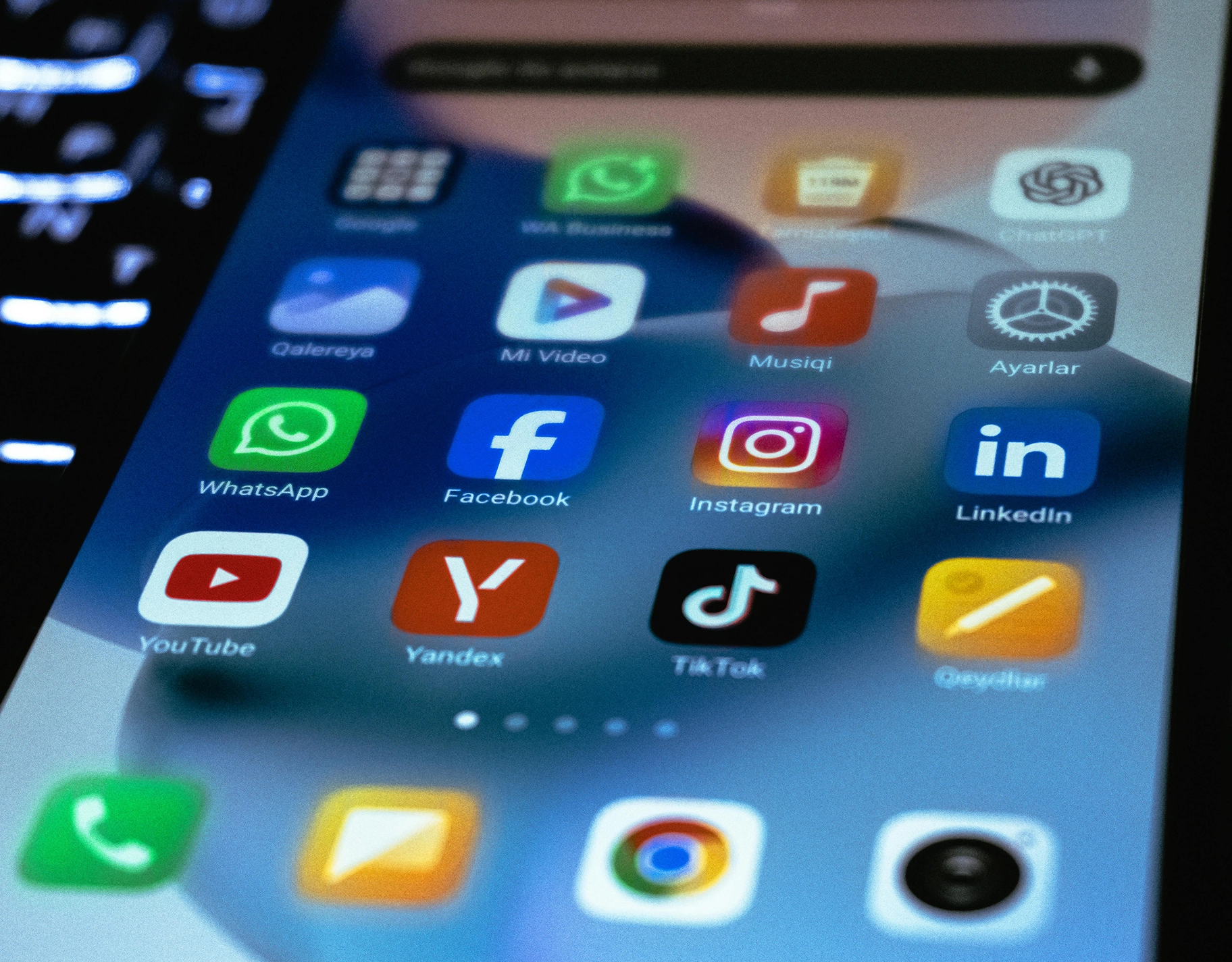
Gaming Content: It’s Not Just Playing, It’s Belonging
Millennial parents may remember watching PewDiePie scream over Minecraft or VanossGaming and his crew chaos-play their way through titles we didn’t own—or didn’t have time to play. Gaming content was entertainment, sure, but it was also community.
Originally, gaming videos were practical: walkthroughs, tutorials, survival guides. Games like Dark Souls were too complex to explain through text alone. The video made more sense.
That hasn’t changed.
Kids today consume gaming content not just to play better, but to belong. Even if they don’t own the game, they understand the mechanics, the memes, and the references. It’s the modern version of knowing the plot of the latest hit book or serie,s so you’re not left out of the conversation at school.
Gaming videos function like shared language. And kids are fluent.
YouTube: From Video Platform to Digital Companion
Once upon a time, YouTube was the internet’s wild west—chaotic, creative, and occasionally unhinged. Today, many consider it the largest video library in the world.
Need to fix a faucet? There’s a video.
Learning how to cook sinigang with a twist? There’s a video.
Trying to understand math homework that makes zero sense? Definitely a video.
But beyond instruction, YouTube has long served another purpose: digital companionship. People played videos in the background to feel less alone. That hasn’t disappeared—it’s evolved.
Now, YouTube has become the digital yayaYayaThe Filipino word for a nanny or hired caregiver who helps look after children at home. Choosing a trusted yaya, setting clear routines and expectations, and treating her with respect. Parents put on cartoons so they can eat in peace. Kids get hooked on constant stimulation. Parents get hooked on silence. Everyone loses track of time.
And with AI-generated content becoming harder to distinguish from real creators, discernment—not restriction—matters more than ever.
TikTok: The Anti-Boredom Pill
Short. Funny. Emotional. Addictive.
TikTok mastered the art of condensing stimulation into seconds. Fifteen-second videos trained the brain to expect fast payoff—laughter, shock, empathy, or outrage—on demand.
For kids, TikTok fills the quiet spaces: long commutes, waiting rooms, slow afternoons. It’s not just entertainment; it’s instant relief from boredom.
The problem isn’t that TikTok exists. It’s that it rewards constant consumption with very little pause for reflection.
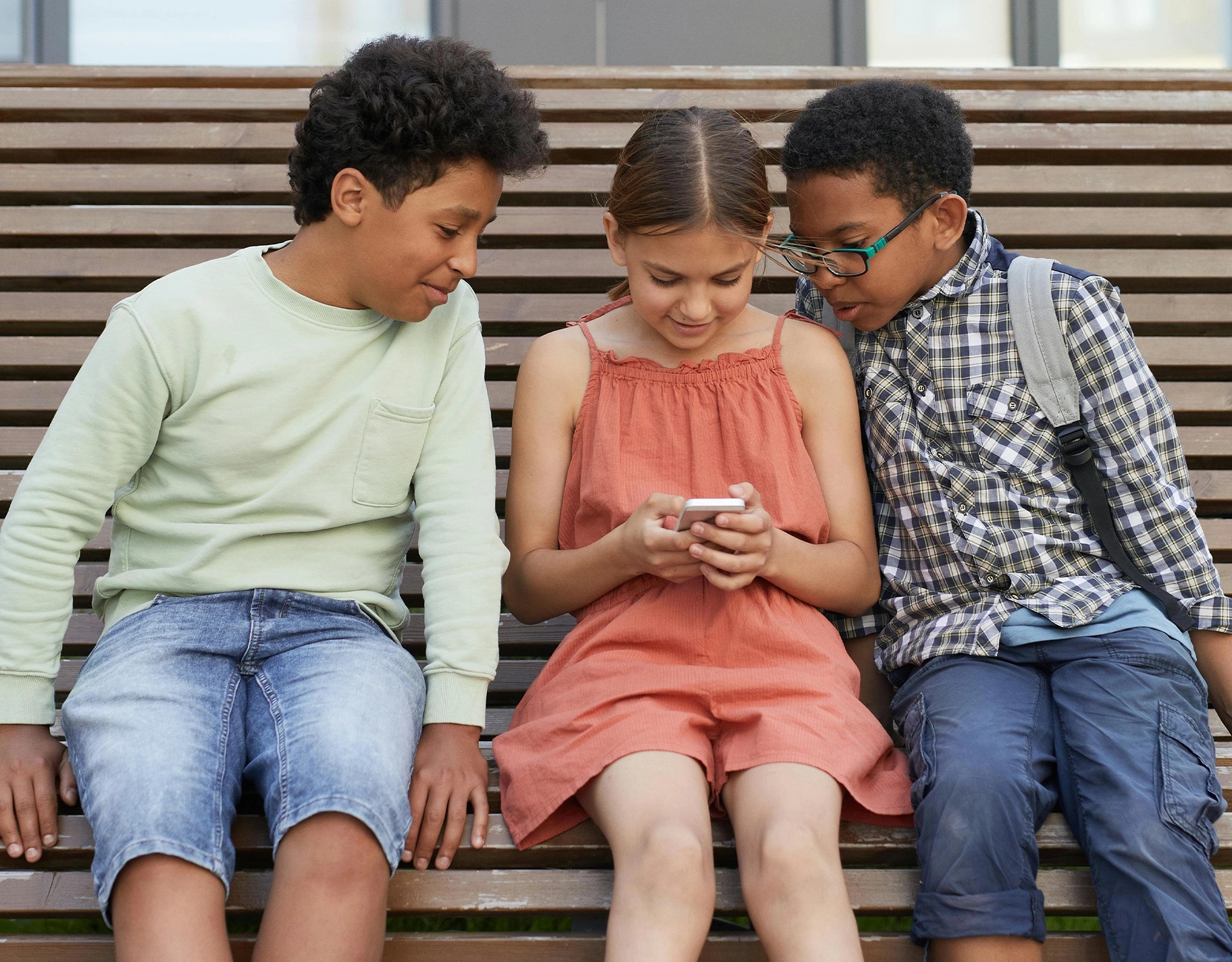
Why Kids Gravitate Toward These Platforms
It boils down to one thing: connection.
Online content removes the pressure of face-to-face interaction. Kids don’t need to start conversations—they join them. Reactions replace explanations. Emojis replace emotional labor. Comment threads validate thoughts before they even have to say them out loud.
It’s efficient. It’s comforting. And yes, it contributes to real-world social anxiety.
Because offline life doesn’t come with a react button.
What Parents Can Actually Do (Hint: Taking Gadgets Away Doesn’t Work)
Confiscation rarely teaches self-regulation. Many of us tried that route—and our kids simply learned how to hide better.
The more effective strategy? Make real life louder, richer, and more engaging than the screen.
- Enroll them in extracurriculars
- Travel together, even locally
- Exercise as a family
- Assign real responsibilities at home
- Create screen-free zones and times
And here’s the hardest part: model the behavior. If they always see us scrolling, lectures won’t land.
The goal isn’t to demonize screens. It’s to ensure they don’t replace life.
Because real life doesn’t pause. It doesn’t loop. And it doesn’t give instant validation—but it teaches resilienceResilienceThe ability to bounce back from setbacks, disappointment, and stress. Children build it through supportive relationships, chances to solve problems, and adults who show that mistakes are part of learning in ways no algorithm ever will.
Frequently Asked Questions
Not automatically. Gaming content often builds social connection and shared interests, but moderation and context matter.
YouTube offers on-demand, personalized content and feels more interactive than traditional television.
Excessive use can shorten attention spans, especially without breaks or varied activities.
Not long-term. Teaching balance and offering engaging offline alternatives works better.
Set clear routines, lead by example, and make offline life engaging—not punitive.
More about digital parenting?
5 Fun Ways to Reduce Screen Time and Take a Digital Detox
Maez De Guzman: Weaving Tech Into The Home
How YouTube Strengthens Parental Authority in The Digital Space