Nipah Virus: Should Filipino Families Be Concerned?



Here’s what we know so far about the Nipah Virus
We can already hear the collective groan, “Not another virus!” Yet, viruses develop all the time. It’s just that some countries, which may have been the virus’s place of origin, often launch preventive measures the moment it rears its ugly head. But sometimes, these preventive measures may not be enough. The growing concern for the Nipah Virus due to its breakout in West Bengal, India, is already proof of that.
But should Filipino families be concerned? Here’s what we know about the disease.
What is the Nipah Virus?
According to the US CDC, the spread of the Nipah Virus started in 1999. As a zoonotic disease–a disease or virus transmitted from animals, it’s often carried by fruit bats. While it’s not a new virus, its symptoms are still deadly. It kills up to 40 to 70% of people in Asia, usually in Bangladesh and India.
Since then, it has caused outbreaks in more crowded countries that rely heavily on animals. Bangladesh had been dealing with it since 2001. India had their tangos with it since 2018. However, it’s the timing that concerns many countries. With Lunar New Year 2026 being one of China’s biggest celebrations (usually running for a week or so), being neighbors with India has made China ring the alarms.
Symptoms of Nipah Virus
The Nipah Virus usually shows its symptoms 4 to 14 days after infecting someone. The disease usually rages for 3-14 days. Some of the symptoms include:
- Fever
- Cough
- Sore Throat
- Difficulty Breathing
- Brain swelling – also known as encephalitis or a brain infection
- Confusion
- Drowsiness
- Seizures
In the worst-case scenario, those infected can fall into a coma within 24-48 hours.
Why should the Philippines be worried about the Nipah Virus?
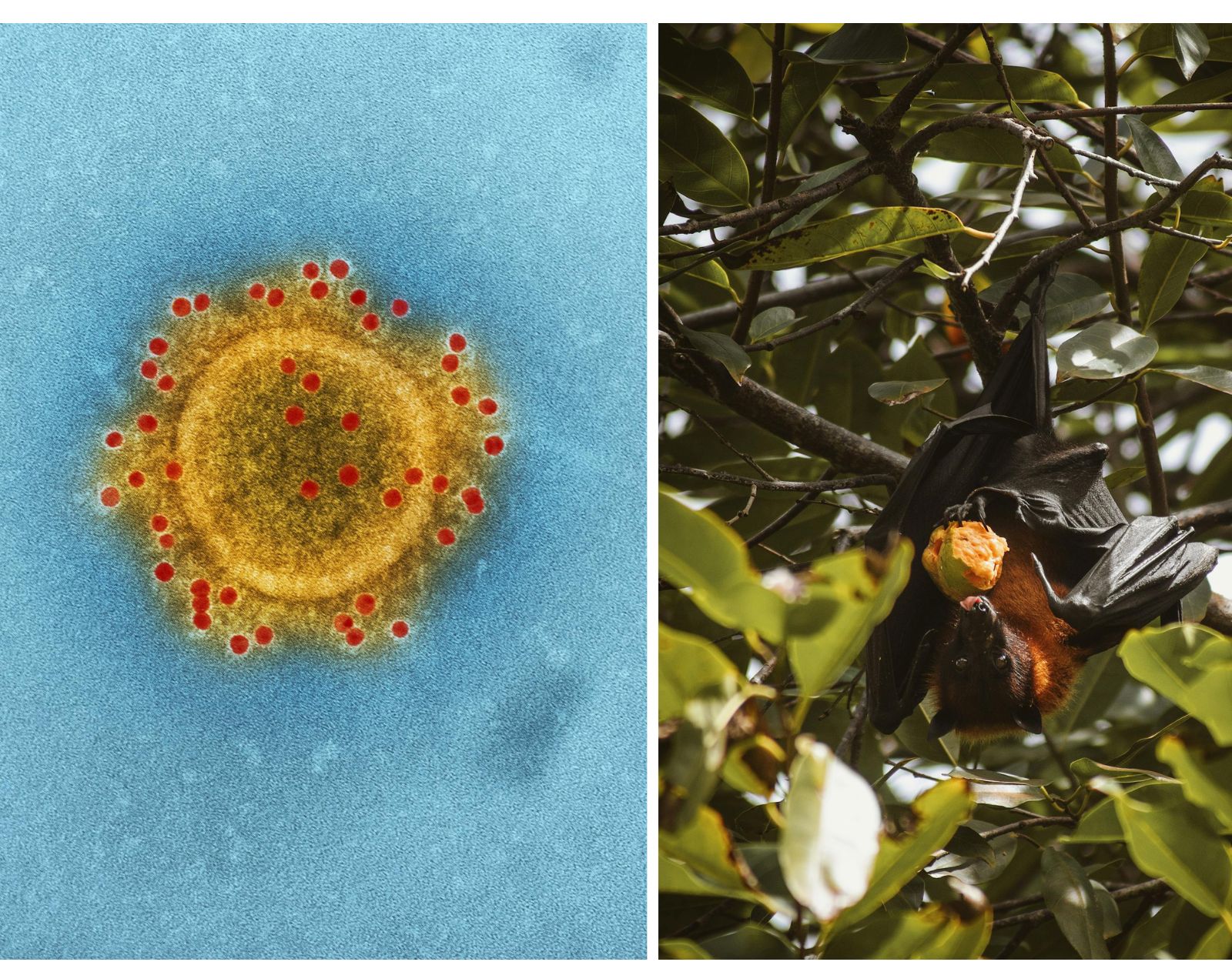
The Philippines, although separated by water from the two countries, is still home to fruit bats. Especially for those who made their homes in the mountain ranges in the Cordillera region or the forests, fruit bats are commonplace.
Fruit bats are docile by nature, rarely attacking unless provoked. However, that doesn’t mean they won’t bite or claw out of self-defense. Any animal struck can get infected. They may show no symptoms, but they can be carriers. It’s what allegedly caused the COVID-19 virus to mutate in Wuhan, China.
So, families, always clean the meat even if they come from the supermarket.
How Families Can Protect Themselves From Nipah Virus
Right now, getting infected by the virus is still on a contact basis. Touching infected animals, sharing human body fluids with someone infected, or drinking raw date palm sap or eating fruit that is contaminated by an infected bat are currently the only known ways of getting infected.
The thing is, once a human’s infected, it can spread to others.
Some things families can do to protect themselves from the virus include:
- Always clean the meat we buy. Especially if it’s from a roadside market, dust and dirt can contaminate it. Washing pork with soda, salt, vinegar, and lemon can help reduce the chances. It helps to do it at least twice (2).
- Cook meats all the way through. Only beef and lamb steaks can be enjoyed rare.
- Always wash the fruits. Fruits are a common food for fruit bats. Just make sure the fruits are not damaged or obviously touched.
Prevention Beats Intervention
Like any disease, prevention beats intervention. It’s also less costly and less stressful for us. Nobody likes rushing their loved ones to the hospital, especially when the place doesn’t have the family’s usual doctor.
Should the symptoms show, it’s better to consult a doctor. A consultation fee costs less than a hospital stay. Not just financially, but psychologically. The more we know, the less anxious we get, and the easier it is to protect our families.
Frequently Asked Questions
Nipah Virus was allegedly first discovered in 1999 among pig farms in Singapore and Malaysia.
As of now, the Department of Health (DOH) hasn’t reported any cases. However, they did declare their readiness to bear the brunt of the virus.
Since it’s zoonotic, it usually infects through meat or fruits touched by infected or carrier fruit bats. However, humans can also transmit the disease if they’ve already been exposed to it.
As of now, there is no known cure or preventive vaccine against Nipah Virus.
Keep meats clean. Wash, disinfect, and cook them well. Don’t eat exotic meats for now.
More about viruses or diseases?
Respiratory Syncytial Virus (RSV): Not Your Typical Flu
World Meningitis Day 2025: A Commitment To Children’s Preventive Medicine
Human Metapneumovirus (HMPV): What We Know About It So Far