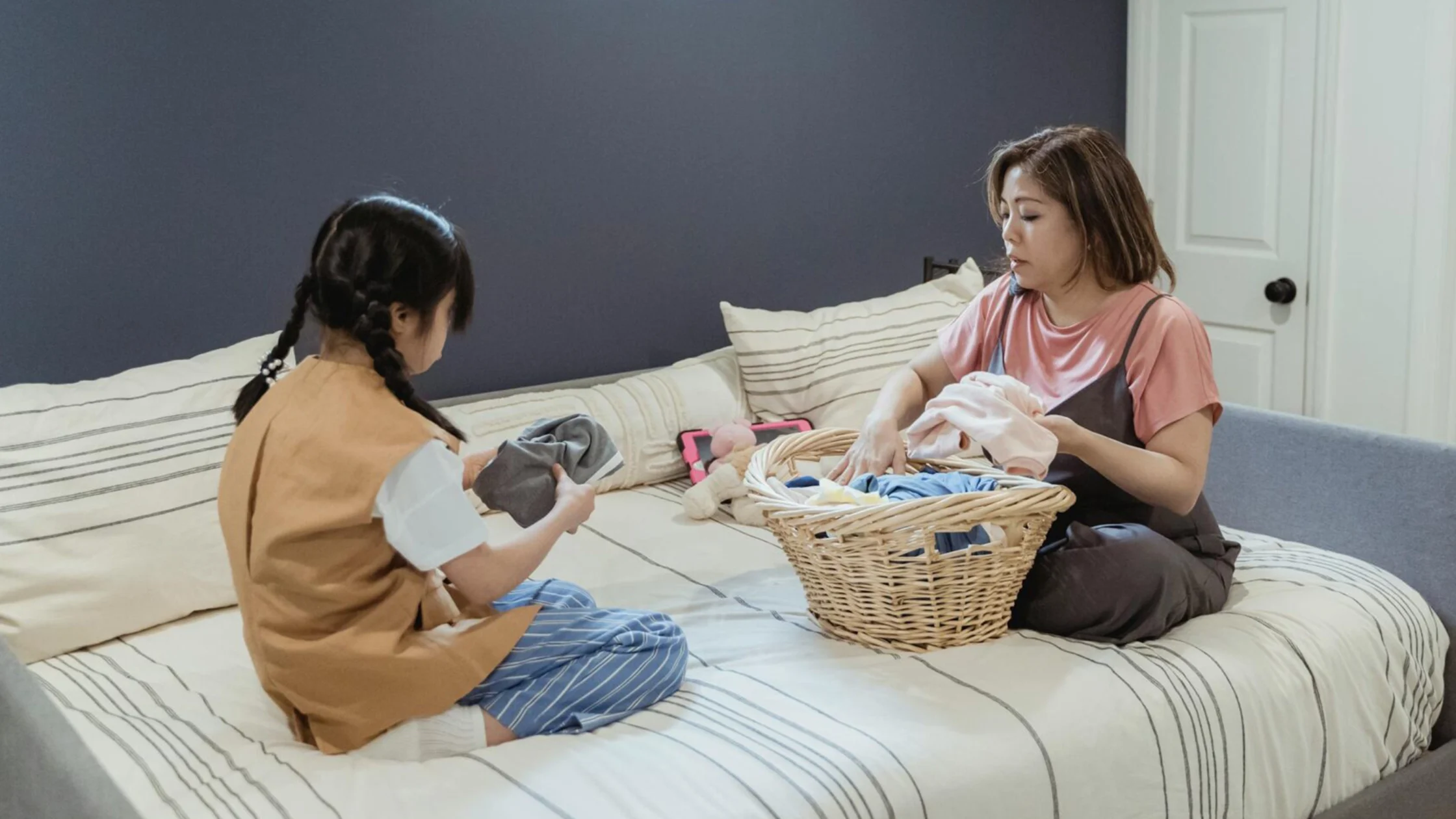
Is It Normal That Your Kid Is Calm But You’re Still On Edge?



Here’s why sometimes calm kids can stress us out.
Sometimes, one look at our calm kids can stress us out. Even if they’re regulated and just minding their own business. At times, it gets so frustrating that we’re the ones with clenched jaws and a short fuse that we sometimes make our own problems (as much as we hate to admit it).
But rest assured, sometimes, it really can be like that.
The truth is, parental stress doesn’t always mirror a kid’s behavior. Sometimes, a calm kid gives us space to finally feel everything we’ve been holding in. And sometimes, that’s when the cracks show.

Your nervous system is still in survival mode
Many Filipino parents live on constant alert: traffic, work deadlines, household logistics, extended familyExtended FamilyRelatives beyond the parents and children, such as grandparents, aunts, uncles, and cousins, who often help raise a child. In Filipino households this network shares childcare, wisdom, and support, though dynamics, and budget worries layered on top of each other.
When your child is calm, your body doesn’t automatically follow. It’s still bracing for the next problem.
Stress lingers not because you’re weak—but because your nervous system hasn’t been taught how to stand down. Calm kids don’t instantly reset stressed adults. Regulation is learned, not contagious.
Old stress doesn’t disappear just because parenting “looks fine.”
Some stress isn’t new. It’s inherited.
Unresolved pressure from how we were raised. Being told to “kaunti nalang.” Growing up around anger, silence, or emotional suppression.
When your child stays calm during conflict, it can highlight something uncomfortable: you were never taught how to process stress safely.
So instead of relief, we feel irritation—or shame. That doesn’t make us bad parents. We’re just in the middle of playing “emotional catch-up.”
New stressors don’t always feel dramatic, but they accumulate
Not all stress kicks the door down and screams like a dramatic police raid.
Sometimes, it whittles away whatever patience we have left. Who’s cooking dinner? Who paid for tuition? When’s this homework due? Why is everyone freaking out? — These questions are from the mental load. And unfortunately, those are the kind of questions that need instant responses. Because if we don’t get them, the brain runs in circles, and we end up exhausting ourselves and still having no answers.
And tired parents are more reactive—not because they want to be, but because their capacity is depleted.
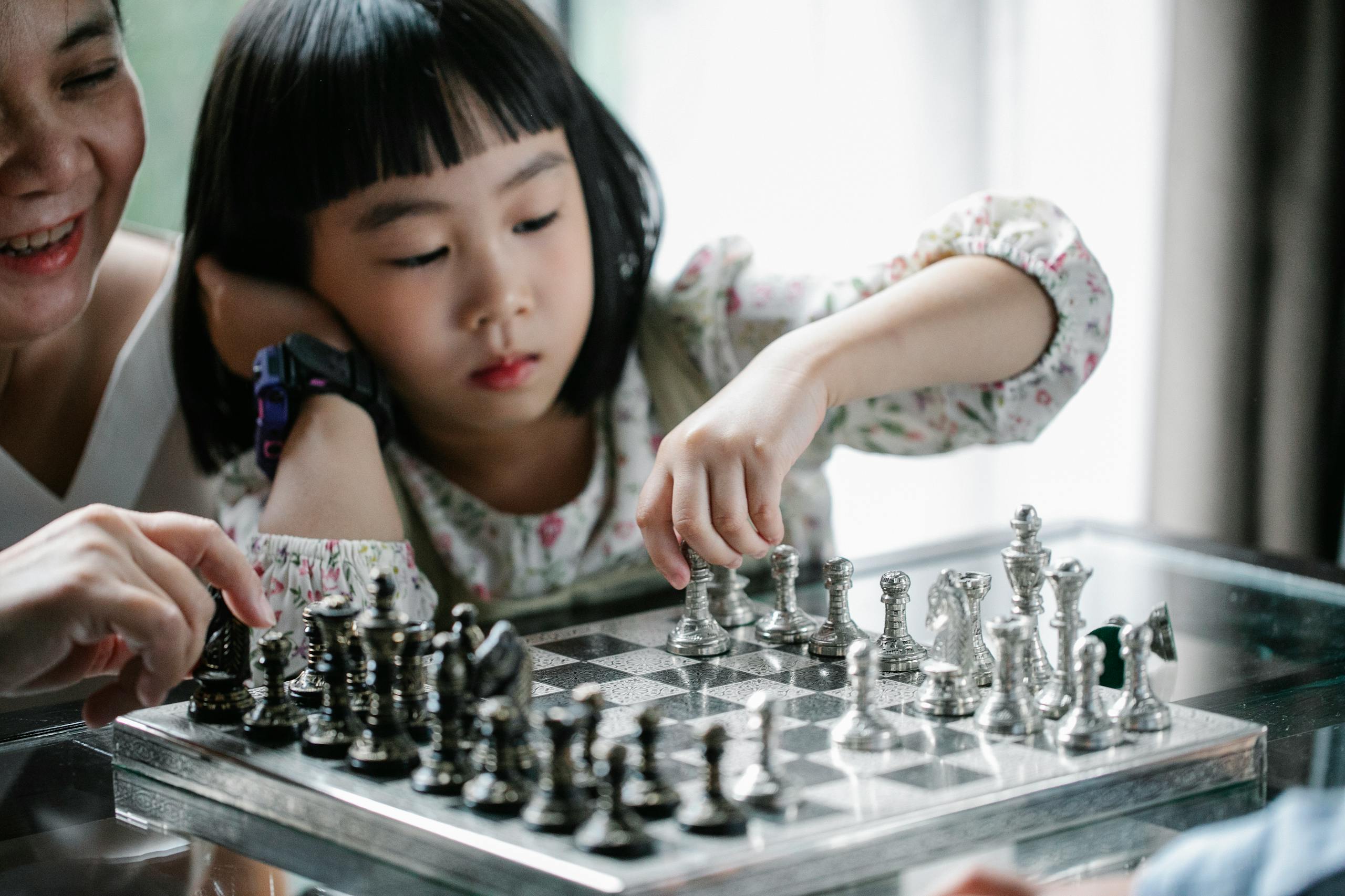
Calm kids can unintentionally trigger guilt
“But, they’re calm! They shouldn’t trigger anything!”
Yes and no. Yes, they shouldn’t because explicitly—they’re not doing anything to stress us out. They’re just there doing kid things.
But as a parent who’s always handling the mental load, we’re always looking at “what’s the next problem?” It’s an addiction in a sense. We’re so familiar with the chaos that peace looks absolutely abnormal. So, to restore that chaos, we flip out at our calm kids.
Which, honestly, doesn’t do anybody good.
Stress management isn’t about removing stress—it’s about closing the loop
Many parents think stress management means eliminating stress. That’s unrealistic—especially in the Philippines, where family, finances, and community responsibilities overlap.
Real stress management is about completion. Letting your body finish what stress starts.
That might look like:
- a short walk without your phone
- breathing exercises between tasks
- stretching before bed
- talking through frustrations instead of swallowing them
- five minutes of quiet before responding to your child
Small closures tell your body: you are safe now.
Calm Kids Are A Parenting Win
Instead of seeing our calm kids as proof that we’re “doing it wrong,” try seeing it as an achievement: “You did good, mama/ papa. Everything’s right as rain.”
So if ever we see our kids calm, remember that maybe everything’s just right in the world. We are deserving of moments like that. Parenting doesn’t always have to be a chaotic mess. There can be little pockets of peace, too.
Frequently Asked Questions
Yes. Your stress is shaped by many factors beyond your child, including work pressure, finances, and unresolved emotional patterns.
No. Kids are more resilient than we think. They actually stay calm so long as we don’t freak out.
Focus on reducing your baseline stress, not just reacting in the moment. Daily decompression works better than willpower.
It can be both. Parenting often activates old stress we never learned to process while adding new pressures on top.
If anger, anxiety, or irritability feels constant or uncontrollable, seeking support is a strength—not a failure.
More about frustration and stress management?
How We Develop Stress Responses: A Family Perspective
How Does Knowing Your Stress Language Help?
Moms’ Mental Load: “Because Someone Has To Do It”