
When War Makes Headlines: A Parent’s Guide to Explaining Conflict to Kids



Here’s how parents can talk to their kids about war
For parents, talking about war isn’t easy. Unfortunately, it’s a conversation we can’t avoid. School, social media, and even friends may talk about it—especially for those whose parents are OFWs who work in the Middle East. While their questions willoften come from curiosity, concern, or even anxiety, it’s also okay to not have all the answers. The most important part is: we don’t dismiss them.
Here’s a practical, parent-friendly guide to help you navigate this sensitive topic with care.

1. Start by Listening, Not Lecturing
When your child brings up war, begin by asking what they’ve heard or what they think is happening. This sets a foundation of trust and shows that their thoughts are taken seriously. Younger children might have partial or inaccurate information—and that’s okay. Asking open questions helps you correct misunderstandings gently and frame the issue in terms that children can grasp.
Keep your voice calm and avoid gory details. Sometimes, all kids need to know is that they’re safe and not directly involved in the war.
2. Explain What War Is, in Simple Terms
Politics and blame can be big for a kid to process, so the best thing to do is describe war as a fight that got too big for anyone to stop. If they ask why adults resort to using weapons and killing, then the best thing we can tell them is the truth: “Because some believe it’ll solve the problem.”
Avoid directly referring to people as “good” or “bad.” It’s the acts of war that we condemn.
Some kids may even enjoy the violence, but remind them that war is no video game. There’s no respawn. They’ll understand it this way, “If you get oofed, you stay oofed. No coming back from that.”
3. Be Mindful of Age and Emotional Readiness
Very young children don’t need every detail—or surreal images from the news. Limiting exposure to graphic coverage helps protect their emotional well-being. Older kids might want more context, so tailor your explanation to their age and maturity. Discuss the news whenever you can with them so they can have a better understanding of what’s going on.
4. Center the Conversation on Safety and Compassion
War can trigger fear and anxiety. Reassure your child that they are safe at home and surrounded by people who care about their well-being. Highlight helpers too—doctors, peace negotiators, volunteers—so children can see that conflict isn’t the whole story.
Explain that regardless of what adults do, most people, including children like them, want peace and safety.
5. Let Your Kids Be Scared
If your kids are not scared of war, then that’s more problematic. It’s normal to be terrified; people die. When there’s war on one side of the world, everybody gets hit—directly and indirectly.
Let your child express their feelings—through words, drawing, or play. Some children cope better when they can express sadness or confusion in nonverbal ways.
6. Study The Involved Countries’ Histories
Knowledge makes fear easier to process. War becomes scary because we have no idea why people would resort to killing each other. But a lot of times, wars happen after years of building up resentment and hatred. Studying the histories and cultures will at least allay the kids’ fears as they find answers to why people are waging war.
Conflicts Are Never Easy To Process
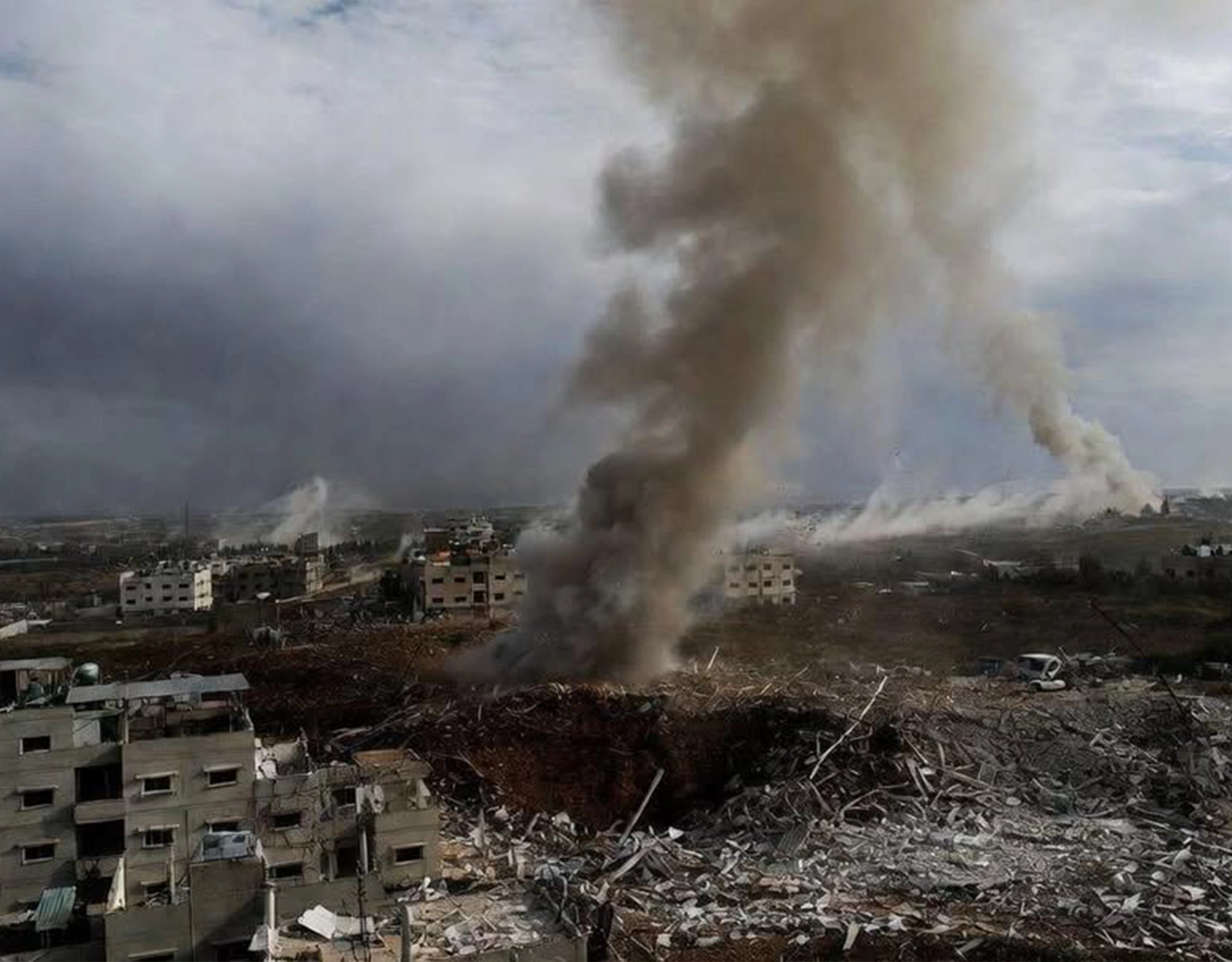
Whether it’s within the country or beyond its borders, wars affect everyone. When countries supplying certain goods are hit by disaster and conflict, it affects prices. All the more now with social media, everyone’s updated by the blow-by-blow happenings.
Filipino families with OFW relatives working or stationed in the Middle East face the reality that their loved one may not come home. Worse, they may have to identify the bodies if they even find them.
So when kids ask about war, give the most important details. The more they know, the less terrified they’ll be.
Frequently Asked Questions
At some point, kids will end up finding that content. So, once the opportunity presents itself, time for parents to talk about it.
Check which ones are too abstract to understand. Age is usually a good criterion to base on.
A lot of times, kids enjoy the violence because they see it in video games. They think they can bounce back from getting shot or the like before getting back at their opponent. Remind them that it only works in video games. Real life doesn’t play like that.
That’s okay. It’s okay to tell them we don’t know.
Limit the graphic images, but keep the written news.
More about explaining hard topics to kids?
Explaining Why People Rally: A Parent’s Guide
How To Talk To Kids About Death
Bala Tamayo: Major Dad