
5 Ways Parents Can Teach Kids to Recognize and Challenge Misogyny



Teach your kids early to challenge stereotypes perpetuated by society
When stereotypes are repeated often enough, they begin to feel normal. That’s when they become dangerous. For parents, one of the most important responsibilities today is helping children recognize misogyny—and teaching them how to challenge it.
March is International Women’s Month, a time meant to celebrate women’s empowerment. Yet even in 2026, sexist remarks are still often brushed off as “jokes.” Recently, actress Anne Curtis made headlines after calling out a congressman who made a lewd remark about her. Instead of staying silent, she spoke up and rejected what she described as a non-apology.
Anne’s experience is not unique. Many women encounter sexism daily—at work, in school, online, and even in casual conversations. As parents, we have the opportunity to shape how our children see and respond to these situations. Conversations about respect, equality, and empathy should begin early.
Here are five ways to start educating your kids about misogyny.
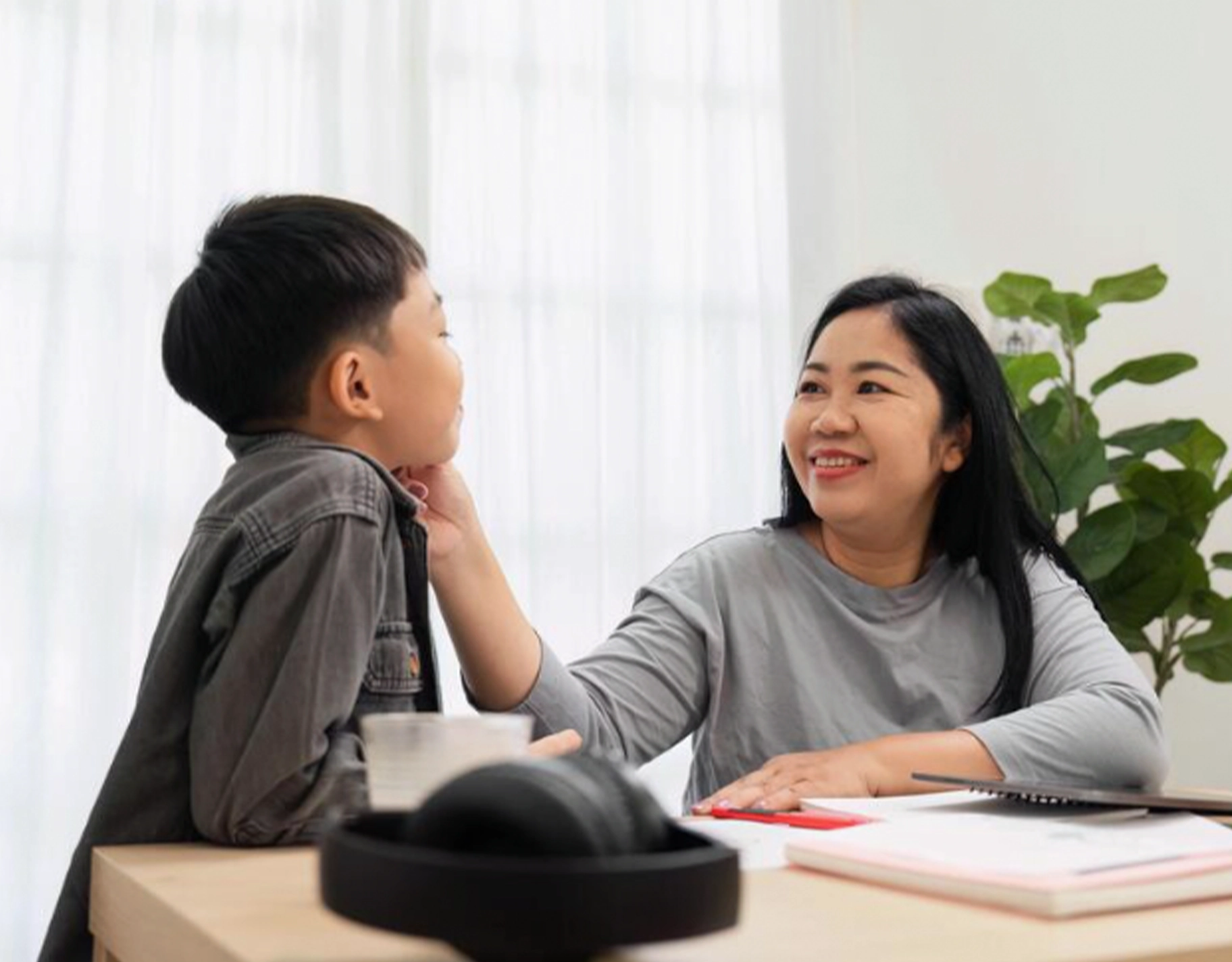
1. Start the Conversation Early
One of the simplest but most powerful steps is to talk about it openly.
Use examples from current events, television shows, movies, or even situations your child might observe in school. Explain that certain words, jokes, or comments can be harmful—even if some people treat them as humor.
Yes, these conversations can feel uncomfortable. But when parents initiate them, children learn that this topic isn’t taboo. Encourage questions and curiosity. The goal is not just to warn them about harmful behavior—but to help them recognize it when they see it.
2. Be Mindful of Everyday Language
Children absorb language quickly, and seemingly harmless phrases can reinforce stereotypes.
Statements like “boys don’t cry” or “you throw like a girl” might sound casual, but they send the message that certain emotions or abilities belong to only one gender.
Instead, choose language that is inclusive and respectful. Teach kids that words matter—and so do actions. Conversations about personal boundaries and appropriate physical contact are also essential. What may seem harmless to one person may feel uncomfortable or invasive to another.
Helping children understand consent and respect early can prevent harmful behavior later.
3. Teach Safety and Respect—Offline and Online
Today’s kids grow up navigating both real-world and digital spaces.
Many sexist remarks and harassment now happen online, where people often feel emboldened by anonymity. Parents should help children understand how to respond when they encounter disrespect—whether in person or on social media.
Discuss digital citizenship. Remind them that kindness, empathy, and accountability should apply online just as much as they do offline. Guide them in thinking critically about what they see and hear, and reassure them that it’s okay to speak up when something is wrong.
4. Walk the Talk: Examine Your Own Biases
Children watch what we do more than what we say.
If parents want their kids to challenge stereotypes, they must also reflect on their own biases. Consider how gender roles are portrayed at home: Who does what chores? How are emotions expressed? How do adults talk about women and men?
Modeling respect and equality in everyday life shows children that these values are not just ideas—they are practices.
5. Support Your Child if They Experience Sexism
If your child—especially your daughter—comes to you after being the target of a sexist comment, the most important response is support.
Reassure them that disrespectful remarks are never their fault. No one deserves harassment because of what they wear, how they speak, or who they are.
Listen carefully, validate their feelings, and help them decide how to respond—whether that means reporting the behavior, speaking up, or seeking help from trusted adults. Most importantly, remind them they are not alone.

Empowerment starts at home
Parents often wish they could shield their children from the harsh realities of the world. But eventually, kids will step out and navigate it on their own.
That’s why empowering them early matters.
Teaching children—especially daughters—that they can speak up, set boundaries, and pursue their dreams is one way to help build a more respectful future.
As veteran actress Hilda Koronel once said during a screening of the film Sisa: “They can do anything they want, especially in this day and age. We can do it.”
And that confidence often begins with what children learn at home.
Sources:
Girl Scouts: https://www.girlscouts.org/en/raising-girls/happy-and-healthy/happy/kids-and-sexist-language.html
UN Women: https://www.unwomen.org/en/articles/explainer/how-to-talk-to-kids-about-gender-equality-and-stereotypes
Frequently Asked Questions
Misogyny refers to prejudice or discrimination against women and girls. Parents can explain it to children in simple terms by discussing respect, fairness, and why hurtful jokes or stereotypes about girls and women are not acceptable.
Parents can begin introducing ideas about respect, equality, and stereotypes as early as preschool. As children grow older, conversations can become more detailed, especially when discussing media, social behavior, and online interactions.
Parents can encourage children to speak up respectfully, explain why the joke is harmful, or choose not to participate. Teaching empathy and critical thinking helps children recognize when humor crosses the line into disrespect.
Children often learn their values from their families. Discussing misogyny at home helps kids develop empathy, understand boundaries, and grow into adults who treat others with respect.
Parents can model equality by challenging stereotypes, sharing responsibilities at home, speaking respectfully about others, and encouraging both boys and girls to pursue their interests without limitations.
More on Women’s Month
National Women’s Month 2026: Reclaiming the Babaylan Spirit at Home and Beyond
3 Important Laws Parents Should Know Protecting Their Kids On and Offline
Personal Space Please! How Parents Can Teach Their Kids About It