Indonesia Joins Countries Restricting Social Media for Teens—Will Others Follow?



Indonesia joins the growing list of countries implementing social media restrictions for young kids
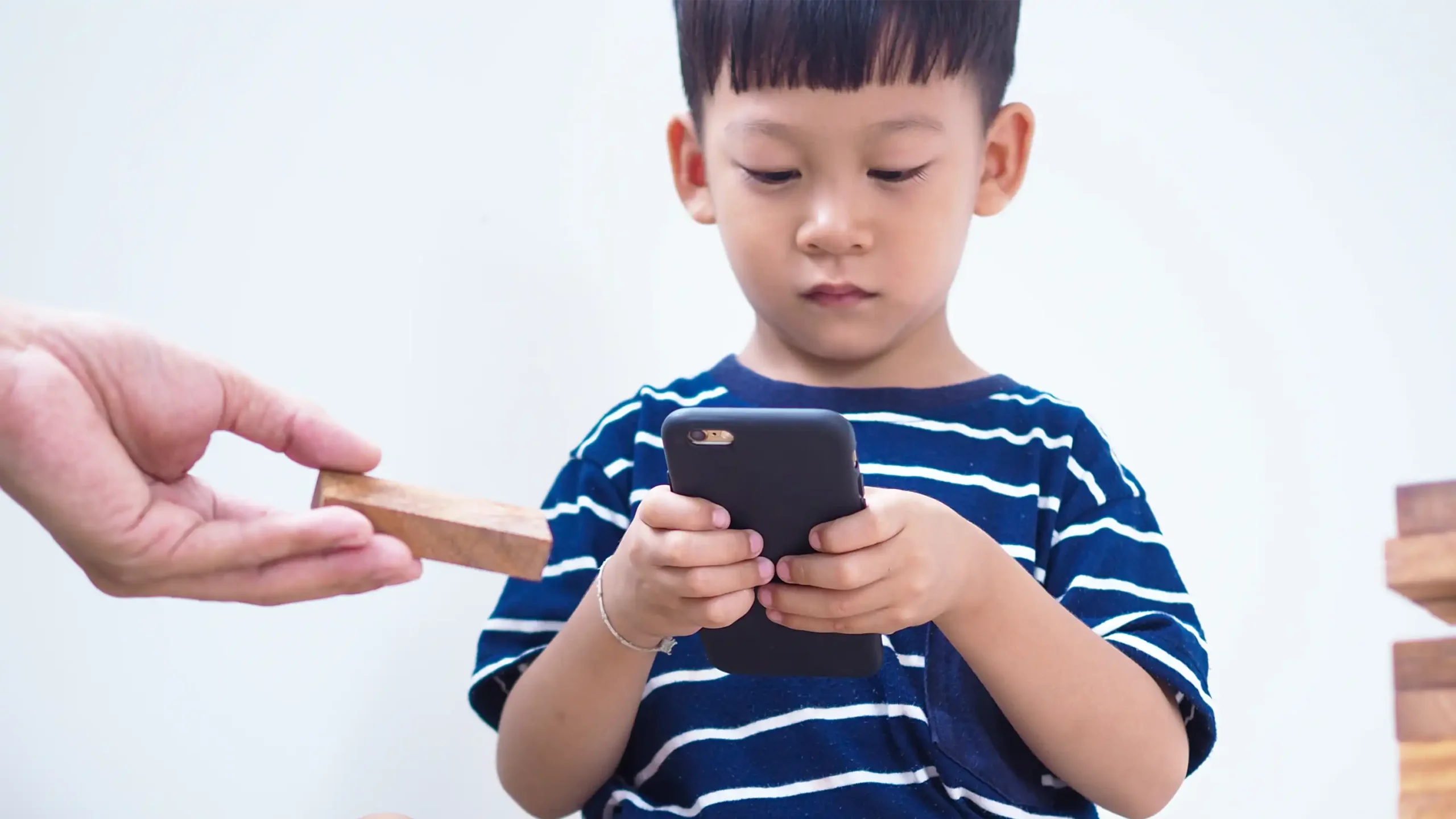
As conversations around children’s online safety continue to grow worldwide, Indonesia has become the latest country to announce plans to restrict social media access for teenagers under 16.
The move makes Indonesia one of the first non-Western nations to introduce such restrictions as governments grapple with how to protect young users online while still recognizing how integral digital spaces have become in their lives.
Indonesia’s Communications and Digital Minister, Meutya Hafid, announced that the government will begin delaying access to social media accounts for users under 16 through a ministerial regulation issued on March 6.
The regulation will cover major platforms such as TikTok, Instagram, Facebook, and Roblox. Implementation is expected to begin gradually, starting March 28.

A Gradual Rollout
According to Hafid, the restrictions will not happen overnight. Instead, the government plans to introduce the changes gradually as social media platforms work to comply with the regulation.
“The process will be done gradually until all platforms perform their obligations,” Hafid said in a statement. “We realize this may cause discomfort in the beginning. Children may complain, and parents may be confused dealing with their complaints.”
The policy comes amid growing concern over children’s exposure to online risks. Indonesian officials say the restrictions aim to reduce issues such as cyberbullying, addiction, and exposure to inappropriate content online.
As of writing, companies behind the platforms—including Meta Platforms, TikTok, and Roblox Corporation—have yet to release statements regarding the decision.
A Growing Global Trend
Indonesia joins a growing list of countries trying to regulate children’s access to social media. In December, Australia introduced similar restrictions to limit access by users under 16 on major platforms.
Closer to home, Malaysia is also studying whether to implement stricter rules on social media use for teenagers, with potential measures expected to be discussed in 2026.
Could This Influence Southeast Asia?
Indonesia’s decision is likely to spark conversations across Southeast Asia—including in the Philippines—about how governments and families can better manage children’s digital habits.
Last year, Panfilo Lacson filed a bill that would restrict social media access for children under 16. The proposal remains pending, with child rights advocates urging lawmakers to carefully study its potential impact.
Many experts note that while social media can expose children to risks, it also serves as a space where young people find connection, community, and opportunities for self-expression.
For now, kids can still freely browse social media. But as more countries explore restrictions, one question remains for parents and policymakers alike: Will limiting access actually make the online world safer for children—or will it simply push them to find new ways around the rules?
Frequently Asked Questions (FAQs)
Indonesia’s government says the restriction aims to protect children from online risks such as cyberbullying, exposure to inappropriate content, and social media addiction.
The regulation is expected to cover major platforms including TikTok, Instagram, Facebook, and Roblox.
The policy was announced on March 6 by Communications and Digital Minister Meutya Hafid, with implementation expected to begin gradually starting March 28.
Experts say restrictions may reduce exposure to harmful content, but many also emphasize the importance of parental guidance, digital literacy, and open conversations about online behavior.
More on social media and safety
Instagram Strengthens Teen Safety With Search Alerts for Parents
YouTube Updates Parental Controls to Support Healthier Screen Habits
Why Today’s Kids Aren’t As “Tech-Literate” As Many Believe