How Parents Can Prevent Measles: A Practical Guide for Families



Here’s how families can protect their loved ones from measles
Measles-rubella cases are once again on the rise, according to the Department of Health (DOH). In Mindanao, particularly the Bangsamoro Region and SOCCKSARGEN (South Cotabato, Sultan Kudarat, Sarangani, General Santos City), have reported 344 cases and 322 cases, respectively. Compared to last year, the number of cases has jumped by 45%.
The good news is that measles is treatable and preventable. Of course, as many doctors would say, it’s better to do prevention than intervention. No one’s really in the mood to stay in the hospital nowadays.
To prevent a hospital stay and a debilitating disease, here are some things parents need to know about measles-rubella.
What Is Measles?
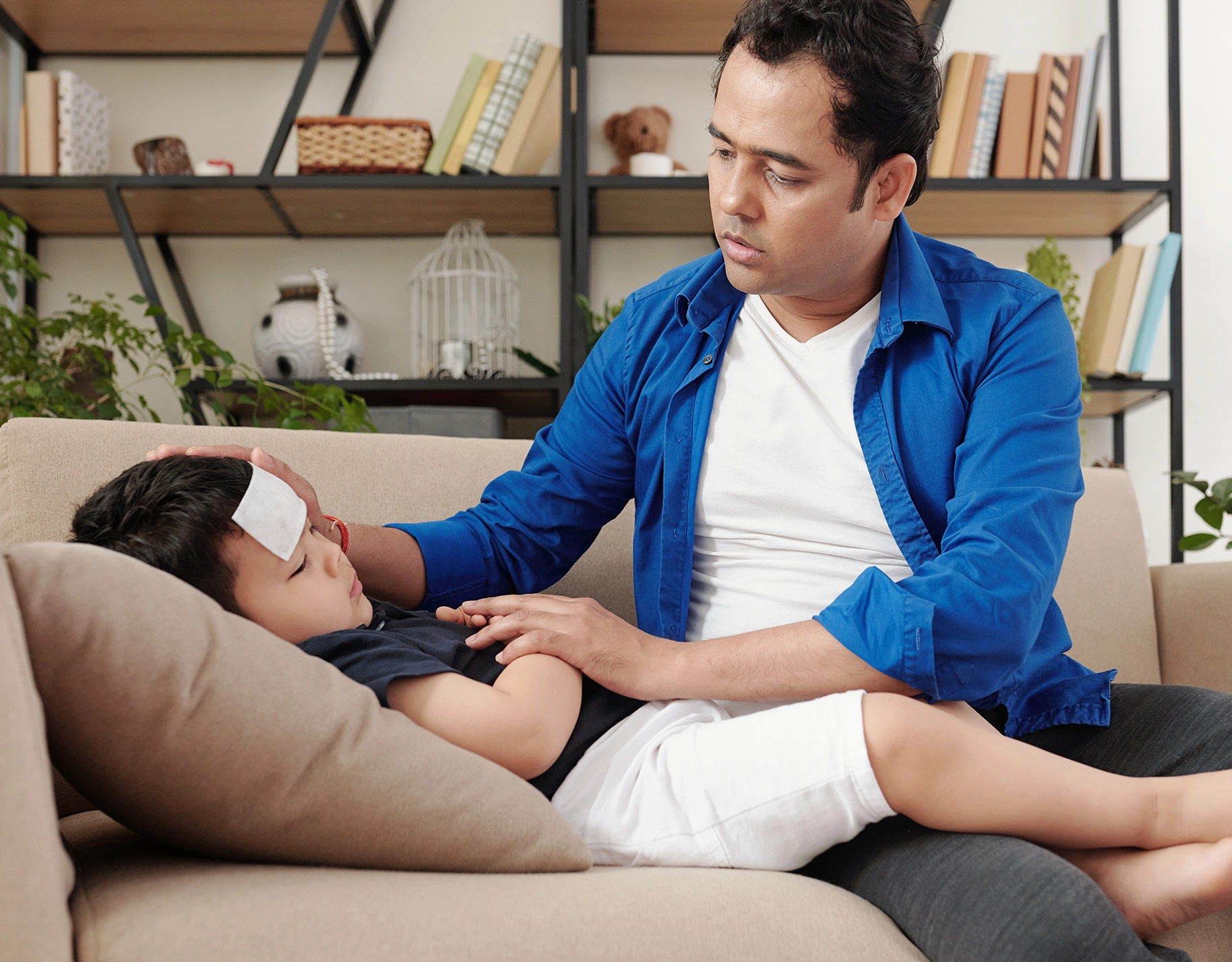
Measles is a highly contagious viral infection that spreads through the air when an infected person coughs or sneezes. It can linger in the air or on surfaces for hours, making it easy to catch—especially for children. The disease was discovered by Persian physician Rhazes (Abu Bakr Muhammad Zakariyyā Rāzī) in the 9th century, becoming treatable in the 1960s.
While some may think of measles as a common “childhood illness,” it can lead to serious complications such as pneumonia, brain inflammation, and even death in severe cases.
Symptoms of Measles
Measles doesn’t always show up all at once. It often starts like a regular infection before progressing into something more serious.
Watch out for these symptoms:
- High fever
- Runny nose
- Red, watery eyes
- Persistent cough
- Small white spots inside the mouth (Koplik spots)
- A red rash that usually starts on the face and spreads downward
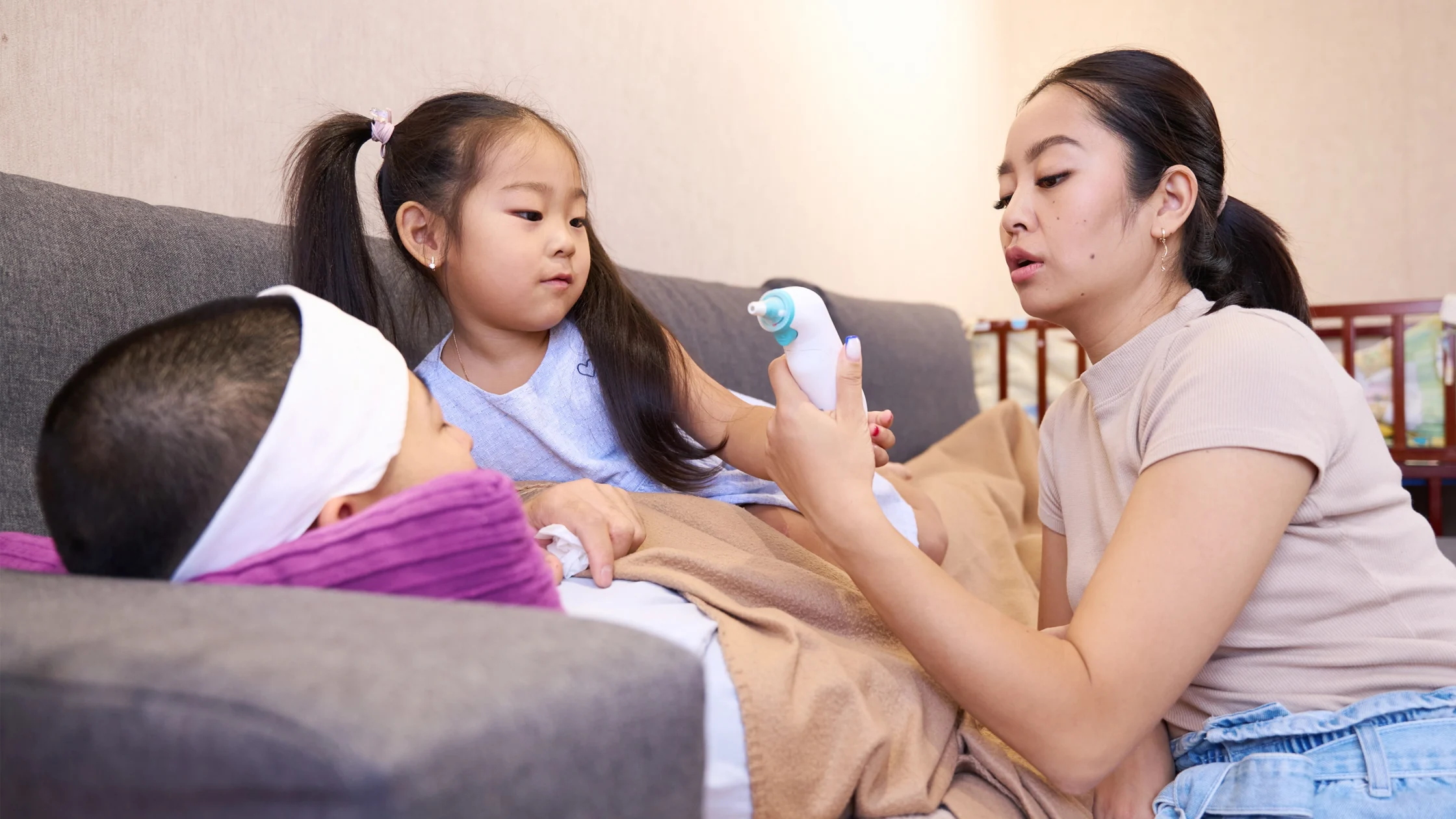
If symptoms appear, it’s important to consult a doctor immediately and avoid exposing others, especially young children.
Who is most commonly affected by Measles?
Children, especially those who are unvaccinated or under-vaccinated, are the most vulnerable.
Infants, toddlers, and school-aged kids are at higher risk because:
- Developing immune systems
- Close contact with others in schools or playgrounds
- Outdated or incomplete vaccinations
Communities with lower vaccination rates also tend to experience faster spread, which is why outbreaks can happen quickly.
First Line of Defense: Measles-Rubella Vaccine
The Measles-Rubella (MR) vaccine remains the most effective protection against the virus.
Health experts recommend:
- the first dose during infancy
- a second dose for continued protection
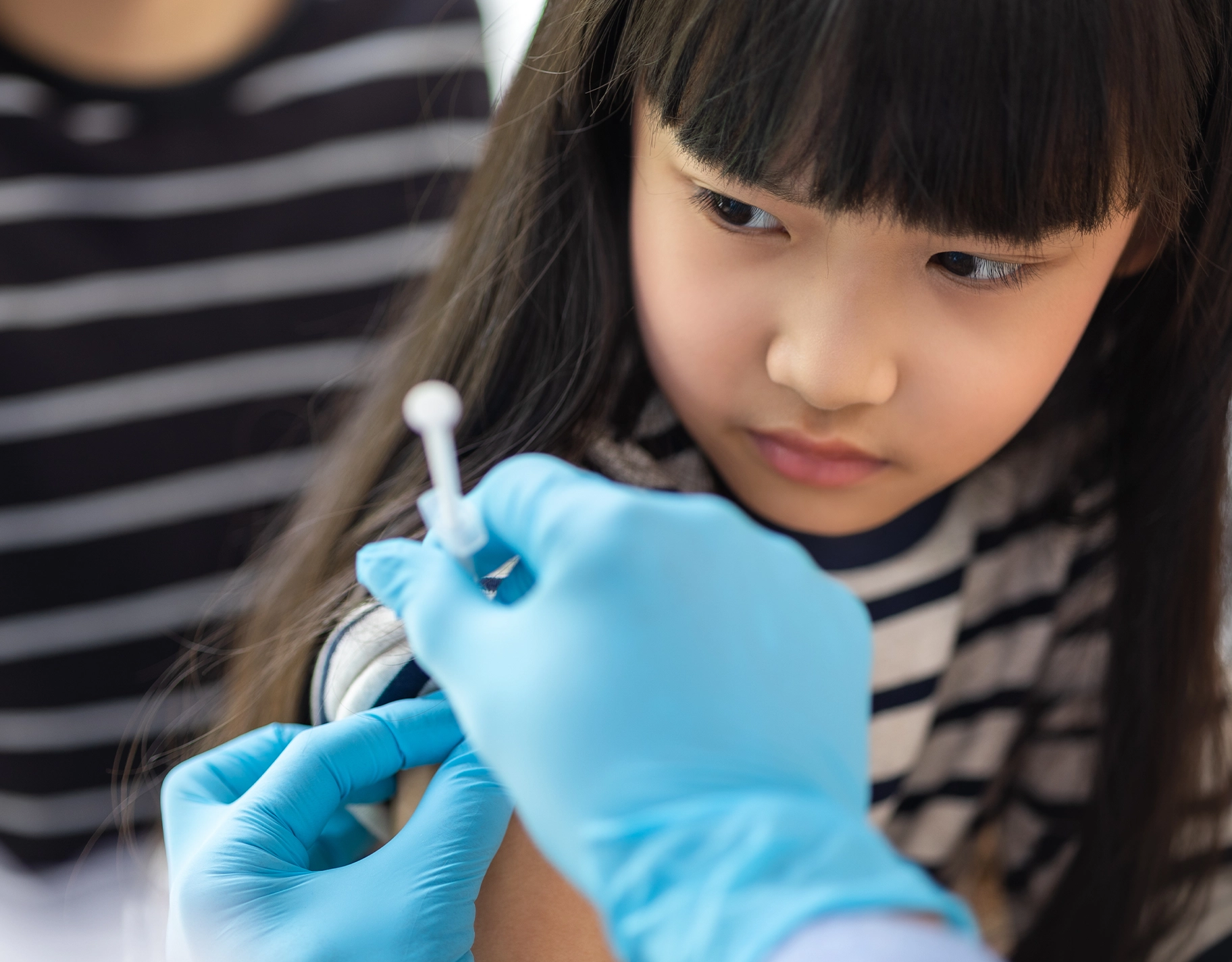
Vaccination offers two kinds of protection. While it protects our kids from being infected, it also reduces the chances of them becoming “carriers” for the virus—indirectly protecting those who are immunocompromised. Most pediatricians would recommend parents get the vaccines early to make sure babies don’t get infected. After all, with relatives visiting to “ooh” and “aah” over the baby, they may unwittingly carry the virus without knowing.
6 Practical Ways Parents Can Help Prevent Measles
1. Keep Vaccinations Up to Date
Make sure your child receives the complete MR vaccination schedule. It’s the strongest defense against infection. Always consult the pediatricianPediatricianA doctor who specializes in the health of babies, children, and teens. Regular visits for checkups, growth tracking, and vaccines give parents a trusted guide, and a good pediatrician listens with the schedule.
2. Avoid Exposure During Outbreaks
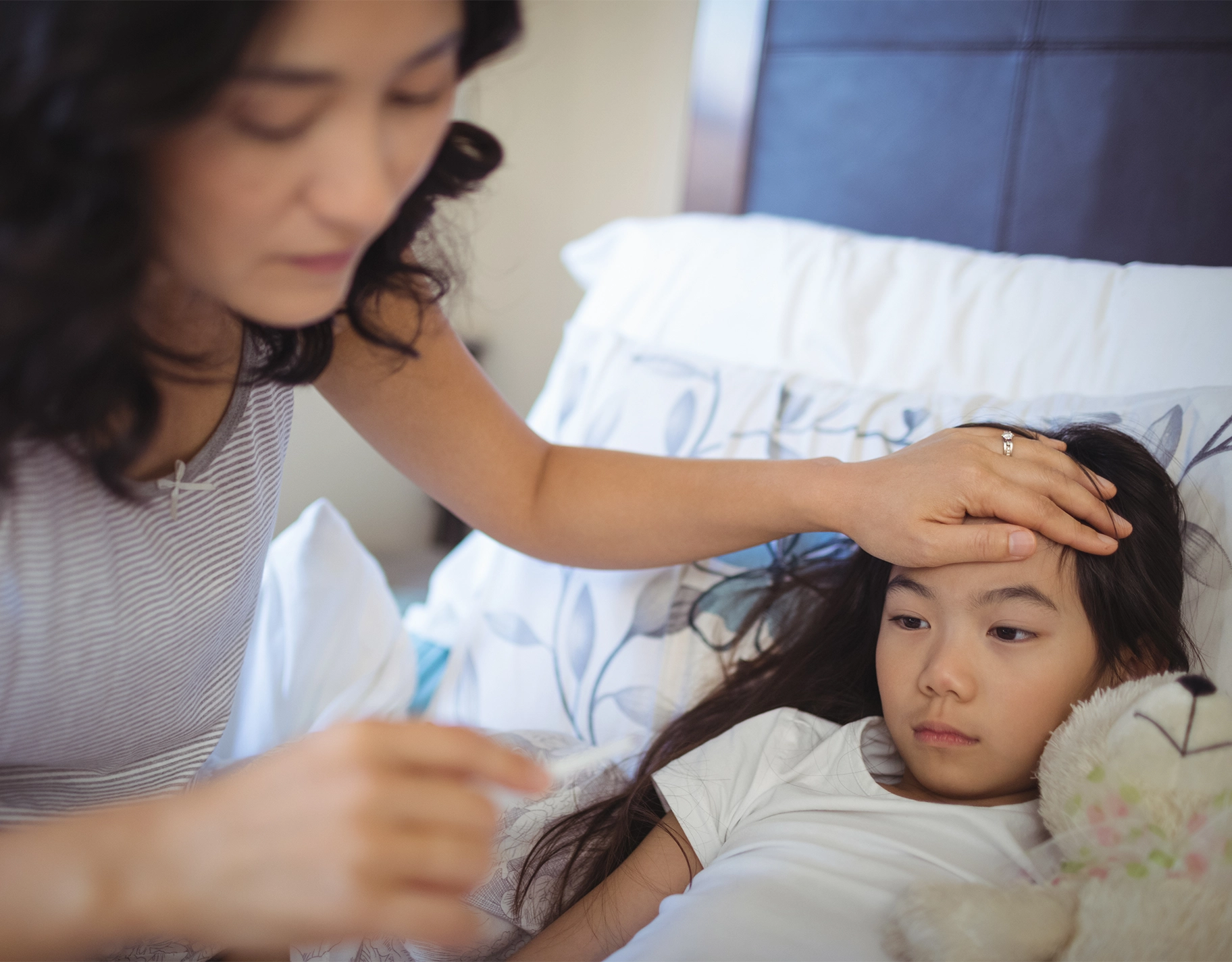
If there are reported cases in your area, limit trips to crowded places and avoid close contact with sick individuals. And if our kids are the ones sick, keep them at home. Nobody wants to be the “outbreak monkey” or what doctors jokingly call “Patient Zero”—the origin of the viral spread.
Also, when our kids get the vaccine, keep them at home first. Give their immune system time to learn and deal with the virus. They may have some discomfort for awhile like headaches and the like. Older kids can swallow a tablet to deal with the low-grade fever. Babies and younger kids may need it in syrup form or just need help maintaining their body temperature while they weather it out.
3. Strengthen Children’s Immunity
A healthy lifestyle often does the trick. Eating balanced and scheduled meals and getting high-quality sleep does wonders. Sure, some might be resistant to doing so in the name of doing well in school, but trust us—it’s just one test and not worth burning the midnight oil over.
Hygiene also plays a big role as it manages the germs that the immune system has to fight. Not eating random objects, washing hands, covering their mouth when they cough—those keep the disease at bay.
4. Stay Alert to Early Symptoms
Catching symptoms early allows for quicker medical attention—and prevents further spread. When it starts, don’t hesitate to contact the barangay health worker or our kids’ pediatricianPediatricianA doctor who specializes in the health of babies, children, and teens. Regular visits for checkups, growth tracking, and vaccines give parents a trusted guide, and a good pediatrician listens.
A Gentle Reminder for Parents
Measles is treatable—but that doesn’t mean it’s something families should take lightly.
It’s not a fight worth picking.
It’s always better to prevent infection than to go through the stress, fear, and discomfort of seeing a child fall sick. For parents, peace of mind often starts with preparation—and small, consistent steps can go a long way in keeping children safe.
Frequently Asked Questions
Giving kids the measles-rubella vaccine is the first step to preventing the infection. While some might not develop complete immunity, it reduces the infection’s severity by a lot.
The Measles-Rubella (MR) vaccine is safe, effective, and recommended by health experts to protect children from serious complications.
Children typically receive the first dose in infancy and a second dose later for full protection. Parents should follow their pediatrician’s schedule.
Seek medical advice immediately, keep the child isolated, and avoid exposing others—especially younger children.
Increased cases are often linked to lower vaccination rates, missed immunizations, and higher exposure in crowded environments. Most of the time, those affected with measles are in communities that have little access to proper medical facilities.
More about diseases and prevention?
Invasive Meningococcal Disease: Why Families Should Be Wary Of It
Nipah Virus: Should Filipino Families Be Concerned?
5 Reasons Why Some Suffer From Vaccine Hesitancy