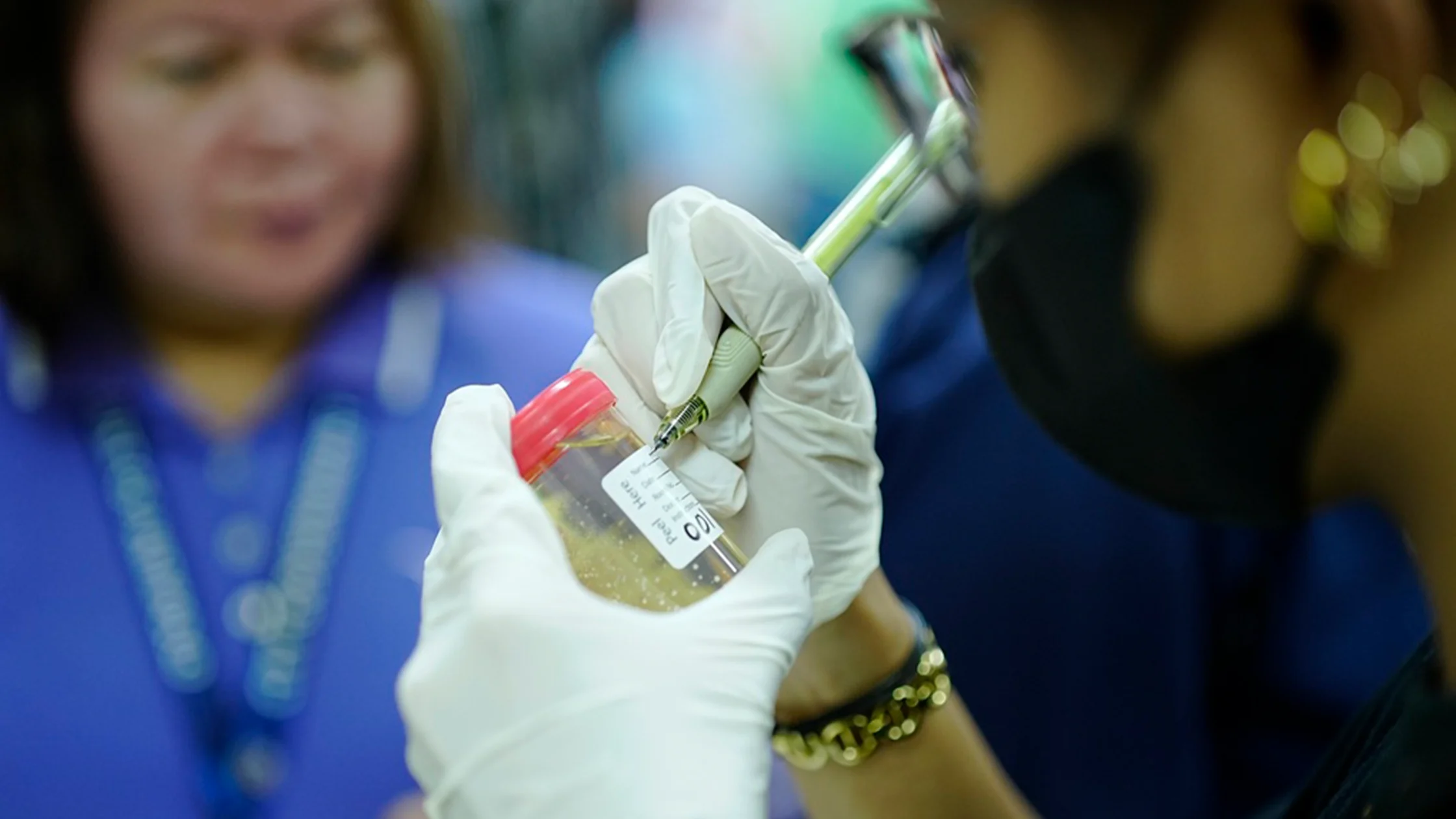
From Barangay to Home: Making Kidney Care Accessible for Every Filipino Family



Discover why early detection of kidney disease is crucial and how local screenings are helping families stay healthy longer
For many Filipino families, health concerns have been a priority, but they always take a back seat to provide for the family. Sometimes conditions like fatigue, occasional nausea, or symptoms experienced are brushed off as “normal pagod.” But when it comes to Chronic Kidney Disease, silence can be costly.
In the Philippines, an estimated 13 million Filipinos are living with CKD, and many don’t even know it until it’s too late. By the time it’s diagnosed, families are often faced with the emotional and financial weight of long-term treatment like dialysis. It’s the kind of burden that doesn’t just affect one person—it reshapes daily life for the entire household.
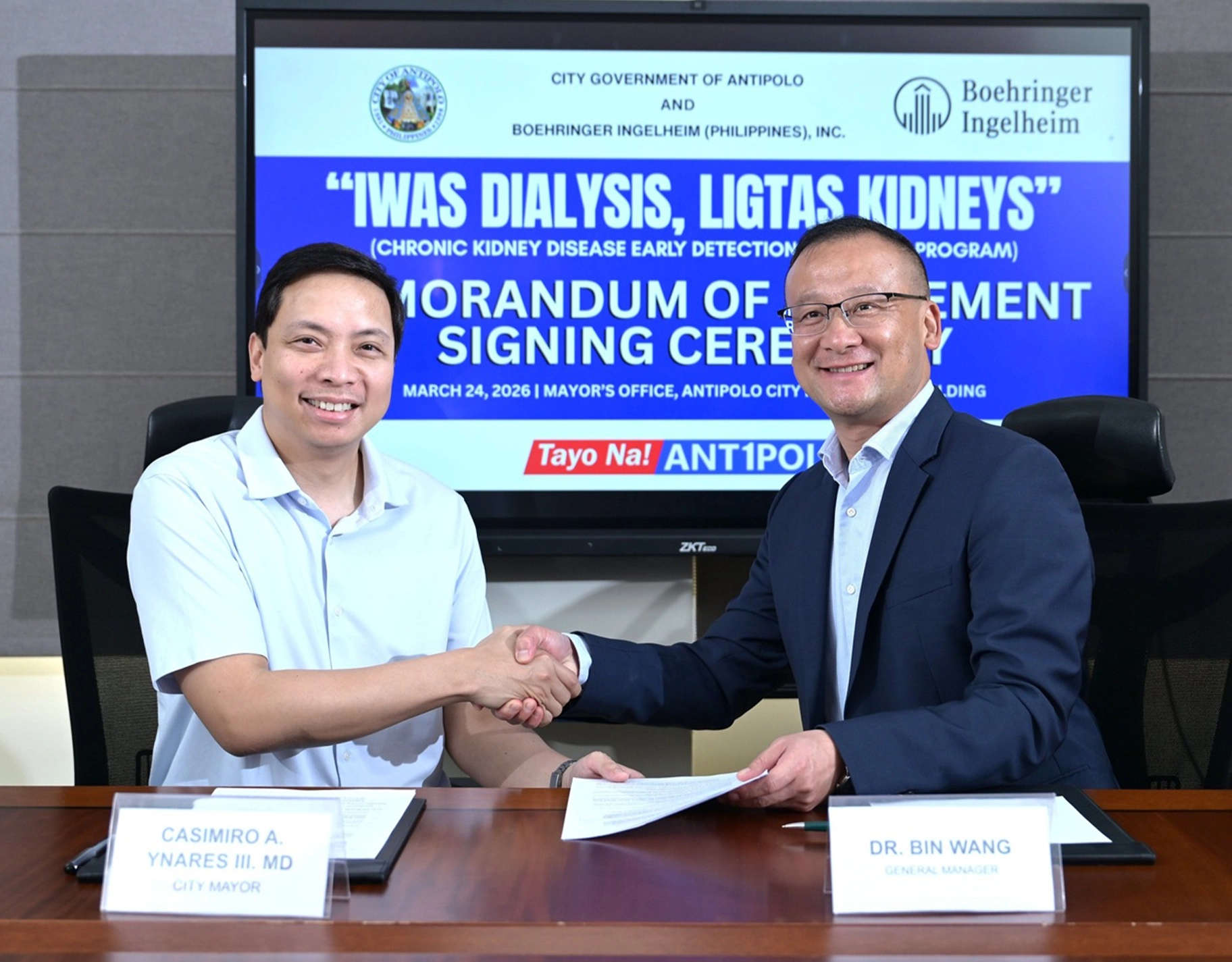
That’s why community-based efforts like Boehringer Ingelheim’s newly launched initiative, “Iwas Dialysis, Ligtas Kidneys: Get CheCKD Habang Maaga Pa!”, feel less like a medical campaign and more like a lifeline for parents, grandparents, and caregivers.
Healthcare That Meets Families Where They Are
Launched in District 1 of Quezon City and expanded to Antipolo City, the program brings kidney health services directly into barangays—where families live, work, and raise their children.
Instead of waiting for symptoms to worsen, over 1,500 at-risk Filipinos have already received screenings through the initiative. These aren’t just routineRoutineA predictable daily rhythm for waking, meals, school, play, and sleep. Routines give children a sense of security, reduce power struggles, and make busy mornings smoother, while some flexibility keeps check-ups—they’re early interventions that can mean the difference between manageable care and life-altering treatment.
This kind of access matters for many families, especially those who cannot afford it. It removes barriers like cost, distance, and even fear—making it easier to prioritize health before it becomes an emergency.
Empowering the Frontliners of Family Health
One of the most impactful parts of the program is its focus on empowering Barangay Health Workers (BHWs). More than 200 healthcare providers across 20 barangays have been trained—not just to assist, but to advocate.
These are the same people families turn to for everyday concerns. Now, they’re equipped to:
- Conduct initial health assessments
- Guide patients through screenings
- Help identify early signs of kidney damage
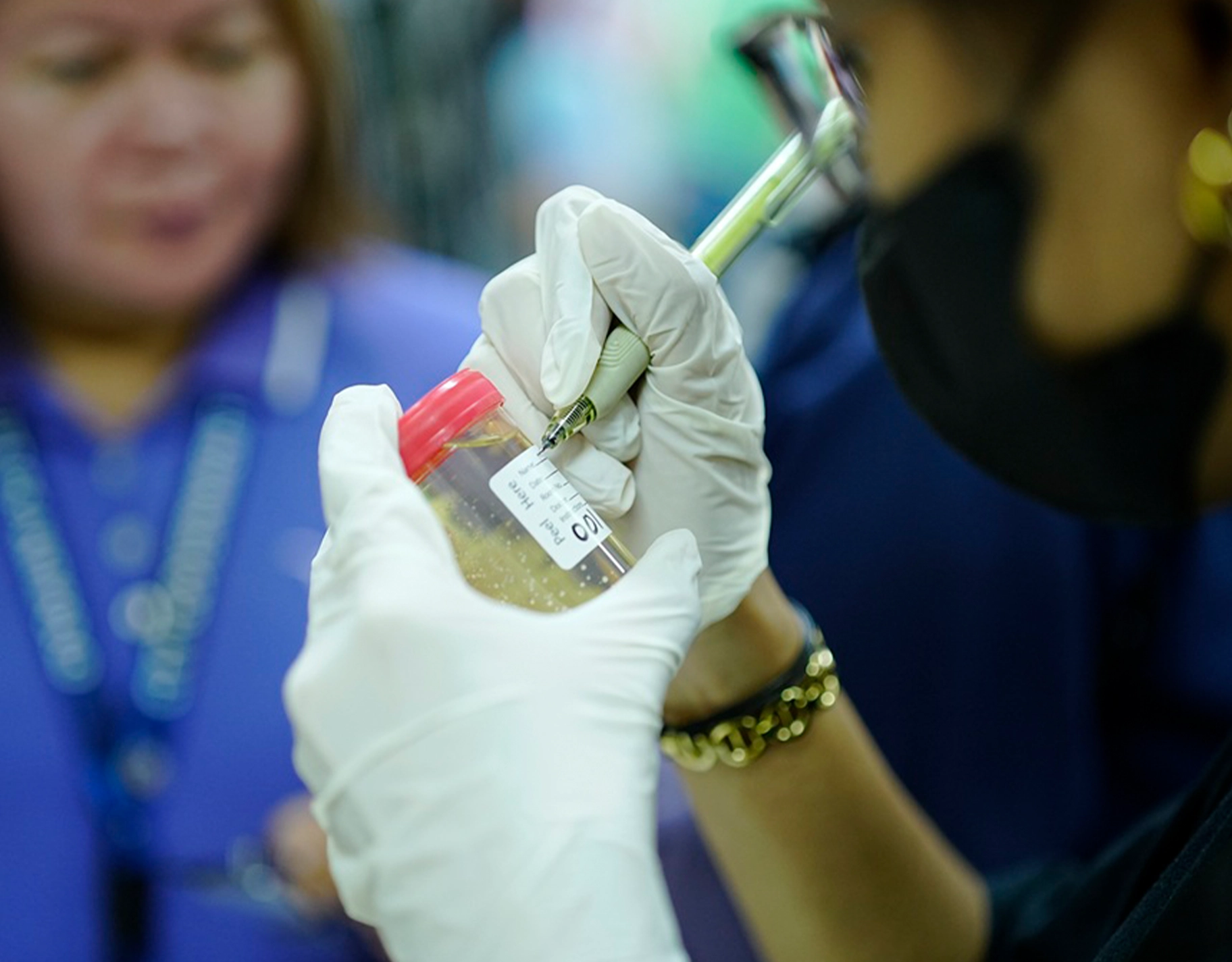
With simple but powerful tools like urine albumin-to-creatinine ratio (uACR) tests, they can detect risks even before symptoms appear.
A Family-Centered Approach to Prevention
CKD is often linked to conditions many Filipino families already manage daily, like diabetes and hypertension. Add lifestyle factors like high-sodium diets, stress, and lack of physical activity, and the risk quietly grows over time.
But here’s the shift: prevention doesn’t have to feel overwhelming.
It can start with small, family-centered habits:
- Choosing balanced, home-cooked meals
- Encouraging regular movement—even simple walks together
- Staying consistent with health check-ups
Because when one family member gets sick, everyone adjusts. And when one family member takes a step toward better health, that ripple effect can be just as powerful.
Why Early Screening Is an Act of Care
As shared by local leaders and healthcare advocates, the goal is simple but urgent: break the cycle.
When kidney disease is detected early, families gain something invaluable—time. Time to manage, to adjust, and to avoid the steep costs—financial and emotional—of advanced treatment.
And in the context of modern parenting, that matters deeply. It’s about being present longer, staying healthier for your children, and building a future where wellness is part of everyday family life.
Because caring for your kidneys isn’t just about you—it’s about showing up for the people who count on you most.
Frequently Asked Questions
Chronic Kidney Disease is a condition where the kidneys gradually lose their ability to filter waste from the blood. It often develops silently, with symptoms appearing only in later stages.
Early screening helps detect kidney problems before symptoms appear. This allows for lifestyle changes and treatment that can slow or prevent disease progression.
People with diabetes, hypertension, a family history of kidney disease, or those who are older, overweight, or smokers are at higher risk and should consider regular screening.
Screening typically includes simple tests like blood pressure checks and urine tests (such as uACR) to detect early signs of kidney damage.
Beyond health complications, CKD can bring financial strain due to long-term treatment like dialysis. It can also impact a family’s emotional well-being and daily routines.
While not all cases are preventable, risk can be reduced through a healthy diet, regular exercise, managing blood sugar and blood pressure, and routine check-ups.
Early symptoms may include fatigue, swelling, changes in urination, nausea, or itchy skin—but many people experience no symptoms at all in early stages.
More on health issues
World Mental Health Day 2025: Healing Minds in Times of Crisis
The Health Talk Every Mom and Daughter Should Be Having
A New Study on Endometriosis Shines Hope for Infertility