The Devil Wears Prada 2 Shows Why Mentors Can Feel Like Parents



Nigel Kipling has long seen something in Andy Sachs, and that’s what mentorship is about
After years of anticipation, The Devil Wears Prada 2 finally arrived, revisiting the glamorous yet cutthroat world of fashion publishing. But unlike the 2006 original, the sequel reflects a different landscape altogether — one shaped by digital media, fast-changing technology, and the constant pressure to stay relevant.
Still, beyond the fashion shows, designer gowns, and social media-driven publishing wars, what makes the film resonate is its emotional core. The Devil Wears Prada 2 is still about relationships, identity, and the people who shape us into who we become.
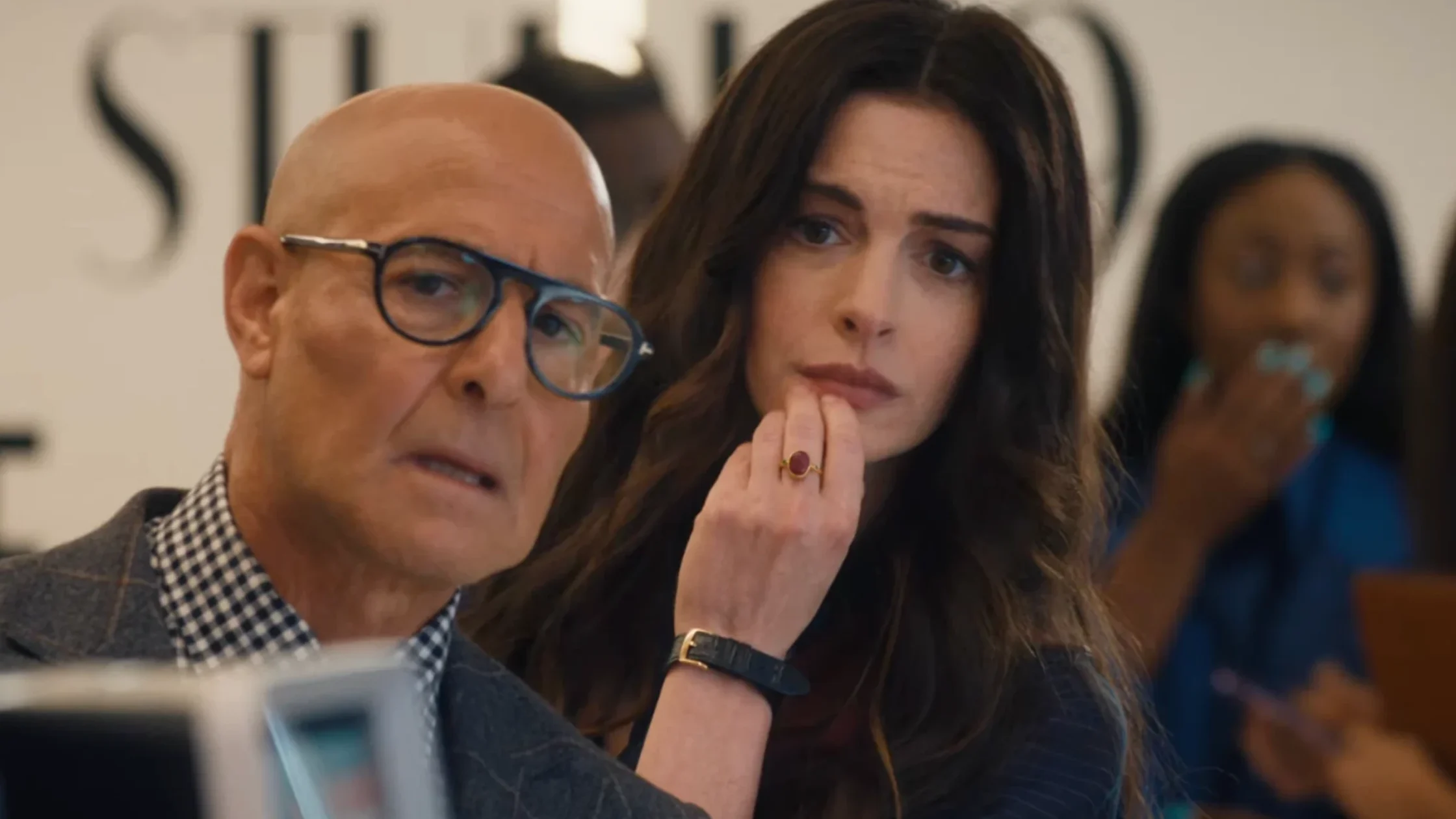
And surprisingly, one of the strongest examples of that comes from Nigel Kipling.
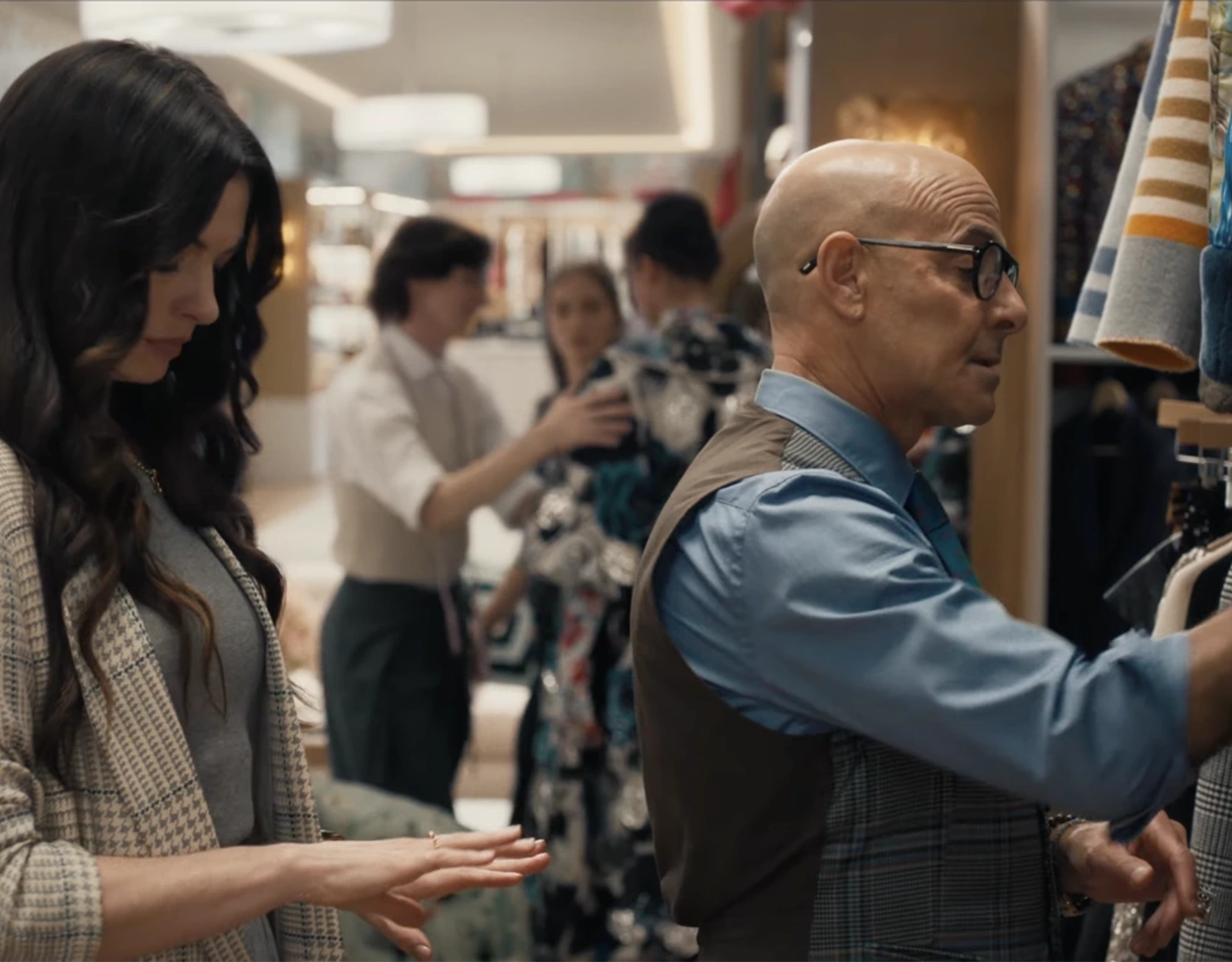
The characters feel familiar for a reason
Like many beloved films, The Devil Wears Prada 2 mirrors real life in ways viewers may not immediately realize. The characters feel familiar because, in one way or another, we’ve met people like them before — at home, at work, or even within ourselves.
There’s Miranda Priestly, the intimidating editor-in-chief of Runway. To some viewers, she may remind them of strict parents whose expectations can feel impossible to meet. Yet beneath her tough exterior is someone who has openly struggled to balance ambition and motherhood. The sequel continues to show the sacrifices that often come with success, especially for women expected to excel in every area of life.
Then there’s Emily Charlton, once the sharp-tongued assistant who measured worth through work ethic and designer labels. Now divorced with two children, Emily represents many modern single parents trying to juggle career goals, parenting responsibilities, and personal happiness — all while attempting to hold themselves together. Sometimes she succeeds, sometimes she doesn’t. That honesty makes her relatable.
Andy Sachs, meanwhile, returns to Runway after setbacks in her journalism career. Older, wiser, and more confident, she works her way back into an industry that once overwhelmed her. Her journey in the sequel isn’t just about career redemption — it’s about rediscovering her voice and proving to herself that journalism still matters.
But among all the characters, it’s Nigel who becomes the emotional anchor of the story.
Nigel Kipling and the power of mentorship
Throughout both films, Nigel has always been more than Runway’s creative director. He’s the person who sees potential before others do.
Even after being overlooked multiple times, Nigel remains deeply loyal — not out of weakness, but because he believes in people. In the sequel, he finally receives a moment that allows him to step into leadership, proving that experience, patience, and confidence still matter in an industry obsessed with reinvention.
But perhaps his most meaningful role is the one he plays in Andy’s life.
The film later reveals that Nigel was the one who sent word about Andy’s credentials, which paved the way for her return to Runway. He believed in her abilities long before others did, cheering her on even when she doubted herself. He guided her without coddling her, reminding her that difficult industries require resilienceResilienceThe ability to bounce back from setbacks, disappointment, and stress. Children build it through supportive relationships, chances to solve problems, and adults who show that mistakes are part of learning, adaptability, and emotional strength.
And honestly, that’s what good mentors often do.
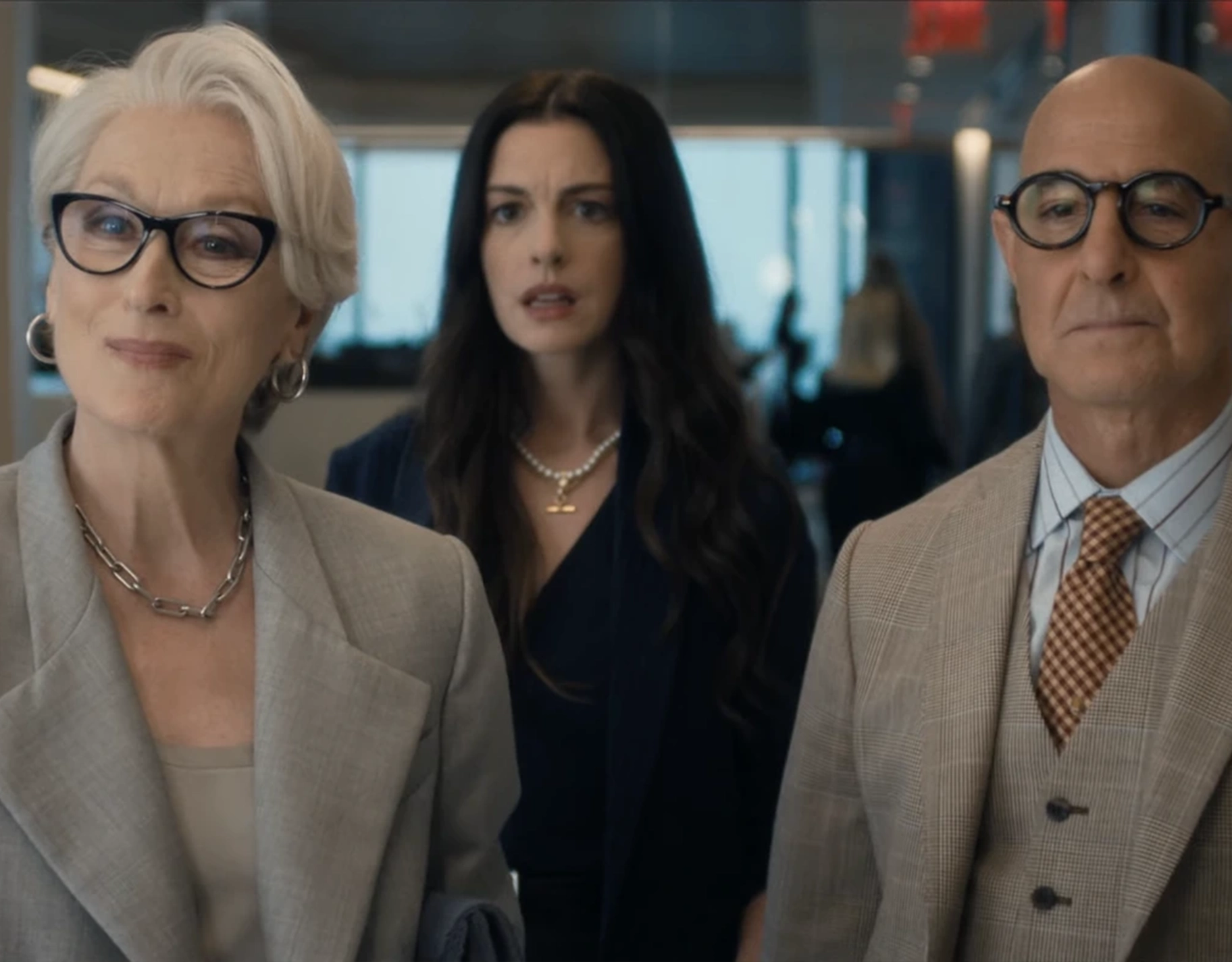
Mentors are a lot like parents
Not everyone is lucky enough to have a mentor who genuinely wants to help them grow. In competitive spaces, it’s easy to encounter people who withhold opportunities or feel threatened by someone else’s potential.
That’s why Nigel stands out.
He never tried to control Andy’s path. Instead, he offered guidance, honesty, and support — the same qualities many parents try to give their children as they navigate adulthood.
Like parents, mentors all have different ways of teaching. Some are gentle. Others are blunt. Some encourage with praise, while others push through tough conversations. Their methods may not always be easy to understand in the moment, but often, the intention comes from wanting someone to succeed.
And much like parenting, mentorship requires patience, emotional investment, and belief in another person’s future.
The people who help shape us deserve credit too
One of the most touching things about The Devil Wears Prada 2 is that it acknowledges the people working in the background — the ones who help others grow without always receiving recognition themselves.
Parents do this all the time. So do mentors.
Sometimes, the people who shape our confidence aren’t the loudest voices in the room. They’re the ones who stay after failures, remind us what we’re capable of, and continue rooting for us even when we’re unsure of ourselves.
And maybe that’s why Nigel’s story feels so meaningful.
Because in a world that celebrates individual success, The Devil Wears Prada 2 reminds us that no one truly gets there alone.
Frequently Asked Questions (FAQs)
Nigel Kipling plays a major emotional role in the story because he continues to support and mentor Andy Sachs, showing the importance of guidance, encouragement, and believing in someone’s potential.
The sequel reflects modern parenting through characters balancing career ambitions, family responsibilities, and emotional growth. It also highlights how mentorship can sometimes mirror parental support.
Their relationship is built on trust, honesty, and encouragement. Nigel supports Andy without controlling her decisions, much like a parent guiding a child toward independence. he doesn’t sugar coat things to her and reminds her of the reality of their profession.
The characters feel relatable because they reflect real-life struggles involving work, family, ambition, and personal identity. Many viewers see aspects of themselves or people they know in the story.
More movie stories
WATCH: Minions Take Over Hollywood With The New “Minions & Monsters”
Cast of Home Along Da Riles Reunites in New Movie
Why Families Will Love PAW Patrol: The Dino Movie