Does My Furbaby Need A Companion?



Before getting another pet or companion for your furbaby, here are some things to consider
It’s no surprise how quickly we pity our furbabies when they’re alone at home. Especially when we scroll through all the cat-related or dog-related reels, a part of our hearts break. We think about how our pets (if we’re a single pet household) are just alone at home, lying around or crying for us. Then, it hits us: “What if we get a companion for our furbaby?”
We’re not talking about getting a “pet sitter.” We’re talking about an actual pet! But before we do, here are some things to consider:
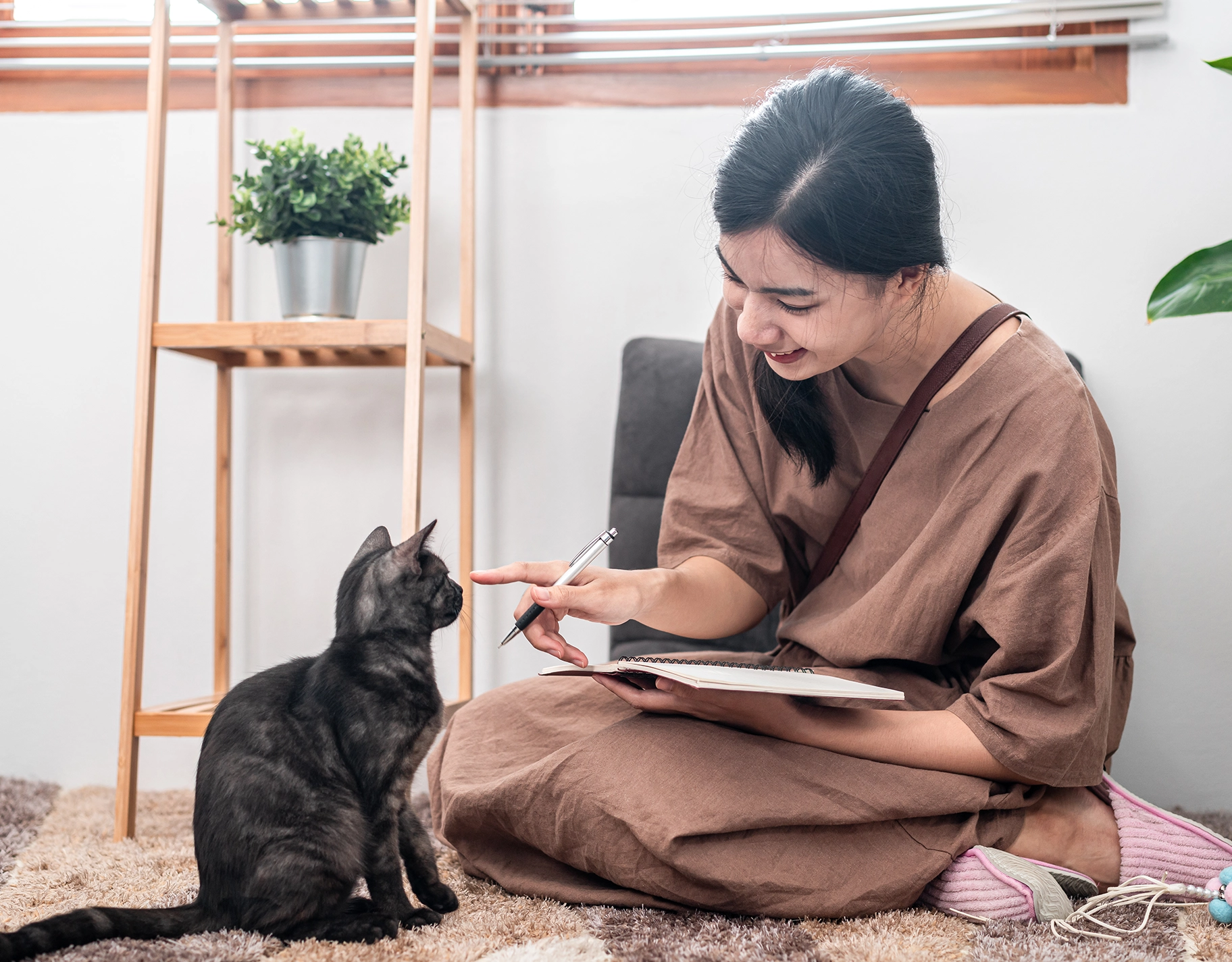
1. Is my furbaby an introvert or an extrovert?
It may sound silly, but it’s true: there are just some pets that don’t get along with others. No matter how hard we try to socialize them, they will either dart and hide or fight to assert dominance. Especially if they’re strays, they’re a hardy lot—fighting on the streets for territory or food are nothing new to them. It will be new however for an indoor cat or dog.
Usually, cats and dogs will show it via how they respond to environments. When the environment is happy but loud, extrovert pets will gladly sit around. Introverts will hide under the bed or somewhere until they feel safe.
2. Is there anything medical that prevents our pets from being with others?
For cats, the disease known as FIV makes them a solo pet. If they do get rough or feisty with another cat, their strikes may pass the disease to the other. And if the cat didn’t have FIV to begin with, then there’s a good chance for hospitalization or worse: death. Plus, the medical costs of managing FIV flare-ups usually has furparents thinking twice about owning another cat.
For dogs, it’s if they were adopted from a stressful event. They do get PTSD, especially retired military dogs. They require special care as they are trained to respond to danger. It’s why most K9’s when adopted, they are often sent to live with their human partner. It takes a lot of love and patience to have them settle down to a more peaceful life. So, getting a companion may not be in their best interest. UNLESS, they’re being adopted with a bonded friend.
3. Is our living space big enough?
Dogs need A LOT of running space. When not given, they suffer depression. Siberian Huskies particulaly lose five years off their lifespan due to depression from not being able to run around. We have to consider all the pet essentials like dog beds, towels, peeing mats, and the like because those do take up space.
Cats will have their cat trees and rarely like sharing one feeding spot with other cats. Eventually, one cat may dominate the other and leave the other to starve because they ate all their food.
4. Age gap between the furbabies
Age gap does matter, especially when it comes to their dynamics. Senior pets may prefer a slower lifestyle, which is something kittens and puppies don’t understand. Some furparents will implement a three-year gap maximum to make sure the pets get along.
However, there have been cases when a senior pet is mixed with a kitten or a puppy. They often have the patience, but that also takes a lot of time and depends if the senior is an introvert or an extrovert.
5. Most importantly, can we afford it?
We don’t mean the adoption process. It’s the maintenance. We’re still buying their food and essentials. Food will either double or triple, depending how much activity happens at home. Also, there will be days that the pets can’t share due to a skin disease and the like. So, it means setting aside some money also to buy a set of essentials for that particular furbaby.
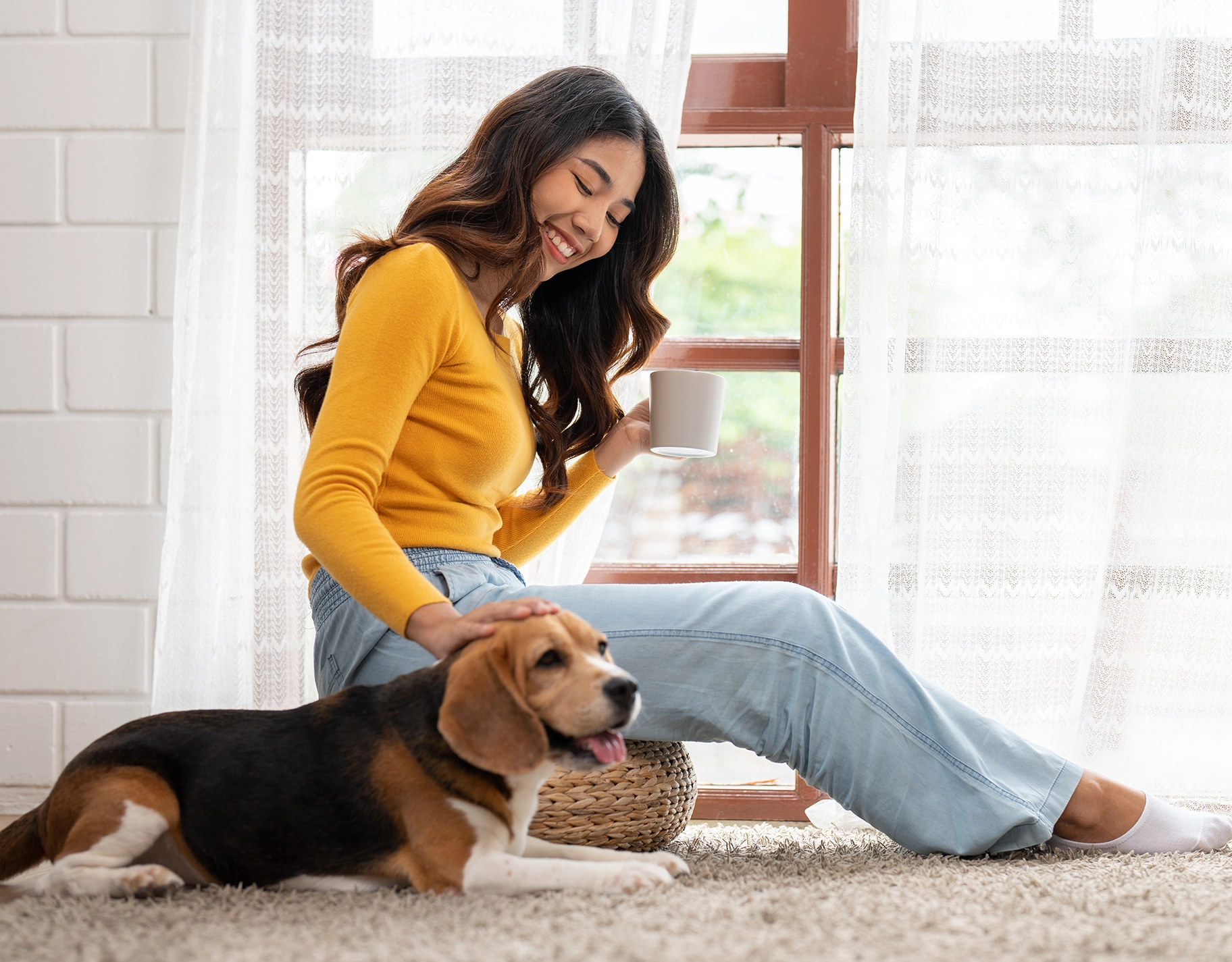
A Companion for Our Furbaby
It’s easy to be delighted by the bonded cats and dogs we see on social media reels. But what those don’t show is how much work it takes for them to bond. If they came as a bonded pair then, that’s great. But if they entered the house at different times, it takes a lot patience.
Why does it sound like we’re bringing in a new baby? Because that’s how it is: a new personality. Or in their case, a new scent which they will have to get used to.
Frequently Asked Questions
Not always. Check our furbabies’ personalities before getting them a companion.
Pets’ medical and behavioral history, personality, finances, and space
It’s very common in Philippine households, but there needs to be constant supervision before they are fully bonded.
Always start by scent exposure. Keep them in separate rooms, but expose them via their items. Make sure also to keep their food sources separate so they don’t feel like they’re competing.
Maybe human companionship, but another animal not so much. Some prefer living as a solo pet and depend heavily on the human instead.
More about pets?
Hypoallergenic and Family-Friendly Pet Breeds
Parents’ Choice Awards 2025: Pet Care
New Pet, New Questions: What First-Time Pet Parents Often Overlook Early On