UK to Ban Social Media for Children Under 16 Starting in 2027



The landmark policy aims to protect children from online harms, but experts say the conversation goes beyond screen time
The United Kingdom is set to become one of the latest countries to impose strict age restrictions on social media. On Monday, June 15, Prime Minister Keir Starmer announced that children under 16 will be banned from accessing major social media platforms beginning in 2027, part of a broader effort to address growing concerns about children’s mental healthMental HealthA person's emotional, psychological, and social well-being, which affects how children and parents think, feel, and cope. Open conversations, regular routines, and timely help from professionals make it easier for, online safety, and digital wellbeing.
The policy follows months of consultations on how technology is shaping childhood and whether governments should take a more active role in protecting young people online. Similar measures have already been introduced in Australia and other countries, reflecting a growing global movement to rethink children’s relationship with social media.
The move comes amid mounting evidence linking excessive social media use to anxiety, poor self-esteemSelf-EsteemA child's sense of their own worth and ability. Praising effort, giving responsibilities, accepting feelings, and avoiding harsh comparisons with siblings or classmates help children grow confident, kind, and willing, sleep disruption, and cyberbullyingCyberbullyingHarassment carried out through phones, social media, games, or messaging apps. Because it can follow a child home, parents should keep communication open, save screenshots as evidence, report the accounts, among young people.
Protecting Children in a Digital World
In a statement published on Substack, Starmer acknowledged the benefits that technology and artificial intelligence bring to modern life. At the same time, he argued that governments have a responsibility to step in when digital platforms pose risks to children’s wellbeing.
“Because of all the social issues caused by new technology, child protection is both the most serious and the most important,” he wrote. “I am simply not prepared to be a bystander when the safety and happiness of our children are at stake.”
For Starmer, the issue is deeply personal. As a parent, he said he understands why families want children to enjoy the opportunities technology offers. However, he believes many parents are witnessing the unintended consequences of constant exposure to social media.
“I think every parent can see, with their own eyes, that the reverse is true: social media is making them unhappy,” he said. “It is making it easier for bullies to harass and abuse them. It is exposing them to content that is dangerous or divisive. It may even be harming their mental healthMental HealthA person's emotional, psychological, and social well-being, which affects how children and parents think, feel, and cope. Open conversations, regular routines, and timely help from professionals make it easier for.”
More Than Just Screen Time
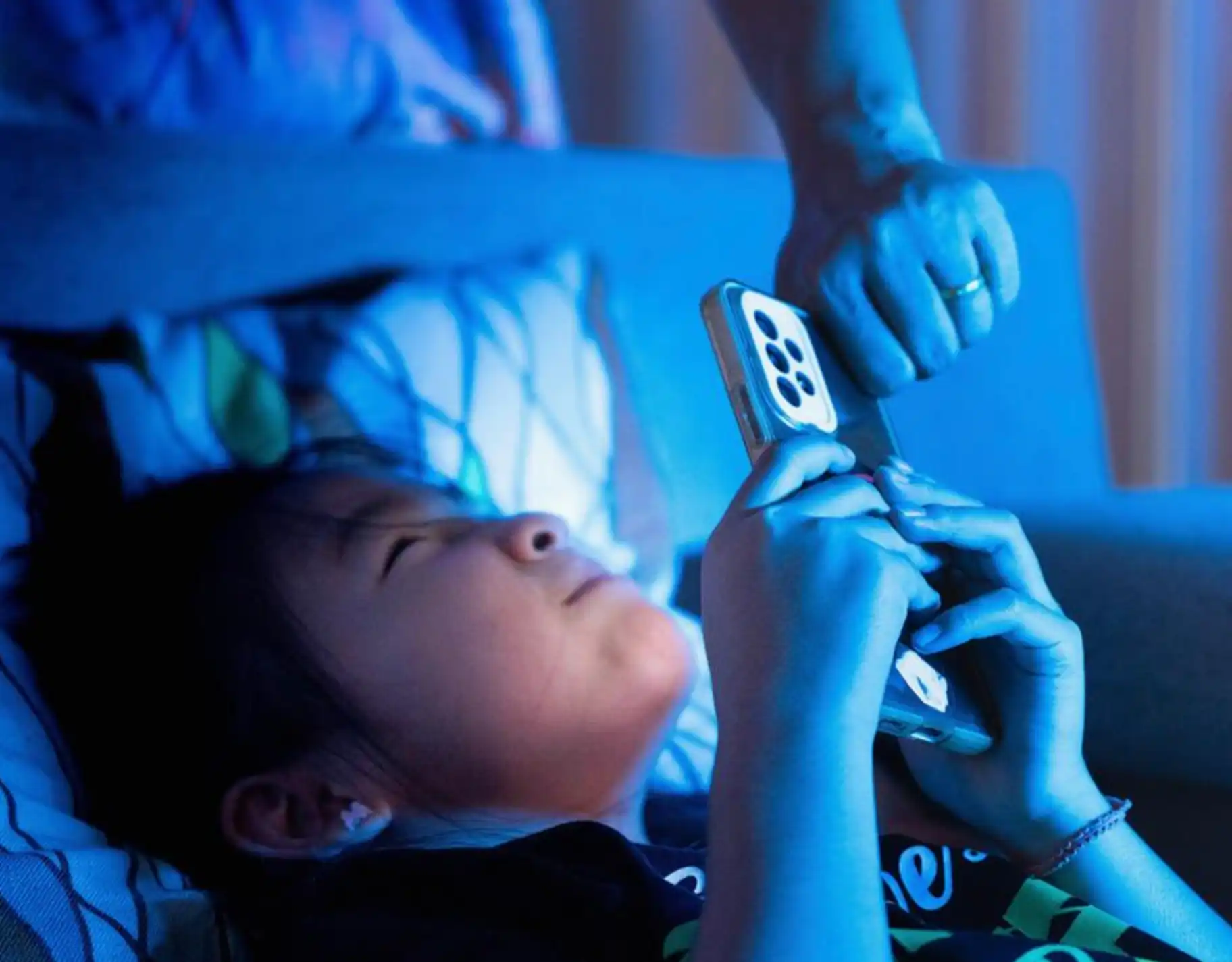
The debate surrounding social media use among children has evolved significantly in recent years. Increasingly, concerns are not only about how much time children spend online but also about how platforms are designed to keep them engaged. Experts have pointed to features such as infinite scrolling, autoplay videos, algorithmic recommendations, push notifications, and streak-based rewards as tools that encourage prolonged use among young people.
Research and policy discussions in the UK have also focused on the role of algorithms in exposing children to harmful content, misinformation, unrealistic beauty standards, and online communities that may negatively affect their mental healthMental HealthA person's emotional, psychological, and social well-being, which affects how children and parents think, feel, and cope. Open conversations, regular routines, and timely help from professionals make it easier for. Rather than simply regulating content, lawmakers are increasingly examining the design features that keep children scrolling.
This concern echoes what many parents have observed firsthand. Social media can offer connection and creativity, but it can also intensify social comparison, anxiety, and the pressure always to be online. Earlier discussions by the UK government described today’s children as growing up in a world of “endless scrolling, anxiety, and comparison.”
The Debate Over What Works Best
While many parents have welcomed stronger protections for children, the proposal has also sparked debate. Some argue that age restrictions could make it easier for families to delay social media use and reduce pressure on children to join platforms at increasingly younger ages. Others question whether outright bans are the most effective solution, pointing instead to stronger parental controls, digital literacy education, and greater accountability for technology companies.
Experts have also raised questions about enforcement and privacy, particularly regarding age verification systems. Meanwhile, critics argue that focusing solely on age restrictions may overlook deeper issues such as algorithmic design and platform accountability.
Giving Children Their Childhood Back
Despite differing opinions on implementation, one message remains at the center of the conversation: how to create healthier digital environments for children.
For many families, the issue is not whether technology belongs in children’s lives but how to help young people develop healthy relationships with it. As governments around the world consider stricter regulations, parents continue to navigate the challenge of balancing digital access with childhood experiences that happen away from screens.
The UK’s upcoming ban signals a growing recognition that protecting children’s wellbeing online requires more than individual family rules. It also requires asking bigger questions about the digital spaces children are growing up in—and whether those spaces are truly designed with their best interests in mind.
The Connection to Asia
The UK’s proposed ban reflects a growing global conversation about how governments, schools, and families can better protect children online. Across Asia, countries are exploring different approaches to regulating young people’s access to social media while balancing digital literacy and online participation.
In Malaysia, lawmakers have introduced measures aimed at strengthening online safety for minors, while Indonesia has pushed technology companies to improve age verification systems and content moderation tools designed for younger users.
In the Philippines, similar conversations have begun to take shape. Earlier this year, Senator Ping Lacson filed a bill that would restrict social media access for minors, drawing inspiration from Australia’s proposed regulations. While the measure has yet to advance in Congress, it highlights growing concerns among Filipino lawmakers about children’s exposure to harmful content online.
Other legislators have also filed separate proposals seeking to regulate social media use among minors and strengthen protections against cyberbullyingCyberbullyingHarassment carried out through phones, social media, games, or messaging apps. Because it can follow a child home, parents should keep communication open, save screenshots as evidence, report the accounts,, exploitation, and age-inappropriate content. However, none of the bills have yet reached the plenary stage in either the House of Representatives or the Senate.
Frequently Asked Questions (FAQs)
The UK government says the ban is intended to protect children from online harms, including cyberbullying, harmful content, misinformation, and the negative effects social media may have on mental health. Officials argue that many platforms are designed to keep young users engaged for long periods, which can contribute to anxiety, poor self-esteem, and unhealthy online habits.
The proposed restriction is scheduled to begin in 2027. The government is expected to work with technology companies and regulators to determine how the policy will be enforced before it takes effect.
Experts point to several concerns, including cyberbullying, exposure to inappropriate content, social comparison, sleep disruption, and the impact of excessive screen time on mental health. Researchers have also raised concerns about features such as infinite scrolling, autoplay videos, and personalized algorithms that encourage prolonged use.
More on social media
“Are Today’s Youth Weak?” What Filipino Parents Should Really Be Worried About
How YouTube Strengthens Parental Authority in The Digital Space
Doomscrolling: The Digital Time Sink and How To Stop Yourself