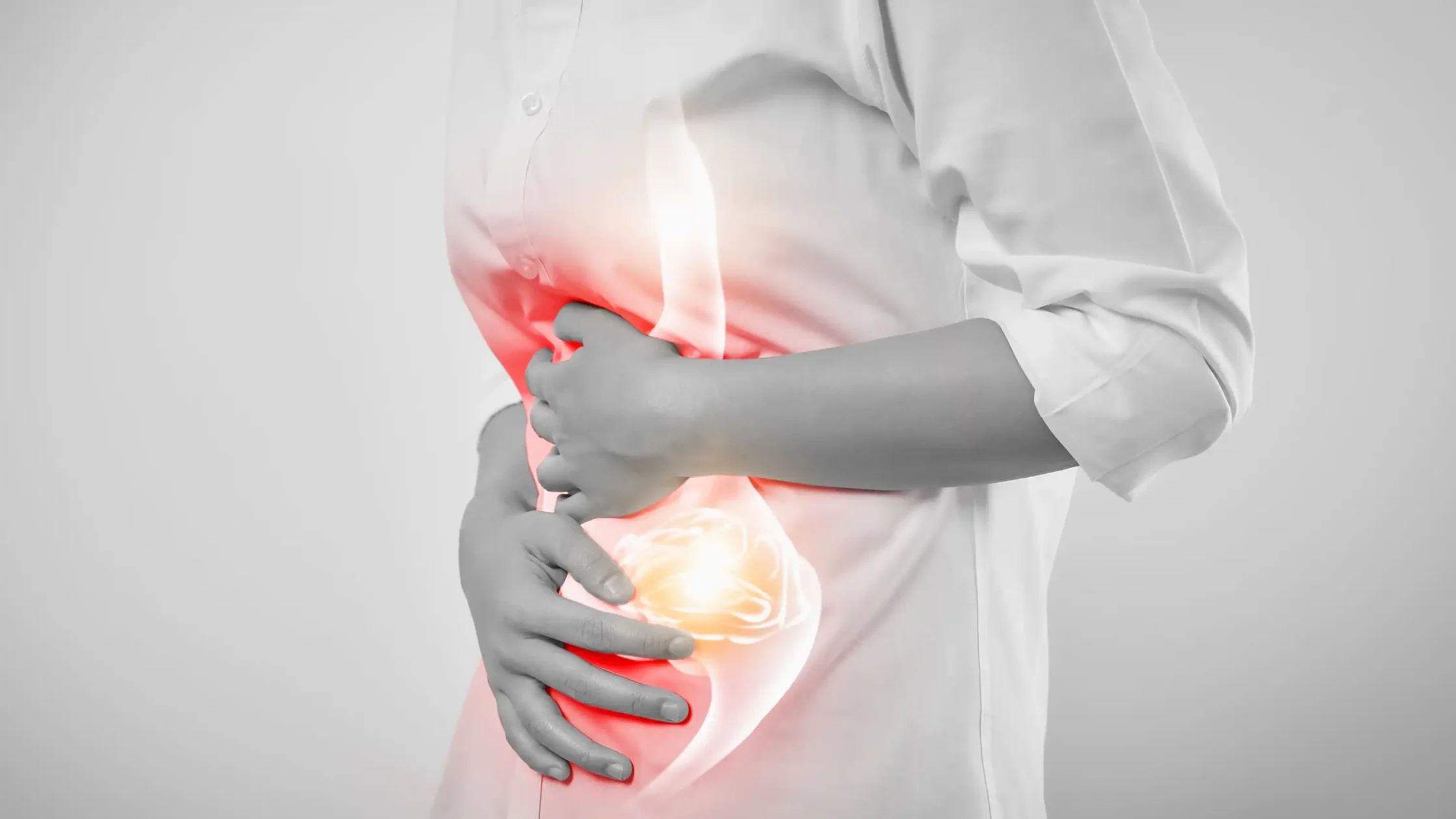
Stomach Pain 101: What Your Belly May Be Trying to Tell You



Not all stomach pain is the same. Understanding where the discomfort starts—whether in the upper or lower abdomen—can help parents identify possible causes and know when to seek proper care.
No parent likes parenting on a painful stomach. “Masakit ang tiyan” is one of the most common complaints among Filipinos, but stomach pain can mean many different things. It may be caused by indigestion, acid reflux, bloating, constipation, or abdominal cramping. While the discomfort may feel similar, the causes—and the ways to manage them—can vary.
Instead of reaching for a one-size-fits-all solution, it helps to pay attention to where the pain is coming from. Think of your abdomen as a map. The location of the pain often provides important clues about what your body is experiencing.
Understanding this “pain map” can help you make more informed decisions about managing stomach pain and recognizing when medical attention may be needed.
The Pain Map of the Stomach
Upper Belly Pain
Pain above the navel is often linked to digestive concerns such as indigestion, hyperacidity, acid reflux, or bloating. This discomfort may feel like a burning sensation, fullness, or pressure after eating, especially after consuming spicy, oily, or heavy meals.
While occasional upper abdominal discomfort is common, persistent pain, vomiting, fever, or unexplained weight loss should be evaluated by a healthcare professional.
Lower Belly Pain
Pain around or below the navel may be associated with abdominal cramping, constipation, diarrhea, or Functional Abdominal Cramping Pain (FACP). Many people describe it as hilab, tusok, or a squeezing sensation that comes and goes.
Stress and anxiety can also affect the digestive system, sometimes triggering lower abdominal discomfort even without a food-related cause.
For mild to moderate abdominal cramps, antispasmodics such as Buscopan may help relax the muscles in the digestive tract. However, severe pain, fever, nausea, difficulty urinating, or pain concentrated on one side should not be ignored and should be checked by a doctor.

Listen to What Your Body Is Saying
Stomach pain is often your body’s way of communicating that something needs attention. Whether it is a burning sensation in the upper abdomen or cramping in the lower belly, understanding the location and type of pain can help guide the next steps.
The goal is not to self-diagnose, but to become more aware of what your symptoms may be telling you. When appropriate, treatments such as antacids or antispasmodics may provide relief. Most importantly, if symptoms persist, worsen, or are accompanied by warning signs, always consult your doctor for proper evaluation and treatment.
Frequently Asked Questions
Common causes of stomach pain include indigestion, acid reflux, bloating, constipation, diarrhea, and abdominal cramping.
Upper stomach pain is often linked to hyperacidity, indigestion, acid reflux, or gas-related discomfort.
Lower belly pain may be caused by abdominal cramps, constipation, diarrhea, Functional Abdominal Cramping Pain (FACP), or stress-related digestive issues.
Consult a doctor if stomach pain is severe, persistent, accompanied by fever, vomiting, unexplained weight loss, difficulty urinating, or localized pain.
Yes. Stress and anxiety can affect the digestive system and may contribute to bloating, abdominal cramps, and other forms of stomach discomfort.
More about stomach issues?
What Parents Can Do When Kids Have a Stomachache
Lactose Intolerance in Kids: Easy Parent Survival Guide
Family Guide to Managing GERD and Hyperacidity at Home