Why Learning a Foreign Language Early Can Benefit Your Child’s Brain



From sharper memory to stronger problem-solving skills, experts say introducing foreign languages during childhood may offer benefits that go far beyond communication.
Many Filipino parents hope to raise children who can speak more than one language. While English remains a priority, more families are also introducing Mandarin, Japanese, Korean, Spanish, and other foreign languages early because research shows that language learning supports a child’s cognitive development by strengthening memory, attention, problem-solving, and adaptability. It also gives the brain a regular mental workout through pattern recognition, information recall, and switching between linguistic rules.
“Learning a new language does more than expand a child’s vocabulary—it also helps train how they recognize patterns, connect information, and adapt to different contexts,” explains child, adolescent, and family psychologist Ayoe Sutomo. “Across various studies, these abilities have been linked to the development of cognitive flexibility, which serves as an important foundation for learning and problem-solving in everyday life.”
Researchers from Baycrest and York University also found that adults who spent approximately 30 minutes a day learning a language over four months demonstrated measurable improvements in executive function, working memory, focus, and cognitive flexibility.
The Philippines: Where Bilingualism is a Norm
In many ways, Filipino children already have a head start.
Growing up in the Philippines often means navigating multiple languages from an early age. Many children switch between Filipino, English, and a regional language such as Cebuano, Ilocano, Hiligaynon, Kapampangan, or Waray depending on where they live and who they are speaking with.
Because of that, it becomes easier and less intimidating to learn other languages.
Experts note, however, that consistency matters more than intensity. Ayoe emphasizes that language-learning benefits do not appear overnight and that enjoyable experiences play an important role in helping children succeed.
Parents can support language learning through conversations, books, songs, educational videos, and supervised digital tools.
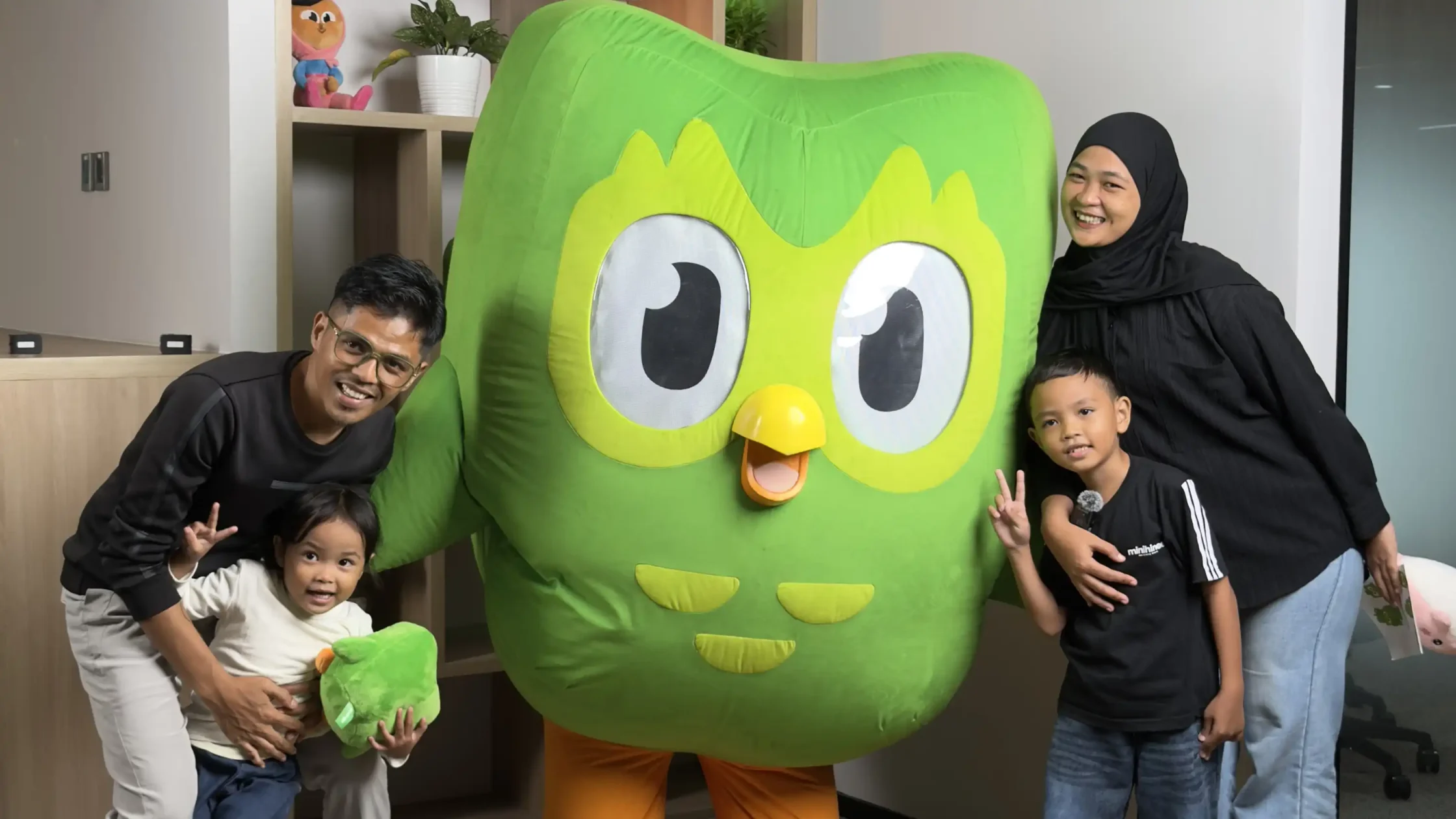
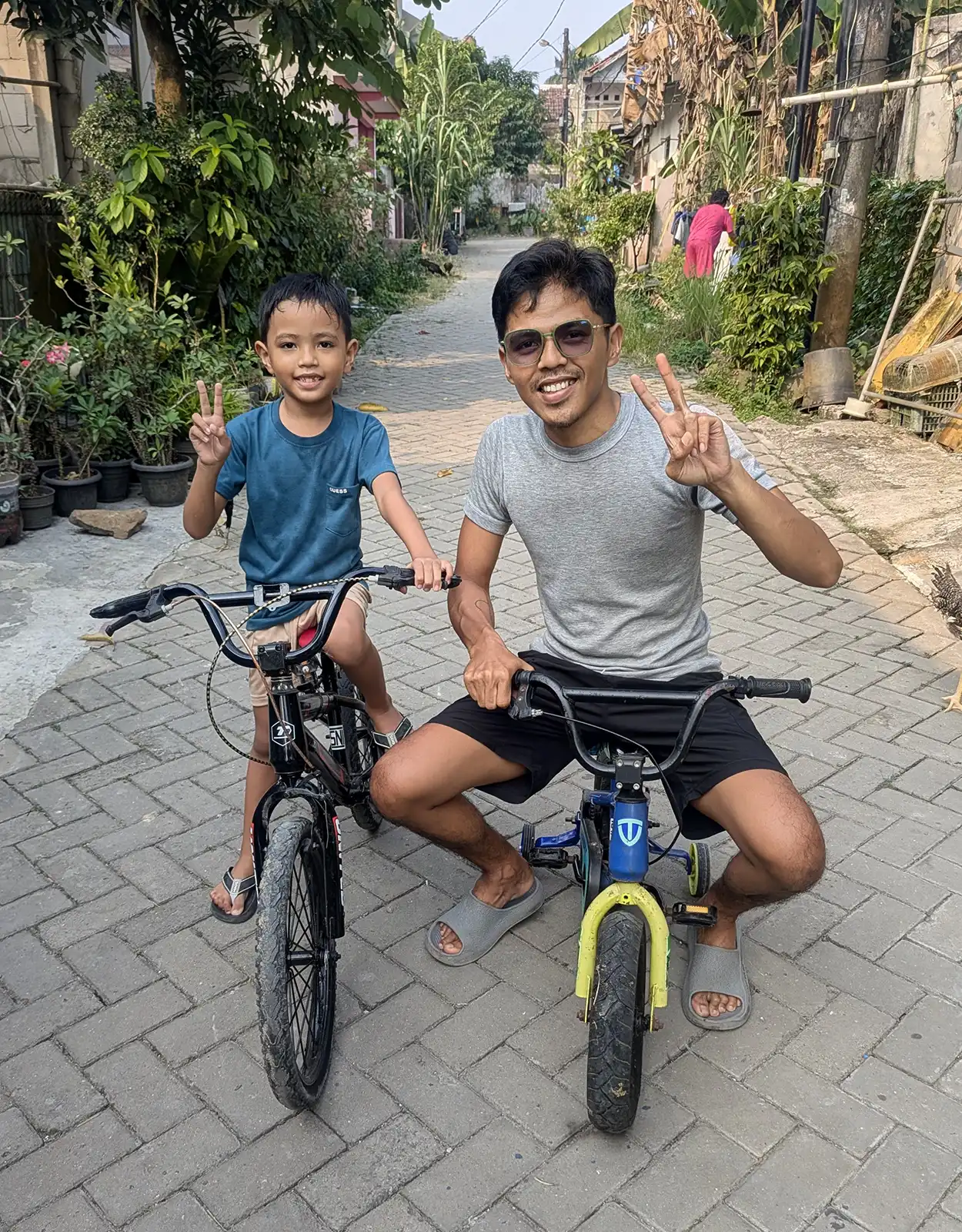
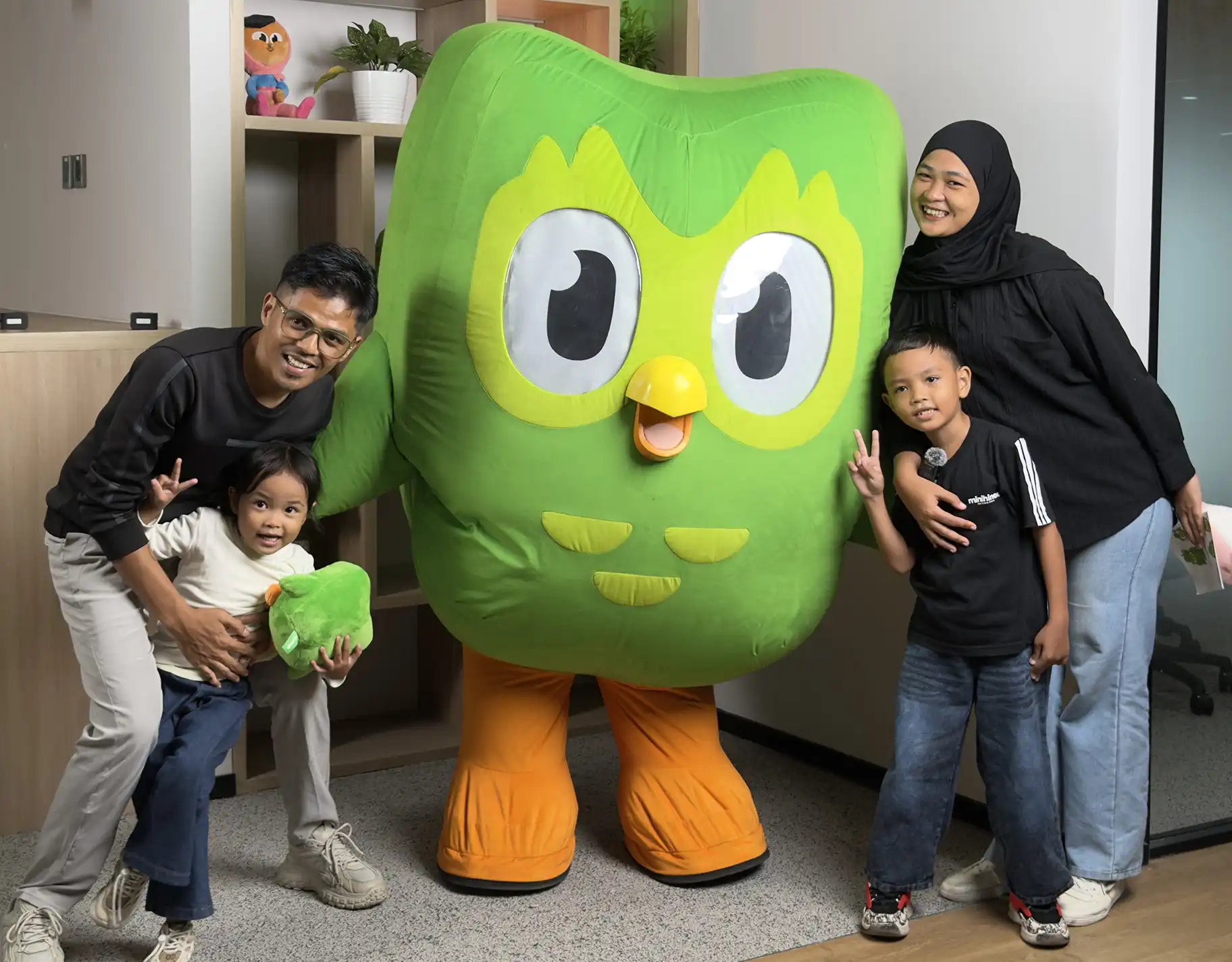
One example is Indonesian child Hudzaifah Giyan G., who began learning English independently between ages 2½ and 3. His father, Gosra Andri Putra, credits a combination of multilingual exposure, parental support, and learning tools for nurturing his son’s interest.
“Hudzaifah was introduced to multiple languages from a very young age,” he says. “Most importantly, as with any gadget or game, it’s still important for parents to supervise their children’s usage.”
An Important Lifeskill: Communication
Language learning is less about raising a future translator and more about nurturing curiosity, confidence, adaptability, and lifelong learning. Whether it’s through everyday conversations, storybooks, travel, or digital platforms, introducing another language early may help strengthen not only communication skills but also the cognitive abilities children rely on throughout life.
In a world that grows more connected every day, helping children become comfortable with multiple languages may be one of the most valuable gifts parents can give.
Frequently Asked Questions
Experts generally agree that early childhood is an excellent time to introduce new languages, as young brains are especially receptive to language acquisition.
Research shows that bilingual and multilingual children can successfully learn multiple languages without long-term confusion—so long as it’s used consistently and explained properly.
Language learning can support memory, attention, cognitive flexibility, pattern recognition, and problem-solving skills.
Parents can use books, songs, games, conversations, educational videos, and supervised language-learning apps to create regular exposure.
Consistency is important. Even short, regular sessions can help children build language skills over time.
More about language development in kids?
Baby Babble: How It Builds The Foundation For Bilingual Kids
8 Ways to Foster Creativity and Play for Healthy Child Development
Developmental Milestones in Infants According to a Pediatrician