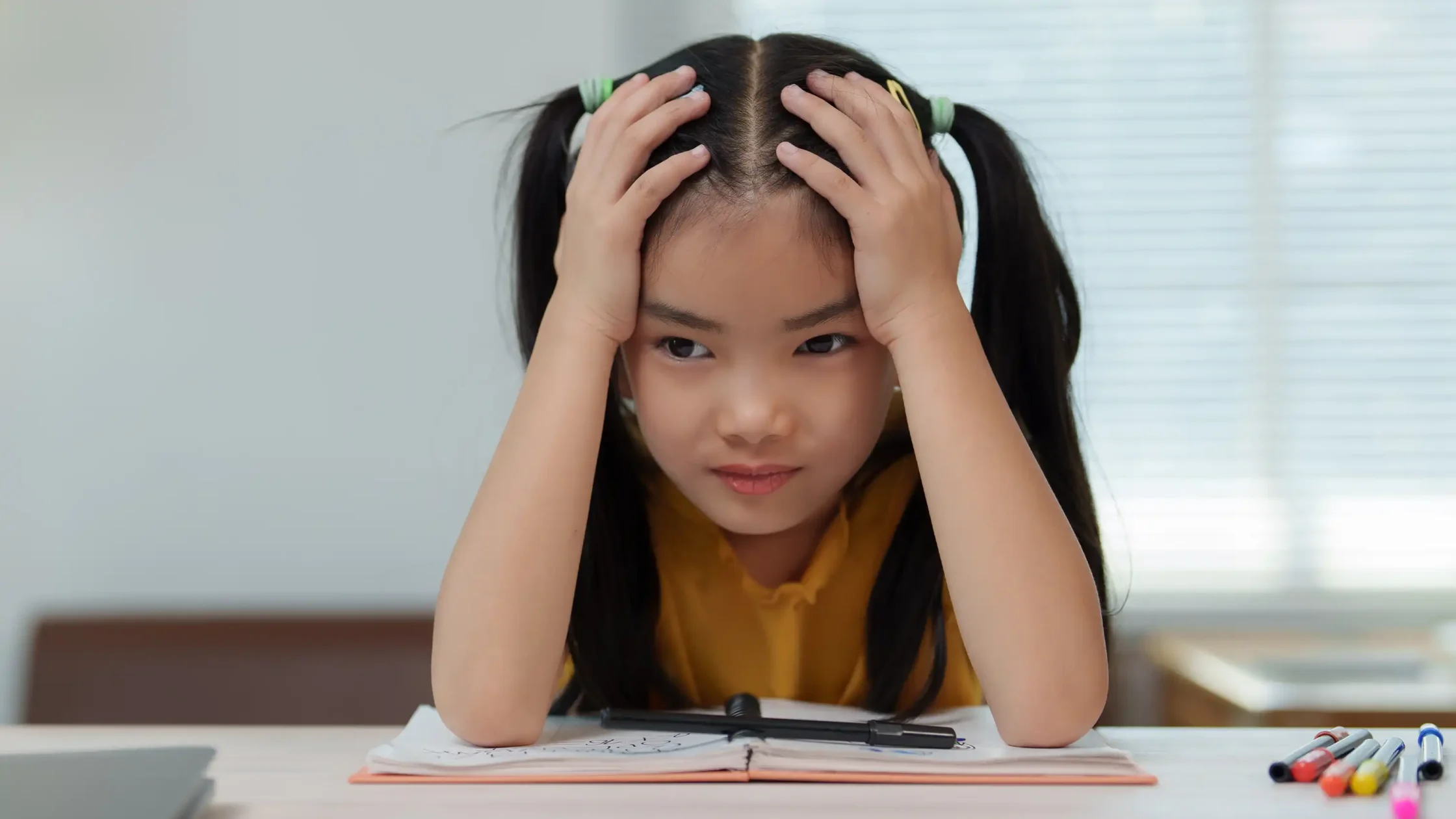
Kids Are Burnt Out From School: And It’s Not Because They’re Lazy



School burnout can happen long before a child enters the working world. Here’s why today’s students may feel overwhelmed—and how parents can help them learn without losing themselves in the process.
Weird as it sounds, school burnout is real. It’s just that, most of the time, we often hear the term “burnout” when it’s work-related.
When a child says, “I don’t want to go to school anymore,” it can be easy to wonder: Already? What could they possibly be stressed about? They’re not even working yet.
School is work—just a different kind. Today’s children are juggling academics, friendships, extracurriculars, expectations, tests, projects, and the constant pressure to keep up. They’re also figuring out who they are while trying to survive another school year.
That doesn’t mean parents should panic or blame themselves. And it certainly doesn’t mean kids are lazy.
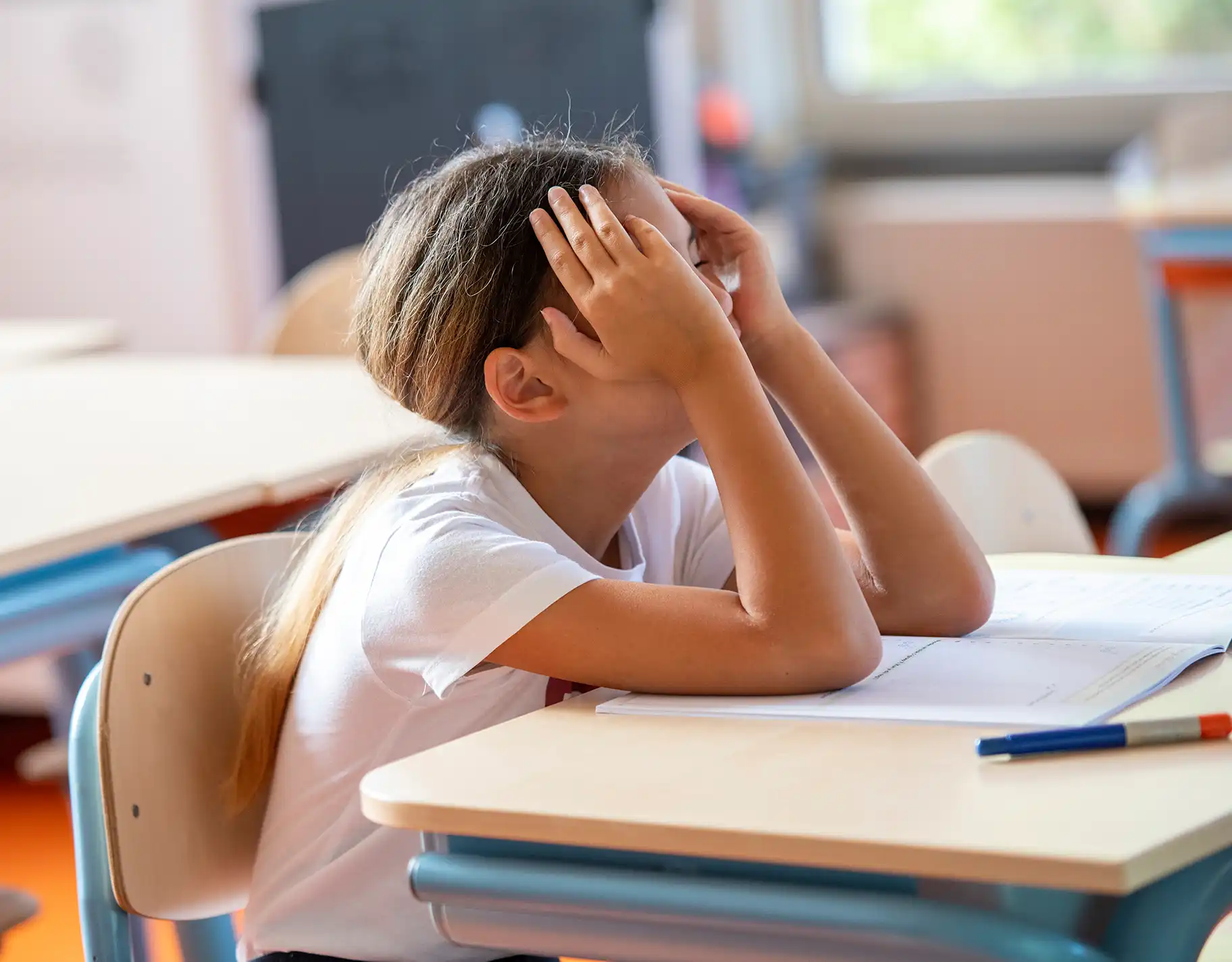
How Do Kids Get Burnt Out From School?
School burnout can develop when academic demands consistently outweigh a child’s ability to recover.
For some students, the pressure comes from grades and increasingly complex lessons. Parents may also feel confused because topics they remember encountering in higher grade levels are now being introduced much earlier.
Then there’s the social side. Children are figuring out friendships, conflicts, belonging, and peer expectations while simultaneously trying to understand algebra, science, reading, or whatever else is on the day’s schedule.
Homeschooled children may experience a different social structure, since their communities and activities are often more intentionally curated by parents. That doesn’t mean homeschoolingHomeschoolingEducating children at home with a parent-led or accredited program rather than in a traditional school. Families choose it for flexibility, personalized learning, or health reasons, and it needs a is automatically easier; it simply shows that children’s school experiences can look very different.
There’s another factor adults sometimes overlook: teachers are people, too. Many educators enter classrooms already carrying heavy workloads and burnout. When teachers are stretched thin—especially when administrative tasks take time away from teaching—students can feel that strain, too.
Remember: burnout is about capacity, not worth
Resolving school burnout is not about removing all challenges. It’s about ensuring that children are not carrying more than they can recover from—and reminding them that their worth is not measured by constant performance. Here’s how parents can resolve school burnout:
Listen without immediately trying to fix everything
When a child is showing signs of burnout, the solution is rarely to push harder. More often, it’s to step back, reassess, and rebuild a healthier rhythm. Children often need space to express what feels overwhelming before they can accept solutions. Even simple validation—“That sounds really hard”—can reduce emotional pressure.
Reassess the schedule and create breathing room
One of the most important steps parents can take is to look at the child’s schedule and ask a practical question: Where is there room to breathe? This might mean reducing extracurricular commitments, adjusting study routines, or allowing more unstructured downtime. Rest is not wasted time; it is part of how children recover mentally and emotionally.
Break academic expectations into smaller goals
It can also help to break academic expectations into smaller, more manageable goals. Instead of focusing on an entire semester or a large project, parents can help children focus on the next step only. This reduces the feeling of being overwhelmed by everything at once.
Restore a sense of control through choices
Burnout often grows when children feel like everything is being decided for them. Giving them small choices—when to study, how to complete an assignment, or which subject to start with—can rebuild motivation and confidence.
Communicate with teachers or schools when needed
Parents may also need to communicate with teachers or schools when appropriate. Sometimes burnout is tied to workload, unclear expectations, or gaps in understanding that can be addressed with support rather than pressure.
Reintroduce joy into learning and daily life
Finally, it’s important to reintroduce joy into learning and daily life. This might look like reading for fun again, exploring topics of interest outside of school requirements, or simply making time for play, rest, and connection without academic expectations attached.
Teaching Kids How to Think, Not Memorize
One way to make learning more sustainable is to move beyond memorization.
Children need to know why something works, not simply remember the answer long enough to pass a test. Asking “How did you get there?” can be more valuable than asking, “Did you get it right?”
Parents can encourage curiosity at home by letting children explain concepts in their own words, solve problems in different ways, make mistakes without embarrassment, and connect lessons to everyday life.
The goal isn’t to make school effortless.
It’s to help children understand that learning is something they can participate in—not something that simply happens to them.
Sometimes, the child who looks like they have “given up” hasn’t stopped caring.
They may simply be tired.
Frequently Asked Questions
School burnout is ongoing physical, emotional, or mental exhaustion related to academic and school-related demands.
Academic pressure, social challenges, heavy workloads, lack of rest, and stressful school environments can all contribute. Unlike before, they now have technology which kicks up the pace.
No. Withdrawal or loss of motivation can sometimes be signs that a child is overwhelmed.
Prioritize sleep, breaks, realistic expectations, emotional support, and opportunities for children to enjoy learning outside grades.
Encourage them to explain, question, experiment, and understand concepts instead of relying entirely on memorization. And most of all: don’t lose it when they bring home a failing grade.
More about kids and education?
DepEd, Abbott Train Schools to Spot Kids’ Nutrition Issues Early
DepEd Rolls Out Active Shooter Drill To Improve School Safety
School Mental Health: DepEd Expands On Guidance Counselors