DepEd Eyes Stronger School Mental Health System Through Guidance Counselor Service Expansion



The Department of Education is accelerating efforts to strengthen school mental health through more counselors, expanded services, and earlier intervention. Here’s why parents should pay attention.
Following the Tacloban school shooting, the Department of Education (DepEd) is strengthening its long-term response by expanding mental healthMental HealthA person's emotional, psychological, and social well-being, which affects how children and parents think, feel, and cope. Open conversations, regular routines, and timely help from professionals make it easier for services in schools. Alongside tighter security measures, the agency is pushing to hire more guidance counselors and build a stronger support system that helps students before problems escalate into crises.
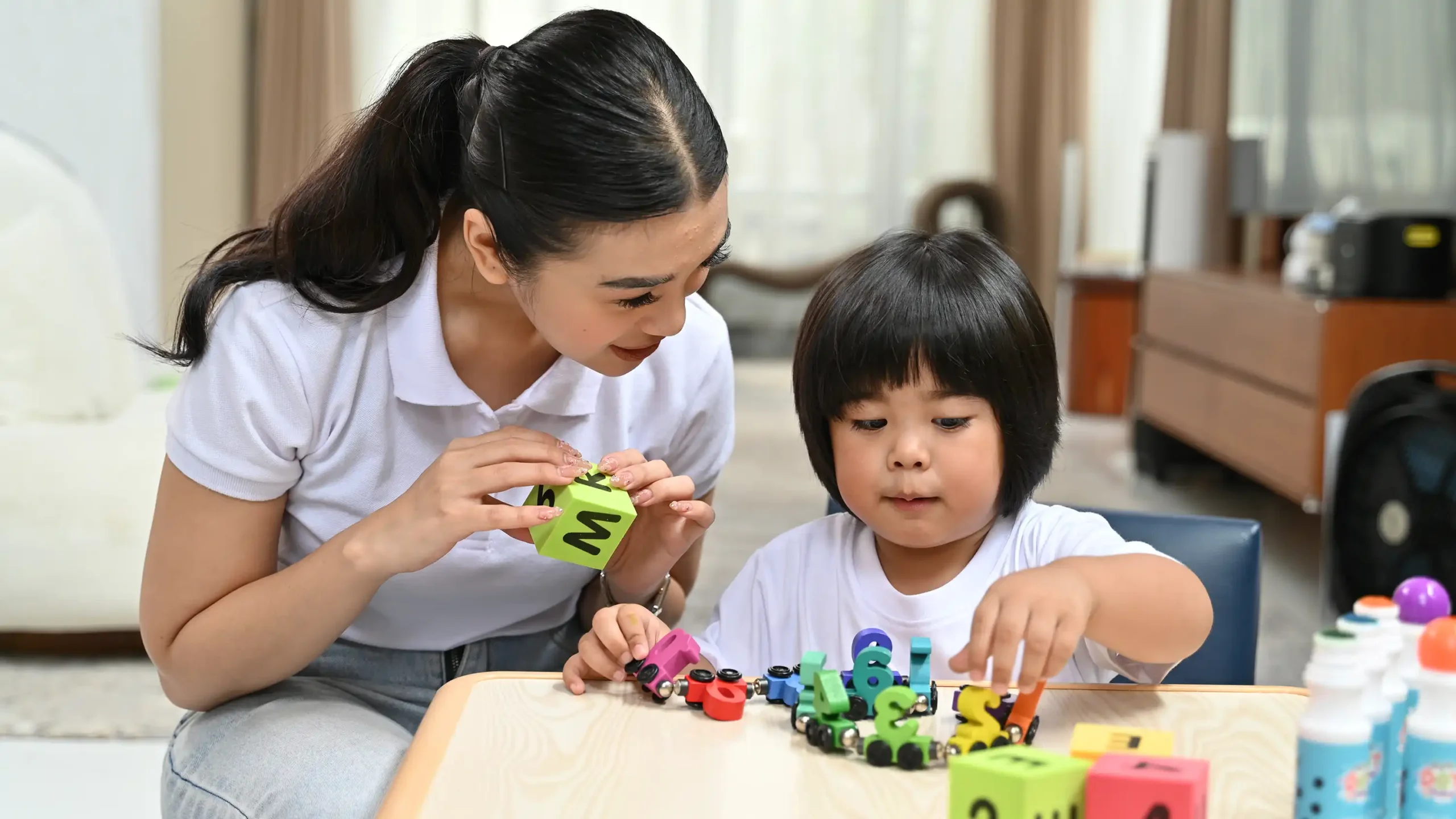
Under CSC Resolution 2600920, the Department of Budget and Management has been cleared to officially create openings for “School Counselor Associate I.” These associates will then assist the guidance counselor in reaching out to students who are showing signs of struggle and to create a safer space.
For parents, it’s a reassuring reminder that emotional well-being is becoming just as important as academic achievement.

Bridging the Gap Between Mental Health Services and Schools
One of the biggest challenges facing Philippine schools is access to qualified mental healthMental HealthA person's emotional, psychological, and social well-being, which affects how children and parents think, feel, and cope. Open conversations, regular routines, and timely help from professionals make it easier for professionals. In Cebu City alone, recent reports revealed that only seven guidance counselors currently serve 107 public schools—a stark reminder of the nationwide shortage.
“Some teachers also act as guidance counselors in their schools, but the programs are not as extensive as those handled by designated guidance counselors. We are really lacking,” reveals Councilor Paul Labra, chairman of the Cebu City Council’s Committee on Public Order and Safety.
To address this, DepEd is seeking approval to hire 10,000 non-licensed guidance counselors while encouraging them to eventually earn professional licensure. Education Secretary Juan Edgardo “Sonny” Angara said the move aims to immediately increase the number of trained professionals available to students.
“We cannot wait for the perfect number of licensed guidance counselors before providing support to our learners,” Angara said, emphasizing the need to expand mental healthMental HealthA person's emotional, psychological, and social well-being, which affects how children and parents think, feel, and cope. Open conversations, regular routines, and timely help from professionals make it easier for services while the country continues to build its counseling workforce.
He added that the new positions will “boost school mental healthMental HealthA person's emotional, psychological, and social well-being, which affects how children and parents think, feel, and cope. Open conversations, regular routines, and timely help from professionals make it easier for services” by making guidance and psychosocial support more accessible across public schools.
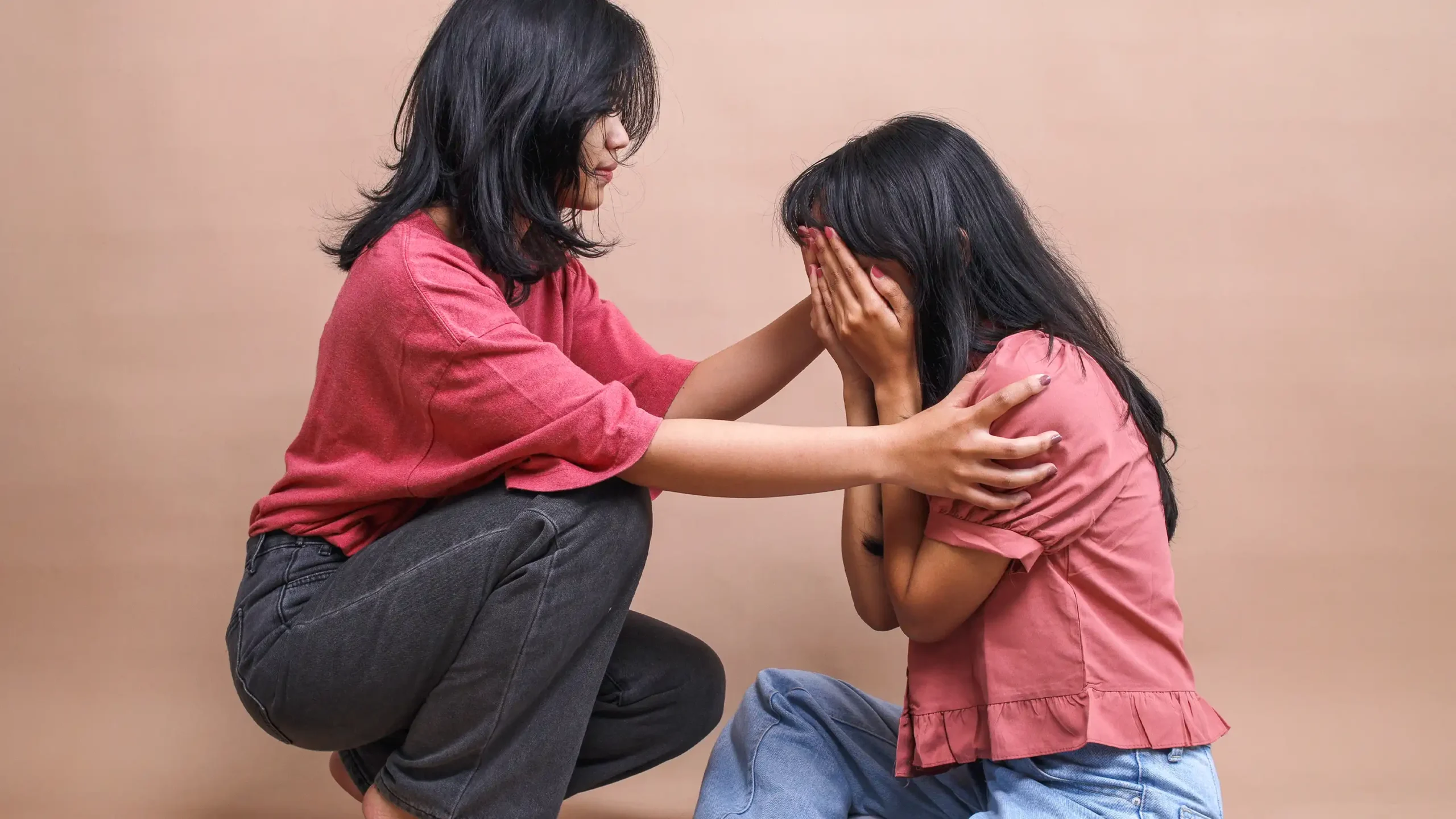
For parents, this means children may have more opportunities to speak with trained adults when facing bullyingBullyingRepeated, intentional harm toward another child through words, actions, exclusion, or online posts. Parents can help by listening without blame, documenting incidents, talking with the school, and reminding their child, anxiety, family concerns, griefGriefThe deep sadness that follows the loss of a loved one, which children experience differently from adults. Parents can help by using honest, simple words, allowing tears and questions, keeping, or other emotional challenges before they affect learning or relationships.
The Reality of Many Aspiring and Already Legal Guidance Counselors
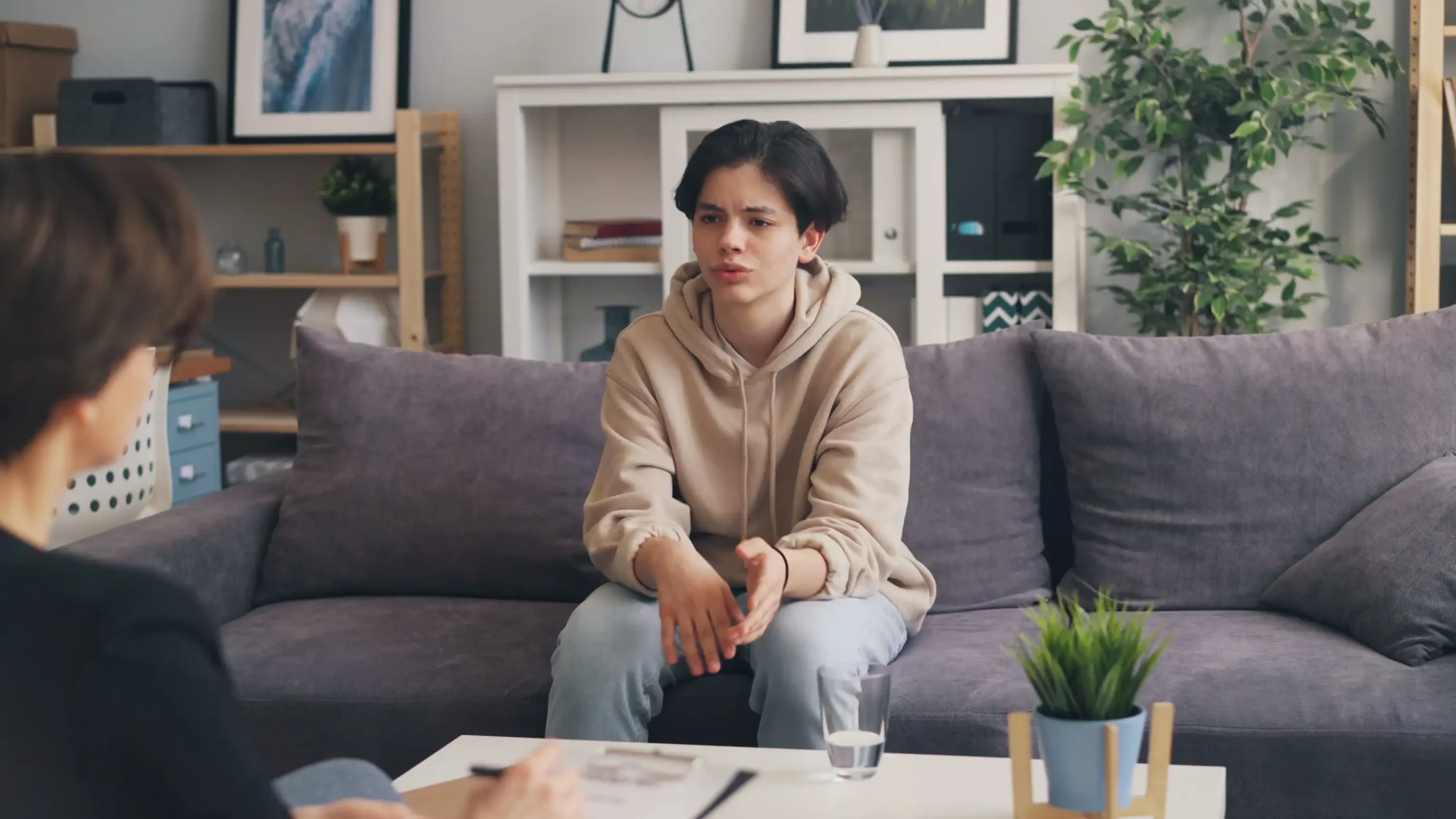
Mental healthMental HealthA person's emotional, psychological, and social well-being, which affects how children and parents think, feel, and cope. Open conversations, regular routines, and timely help from professionals make it easier for experts continue to emphasize that guidance counselors do far more than respond during emergencies—they help students develop resilienceResilienceThe ability to bounce back from setbacks, disappointment, and stress. Children build it through supportive relationships, chances to solve problems, and adults who show that mistakes are part of learning, healthy coping skills, emotional regulation, and positive relationships throughout childhood and adolescenceAdolescenceThe stage between childhood and adulthood, roughly ages 10 to 19, marked by rapid physical, emotional, and social change. Parents who keep conversations open and stay patient during mood swings.
Unfortunately, the profession requires years of preparation: many counselors spend about eight years studying. Their first step is earning an undergraduate degree in psychology. College departments can often assist by tailoring the student’s path’s to prepare them to take their Master’s in Counseling. From there, they learn various therapy and evaluation techniques, which will prepare them for the tools that they can use to help.
During their master’s degree, they have a comprehensive exam. One that can “make or break” their chances of becoming a guidance counselor. And if that’s not enough, they also have to take a licensure exam. According to the Professional Regulation Commission (PRC), the practice of guidance and counseling in the Philippines is strictly regulated by Republic Act No. 9258. For anyone to practice legally, they must hold a Master’s degree in Guidance and Counseling and pass the Licensure Examination.
With these requirements, many would think that there’s a high compensation package at the end. Yet, for many practicing in public schools, it isn’t.
“The qualifications are very high, but the salary is only Salary Grade 11. That’s why many professionals choose to work in private institutions instead,” Labra reveals in an interview with Cebu Daily News. “The employment of more guidance counselors is something we will pursue with DepEd. We will also push for higher salary grades because these plantilla positions belong to DepEd. The city will support that initiative, especially now that we clearly see the gap.”
Eliminating the Stigma
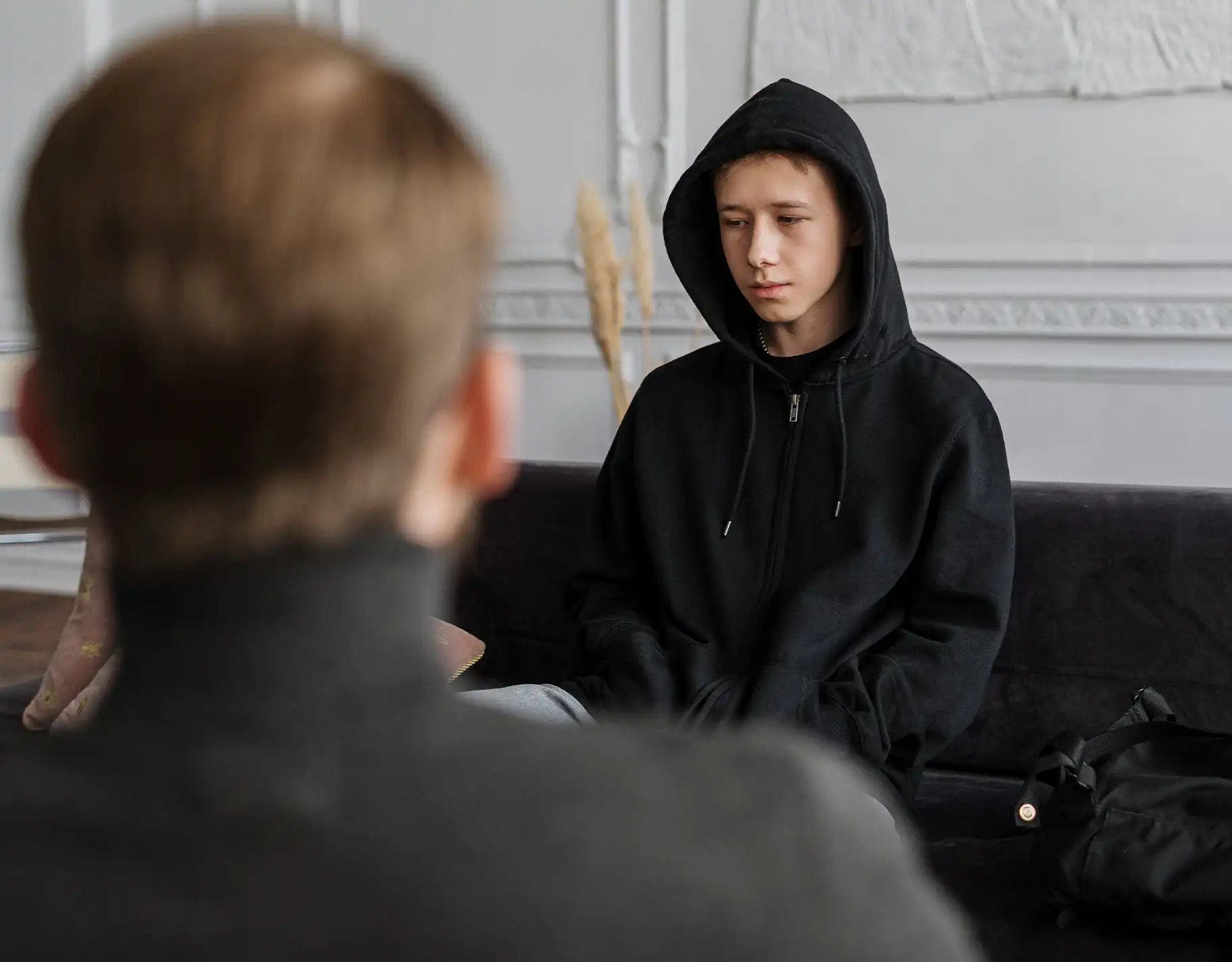
But even with all this, it still falls onto the parents to create an environment where it’s okay to ask for help.
In Philippine culture, many often underreport their struggles and pain because none want to burden or “rock the boat.” Especially when we know it’s confrontational, we often anticipate the worst: loud shouting, crying, and just too much emotion for anyone to handle. At some point, many of us learned to come up with backup plans on how to manage the emotions of others just to get points across.
It also doesn’t help that many old structures and traditions often still grumble at the sudden spike in mentioning “mental healthMental HealthA person's emotional, psychological, and social well-being, which affects how children and parents think, feel, and cope. Open conversations, regular routines, and timely help from professionals make it easier for.” Their saying, “iba talaga ang bata ngayon,” is often with distaste. But it’s true: they are different now. They have access to the internet, social media, and all the people in the world. In the old days, it was either the landline, a beeper, a cellphone the size of an ice shaver, or the typical, “go play outside!”
For many of the old world, it may look like the world is getting “weaker.” But maybe these signs of weakness were already there to introduce the inevitable: the world we left our kids was already socially and mentally collapsing.
It’s time to break some of the old social structures for kinderKinderThe first year of formal schooling in the Philippines, required for children around age five. Kinder introduces letters, numbers, routines, and group play, so a gentle start helps children adjust and newer ones.
Frequently Asked Questions
To address the shortage of mental health professionals in schools and provide more students with access to counseling and emotional support.
DepEd plans to hire qualified non-licensed counselors while encouraging them to obtain professional licensure over time. Most schools already have this program for non-licensed teacher applicants who have showed great promise or intent to get the license.
They support children’s emotional well-being, assist with bullying, stress, anxiety, family concerns, grief, career guidance, and crisis intervention.
Maintain open communication, encourage children to express their feelings, work closely with teachers, and seek professional help when needed.
When they encounter something horrible, remain neutral in emotion. Tell them that there are just some things that are the way they are and unless they directly caused it, it’s not their responsibility.
Early mental health support helps children build resilience, cope with challenges, strengthen relationships, and succeed both inside and outside the classroom.
More about mental health and schools?
School Violence Philippines: DepEd Strengthens School Safety
How Love Languages Help Parent Mental Health
PH Mental Health Voucher Bill Explained