Rainy Season Pet Care: A Guide for Pinoy Families



A practical rainy season pet care guide to help Filipino households keep dogs and cats safe, dry, and healthy until the rains let up
Rainy season in the Philippines means more than traffic jams and flooded streets. For households with a cat or dog, it also raises the risk of leptospirosis, parasites, and skin infections. After all, your pet is part of the family. So a little extra care during habagat season goes a long way toward keeping them comfortable and out of the vet’s emergency line.
Why Rainy Season Is Hard On Pets
A few reasons this stretch of the year hits pets harder than most:
- Leptospirosis. This bacterial infection spreads through water or soil contaminated by urine from infected animals, often rats. Dogs can pick it up just by stepping in a puddle. Even drinking from one is enough.
- Parasites. Fleas, ticks, and mosquitoes thrive in humid weather. Mosquitoes, in particular, can transmit heartworm. All three multiply fast once the rains set in.
- Skin and ear infections. Wet fur and muddy paws create ideal conditions for bacteria and fungus. As a result, hot spots, ringworm, and irritated ears become more common.
- Stomach bugs. Stagnant water raises the odds of pets swallowing something harmful. Dirty surroundings only add to the risk.
Everyday Habits That Make A Difference
Keep them as dry as possible
Cut back on outdoor time during downpours. If your dog needs a walk, keep it short. Better yet, avoid flood-prone streets altogether. Once home, towel-dry your pet completely. Pay close attention to the paws and the space between the toes. For long-haired breeds, a blow-dryer on low heat helps too. Finally, make sure their resting spot stays warm and draft-free and swap out damp bedding right away.
Look after paws and skin
Wipe or rinse your pet’s paws after every trip outside. This clears away mud and bacteria before they cause problems. Next, check between the toes and on the paw pads for cuts or redness. Trapped moisture can turn into infection fast. If your pet is prone to skin issues, ask your vet about medicated shampoos with antifungal or antibacterial ingredients, such as chlorhexidine, ketoconazole, or miconazole.
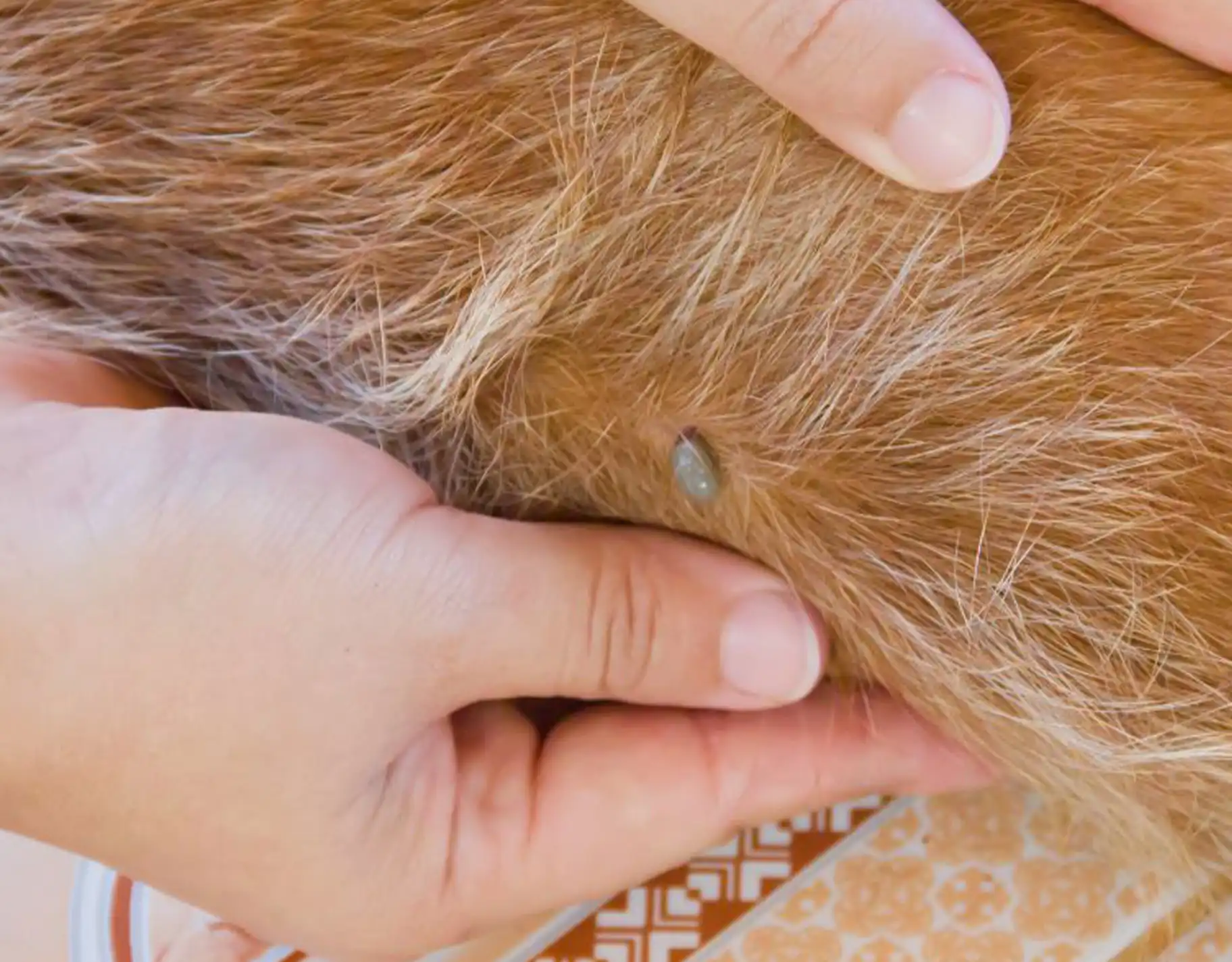
Photo: Getty Images
Stay ahead of parasites
Aside from being up-to-date with their shots, keep up with the flea, tick, and heartworm prevention your vet has prescribed. Most come as monthly topical or oral treatments, so consistency matters most. Even indoor pets aren’t fully safe, though. Parasites can hitch a ride in on shoes or clothing. That’s why washing pet bedding often and vacuuming their favorite spots helps cut down on flea eggs and larvae at home.
Steer clear of contaminated water
Never let your pet drink from puddles, canals, or standing water. Keep fresh water available at home instead. Likewise, keep pets away from floodwater entirely, since it can carry urine, waste, and chemical runoff. If exposure happens anyway, rinse your pet with clean water and a mild, pet-safe soap. Then dry them thoroughly.
Warning Signs That Need A Vet Visit
Some rainy-season illnesses move fast. So call your veterinarian right away of you notice:
- Fever, lethargy, or unusual weakness
- Loss of appetite, vomiting, or diarrhea
- Increased thirst or urination, yellowing of the eyes or gums, or abdominal pain
- Persistent scratching, red or foul-smelling skin, hair loss, or scaly patches
- Ear odor, head shaking, or scratching at the ears

Photo: AlenaLitvin | Getty Images
If You Evacuate, Bring Them With You
When floods or severe weather force a family to leave home, pets should never be left behind. Doing so only raises their risk of injury, illness, or getting lost for good.
Beyond your own go-bag, pack one for your pet too. Include food, water, vitamins or medicine, a blanket, their favorite toy, and copies of their vet records. This way, they’ll stay comfortable and identifiable no matter where you end up.
The good news is more local governments are planning for this. For instance, Quezon City has designated pet evacuation areas in Barangays Bagong Silangan, Bagong Pag-asa, and Damayan. It’s jointly run by its Veterinary Department and disaster council. Similarly, Marikina has designated pet-friendly spaces for evacuees, including one at Malanday Elementary School. That way, families don’t have to choose between shelter and their animals. On a national level, animal welfare groups like PAWS and government agencies continue to remind households to factor pets into their evacuation plans and to follow evacuation orders without delay.
Not every evacuation center offers the same setup yet. Still, the direction is encouraging: pets are increasingly being planned for as part of the family they belong to, even in a disaster.
The Bottom Line
The rainy season will keep coming back every year. Even so, most of the risks it brings are manageable with a bit of routine. Dry your pet after every downpour. Keep their parasite prevention current. And know the warning signs that call for a vet. If evacuation becomes necessary, remember that you pet’s spot in the family doesn’t pause just because the weather turns bad. In the end, a little preparation now means a safer, calmer rainy season for everyone under your roof, paws included.
Yes. Leptospirosis spreads through water or soil contaminated with urine from infected animals, particularly rats. So puddles and floodwater are common sources during rainy season.
There’s no fixed rule. That said, rinsing paws and drying fur after every outdoor trip matters more than frequent full baths. If your pet has skin issues, ask your vet about a medicated shampoo schedule instead.
Yes. Parasites can hitch a ride into the home on shoes, clothing, or other pets. That’s why year-round prevention is recommended, even for pets that rarely go outside.
Quezon City and Marikina are among the LGUs that currently provide designated pet-friendly evacuation spaces. More local governments are expected to follow this practice soon.
More Pet stories
Rabies Vaccines Are Now Available to Filipino Communities
What If Your Child’s First Best Friend Had Four Legs?
Does My Furbaby Need A Companion?