Do Pet Costumes Really Make Pets Happy?


Pet costumes can be fun, but only when your dog or cat stays comfortable, mobile, and supervised
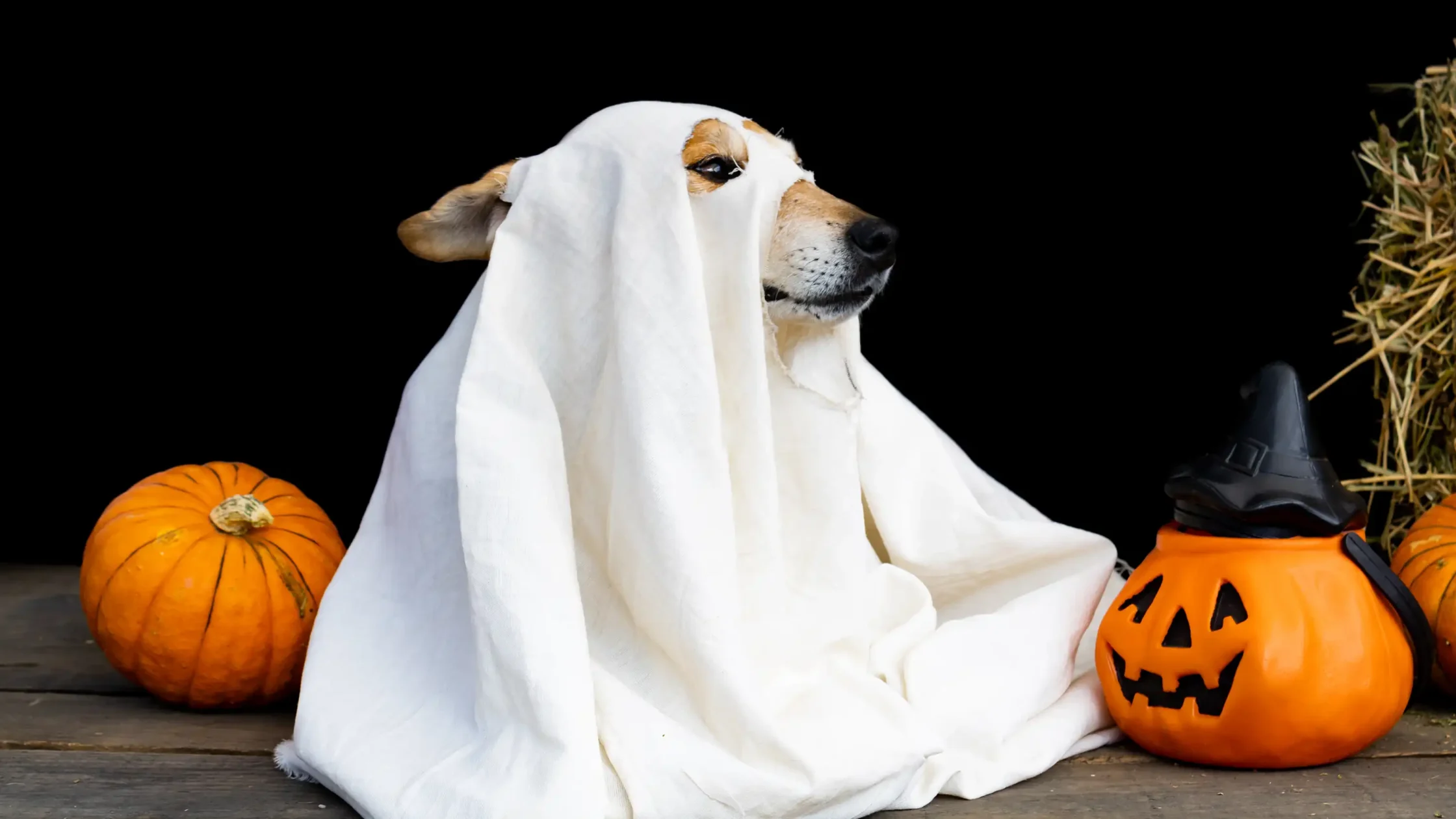
Pet costumes can make pets happy, but only when they fit well, leave the face uncovered, and don’t change how your animal moves, breathes, sees, or hears. With Halloween less than two weeks away, many pet owners are eyeing pumpkin suits and superhero capes for the family dog. Before you buy one, ask a simple question: would your pet choose to wear it? A costume should serve the animal first, not the camera.
Why Is Dressing Up Your Pet So Popular?
Costumes let owners fold pets into milestonesMilestonesSkills most children reach by certain ages, such as smiling, sitting, walking, speaking, and sharing. They serve as general guides rather than strict deadlines, and parents should talk to a such as birthdays, Christmas cards, mall events, and the family group photo. Some animals, especially those already used to harnesses, shirts, or collars, shrug off a simple outfit.
Seasonal events have fueled the habit. The Philippine Animal Welfare Society (PAWS) has run “Scaredy Cats and Dogs,” a costume contest that doubles as a fundraiser and a platform for animal-welfare advocacy.
Trouble starts when clothing changes how a pet moves, breathes, sees, hears, or behaves. Vets and animal experts say costumes must never restrict movement, breathing, vision, or hearing. Safety also depends on fit, material, how long the animal wears the outfit, and how that individual animal reacts.
What Are the Signs Your Pet Dislikes a Costume?
Pets can’t say “take this off,” so their behavior speaks for them. Watch for:
- Freezing in place or refusing to walk
- Scratching, biting, or shaking at the outfit
- Hiding, backing away, or trying to escape
- Panting, lip-licking, yawning, or trembling
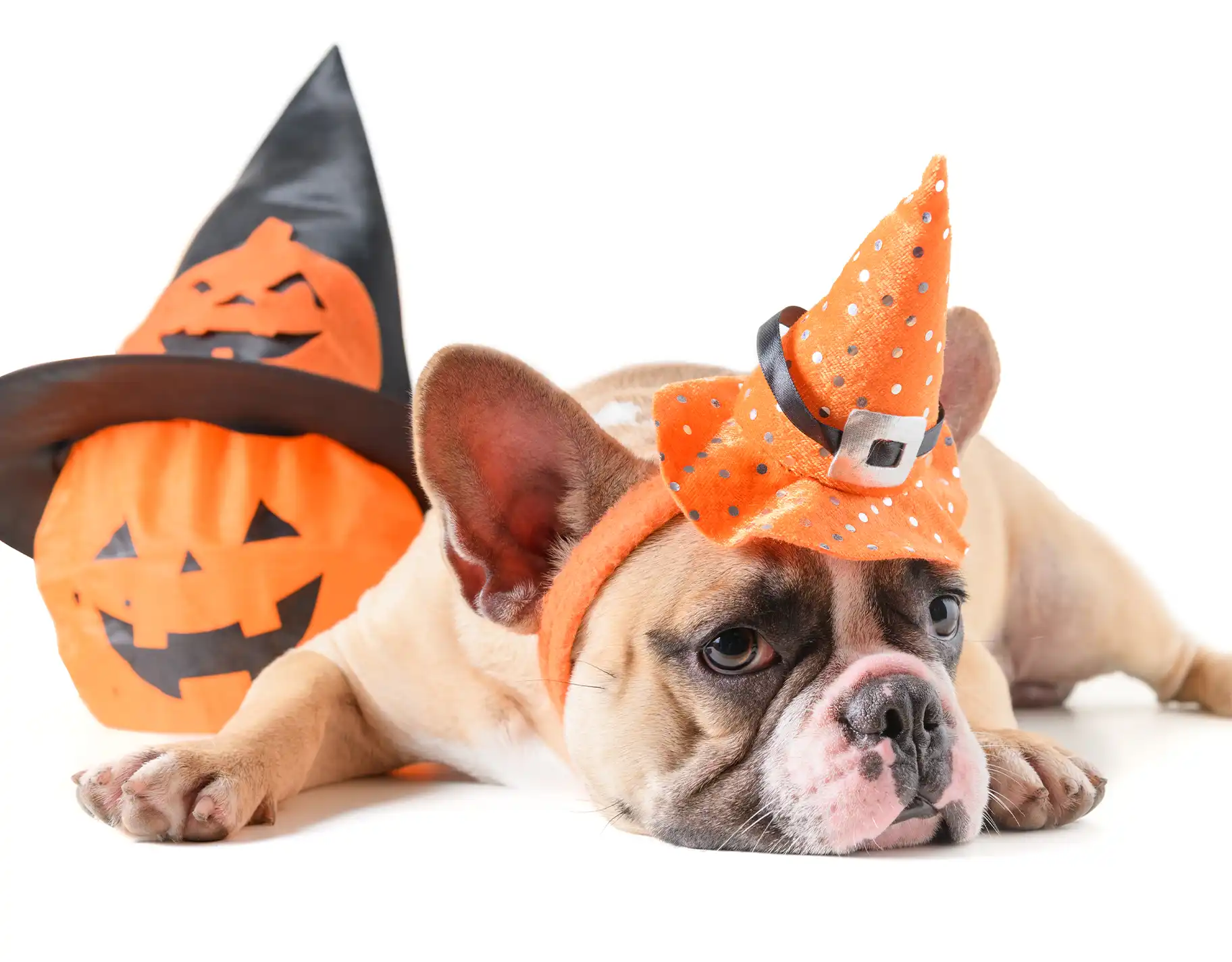
- Flattened ears, a tucked tail, wide pupils, or “whale eye” (when the whites of the eyes show)
- Sudden irritability or withdrawal
A still pet isn’t necessarily a willing one. Freezing can be a fear response, while repeated attempts to remove an outfit usually mean the animal wants it gone.
Cats tend to show discomfort more quietly than dogs. If a cat crouches low, pins its ears back, or stops grooming and moving normally, take the costume off and give it space. If the kids are helping dress the pet, show them these signs too, so they know when to stop.
Which Costume Hazards Do Owners Miss?
An outfit that looks adorable online can cause real trouble in person. Dog costume safety often comes down to details like these, and experts flags the first three:
| HAZARD | WHY IT MATTERS |
| Tight elastic or fabric | Can restrict breathing, circulation, or movement |
| Masks, hats, and hoods | Can block sight, hearing, or airflow |
| Buttons, bells, sequins, and charms | Can be chewed off and swallowed |
| Long capes or loose fabric | Can snag on furniture, trip your pet, or tangle |
| Heavy layers in warm weather | Can cause overheating |
Flat-faced breeds, senior animals, pets with thick coats, and those with arthritis or mobility problems need extra caution. If a costume changes how a pet walks, sits, eats, or rests, it’s not a good fit.
How Do You Choose a Pet-Safe Costume?
If your pet already tolerates clothing, keep things short, simple, and supervised. A Halloween pet costume stays fun when you follow these steps:
- Start with something familiar. A bandana, collar, or lightweight shirt is usually safer than a full-body outfit.
- Prioritize fit. Your pet should be able to walk, sit, lie down, eat, drink, and relieve itself normally.
- Avoid the face. Skip masks, wigs, and headpieces, plus anything near the nose, mouth, eyes, or ears.
- Remove loose parts. Small decorations can become choking hazards.
- Do a trial run. Let your pet wear the item briefly at home, then watch how it behaves.
- Keep sessions short. Even comfortable pets need frequent breaks.
- Stay within reach. Never leave a costumed pet alone, because anxiety or tangles can strike without warning.
For evening walks, choose visibility over theatrics. A reflective collar, reflective tape, or clip-on light helps drivers and passersby spot your pet without restricting its movement. That goes double on trick-or-treat night, when the streets fill with people.
When Is It Better to Skip the Costume?
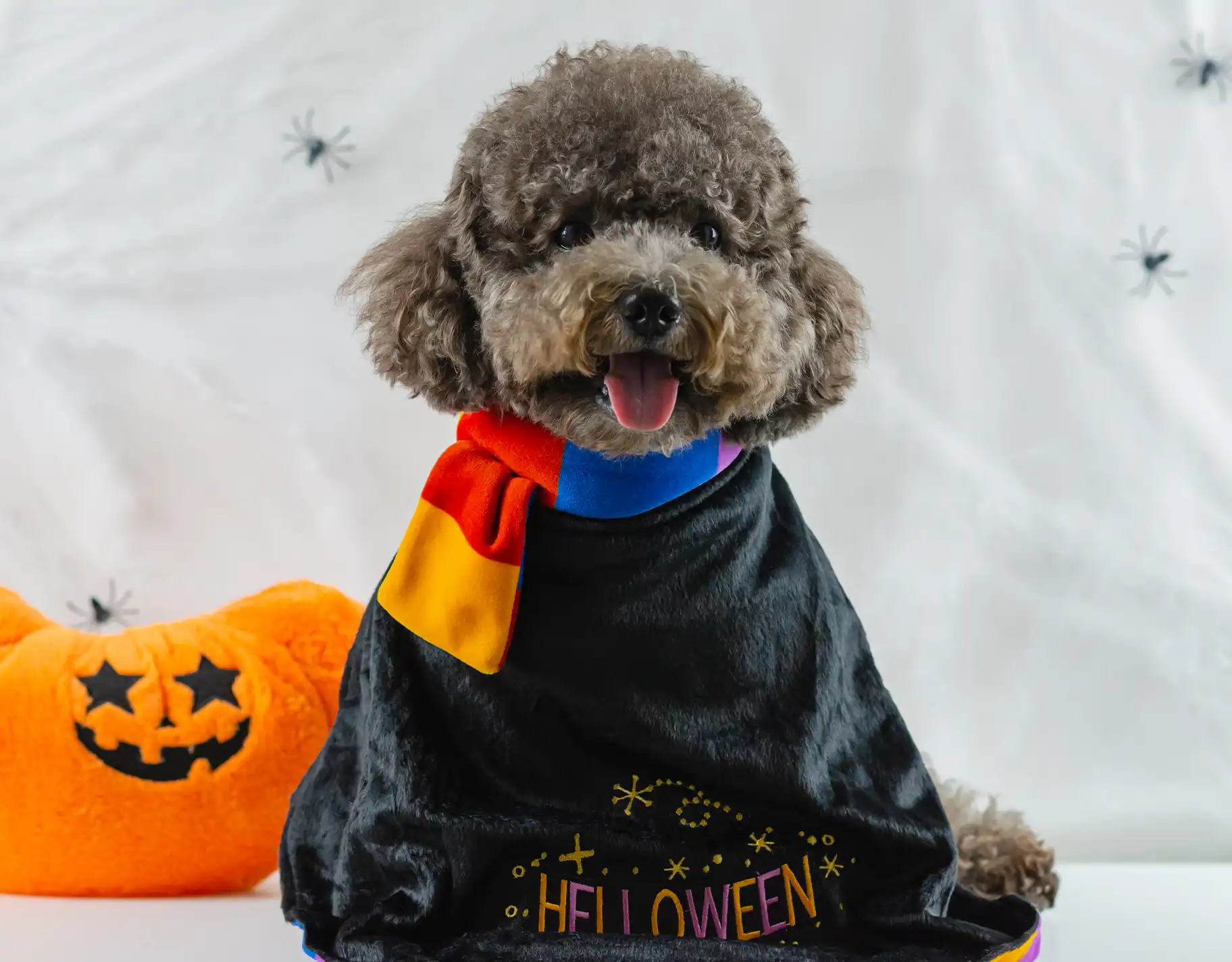
Whenever your pet seems unsure. A festive collar, a pet-safe treat, or a quiet spot away from the crowd can include your animal in the celebration without the stress. Holidays are already a lot for pets, with doorbells, visitors, and loud music. Halloween hazards also include decorations, candy, and other seasonal items pets may chew or swallow.
The best pet photo or event shows a relaxed animal: ears natural, body loose, tail moving, and free to walk away. Dressing up is fun when it’s voluntary in practice. If a costume turns your pet into a stressed prop, the kinderKinderThe first year of formal schooling in the Philippines, required for children around age five. Kinder introduces letters, numbers, routines, and group play, so a gentle start helps children adjust choice is simple: let it celebrate in its own fur.
Frequently Asked Questions
Some can, if the outfit fits properly, leaves the face and limbs free, and an adult watches closely. Many pets are happier without one, so let your animal’s behavior decide.
Only for a short time, with frequent checks. Remove the outfit right away if your pet shows stress or has trouble moving.
A bandana, festive collar, or another pet-safe accessory that doesn’t cover the face or restrict movement. For night walks, a reflective collar adds visibility.
Heavy layers can cause overheating, especially in the Philippines’ humid climate. A lightweight bandana is a gentler choice, and skipping the outfit altogether is fine.
Freezing, scratching, hiding, panting, lip-licking, yawning, trembling, flattened ears, a tucked tail, and sudden withdrawal. If you see any of these, take the costume off.
More on Pets
Why Cat Videos Make Us Feel Better
Teaching Kids to Safely Feed Community Cats
Parents’ Choice Awards 2026: Pet Care