It’s Happy Cat Month! Keep Your Cat Safe and Thriving



A practical guide to rainy-season safety and everyday enrichment for your cat
September marks Happy Cat Month, an annual campaign started by the CATalyst Council to put feline health and everyday enrichment back on people’s radar. It’s a fitting time for a routineRoutineA predictable daily rhythm for waking, meals, school, play, and sleep. Routines give children a sense of security, reduce power struggles, and make busy mornings smoother, while some flexibility keeps check-in, especially since it’s easy for feeding, play, and safety habits slide into autopilot once life gets busy.
The timing works out well here, too. With the Ber-months bringing steady rain, the usual routine needs a few adjustments. Humidity and wet weather change what “safe” and “stimulating” actually means for a cat, so a quick refresh now can spare you an emergency vet visit later.

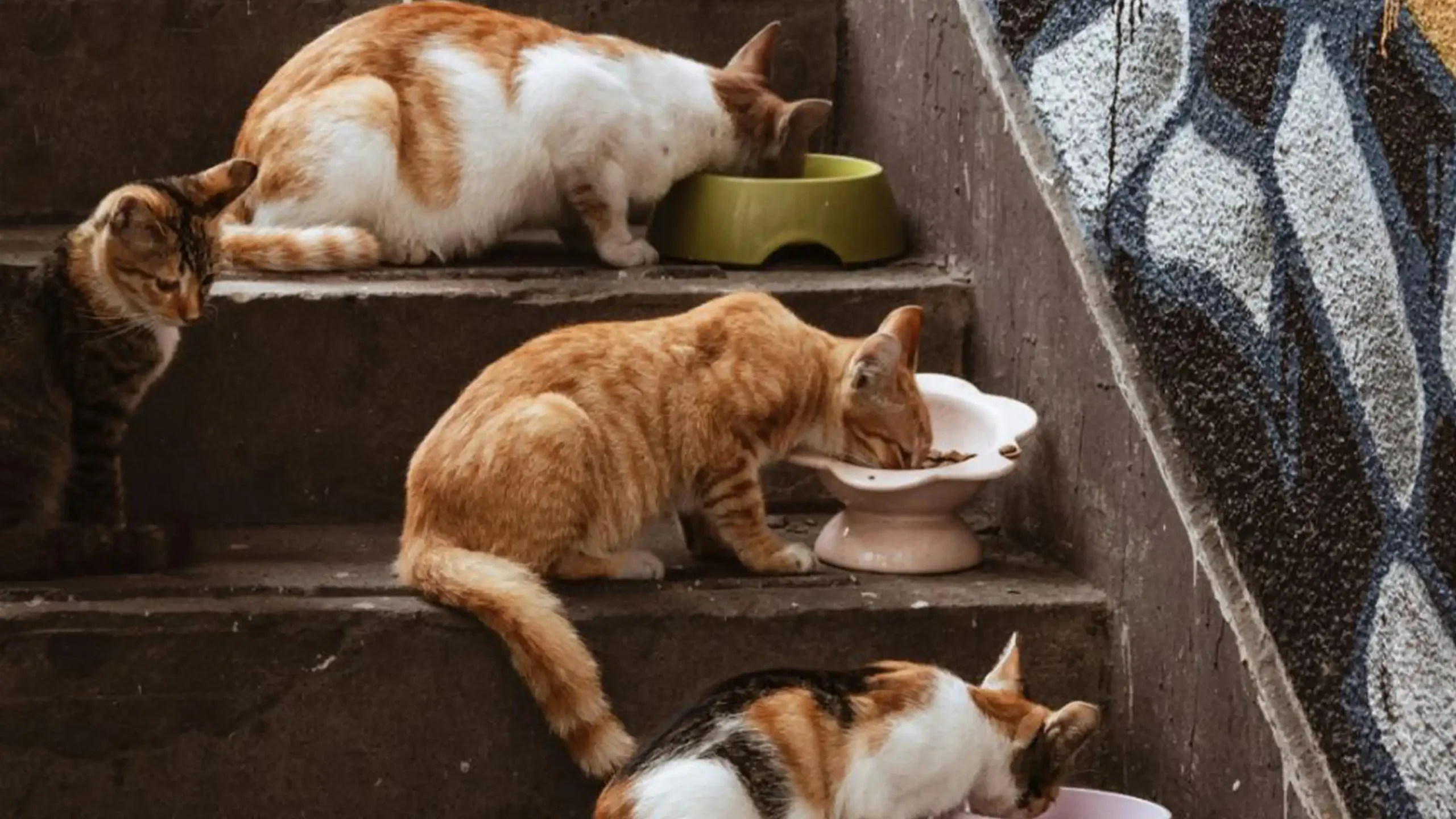
outdoor feeding times keep pets happy and healthy during
Happy Cat Month | Odua Images
Indoor Enrichment That Actually Works
Cats need more than a food bowl and a spot on the couch. They need height to climb, something to chase, and a reason to use their claws the way nature intended.
A cat tree or a couple of wall shelves gives them a perch to watch the room from, which does wonders for a restless cat. Rotate toys weekly — wand toys, treat mazes, puzzle feeders — so nothing gets stale, and set aside 15 to 20 minutes a day for real, hands-on play. A window seat near some outdoor activity works, too; cats can watch birds or passersby for hours without getting bored.
Scratching matters just as much. Sisal rope for vertical stretching, cardboard for shredding, carpet for that satisfying claw friction — offer a mix, spread across a few rooms, and the couch stays intact.

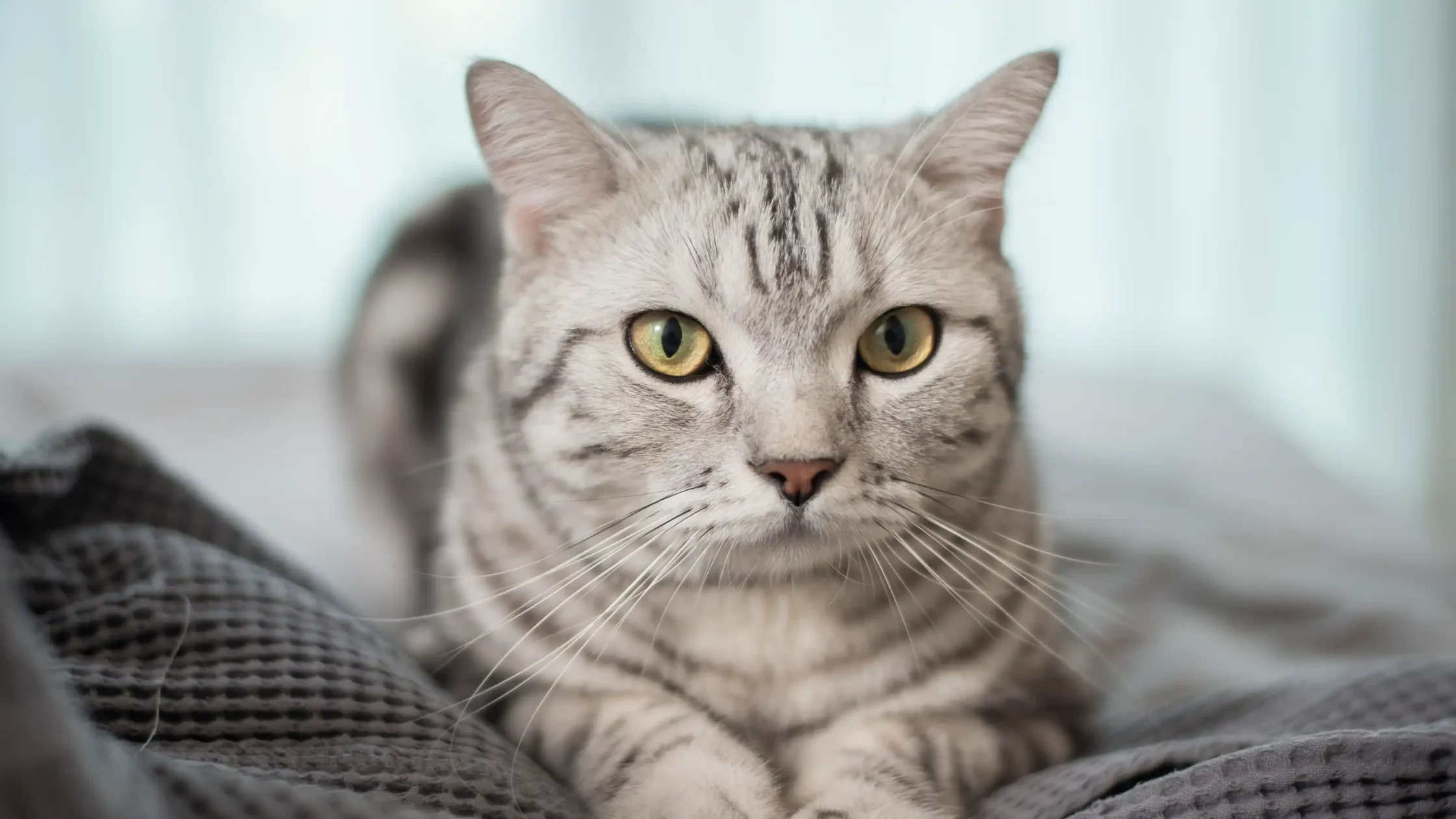
and entertained | Getty Images
What Rainy-Season Weather Actually Does to Cats
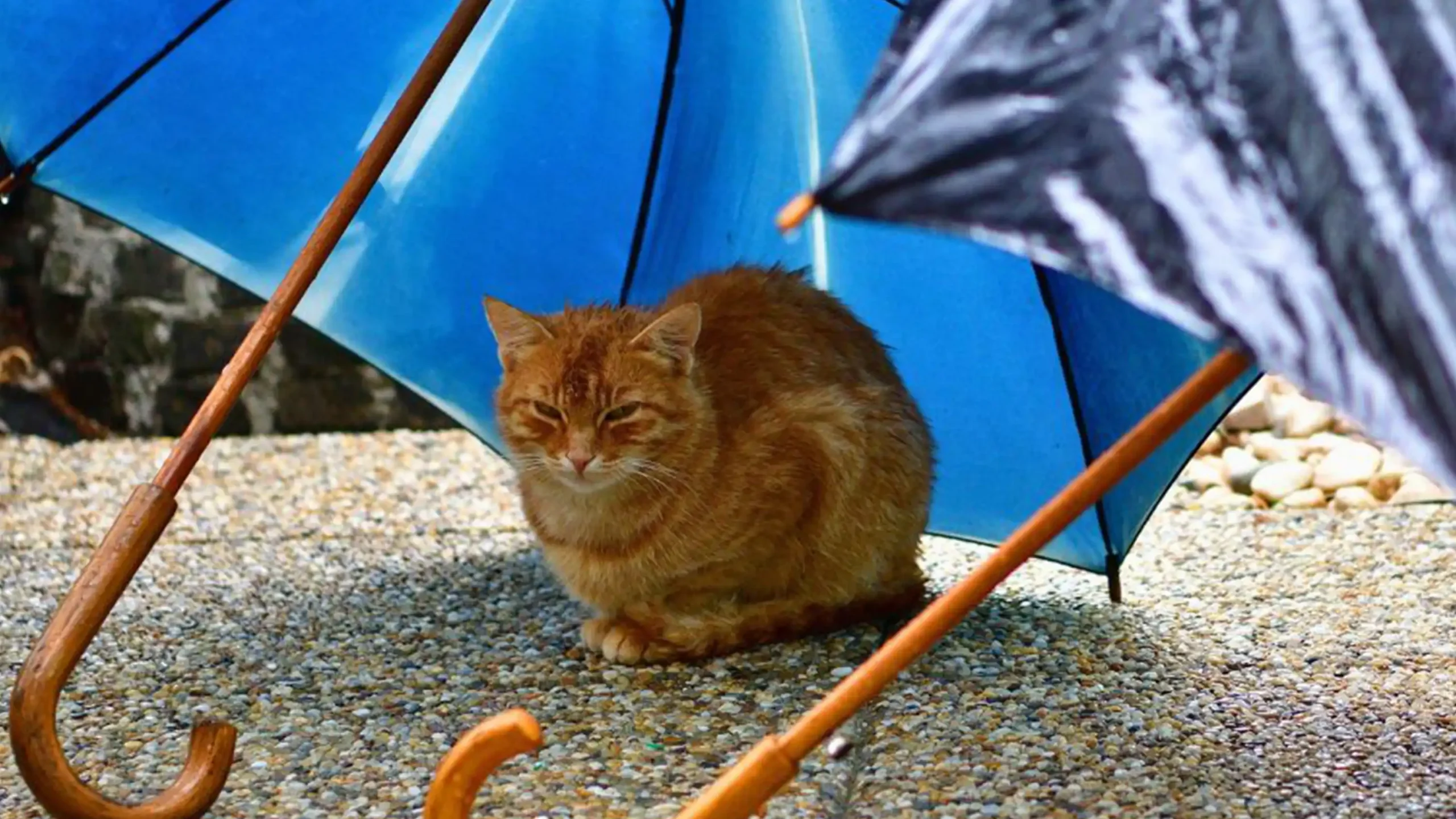
Wet weather is harder on cats than most people realize. Damp fur loses its insulating warmth fast, and cold, wet conditions put real stress on a cat’s immune system. This raises the risk of upper respiratory infections. Rain also washes motor fluids, fertilizer, and street grime into puddles a curious cat might walk through or lick clean.
Add flooded gutters, slick pavement, and storm debris, and outdoor time turns risky fast. During heavy rain or thunder, keep cats inside. A dim, quiet room with soft bedding helps take the edge off storm anxiety. Once the weather clears, walk the yard yourself before letting a cat back out. Fallen branches and loose wires are easy to miss until a cat finds them first.
Having a catio, a screened-in outdoor space, splits the difference nicely. It gives a cat fresh air and sunlight without the risks of wandering loose.
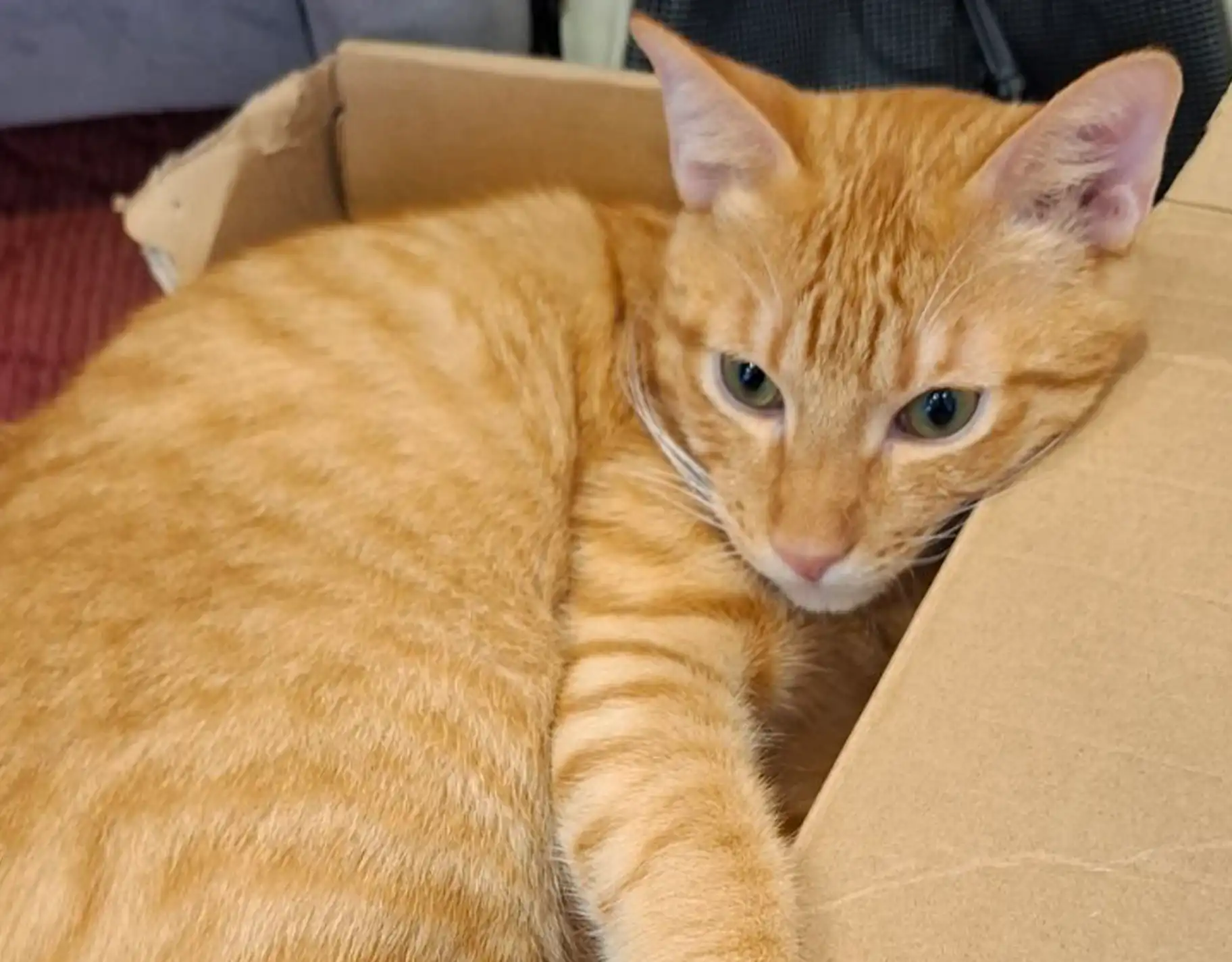
that doubles as a scratch pad, hiding spot, and cozy lounge all in one!
Simple Tasks Anyone in the Household Can Handle
Cat care works best as a shared effort, not one person’s daily chore. Small tasks are easy to hand off, and they’re a good fit for kids or older family members who want to help without much physical strain.
A quick morning routineRoutineA predictable daily rhythm for waking, meals, school, play, and sleep. Routines give children a sense of security, reduce power struggles, and make busy mornings smoother, while some flexibility keeps: clean water, a fresh bowl of food takes a minute. In the afternoon, wiping dirty paws with a towel or swapping in a different toy keeps things simple. By evening, a fast once-over does the job: scoop the litter box, check that the fur is dry, and confirm the cat seems like its normal self. None of it demands much time, but together, these small habits add up to real care.
A Rainy-Season Safety Checklist
- Vertical space: Cat trees, shelves, or window perches, set up once and left in place
- Daily play: Wand toys or puzzle feeders, 15-20 minutes a day
- Scratching options: Sisal, cardboard, and carpet posts, placed in more than one room
- Rain protection: Cats stay indoors during storms; paws get dried after any outdoor exposure
- Catio safety: Screen mesh checked regularly, yard or surrounding areas cleared of debris after every storm
Happy Cat Month isn’t about one grand gesture. It’s a nudge toward the small, repeated habits that keep a cat genuinely content, rain or shine, long after September ends.
What is Happy Cat Month?
An annual September campaign, started by the CATalyst Council, that encourages cat owners to focus on feline health, safety, and enrichment through everyday habits.
How can I keep my cat safe during the rainy season?
Keep them indoors, provide a dry shelter, wipe paws after outdoor exposure, and check the yard or surroundings for hazards before letting them roam.
What are easy ways to enrich an indoor cat’s life?
Vertical spaces, daily play sessions, puzzle feeders, and scratching posts in varied textures keeps an indoor cat active and engaged.
How much playtimePlaytimeTime for children to explore, imagine, and move freely. Play builds language, creativity, problem solving, and friendships, and parents who join in on the floor strengthen their relationship while learning does a cat need each day?
Most cats do well with 15 to 20 minutes of interactive play a day, split into shorter sessions if needed.
What is a catio, and do I need one?
A screened, enclosed outdoor space that lets cats enjoy fresh air without the risks of free-roaming. It’s optional, but useful for outdoor-curious cats.