Teaching Kids to Safely Feed Community Cats
- by Nicole Limlengco
- September 22, 2026



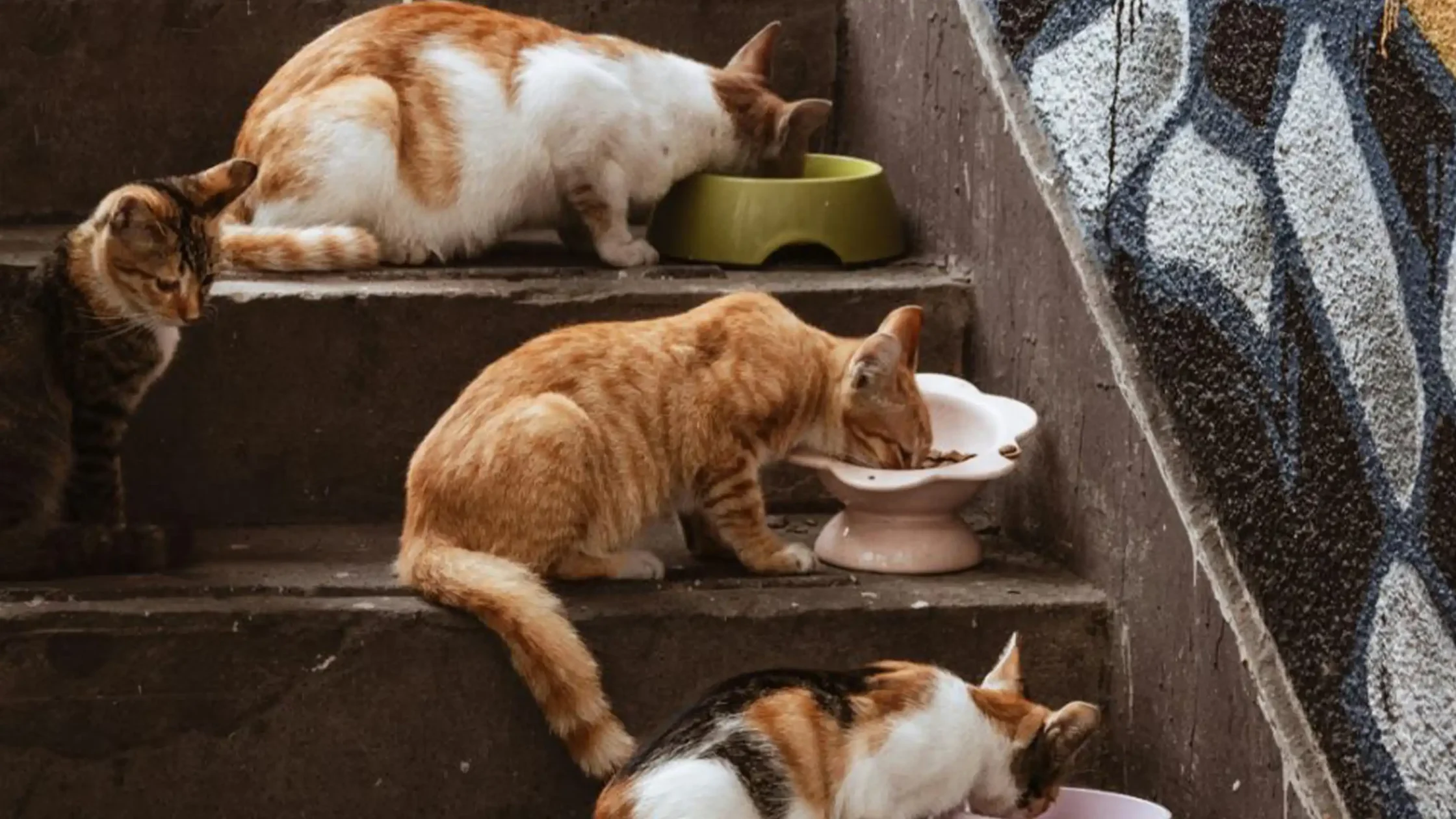
Parents can teach children to safely feed community cats by setting a predictable schedule, choosing all-life-stages cat food, and practicing safe-distance feeding
Feeding neighborhood cats teaches children empathy, responsibility, and routineRoutineA predictable daily rhythm for waking, meals, school, play, and sleep. Routines give children a sense of security, reduce power struggles, and make busy mornings smoother, while some flexibility keeps. With guidance from veterinarian Dr. Roxanne Ignacio, families can turn community cat care into a rewarding, safe daily habit.
How Often Should Community Cats Be Fed?
Feed community cats twice a day at set times and locations.
Cats thrive on predictable schedules. A consistent routineRoutineA predictable daily rhythm for waking, meals, school, play, and sleep. Routines give children a sense of security, reduce power struggles, and make busy mornings smoother, while some flexibility keeps keeps animals calm and makes them easier for young kids to observe safely.
- Morning and evening: Serve main meals at the same hours daily.
- Kitten care: Add a midday meal for growing kittens.
- The 30-minute rule: Pick up remaining food after 30 minutes to stop spoilage, ants, and pests.
- Hydration station: Keep fresh, clean water at every feeding spot.
What is the Best Food to Feed Community Cats?
Choosing a single complete-and-balanced cat food labeled for all life stages.
Buying separate food for kittens, adults, and seniors gets overwhelming for families. One all-life-stages formula safely nourishes the whole colony.
- Soft food for kittens: Mix dry kibble with warm water to soften it for tiny teeth.
- Wet food bonus: Offer wet food when budget permits to support kidney health.
- Immune support: Stir a daily immune supplement into the food bowl to protect street cats from common illnesses.
- Safe handling: Teach kids to wash their hands immediately after handling pet food or bowls.
How Can Parents Keep Kids Safe While Feeding Community Cats?
Establish strict boundary rules before children interact with neighborhood animals.
Safety comes first when teaching kids to care for free-roaming cats.
- Maintain distance: Remind children to place down food and step back five feet before cats approach.
- No petting unfamiliar cats: Advise kids not to touch, pick up, or corner community cats.
- Adult supervision: Accompany young children on every feeding walk.
- Clean up together: Wash all dishes and sweep feeding stations daily.
What Health Warning Signs Should Kids Watch For in Community Cats?
Teach kids to report swollen bellies, extreme tiredness, or limping directly to an adult.
Community cats face many health risks, including Feline Infectious Peritonitis (FIP). FIP stems from a common coronavirus spread through shared litter and feces. While stress triggers the illness, modern antiviral treatments can save lives if caught early.
Encourage your children to act as “junior cat detectives.” Ask them to alert you right away if they notice:
- A visibly swollen or bloated belly
- Persistent lethargy or lack of energy
- Sudden weight loss or refusal to eat
- Unexplained fevers or eye discharge
By spotting these warning signs early, your family can help get a community cat to a vet in time.
Teaching kids to care for community cats does not require an expensive rescue setup. By setting simple boundaries, offering clean water, and choosing one nutritious food, your family builds lasting compassion while keeping neighborhood cats healthy.
Frequently Asked Questions
No, teach children to observe community cats from a safe distance without petting them.
Even friendly neighborhood cats can startle quickly or scratch when startled. Keeping a no-touch rule protects both your child and the animal.
No, avoid giving cow’s milk, toxic seasonings, or general table scraps to community cats.
Most cats are lactose intolerant, and common ingredients like onions, garlic, and cooked bones are dangerous. If budget allows, choose a quality commercial cat food brand. Alternatively, families can prepare simple cat-safe home-cooked meals using plain unseasoned boiled chicken, squash, carrots, or deboned fish.
Contact a local vet or animal rescue group right away instead of handling the cat yourself.
Injured animals may bite out of fear or pain. Keep kids at a safe distance while an adult contacts professional help or a local trap-neuter-return (TNR) volunteer.
FIP – Feline Infectious Peritonitis is a severe, progressive viral disease in cats caused by a mutated strain of the common feline coronavirus.
More on pets
Rainy Season Pet Care: A Guide for Pinoy Families
Pet Wellness Is the New Parenting Trend—and Filipino Fur Parents Are Embracing It
It’s Happy Cat Month! Keep Your Cat Safe and Thriving