Why Suicide Prevention Awareness Must Continue Beyond September



With suicide cases among young Filipinos on the rise, active listening and early intervention have never been more critical
Trigger warning: This article discusses suicide
September marks World Suicide Prevention Month, with September 10 observed globally as World Suicide Prevention Day. As 2026 serves as the final year of the global campaign “Changing the Narrative on Suicide,” the urgency for open, compassionate conversations has never been clearer—especially within the home.
Despite growing public awareness and the hard work of advocacy groups, suicide remains an alarming crisis among Filipinos, particularly the youth. Data from the National Capital Region Police Office (NCRPO) highlighted a troubling surge in the first quarter of 2026, recording 111 cases in the NCR alone from January 1 to March 23—up significantly from 33 reported cases during the same period in 2025.
Authorities cite emotional stress, relationship struggles, financial pressures, and personal loss as primary drivers. The World Health Organization (WHO) further notes that while suicide impacts people of all backgrounds, 42% of attempts occur among youth aged 15 to 29. Furthermore, social norms and deep-seated stigma around seeking help mean that many young people suffer in silence.
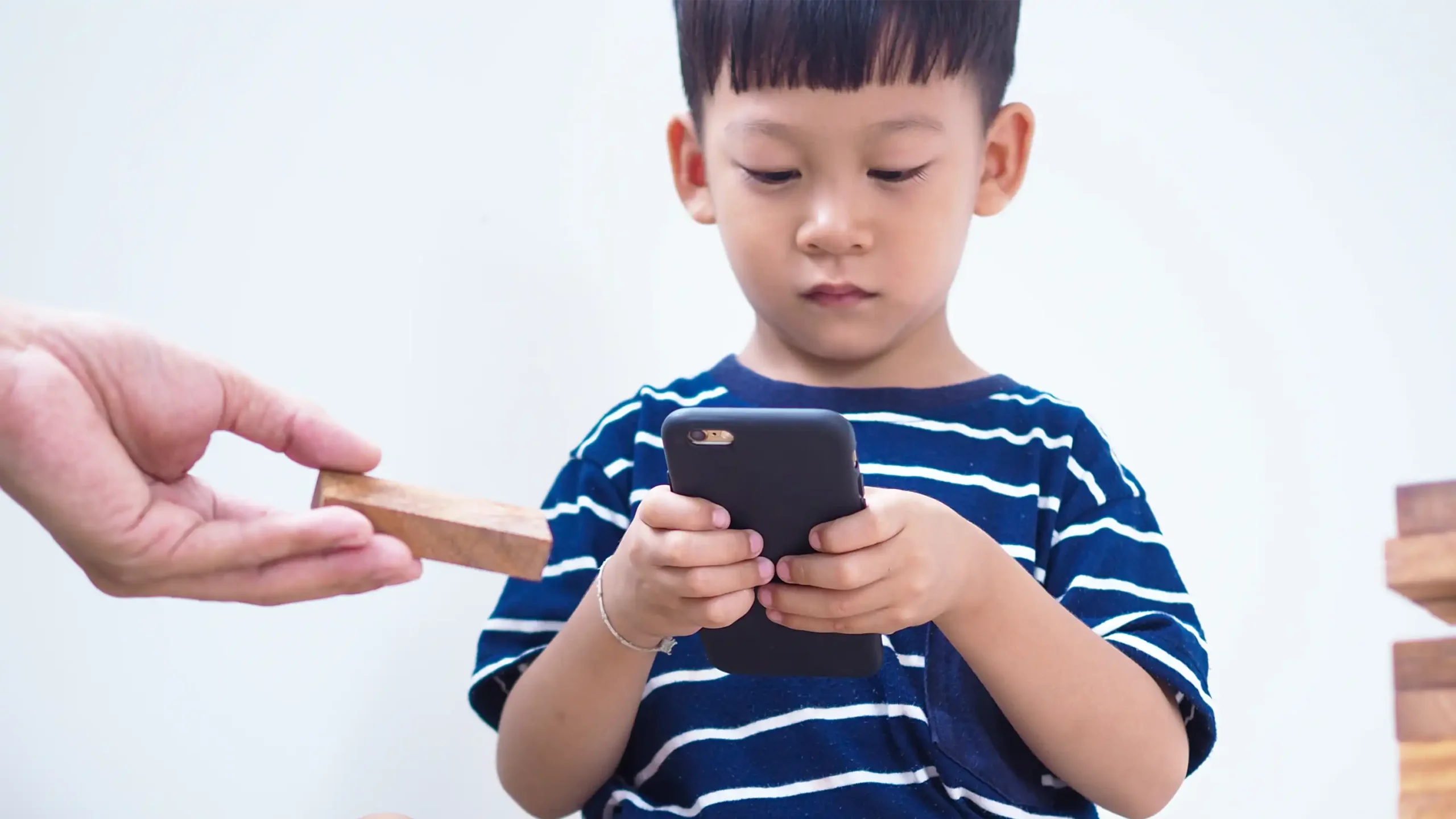
For parents, these numbers are a serious call to action. Bullying—both in person and online—remains one of the most critical triggers affecting young people today. Protecting our children starts with transforming how we engage with them at home.

How Parents Can Take Action
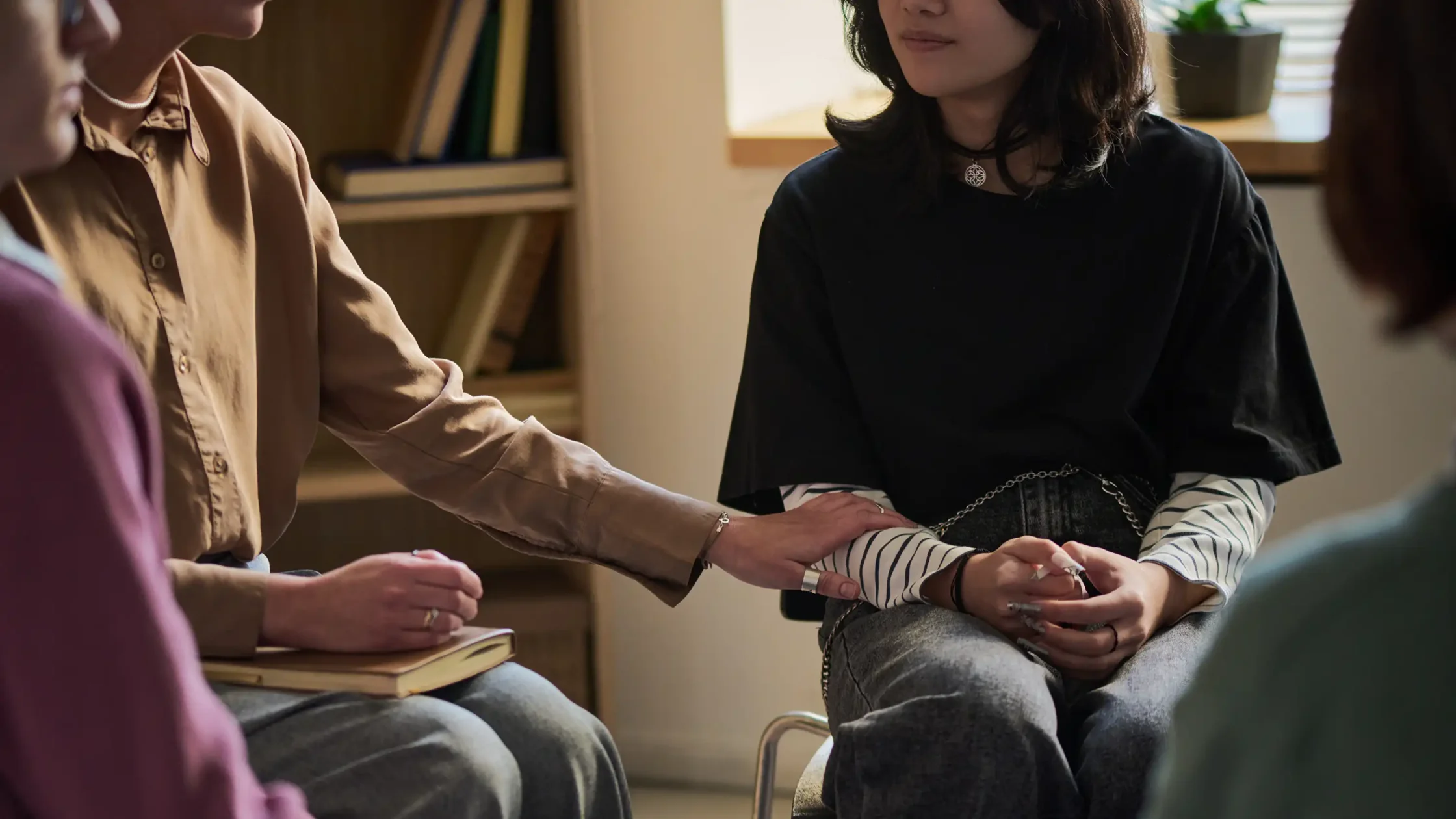
- Listen Without Sidetracking: When a child mentions feeling excluded, overwhelmed, or bullied at school, treat their words with immediate gravity. Avoid dismissing their feelings as “just a phase” or simple playground drama. Active, non-judgmental listening creates a safe harbor for a struggling child.
- Look for the Unspoken Signs: Emotional distress doesn’t always look like sadness. Watch for sudden withdrawal from social activities, drastic mood swings, changes in sleep or eating habits, or drop-offs in academic performance.
- Build Professional Support Systems: You do not have to navigate this alone. Partner with school counselors, pediatric psychologists, and reputable mental health organizations. Professional intervention is a vital layer of protection when home monitoring isn’t enough.
- Prioritize Presence Over Busyness: Balancing work and family demands is tough, but intentional time with your children is non-negotiable. Regular, unstructured family moments assure your child that they are seen, valued, and safe.
Changing the narrative starts within the household and the community. No parent can shield their child from every pressure of the modern world, but by choosing connection over quiet isolation, we give them something far more durable: the certainty that they never have to carry their heavy moments alone.
If you or someone you know is in need of assistance, please reach out to the National Center for Mental Health (NCMH). Their crisis hotlines are available at 1553 (Luzon-wide landline toll-free), 0917-899-USAP (8727), 0966-351-4518, and 0908-639-2672. For more information, visit their website: (https://doh.gov.ph/NCMH-Crisis-Hotline)
Other organizations such as MentalPH.org, Hopeline Philippines and Mental Health Matters are ready to help those in need
Resources: Suicide cases in NCR more than double in first 3 months of 2026 — NCRPO
World Health Organization
GAD to Know: Suicide Statistics in the Philippines A Gender Based Analysis
Frequently Asked Questions
Common warning signs include explicit statements about wanting to disappear, severe social withdrawal, sudden mood shifts, giving away prized possessions, loss of interest in favorite activities, and talking frequently about feeling like a burden to others.
Validate their emotions first by thanking them for telling you. Stay calm, listen closely without interrupting, assure them that it is not their fault, and document the details. Contact the school administration promptly to enforce safety policies, and consult a mental health professional if your child shows signs of trauma or deep distress.
More on Mental Health and Suicide Prevention
Changing The Narrative On World Suicide Prevention Day
How Parents Can Help When Their Kids Are Suicidal
Mental Health Begins Within the Family