Can Meal Prepping Save Your Family Money?



Meal prepping can trim the grocery bill and soften the weeknight scramble. Here is how to start without giving up your whole Sunday
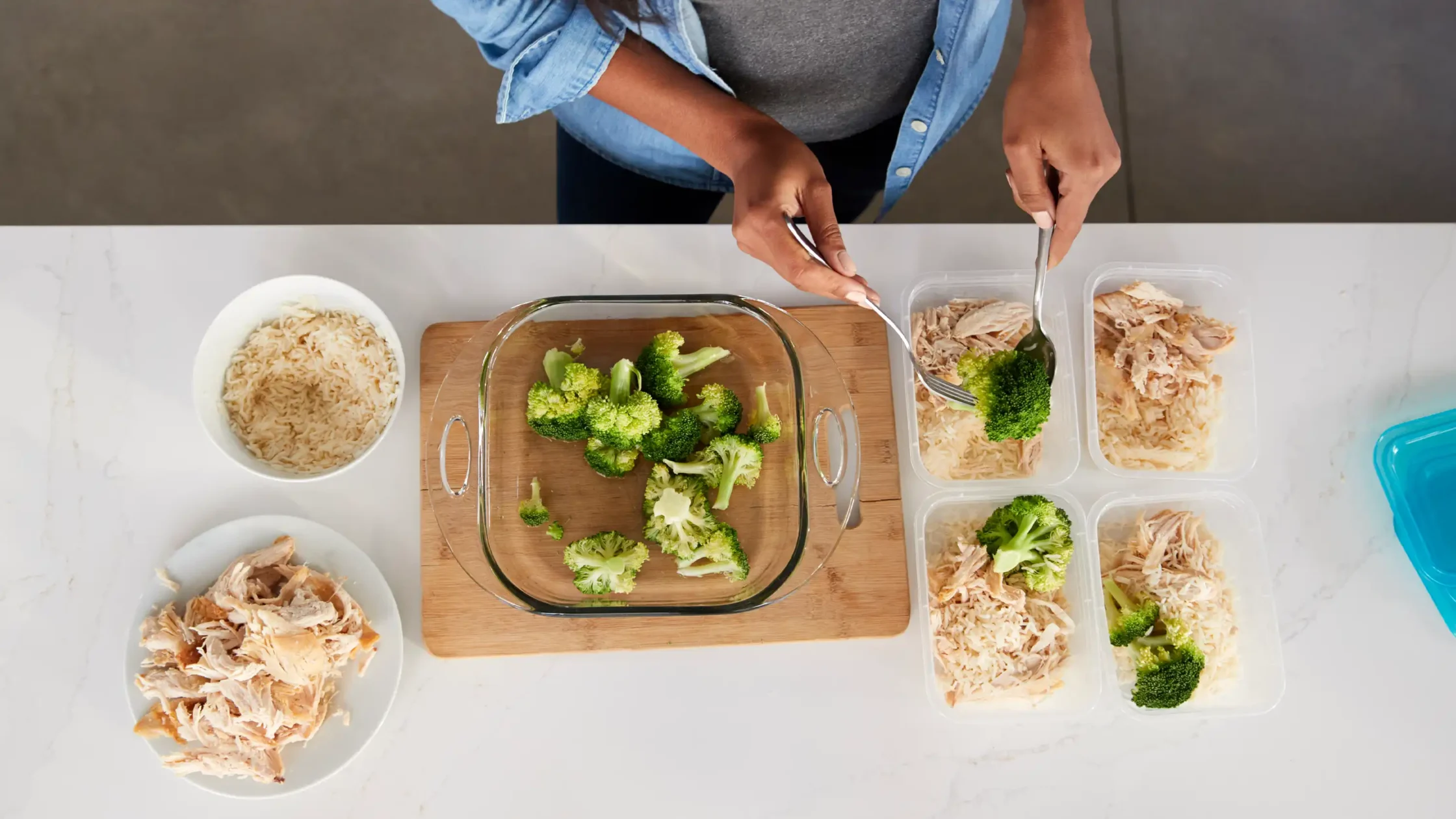
Meal prepping means planning and preparing some or all of your meals ahead of time. For many Filipino professionals and parents, that looks like a big pot of adobo on Sunday, vegetables washed and chopped for the week, or baon packed the night before. The goal is simple: affordable, home-cooked food ready when work, traffic, and family duties leave little energy for cooking.
Why Planning Meals Ahead Pays Off Now
Food inflation rose to 6.8% in September 2026, up from 4.6% the month before, the Philippine Statistics Authority reported. Unplanned grocery runs and food deliveries add up fast.
The DOST-Food and NutritionNutritionThe process of obtaining and using nutrients from food to support growth, energy, overall health, and proper body function. Research Institute (DOST-FNRI) suggests planning meals in advance, whether for a week or just three days, and rotating them in a cycle menu. Harvard’s NutritionNutritionThe process of obtaining and using nutrients from food to support growth, energy, overall health, and proper body function. Source adds that meal prep can save money and time while giving you control over ingredients and portions.
How Batch Cooking Gives You Your Evenings Back
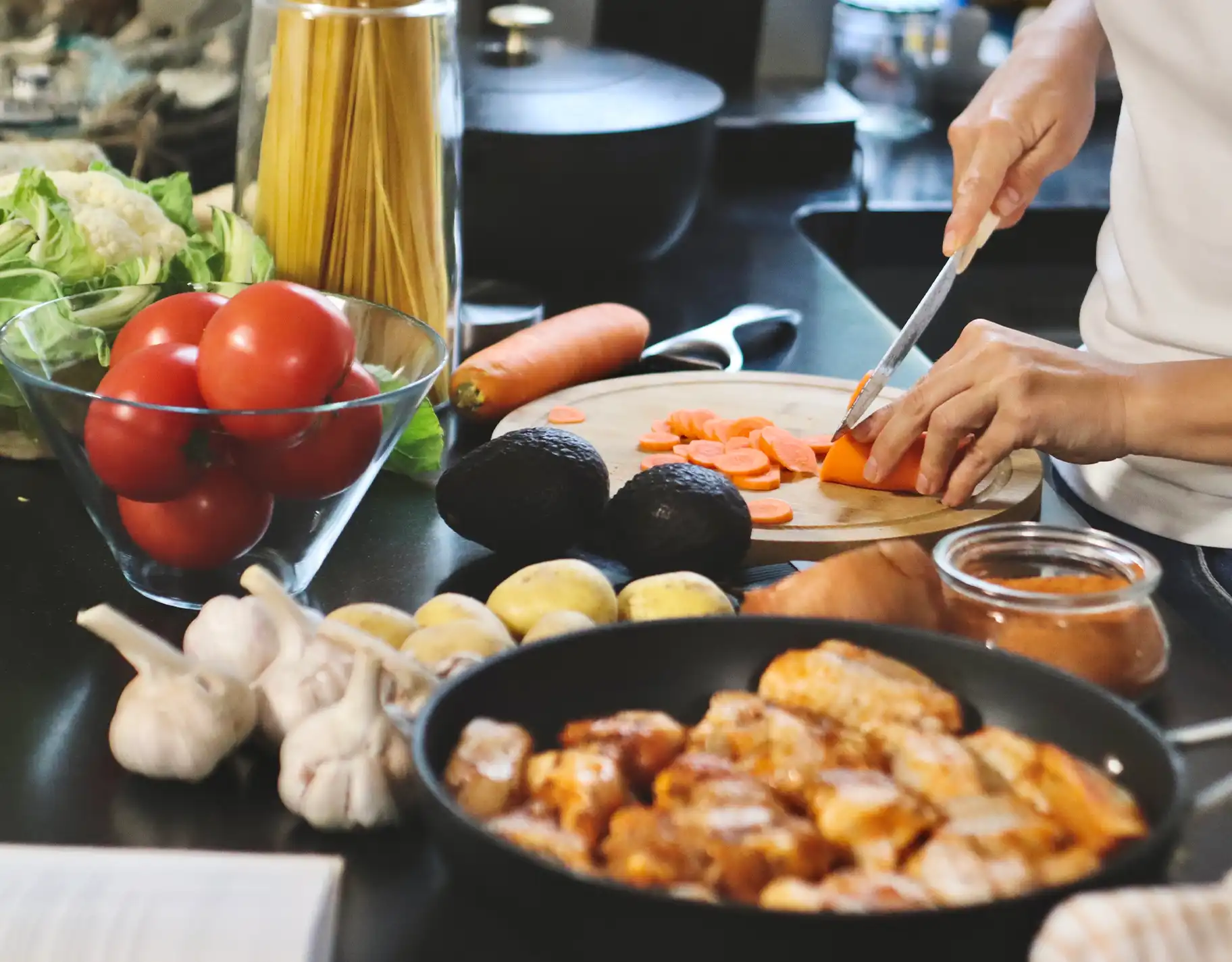
Deciding what to cook after a long commute is its own kind of tired. Batch cooking, which means making larger portions of rice, ulam, or sauce for several meals, lets you reheat or assemble dinner in minutes. Start with two or three days of meals you enjoy.
What Does a Balanced Filipino Plate Look Like?
FNRI’s Pinggang Pinoy shows the right proportions of Go, Grow, and Glow foods in every meal:
- Half Glow foods: vegetables and fruits, such as kangkong, sitaw, talong, malunggay, or papaya
- About one-third Go foods: rice, root crops, corn, or oatmeal
- About one-sixth Grow foods: fish, eggs, chicken, or beans
Harvard’s Healthy Eating Plate offers a similar picture: half vegetables and fruits, one-quarter whole grains, one-quarter healthy protein. FNRI also advises choosing foods that are cheap, available, and in season, which suits a trip to the palengke. Eggs, canned beans, frozen vegetables, and whole grains keep a healthy meal within reach when fresh groceries run low.
A Simple Six-Step Starter Plan
- Choose a prep day, such as Sunday afternoon.
- Plan three dinners and two lunch baons.
- Write a grocery list based only on those meals.
- Cook a base of rice, one protein, and one vegetable dish.
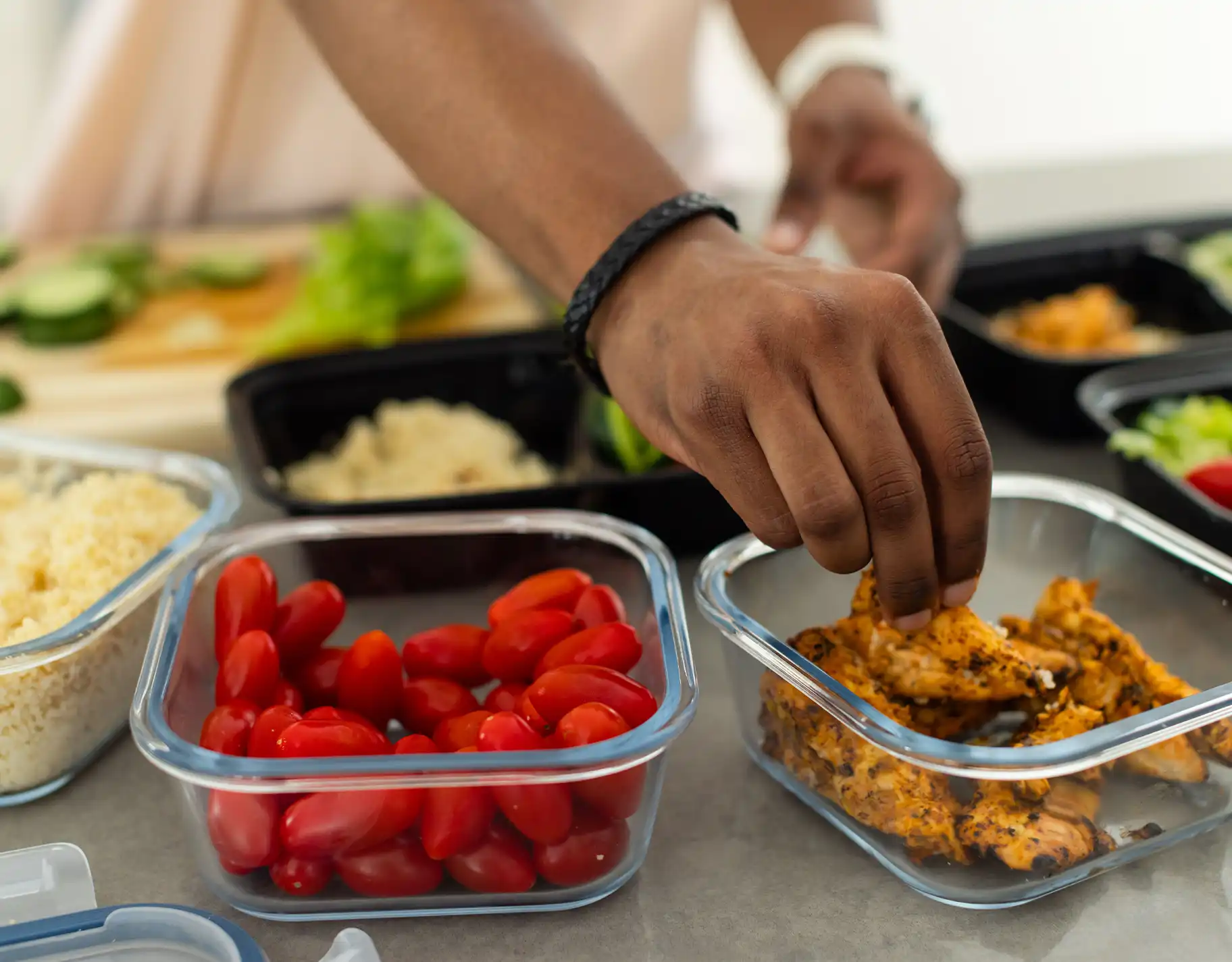
- Store portions in clean, labeled, dated containers.
- Refrigerate promptly; freeze portions you won’t eat within a few days.
How to Keep Prepped Food Safe in Warm Weather
Heat speeds up spoilage. Experts advise safe handling, cooking, storage, and recommend labeling prepped food and keeping it in the fridge or freezer.
A few hours in the kitchen now can mean a whole week of dinners that take care of themselves.
Frequently Asked Questions
It means planning and preparing meals, or parts of them, ahead of time.
It is FNRI’s plate guide: half Glow foods (vegetables and fruits), one-third Go foods (rice and root crops), and one-sixth Grow foods (fish, eggs, meat, and beans).
It is a set of meals you rotate over days or weeks, so you don’t decide from scratch each time.
Two or three days of meals you already enjoy.
Refrigerate promptly and freeze what you won’t eat within a few days. The general guideline for cooked leftovers is 3-4 days.
More Kitchen Preps
7 Easy Vegetables to Add to Everyday Dishes for More Fiber and Nutrition
4 Easy Ways to Transform Your Thanksgiving Leftovers
Pan-tastic Care: How To Keep And Maintain Your Kitchen Pans