How Your Mood Becomes Your Child’s Weather


A parent’s emotional well-being shapes the feel of home more than any rule or lecture does
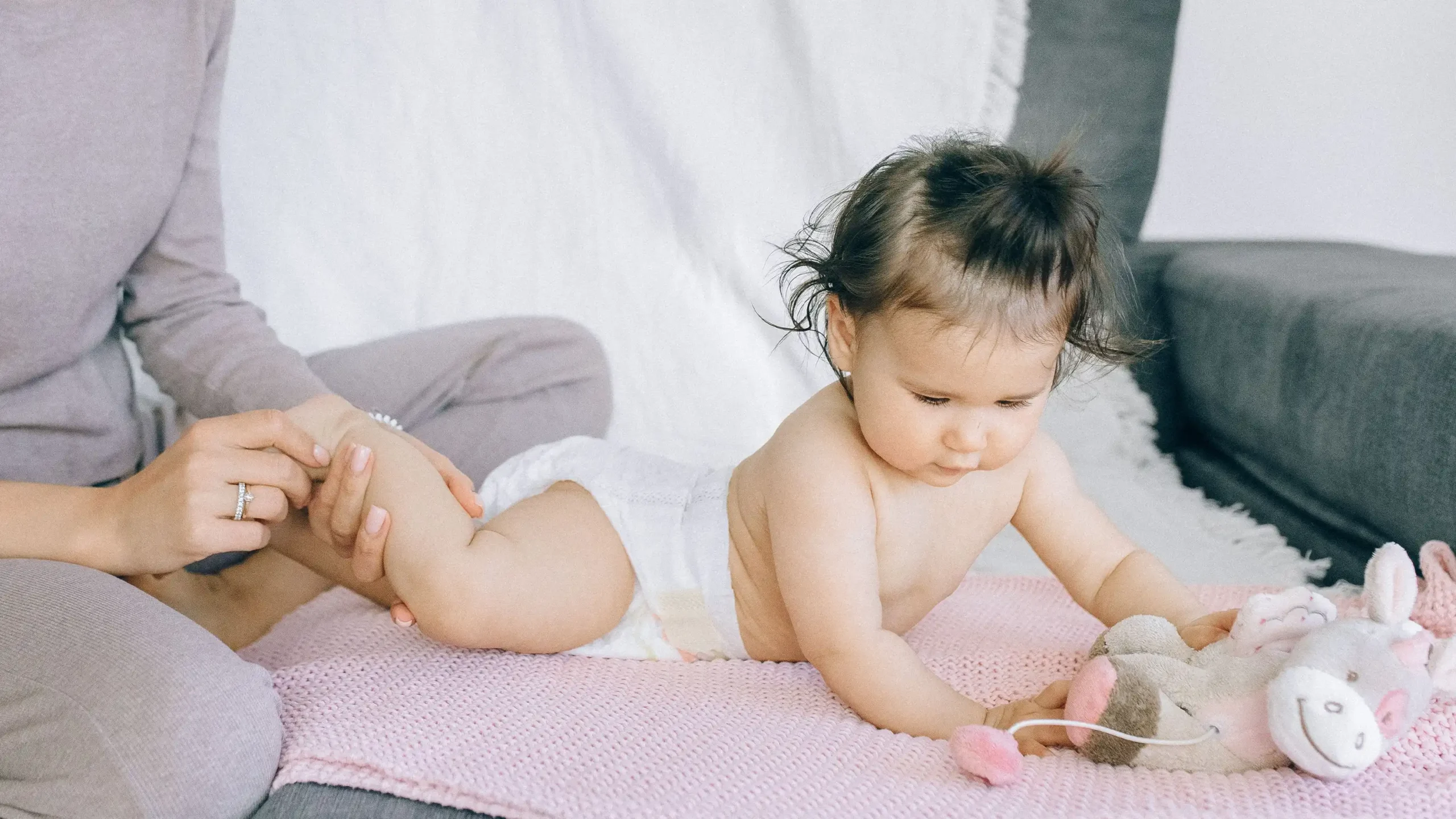
Does a parent’s mood really affect a child? It does, and kids usually pick up on it long before they can put words to it. They forget plenty of what we say, like the lectures, the house rules, and whatever came out of last month’s family meeting. What sticks is how home felt. Rushed or safe. Tense or warm. Predictable or anyone’s guess.
That feeling doesn’t depend on getting everything right. It depends on the emotional environment at home, which parents build mostly without meaning to. Energy healers Master Del Pe and Master Rega Pe of BElife Institute for Higher Consciousness (BIHC) call it the “energy” we hand down: the stress, calm, frustration, love, and plain tiredness that drift through a house before anyone says a word about it. In their view, stress is contagious in families and moves from parent to child and back again. It’s a big reason a parent’s emotional well-being matters so much.
You don’t have to buy into energy healing to see the truth in that. Children notice the sigh before dinner. They notice the quiet after an argument and the tight voice during homework. They can usually tell when you’re really with them and when you’re just standing in the room.

Can a Parent’s Stress Really Affect a Child?
Master Del Pe has worked with parents and families for decades. He says a child’s difficulties often seem tied to what the parents are carrying. He sees that link starting before birth, staying strong through early childhood, and changing shape as kids get older.
None of this means parents cause every problem. Anxiety, developmental differences, illness, griefGriefThe deep sadness that follows the loss of a loved one, which children experience differently from adults. Parents can help by using honest, simple words, allowing tears and questions, keeping, bullyingBullyingRepeated, intentional harm toward another child through words, actions, exclusion, or online posts. Parents can help by listening without blame, documenting incidents, talking with the school, and reminding their child, and other mental healthMental HealthA person's emotional, psychological, and social well-being, which affects how children and parents think, feel, and cope. Open conversations, regular routines, and timely help from professionals make it easier for struggles can come from places that have nothing to do with home. But a household can pile on pressure, or it can give some of it back.
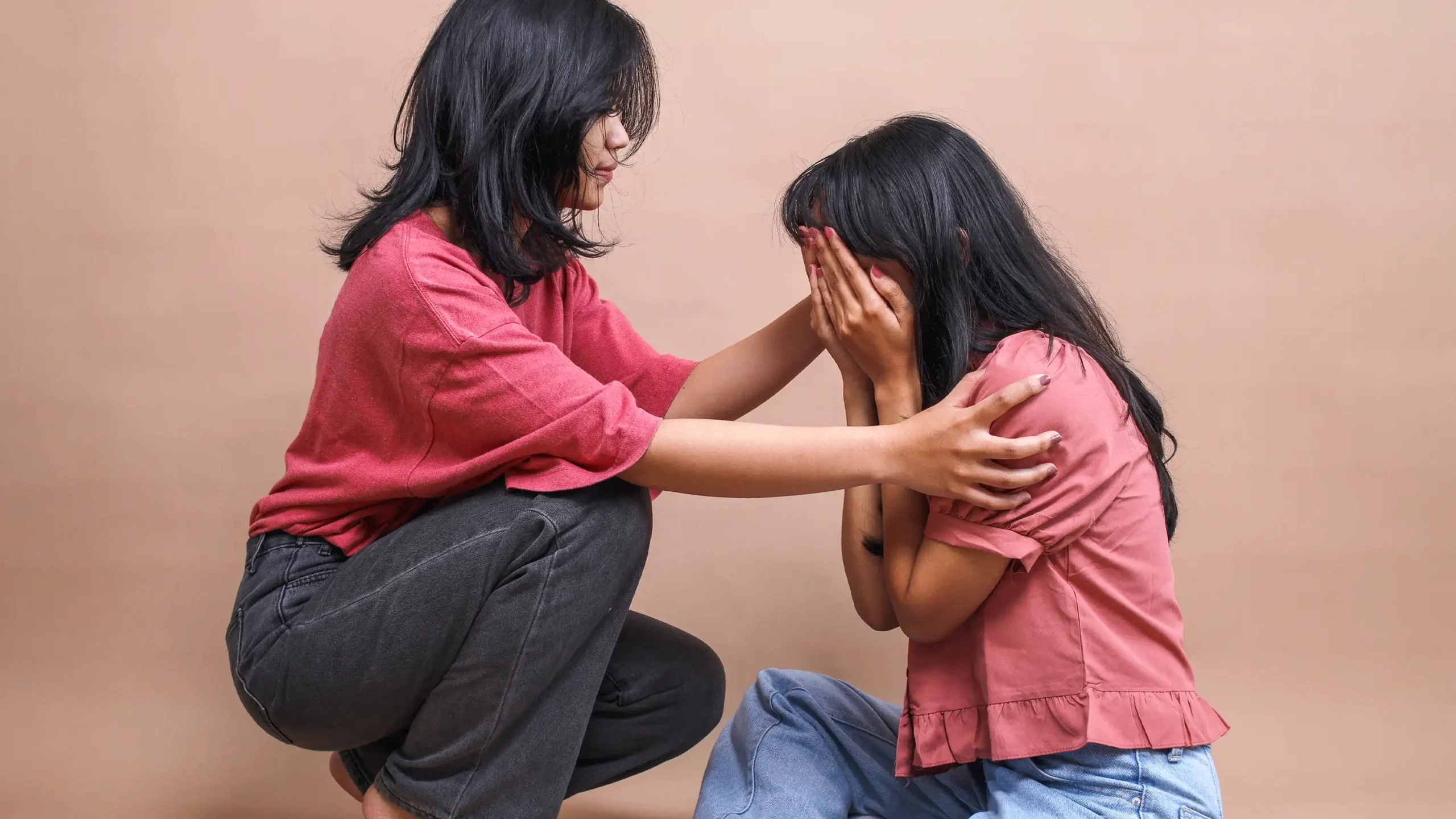
When a parent is running on empty, patience goes first, then sleep, and then whatever room is left for feelings. A child might get clingy or pull away. Some become quick to blow up, and some just can’t settle. They’re not being difficult. They can tell something is off.
It works the other way, too. Say a parent stops before reacting, rests when they can, or tells the child, “I’m overwhelmed, but this isn’t your fault.” The child learns that big feelings can be handled.
Why Do Parents Miss Their Own Burnout?
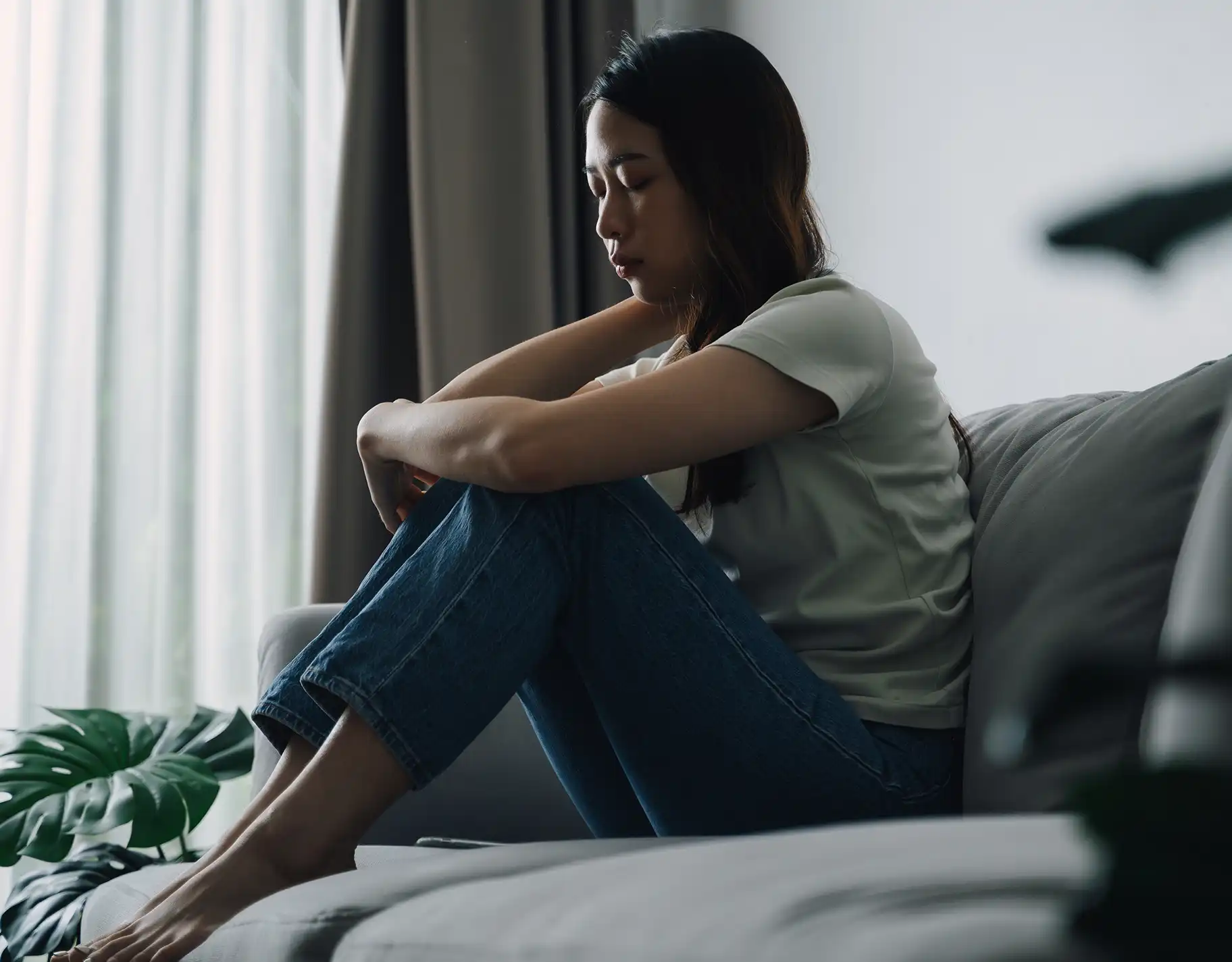
A lot of parents have run on pressure for so long that it feels normal. There are school runs, deadlines, bills, relationships, and everyone else’s needs to juggle. Their own sleep, friendships, and health slip down the list without much notice.
Modern Parenting points to some familiar signs of parent burnout. They include broken sleep, low stamina, loneliness, tension with a partner, and the constant measuring of your family against everyone else’s. Master Rega Pe says some parents look completely capable from the outside, with deadlines met and everything moving, then feel hollow once the adrenaline wears off.
That’s not a character flaw. It’s a signal. Parenting is hard, and asking for help is allowed. Call a trusted friend, join a support group, see a therapist or a doctor, or just tell your partner, “I’m not okay today.” Any of these can change the temperature at home.
Is It Okay for Parents to Have a Life of Their Own?
It is. Master Del Pe talks about healthy interdependence, which means holding on to your own sense of purpose through family, work, friendships, health, and spiritual life while still showing up for your kids.
Many parents, mothers especially, find this hard to accept. Guilt tends to show up whenever they work, rest, or ask for an hour alone. But a parent with interests and a little restoration isn’t taking anything from their child. They’re showing what a full life looks like. Kids don’t need someone who’s always available. They need someone who’s real, easy to reach, and willing to make things right after a rough moment.

What Small Habits Calm the Mood at Home?
Nothing here requires a lifestyle overhaul. Small habits, repeated, go a long way.
- Pause before you answer. When you feel triggered, take one slow breath and name it, like “I’m frustrated.” That buys you a second to choose how to respond.
- Walk together. A 15-minute stroll after a meal can take the edge off the day and make conversation easier.
- Hold a weekly family check-in. Everyone shares something they liked, disliked, or found hard, youngest first. Listen now and fix things later.
- Keep a few minutes for yourself. That could be coffee before the house wakes up, some stretching, prayer, journaling, or just sitting without a screen.
- Repair out loud. If you snapped, say so: “I was stressed and I spoke harshly. I’m sorry.” Kids learn that relationships can bend without breaking.
Does Awareness Mean Blame?
No. Seeing your influence on your child isn’t the same as blaming yourself for everything they feel. Parents get tired and anxious, and sometimes they lose their temper. What counts is noticing how those days land at home and changing what you can.
Your child may not remember the details of a rough season. They might remember that you tried, that you apologized, that you got help, and that you came back to them warmly. That’s an inheritance, too.

Learn more about the work of Master Del Pe and Master Rega Pe at BIHC and masterdelpe.com.
Frequently Asked Questions
It can. A stressed or worn-out home may show up as clinginess, withdrawal, or trouble settling. Stress is only one factor, though, and many causes sit outside the home.
Yes. Kids notice small cues like a sigh, a silence, or a tense voice, even when nobody says anything.
Start small. Breathe before you respond, take a short walk after dinner, and set aside a few quiet minutes each day. If stress feels constant, talk with a friend, a partner, a therapist or a doctor.
More on parenting, family, and mental health
The Weight We Carry, The Grace We Share
Hindi “Lang” Ang Mental Health: Why It’s Time to Stop Minimizing Our Struggles
Can Your Smile Shape Your Mental Health?