Double Standards On Kids’ Emotions: This Mom Points Out A Parenting Irony



This mom points out the irony of the double standard wherein parents are aware that kids don’t have the emotional range and capacity of an adult, yet we expect them to handle them like one
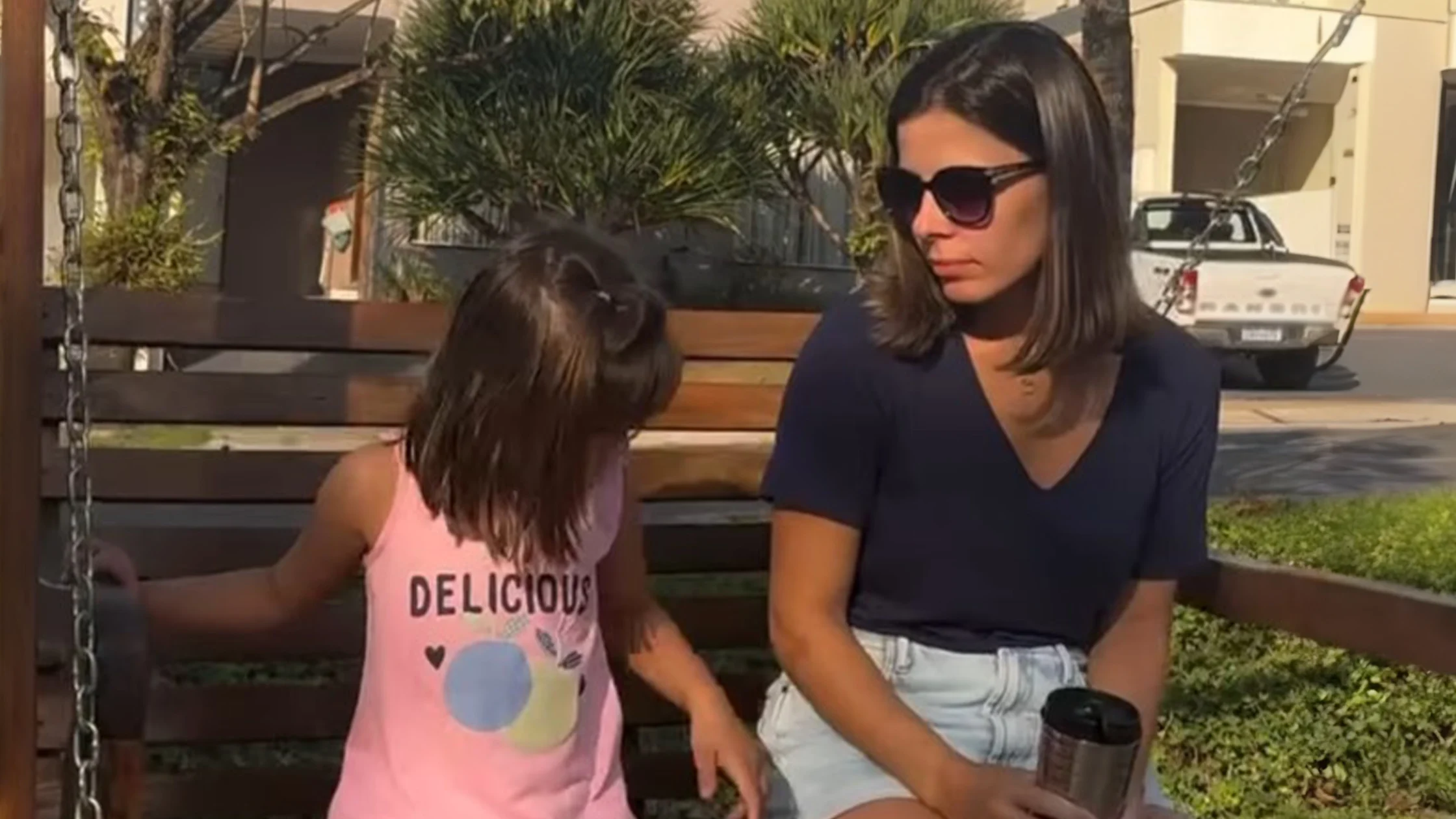
Whenever an adult is shy, we just say “introverted” or “it’s not their thing.” But the moment a kid is said to be shy, they call the kid “anti-social,” which is nothing like the former. Mom blogger, mom.outofoffice (AKA Carol), recently posted a reel with a realization when she had to take her daughter from the playground. Like any typical kid, the little girl cried. As she was about to decide to call the episode a “tantrum,” she realized a parenting irony: why were we expecting kids to handle emotions like us adults do?
“If I cry because I have to leave somewhere I love, no one calls me dramatic. They say, “Aww, that must’ve meant a lot to you,” she writes on the post. “And that moment [her daughter’s crying] made me realize how often we label kids without even thinking, in ways we’d never do to adults.”
Why is it so much easier to label children but not adults?
We can see the irony whenever we handle other adults. Whenever the cashier or a fellow colleague looks like they will chew us out, we’re always quick to rationalize and say, “Ah, they’re just having a bad day. Maybe something happened.”
Yet when kids look like that, we’re quick to call it “disrespect.” In the Philippines, some parents even challenge them, or in Tagalog, sinisindak — the root word being sindak, which usually means terror or panic. We snap back with phrases like, “Ano ba problema mo?“, “Ba’t ganun mukha mo?” Sometimes, we even go as far as calling them “salbahe” or “bastos” just because we feel they’re looking at us funny.
But notice how some are quick to call kids rude, instead of thinking that they’re in pain or distressed. It makes us wonder: how do people expect kids to show that they’re in pain or uncomfortable?
Mom.outofoffice also adds several other labels which we may also be guilty of doing. “Energetic adult = productive vs. Energetic kid = hyper, probably needs meds, adult crying over a lost game = passionate fan vs. Kid crying when leaving the park = overreacting,” she lists. “Just because they’re smaller doesn’t mean their feelings matter less. Of course, kids still need boundaries and age-appropriate limits…”
Time and place for everything
Of course, we want our kids to learn emotional regulation and how to behave in public. But expecting them to handle it like an adult may not be the way to go. Think of it like an office; we can’t expect someone who only has one year of job experience to do the quality of work of someone who’s been doing the job for ten years. That’s why we have associate, junior, and senior ranks in the office! The same applies to parenting: we’re the seniors in handling our emotions and knowing how to behave in public, while the kids are like fresh graduates.
But this doesn’t mean that we have to be the stellar and perfect example of emotional regulation and public behavior. We just need to acknowledge that, like them, we’re still figuring things out.
Like mom.outofoffice says, “A little more understanding can go a long way. They’re still learning.
And truthfully? So are we.”
Want to find ways to teach kids about emotions?
Coregulation: A Successful Parenting Strategy That Helps Tame Toddler Tantrums
How Can We Understand Our Kids’ Emotions?
How Teens and Kids Can Cope With Gamer Rage