
Living With GERD or Hyperacidity: A Family-Friendly Guide for Parents



Feeling sour after a good meal? Here’s how to deal with GERD or Hyperacidity.
When we’re juggling work calls, school pickups, reheated coffee, and a toddler who somehow misplaced both shoes again, the last thing anyone needs is that familiar sour burn climbing up your chest. GERD and hyperacidity don’t exactly wait for a calm moment. They strike right when life gets the busiest. At first, it can feel like indigestion. But, at one point, it just stops being the metaphorical boulder in the stomach and feels more like an endless pit that scrunches up whenever there’s no food to burn.
But the good news? With the right habits and a little awareness, families can manage these conditions safely and smartly at home.

What Is GERD?
According to Johns Hopkins Medical Institution, Gastroesophageal Reflux Disease (GERD) happens when stomach acid frequently flows back into the esophagus. The backwash, which many call “acid reflux,” irritates the lining and causes discomfort.
Common signs include:
- A burning sensation in the chest (heartburn)
- Regurgitation or sour-tasting acid
- Chronic cough
- A lump-in-the-throat feeling
- Difficulty swallowing
While occasional reflux can happen to anyone (especially after a heavy meal), GERD becomes a concern when it occurs at least twice a week or begins affecting daily life.
Hyperacidity vs GERD
Though they can feel similar, hyperacidity and GERD are not identical twins — more like cousins with overlapping symptoms.
Hyperacidity
Hyperacidity happens when the stomach produces too much acid. Symptoms usually include:
- Stomach pain
- Bloating
- Nausea
- Sour burping
- Acidic discomfort after long periods without eating
It stays mainly in the stomach.
GERD
GERD, on the other hand, involves acid traveling upward. That’s why it comes with heartburn, chest discomfort, and that unpleasant “acid rising” sensation.
In short:
- Hyperacidity = too much acid in the stomach
- GERD = acid travels upward into the esophagus
Understanding the difference helps families know when home remedies are enough — and when it’s time to seek medical advice.
Why Filipinos Are Prone to GERD or Hyperacidity
Filipinos face a perfect storm of lifestyle, cultural, and dietary habits that make GERD and hyperacidity surprisingly common:
1. Our Love for Sour, Spicy, and Fried Dishes
Sinigang, Bicol Express, chicharon, sisig, crispy pata — all the good stuff is, unfortunately, the same thing that causes these problems. It doesn’t help that we often down them with a nice, cold glass of soda to “scratch out” the oil clinging to our throats.
Instead, wash them down with a glass of water. Or, just space it out. For example, if we had sisig the day before, wait another three days before eating it again.
2. Irregular Eating Habits
Between traffic, long work hours, and multitasking parent life, many Filipinos skip meals, eat too fast, or eat too late — all of which contribute to acidity.
3. Stress (And Our Cultural Tendency to “Tolerate” It)
Pinoys are famously resilient, but stress increases acid production. Parenting stress? That’s practically an Olympic sport.
4. Coffee and Milk Tea Culture
Multiple cups of coffee a day or sugary milk teas can irritate the stomach lining and relax the lower esophageal sphincter, making reflux more likely. What some people do to lower the acidity from drinking coffee and milk tea is they either wash it out with water or reduce the amount of sugar and milk in their coffee.
5. Genetics and Family History
If your parents have hyperacidity, there’s a chance you’ll inherit a similar sensitivity.
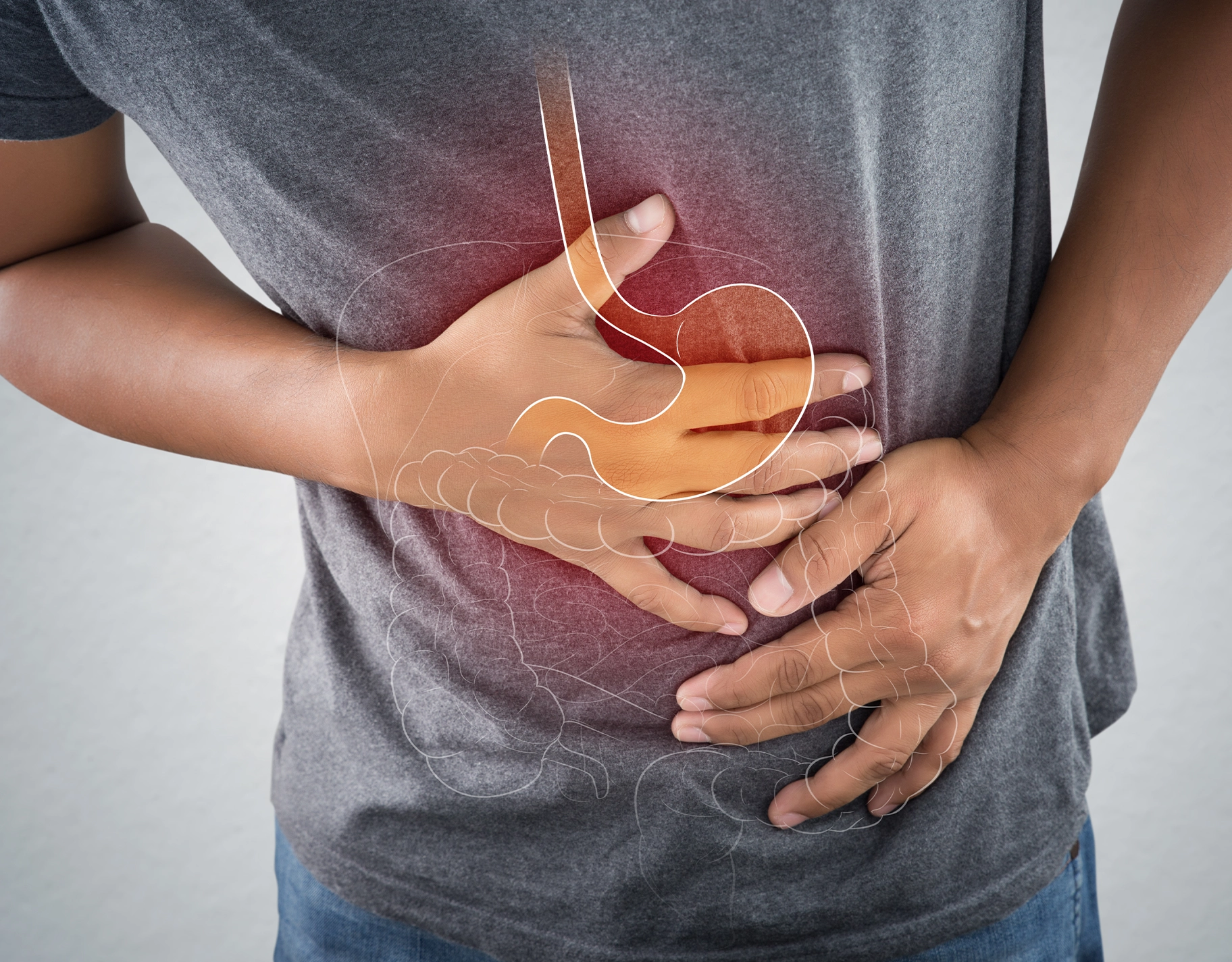
How To Manage GERD or Hyperacidity at Home
Here are family-friendly, doctor-approved habits that help soothe the burn:
1. Eat Smaller, More Frequent Meals
Three gigantic meals are harder to digest. Go for 4–5 smaller meals to prevent acid buildup. Healthy snacks like chicken sandwiches, veggie sticks, and fruit shakes can help.
2. Avoid Trigger Foods
Common culprits include:
- Spicy food
- Tomatoes
- Citrus fruits
- Coffee
- Chocolate
- Carbonated drinks
- Fried and fatty dishes
You don’t need to eliminate them — just enjoy them in moderation and observe your body’s responses. To balance out the acidity, add more vegetables like squash, kangkong, or even potatoes to help balance it out. Some even make bone broth soup to use the collagen in it to “line” the stomach.
3. Don’t Lie Down Right After Eating
Give your body two to three hours to digest. Encourage kids to play quietly, tidy up toys, or finish homework instead of lying down on the couch.
4. Raise the Head of Your Bed
A slight incline helps prevent acid from flowing upward while you sleep.
5. Practice Stress-Reducing Habits
Deep breathing, evening walks, journaling, stretching, and even mindful parenting can all calm the nervous system and reduce acidity.
6. Maintain a Healthy Weight
Extra pressure around the abdomen can worsen reflux. Simple family routines like weekend walks can make a big difference.
7. Keep Antacids Handy (But Use Them Wisely)
While antacids can provide quick relief, chronic symptoms need professional evaluation.
8. Know When to See a Doctor
Seek medical advice if:
- Symptoms last longer than two weeks
- There’s difficulty swallowing
- Chest pain occurs
- You (or your child) experience unexplained weight loss
Managing GERD or Hyperacidity isn’t always for life
Cases of GERD and hyperacidity tend to swing from mild to severe. Some have had medical interventions, while others have reversed it with lifestyle alone. Sometimes, it means just going back to the basics, like boiling some veggies, eating just plain steamed rice, a bit of salt and pepper here and there. It may feel weird for the Filipino palate that’s just used to rich foods. But healthy food means more money to invest in things we can enjoy and not in hospital bills.
Besides, by eating healthy at home, our bodies have a little “leeway” to eat the “bad” food outside. By being more active in managing our GERD or hyperacidity, we get to enjoy time with friends and family more, that’s not in the bathroom or the hospital.
Frequently Asked Questions (FAQs)
GERD isn’t usually dangerous, but chronic, unmanaged reflux can damage the esophagus. Consistent symptoms should be checked by a doctor.
Yes. Poor eating habits, stress, and certain foods can trigger symptoms in children. Always consult a pediatrician for proper assessment.
Bananas, oatmeal, ginger tea (in small amounts), steamed vegetables, yogurt, and whole grains are gentle on the stomach and help soothe acid.
Not for everyone. Coffee can trigger symptoms in some people because it relaxes the valve that keeps acid down. Try limiting to 1 cup and observe how your body reacts.
GERD can be managed long-term with lifestyle changes, medication (if prescribed), and avoiding triggers. For many, symptoms significantly improve with consistent habits.
More about lifestyle changes for managing diseases?
Nicole Hyala Stands Tall After Thyroid Cancer Diagnosis
The Truth About Diabetes
Important Details About Non-Alcoholic Fatty Liver Disease