10 Things Filipino Parents Should Know About Influenza (Flu)



Here’s what parents need to know about the flu bug, or Influenza
Whenever we hear the word “flu,” we just think it’s a few days of the chills, fevers, cough, and some bed rest. Especially in the Philippines, influenza has become so common that some of us just treat it at home.
Unfortunately, the virus has been getting stronger. It has filled up emergency rooms to the brim, forcing some private hospitals to turn away incoming patients. Influenza, as a virus, is still a serious health concern. Here’s what Filipino parents need to know:
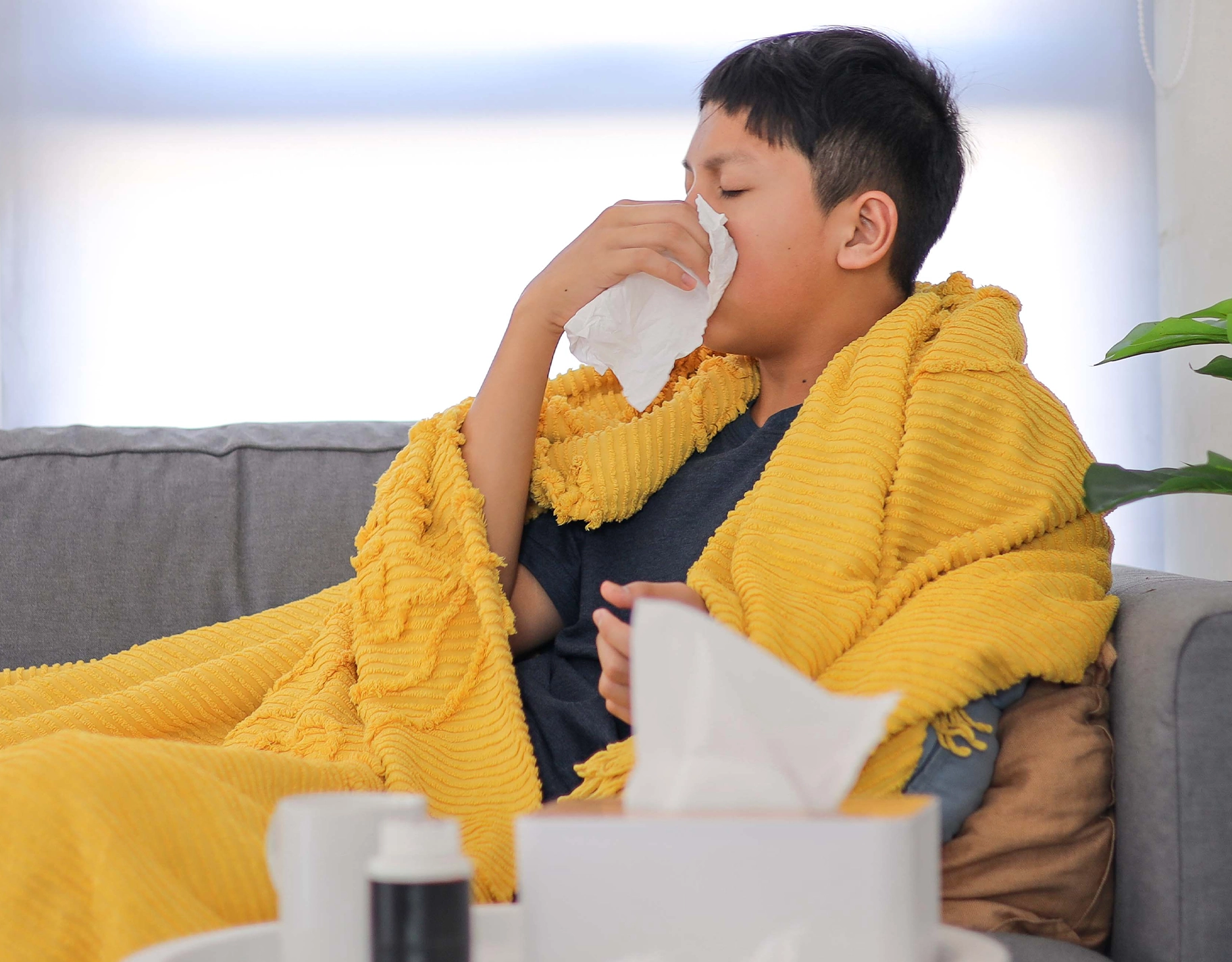
1. Influenza isn’t just a cold.
Caused by influenza A or B viruses, flu symptoms are stronger and often hit faster than a typical cold. Signs include high fever, headache, sore throat, fatigue, and sometimes even shortness of breath.
2. It spreads fast.
Every Filipino household is at risk, especially if they live in small spaces. The flu usually spreads via droplets. Whenever someone coughs or sneezes, the contaminated mucus and liquid stick to the surface. It’s why we always teach our kids to either cover their mouths when they sneeze or cough or wear a face mask.
Most families that are at risk are those with parents who commute via tight spaces like the train and UV Express. If you start suffering flu symptoms and you’re known to commute, request work-from-home or use a Sick Leave.
3. Some family members are especially vulnerable.
Infants, preschoolers, pregnant women, seniors, and people with chronic conditions are more likely to get seriously ill. That means Filipino households with extended families need extra care.
4. The vaccine is the best defense
Like any virus, influenza, or the flu does has a vaccine. However, it’s something that must be taken annually because of how quickly it mutates. Barangay centers, private hospitals, and even some pharmacies offer flu vaccines to help keep the bug away.
5. Healthy habits boost your household’s resistance.
Hand-washing, covering coughs, staying home when sick, and getting good sleep help protect everyone. Filipino parents should embed these into family routines now.
6. The flu can affect more than your lungs.
Influenza can affect people differently, especially if there are pre-existing issues. Those with cystic fibrosis, a genetic disorder that affects the quality of mucus, are more prone to getting it and can struggle with breathing. Kids with asthma are just as vulnerable because of their weakened immune system.
Influenza can also manifest as low-grade fever and body pain in some uncommon cases.
7. Rainy season ≠ only flu season.
While kids are happy rain suspends school, it means that their immune system works double time too. Bacteria and viruses love water. They thrive there, especially with much of their needed nutrients within the liquid. So, best to always assume that the rain is acidic and contaminated. Have the kids wear rain jacket and boots to keep them away.
8. Vaccination isn’t just for kids.
Parents, caregivers, and even healthy teens matter too. Teens and parents are always the ones going out—whether it’s school, work, or something else. Caregivers are the ones handling those who are immunocompromised. So, getting vaccinated keeps everybody safe.
9. Watch for warning signs.
Persistent high fever, difficulty breathing, poor appetite, unusual sleepiness — especially in kids and elders — call for immediate medical attention.
10. You’re protecting more than just one person.
When you vaccinate or practice good hygiene, you also protect cousins, grandparents, schoolmates, and the wider community. In Filipino culture — where kapwa and family get-togethers are everything — that’s a powerful ripple.

Keep the flu away from the family!
Flu may seem common—but for many in your home, it could become serious. Let your love show not only in hugs, but in health choices. From the toddler in your arms to the lola sitting beside you, prevention is an everyday act of care. Stay aware, get vaccinated, build healthy routines—and lead your family in a season of wellness and warmth.
Frequently Asked Questions (FAQs)
Influenza, or “flu,” is a contagious respiratory illness caused by influenza A or B viruses. Unlike a regular cold, flu symptoms tend to strike hard and fast — high fever, muscle aches, severe fatigue, sore throat, and sometimes breathing trouble. Because of this, even healthy kids or adults in the Philippines can move quickly from “just a sniffle” to needing medical care.
Yes — the Philippine Department of Health (DOH) recommends annual influenza vaccination for everyone 6 months and older, especially infants, seniors, pregnant women, and those with chronic illness. Vaccines are available at clinics, drugstore chains like Mercury Drug, Watsons, and through home-vaccination services.
In the Philippines, flu seasons often peak from June to November. The DOH suggests getting a flu shot ahead of the peak season — ideally in April or May — to allow antibodies to develop. But if you miss that window, getting vaccinated later is still beneficial.
Young children, older adults (65+), pregnant women, and anyone with underlying conditions such as asthma, diabetes, or heart disease are most at risk of serious flu complications.
Here are core preventive actions:
Stay up-to-date on annual flu vaccinations.
Encourage frequent hand-washing, use of alcohol-based sanitizers, and teach children to cover coughs/sneezes.
Keep sick family members at home, avoid crowded settings if someone is unwell.
Ensure good nutrition, sufficient sleep, and limit stress to boost immunity.
Monitor for warning signs (persistent high fever, difficulty breathing, lethargy) and seek medical care early.
More about the flu?
Respiratory Syncytial Virus (RSV): Not Your Typical Flu
5 Easy Ways To Fight Against the Flu
Caught The Flu Bug? Here’s What To Do!