A Family’s Guide To National Animal Welfare Week in the Philippines



Here’s what families need to know about National Animal Welfare Week in the Philippines
The start of October usually has the air smelling like fresh rain and sampaguita as families often look for meaningful ways to celebrate nature, animals, and kindness. In the Philippines, the first week of October is officially National Animal Welfare Week, a time when communities, schools, and pet lovers unite to uplift the lives of creatures great and small.
Its observance is more than symbolic; it’s an invitation for families to live compassion, model empathy for children, and actively support local animal sanctuaries. This guide will walk you through the history, meaning, and ways your family can make a difference.
What is National Animal Welfare Week?
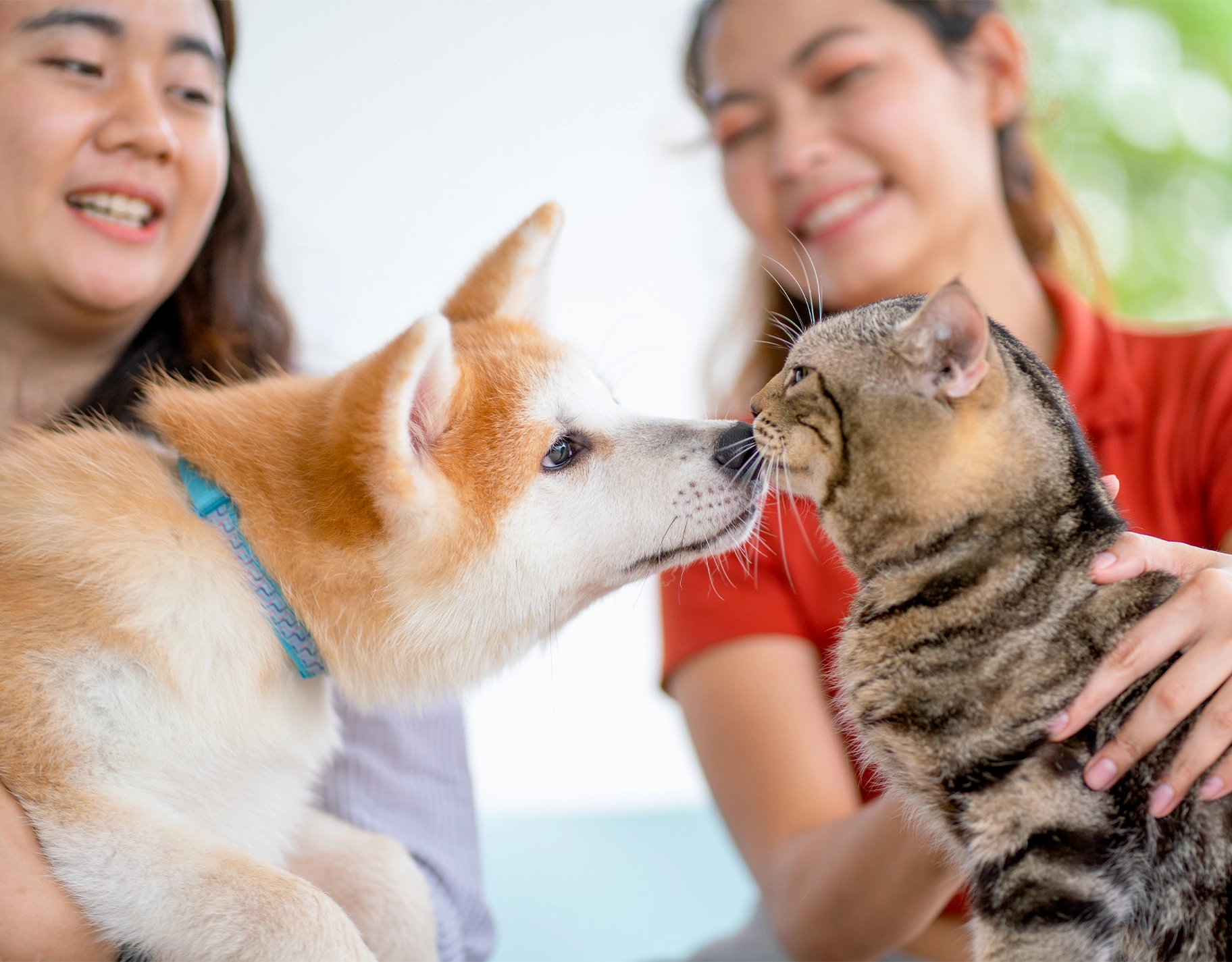
Every first week of October, families all over the Philippines celebrate National Animal Welfare Week—a reminder to show kindness and care not just to people, but to our furry, feathered, and scaly friends too. This annual observance was made official through Proclamation No. 715, signed in 2004 by then-President Gloria Macapagal Arroyo, building on earlier efforts that began as Kindness to Animals Day back in 1958. The week aligns with the Animal Welfare Act of 1998 (RA 8485), which ensures that animals are treated humanely and protected from neglect and abuse.
Over the years, Animal Welfare Week has grown into a nationwide movement embraced by schools, local governments, and animal welfare groups. Families are encouraged to get involved—whether by joining spay-and-neuter drives, supporting pet adoption programs, volunteering at shelters, or simply teaching kids about responsible pet care at home.
In 2024, for example, the province of Kalinga held a week-long celebration that offered free pet vaccinations, spaying, and deworming—proof that compassion for animals is something that can start in our homes and ripple across entire communities.
National Animal Welfare Week reminds parents and their children that empathy knows no species. Caring for animals is also a way of nurturing kindness, patience, and responsibility within the family.
Theme of National Animal Welfare Week 2025
According to the Philippines’ Bureau of Animal Industry (BAI), National Animal Welfare Week’s theme is “Care and Respect: The Heart of the Filipino for Animals.” The theme will be celebrated from October 6 to 10, centering on how caring for animals is part of the Philippine identity.
Why Families Should Care
- Cultivates empathy — Children learn by example. Seeing parents care for voiceless creatures helps them understand responsibility, compassion, and respect for life.
- Supports local animal welfare systems — Many shelters depend on public support—donations, volunteers, advocacy—to operate.
- Stops suffering and cruelty — Spay/neuter, adoption, rescue efforts, and humane education all reduce stray populations and prevent abuse.
- Strengthens community bonds — Animal welfare work is often collective: neighbors working together, school groups hosting campaigns, barangays raising awareness.
What Your Family Can Do This National Animal Welfare Week
If you’re looking for meaningful ways to celebrate National Animal Welfare Week as a family, here are simple yet impactful activities that teach compassion, empathy, and responsibility — all while helping our furry friends.
1. Host a “Pet Day” at home
Turn your living room into a little pet stage! Let your kids document funny or sweet pet behaviors, or hold a mini “show and tell” featuring your pets’ quirks. It’s a fun way to spark appreciation for animals and helps children see pets as more than just playmates — but as living, feeling companions.
2. Join a spay, neuter, or vaccination drive
Some barangays and pet shelters offer these drives. PAWS usually offers them for free at the end of the month, while the barangays will post the announcements on their halls and boards. To make families more aware, feel free to post about it on social media.
3. Volunteer or visit a nearby shelter
Many animal shelters rely heavily on volunteers. Bring food, cleaning supplies, or simply offer your time for feeding and grooming. A few hours of service can go a long way in making these animals feel loved and cared for.
And if kids are celebrating their birthday this October, maybe suggest holding their birthday in the nearby pet shelter.
4. Teach kids about humane pet care
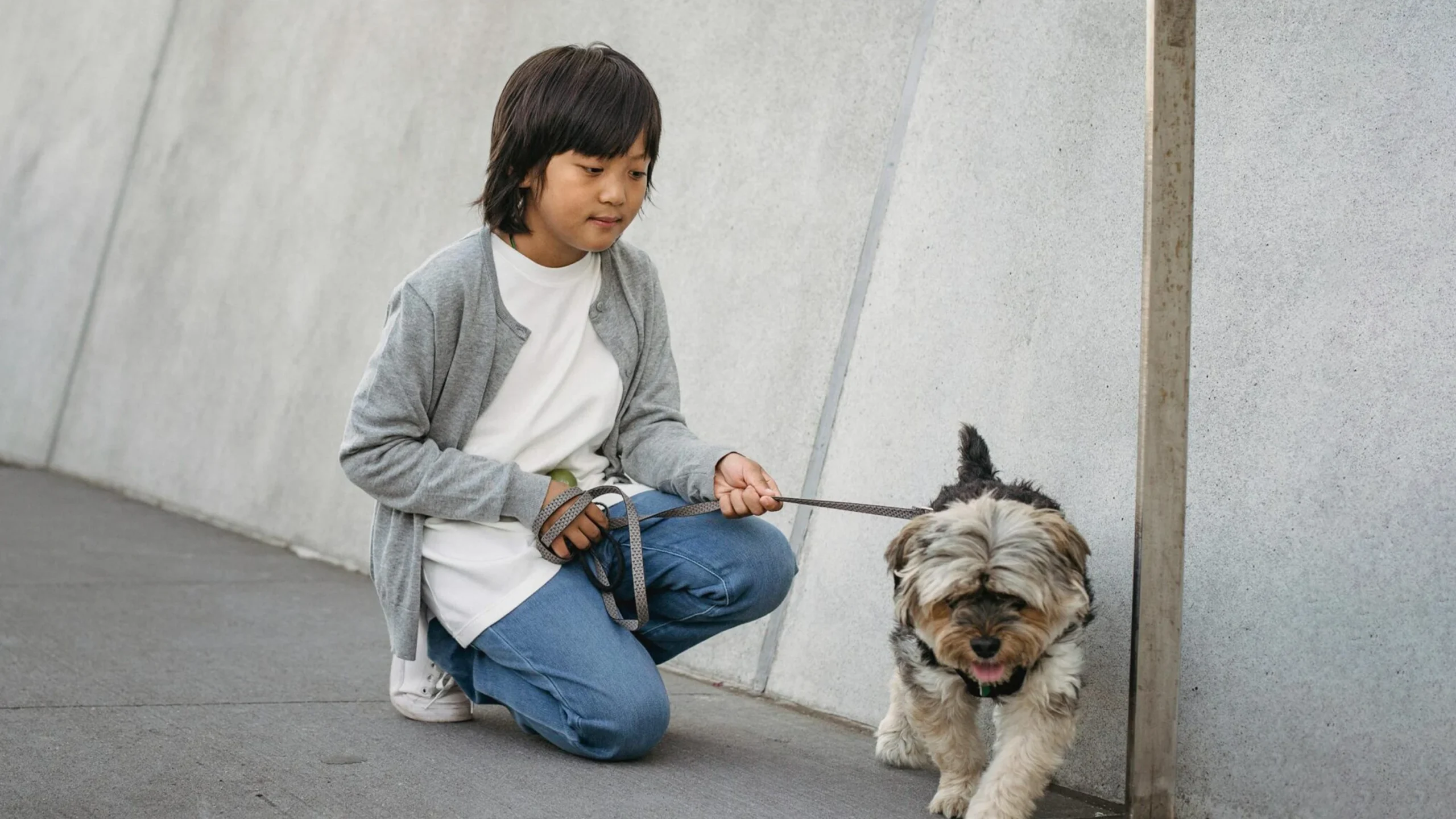
Especially when they reach a certain age, kids will start asking for pets. As parents, it’s our job to make sure they know what humane pet care is. Let them ask veterinarians or expose them to the pets of their relatives so they learn about humane pet care.
5. Organize a family fundraiser or donation drive
We don’t need to be a big organization or host a grand gala to gather funds. Host a bake sale, garage sale, and “pet supply drive” with your neighborhood. Proceeds or supplies can be donated to local animal shelters in need of food, medicine, and repair funds.
For those who want something more digital, livestreaming allows donations. Just make sure to post proof of donation so everyone who donated knows where their money went.
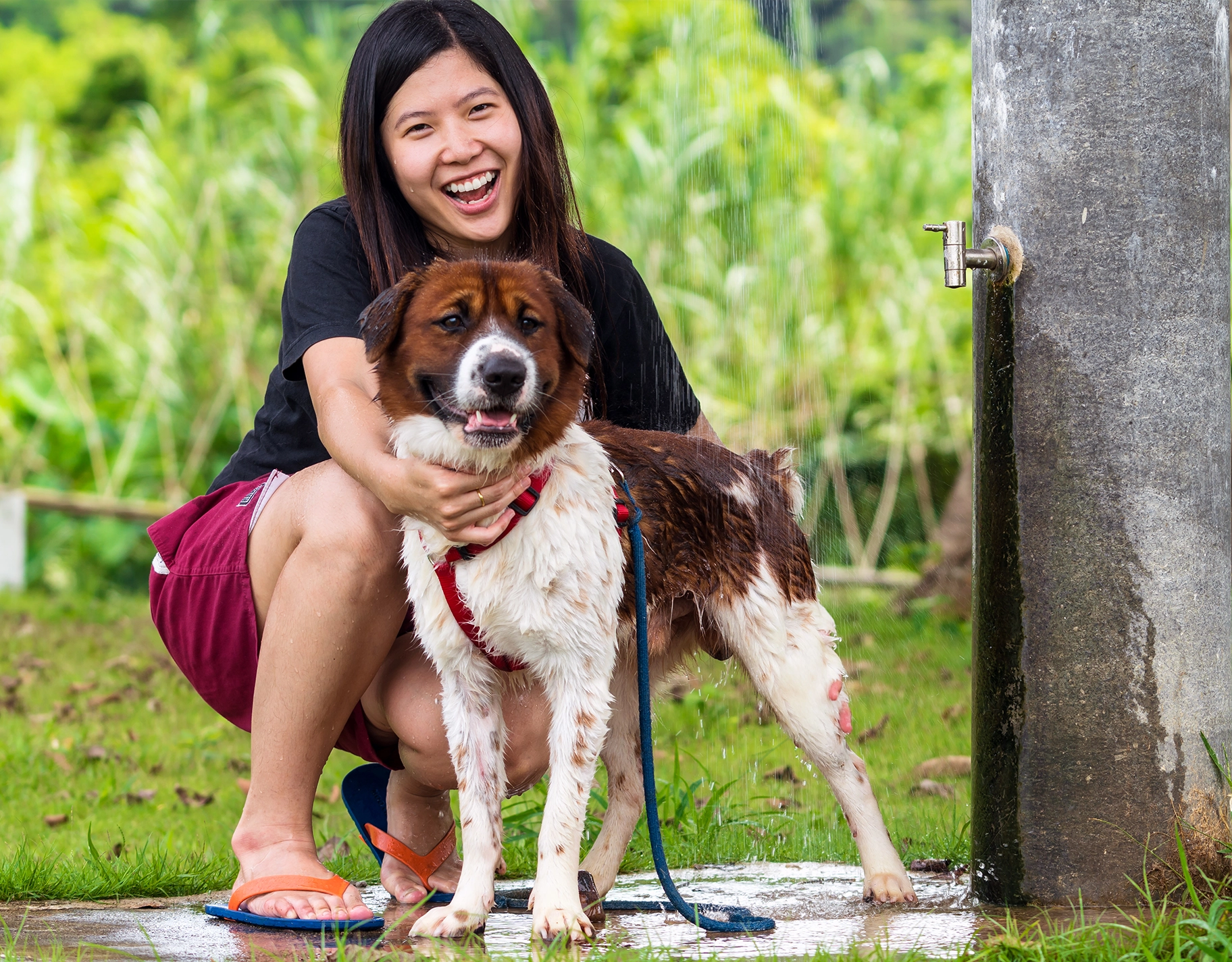
Shelters & Animal Welfare Groups in the Philippines Families Can Support
Below are several Philippine-based organizations families can engage with—via donations, volunteering, adoption, or awareness campaigns.
PAWS (Philippine Animal Welfare Society)
Located in Quezon City (near Ateneo de Manila), PAWS runs the PAWS Animal Rehabilitation Center (PARC). They take in rescued cats & dogs, rehabilitate them, and try to find permanent homes. They also have free spaying and neutering every end of the month.
CARA Welfare Philippines
Although this group is not strictly a shelter, CARA Welfare Philippines spearheads spay/neuter clinics, advocates for Trap-Neuter-Vaccinate and Release (TNVR), and has adoption programs for rescued animals.
Animal Rescue PH
Located in Bulacan, Animal Rescue PH shelters cats and dogs using donated funds and fosters. While they don’t have a formal “shelter building,” they help out with their strong community networks.
AKF (Animal Kingdom Foundation)
The Animal Kingdom Foundation (AKF) focuses on rescuing, rehabilitating, and rehoming abused animals. They also campaign against the dog meat trade in the Philippines.
Mayari Animal Rescue Organization (MARO)
Based in Cebu City, Mayari Animal Rescue Organization (MARO) works on rehabilitation and rehoming of abused or neglected animals, especially in the Visayas region.
Hound Haven Philippines
For the many furbabies who have given their lives to service, Hound Haven Philippines specializes in caring for retired working dogs (e.g. police or military dogs) and advocating for their welfare.
BFFS (Best Friends Furever Sanctuary)
Provides “retirement homes” for senior and special-needs shelter animals, Best Friends Furever Sanctuary (BFFS) advocates for the pets that are harder to adopt out.
Care for Animals should be every family’s virtue
Historically, the Philippines—as an agricultural country—could not have thrived without the help of animals. Not just dogs or cats, even the neighborhood-friendly chicken and carabao had a part to play in every family’s barangay at some point.
Animal welfare isn’t something new; it’s just that people are now more aware of how much care and love go into taking care of animals. We’ve actually seen this before in the classic The Little Prince. We become “responsible for what we have tamed.”
Frequently Asked Questions (FAQs)
National Animal Welfare Week, celebrated every first week of October, is a time when Filipino families, schools, and communities unite to show compassion for animals. It was officially declared through Proclamation No. 715 in 2004 by then-President Gloria Macapagal Arroyo and aligns with the Animal Welfare Act of 1998 (RA 8485). Beyond the celebrations, it’s a reminder that kindness to animals reflects our values as a people—compassionate, family-centered, and deeply rooted in respect for life.
Start small and at home. Let your children feed your pets, help clean up after them, or join you in donating to a shelter. Watching you treat animals gently teaches empathy more powerfully than any lecture. You can also visit local shelters—like PAWS or CARA Welfare Philippines—to let your kids see real examples of responsible care. It’s hands-on compassion that they’ll remember for life.
Yes! The Bureau of Animal Industry (BAI), in partnership with various local government units, hosts nationwide events such as spay-and-neuter drives, free pet vaccinations, and school awareness programs. You’ll also find community-led celebrations, like Kalinga’s 2024 initiative offering free pet checkups and vaccinations. Keep an eye out for announcements from your city vet offices or barangay halls—many host family-friendly activities this week.
Here are some trusted animal welfare groups you can reach out to:
PAWS (Philippine Animal Welfare Society) – Quezon City
CARA Welfare Philippines – Metro Manila
Animal Rescue PH – Bulacan
Animal Kingdom Foundation (AKF) – Tarlac
Mayari Animal Rescue Organization (MARO) – Cebu
Hound Haven Philippines – Bulacan
Best Friends Furever Sanctuary (BFFS) – Laguna
Whether you’re in Luzon, Visayas, or Mindanao, there’s always a way to extend help—through donations, volunteer work, or even adoption.
Because compassion begins at home. When children learn to love and care for animals, they develop empathy, patience, and a sense of responsibility—values that translate to how they treat people, too. Supporting animal welfare isn’t just about pets; it’s about raising kind, mindful humans. Every act of care, from feeding a stray to supporting a shelter, becomes part of a bigger story—a story of families shaping a more humane Philippines, one paw at a time.
More about responsible fur-parenting?
Happily Furever After: Inspiring Cat Adoption Stories
What Parents Can Do if Their Kids Ask for a Pet?
Parents’ Choice Awards 2025: Pet Care