Riza Joseph: Choosing to Move Forward



Riza Joseph candidly opens up about finding love, dealing with loss, and living a purpose
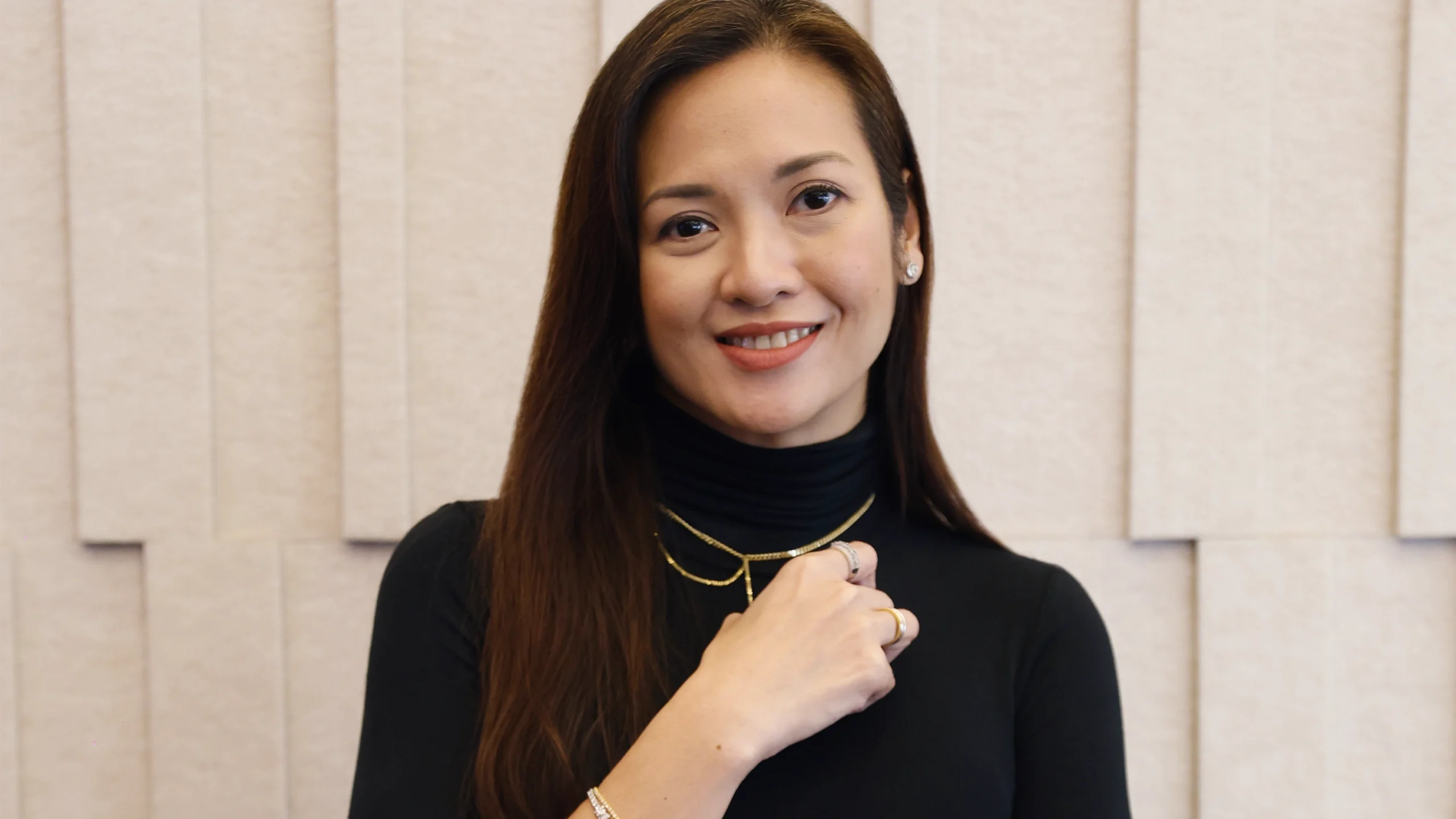
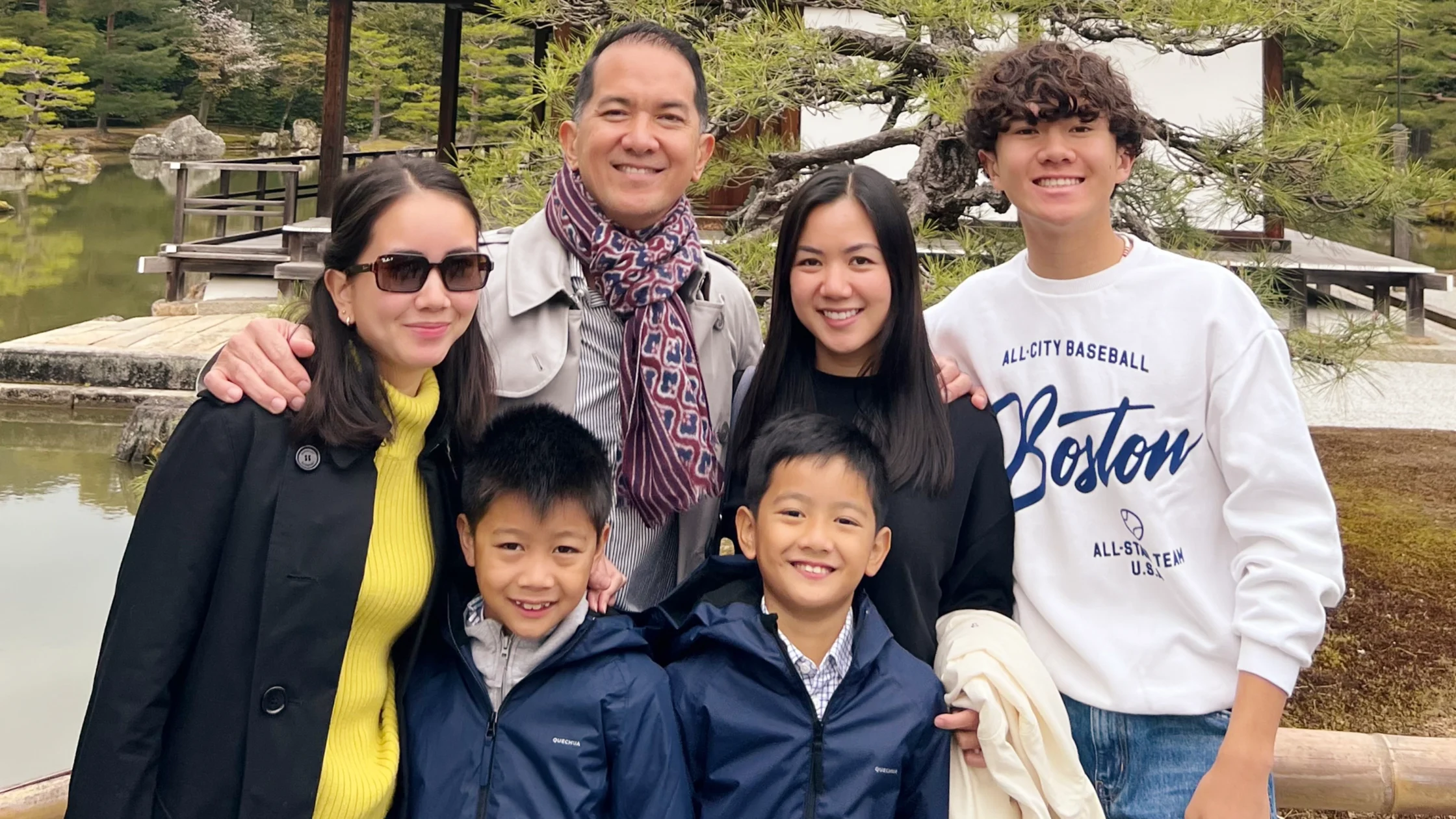
They say there are two kinds of families—the one you are born into and the one that you choose. For most, the line between the two is clearly drawn. For Riza Joseph, that line no longer exists. Once blurred by fate, it was eventually erased, making way for a love that would give her the family she was always meant to have.
Now 40, Riza knows that life rarely moves in a straight line. The journey from point A to point B was never linear; it was a path of sharp turns, heartbreaks, and moments that forced her either to
brace herself or meet life with arms wide open.
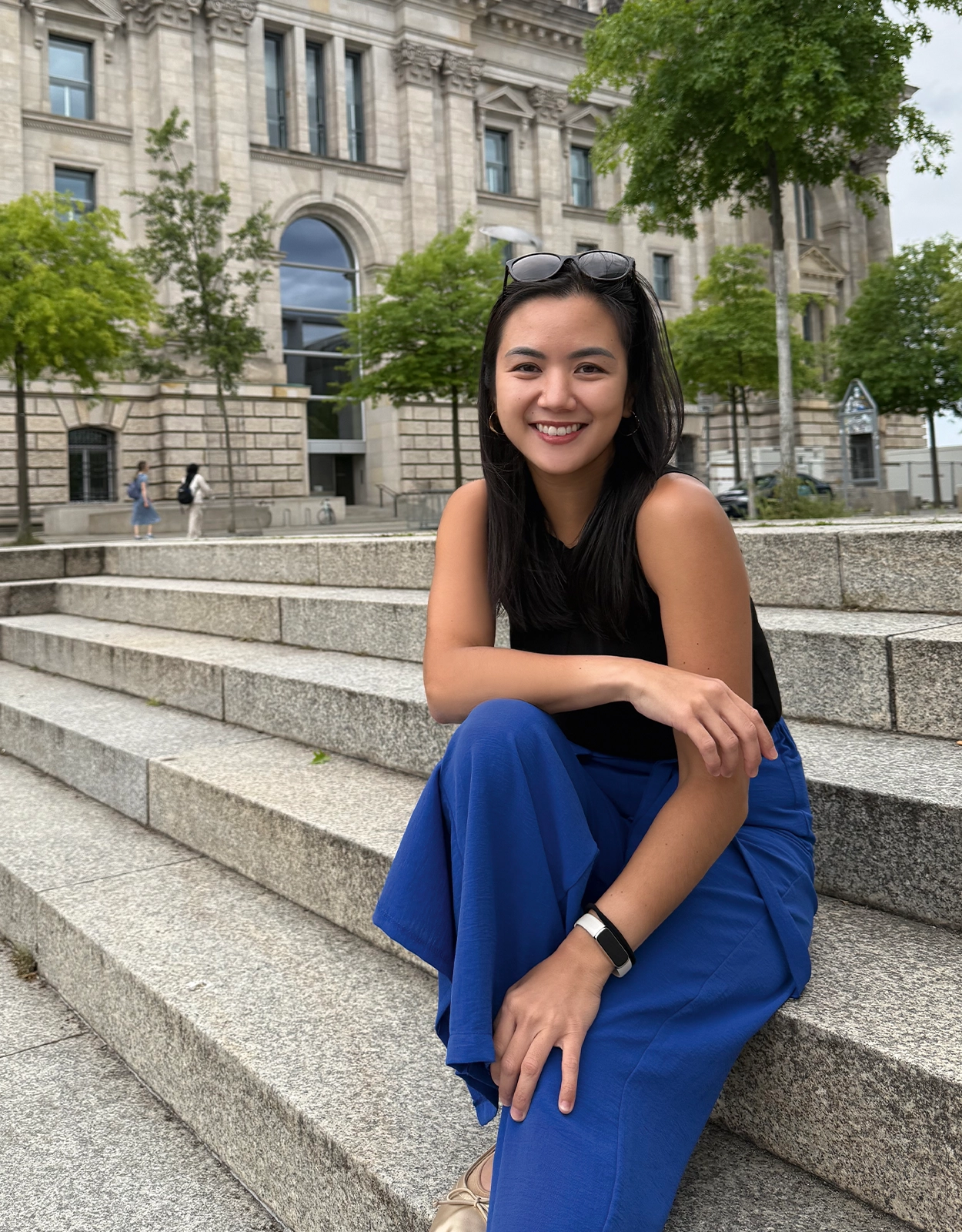
Getting divorced
When Riza moved to the United States to support her then husband’s dream of becoming a doctor, she never thought that she’d one day be fighting for the custody of her five-year-old twins, Nate and Cole, or petitioning for relocation back to the Philippines after 17 years abroad.
Everything changed in 2017, when she flew home for her younger brother Richard’s funeral. “While I was grieving for my brother, so many things were happening, and my marriage was already in trouble. I asked my ex to go to couples therapy with me.” She was determined to save the relationship. But in 2019, Riza found herself on the receiving end of a divorce.
With her entire family—and her father, who was battling cancer—back home in the Philippines, Riza knew there was nothing left for her in the US. But winning custody and relocation was an uphill battle. After all, she was preparing to move American citizens into a developing country, and attorney after attorney told her it was impossible—until one finally believed her case was worth fighting for.
When the court ruled in her favor, Riza remembers her lawyer’s words: “I don’t know if you believe in God, but in that courtroom, that was God guiding us.” After all that had been said and done, Riza chose forgiveness. She walked away with no regrets.
Becoming a single mom
“I had to be as whole as I can be, despite everything, for the kids,” Riza declares. Moving back home as a single mother, she knew she had to strengthen herself physically, mentally, emotionally, and spiritually.
She picked up tennis—a sport she still enjoys today. She sought therapy to make sure that she was processing everything in a healthy way. She leaned on her family and friends. And every morning, after dropping the twins at school, she spent 15 minutes in church, praying for peace.
“When you’re traumatized, your brain needs to find a way to keep growing still. It was very important that I had to balance all those aspects because I needed to be strong for my kids because I was all they had. I couldn’t break down. If I broke down, who would take care of them?” she says.
A father’s intervention
In 2022, as Riza was rebuilding her life, her late father made one final attempt to set things right. He had already built a house for her and the twins—and now, he was determined to give her another chance at love.
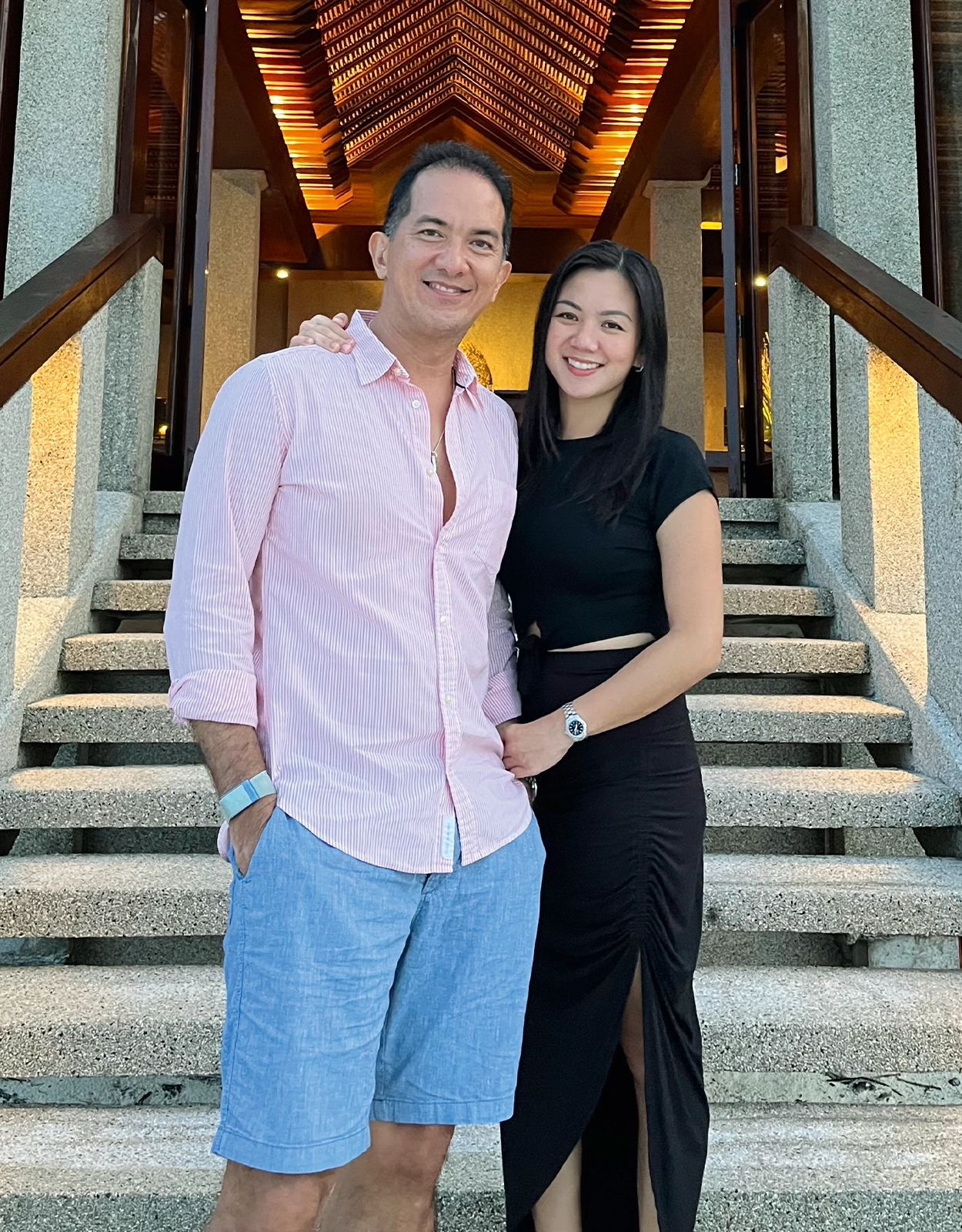
“I’ll introduce you to this guy, Basti Lacson. I think he’d be good for you—he’s actually our neighbor,” Riza recalls fondly, quoting her late father. With help from Riza’s younger brother, River, and Basti’s daughter, Amaya, they were eventually able to bring the two together.
But the introduction came just as her father’s health was rapidly declining after 20 years of battling kidney cancer. The next day after Riza met Basti, she had to rush her father to the hospital. Two months later, he passed away.
“It’s like he set up my life. He set up my love life and then he passed away. Oh, parents,” she sighs.
Love of her life
From their very first meeting, Riza felt something she never had before. “It was like fireworks from the very beginning. He was everything I ever dreamed of in a guy,” she says. “No wonder I went through this crazy, nasty divorce so that I could find him. He’s my prize at the end.”
Basti lived life to the fullest. “He never watched Netflix because he was always just reading a book or at the gym, eating healthy and just spending quality time with us. When we were together, he would tell us no phones, no iPads,” she shares.
They traveled the world together—Dubai, Australia, Japan, France, Spain, the United States, Korea, Amanpulo, El Nido, Boracay, Siargao—never wasting a single moment. “Loss changes you,” she said. “I’d already come from a divorce, so I appreciated so much about him; he’d lost a wife to cancer, so he, too, never took me for granted.”
But in 2024, another devastating tragedy struck: Basti passed away suddenly. Riza was left with a shattered heart, two extraordinary years filled with the best memories—and four children who needed her.
“You have to truly live, to be grateful for every moment and every person in your life, because you never know when someone’s time may come,” she reflects.
Life after losing love
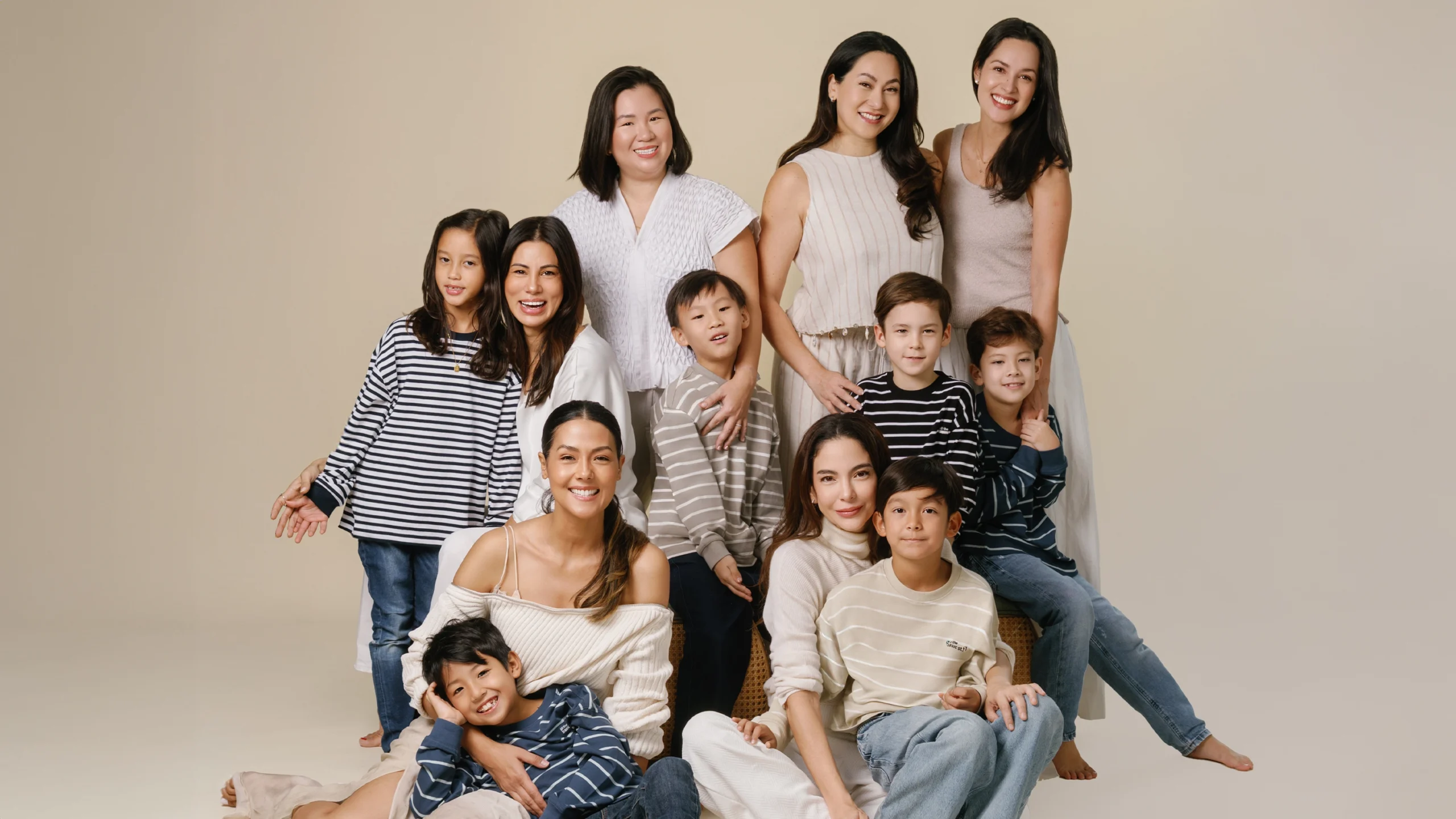
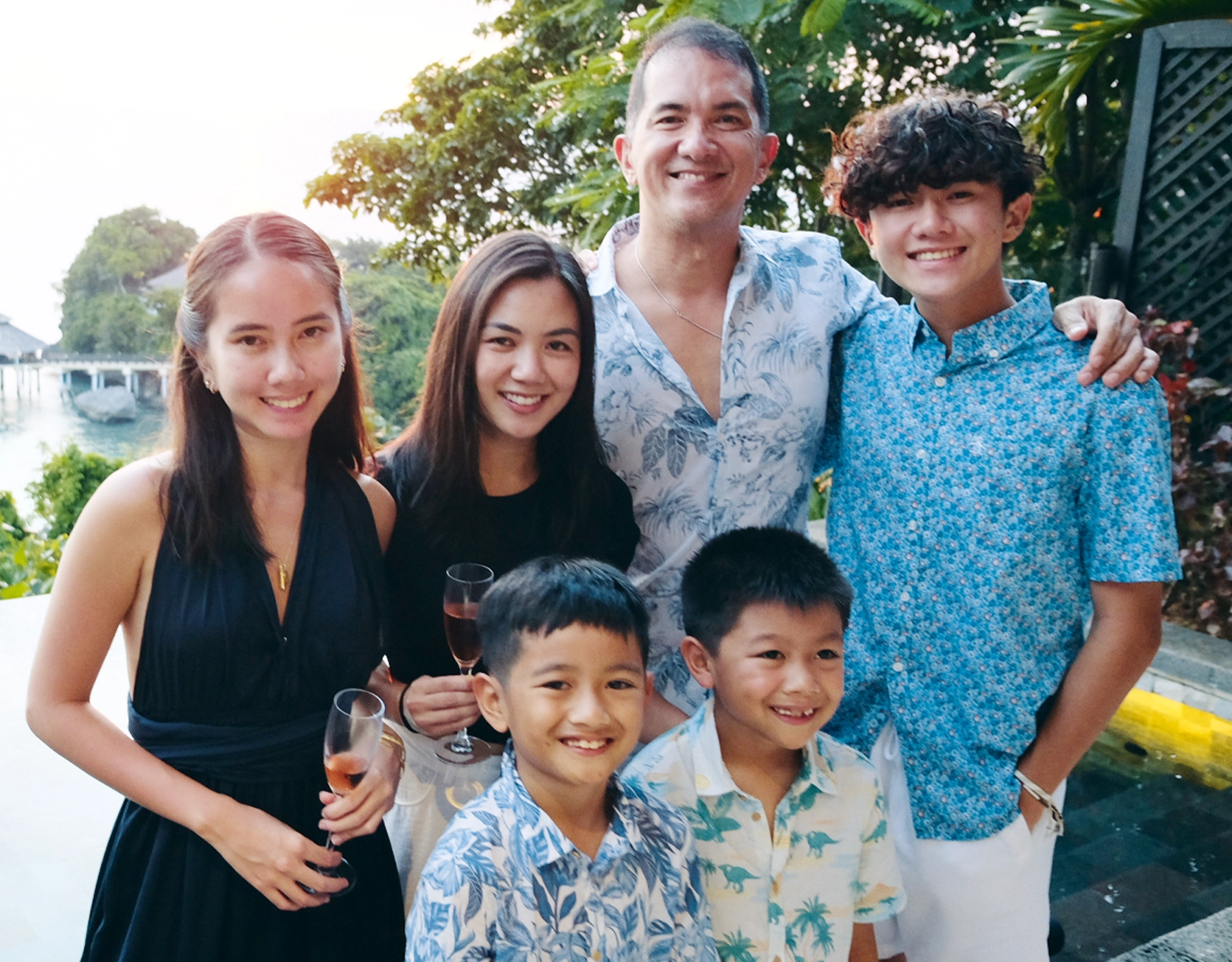
Basti left behind his two children—Amaya (25) and Mateo (19)—who now live with Riza. “For me, it’s like they’re my very own kids,” she says firmly. “They’re welcome to stay with me for as long as they want to. They will always have a home here. I told them that I will always be here for them and their future families.”
After Basti’s passing, Amaya and Mateo chose to live with Riza. Their trust, she shares, is one of the greatest gifts she has ever received. “One time, we were at the grave of Aina and Basti, and Amaya said, ‘If my dad never met you, I don’t know where Mateo and I would be.’”
Even her 11-year-old twins, Nate and Cole, embraced the blended and unorthodox setup. They affectionately call Amaya and Mateo their ate and kuya—and have even asked if they could take Basti’s last name.
An unconventional family
After Basti’s passing, Riza reached out to a grief therapist. “We healed best together because we understood one another. We knew their dad the most and we are all suffering the same loss,” she says of her now four children.
But with an unconventional family naturally comes questions from people who can’t quite understand. Someone once asked her if she would be able to move on with Amaya and Mateo still in her life.
“That’s not a question I had. That never even crossed my mind. For me, if I start dating, that person would have to love all four of my children, accept them, and adjust to the household that we have because they will always be my priority.”
Riza knows that not many would be able to grasp their setup right away, or at all. “Families come in all shapes and sizes. I get that ours looks really different, but it works because we have so much love and understanding for each other. This is our choice,” she affirms.
Finding purpose
“Life throws you something and you have to deal with it,” Riza says simply. “I had to go through a horrible divorce, but then it led me to Basti, Amaya and Mateo, then I had the best 2 years of my life. Now (after losing Basti), life has to start again.”
She doesn’t pretend to know what the future brings, but she is certain of this: “What happened to me gave me two more children that I know were meant to be in my life. I trust that there is a plan for everything, for all the heartaches, and all the tears.”
To quote her eulogy for Basti, “One day, we will all be together again with all those who we prayed for daily… Go and be with Aina again. I promise you both, Basti and Aina, that I will love and care for Amaya and Mateo, always. Please continue to watch over us as you always have…”
In the end, it was never really about “moving on.” It’s about honoring the love that shaped them, expanding what family can mean, and carrying the kind of strength rooted in compassion. It’s about choosing to move forward—together and with love.
To read the full article, download the e-mag or buy a copy from sarisari.shopping. Also available on Shopee, Lazada and select National Bookstore and Fully Booked locations.
Frequently Asked Questions
Turning 40 prompted Riza to reflect on the many turning points that shaped her—divorce, loss, love, and rebuilding. Sharing her story is her way of finding meaning in those experiences and honoring the people who shaped her journey.
Riza focused on becoming as whole as possible—physically, mentally, emotionally, and spiritually—so she could be strong for her twins. She acknowledges the trauma but chose balance and resilience to ensure her children felt secure and cared for.
Family, both chosen and given, became central to Riza’s life. From her father introducing her to Basti to embracing Basti’s children as her own, family evolved into something expansive, intentional, and deeply rooted in love.
Riza sought professional help through grief therapy and found healing alongside the four children who shared the same loss. Grieving together allowed them to process pain honestly and strengthened their bond as a family.
For Riza, moving forward doesn’t mean leaving anyone behind. It means carrying love, loss, and purpose with her—embracing an unconventional family, honoring past relationships, and continuing to live with gratitude and intention.
More about loss and moving forward?
How Filipinos Honor Undas: Remembering, Returning, and Remaining Close
Life After Death: A Husband’s Story about Love, Life, and Loss
Eliana Atienza Shares a Hard Truth About Losing a Sister