Should Parents Be Held Accountable For Their Children’s Bullying?



As the number of bullying cases rises in schools, legislators are considering holding parents accountable for kids who engage in bullying
Bullying may be part of the school experience, but how does anyone know when it’s too much?
In a recent survey in Southeast Asia, over 50% Grade 5 students in the Philippines have experienced bullying, earning the country the title of “bullying capital.” Despite the Anti-Bullying Law, its enforcement remains somewhat tricky. Although cyberbullying leaves receipts, it’s the ones that happen on school grounds that confuse everyone. With both sets of parents insisting that their children are “angels,” teachers are forced to play investigator, judge, and jury.
So some have argued: why not hold the bully’s parents accountable? Let’s break it down.
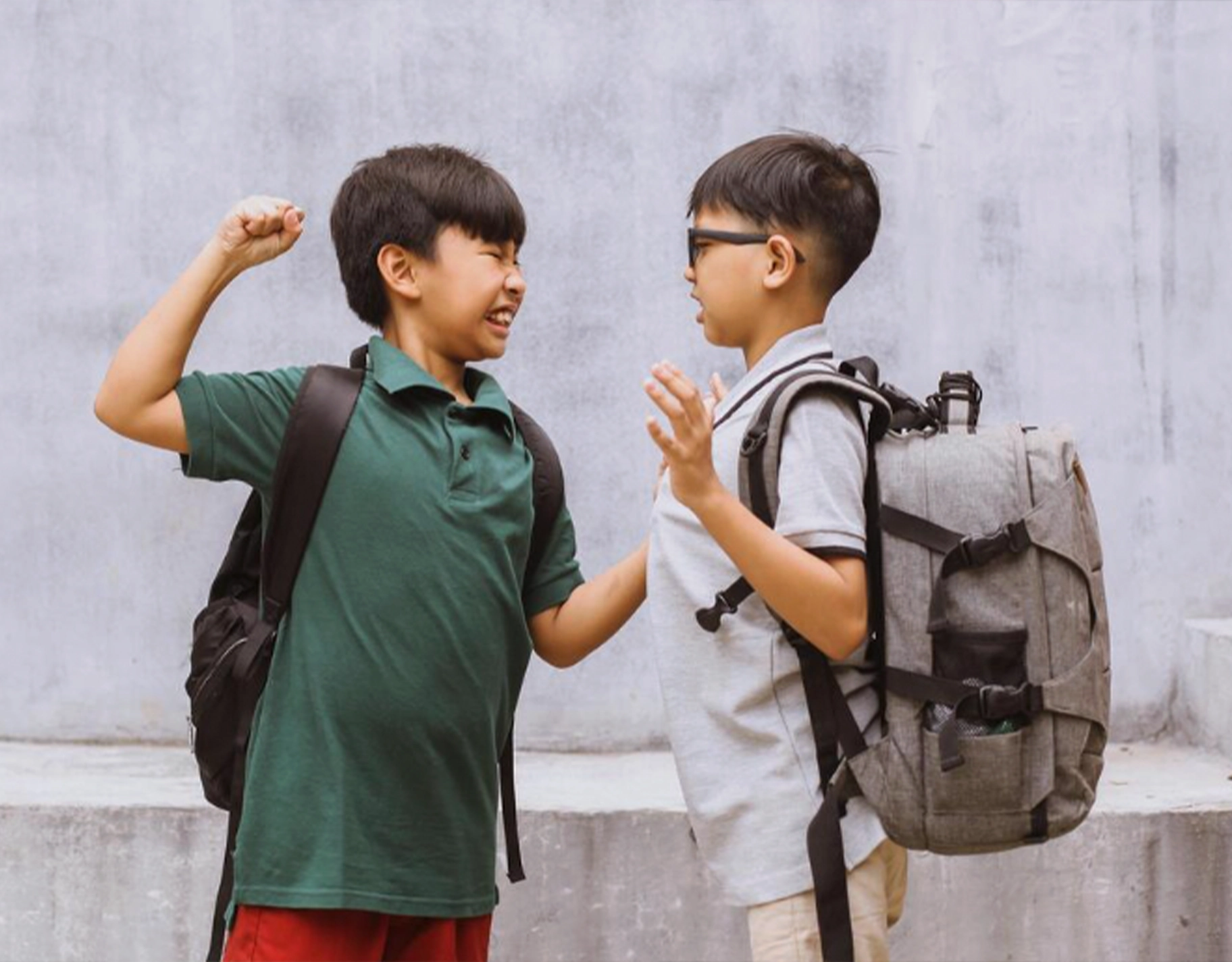
What Is Bullying And Why Does It Happen In The Philippines
Bullying is defined as the act of “repetitive, intentional hurting of a person” to demonstrate an imbalance of power.
But the fine line between “bullying” and fun tends to blur in Philippine culture. Especially in a culture where trash-talking is considered a norm and a means to avoid shame (or hiya), many educators and parents struggle to draw the line. Their lack of definition eventually shows in children who will say whatever and whenever, with little understanding of what they mean.
The Collective Perspective of Bullying in the Philippines
We’ve seen bullying cases in many American rom-com flicks. But we also eventually realize that the Philippines doesn’t bully the same way. Sure, there are similarities, but the motivations are different.
In American popular culture, bullies are often the “queen bee” or the “jock” who have insecurities they want to hide. They are the villains of every American coming-of-age rom-com film.
In the Philippines, bullying can look like that and more. Although the community-centric spirit of the Filipinos often served as a defense mechanism in times of calamity, it unfortunately fuels the bullying spirit. All it usually takes is one person to call a behavior strange before the metaphorical gavel of the Court of Public Opinion drops.
“Court of Public Opinion”
A common term referring to the majority or those not included in the spat, Filipino value those who are part of it. Many believe it as a way to find allies or kakampi in bullying, further reinforcing beliefs.
Is There A Particular Kind of Parenting That Creates Bullies?
Research would say Permissive Parenting. But Authoritarian can unknowingly create bullies as well.
Both are extremes. One allows the kid full control and holds no boundaries, teaching them that they can just impose. The other insists on a certain way and combined with a suppressed kid, they lash out when things don’t go their way.
The Mind of a Child
The truth is, kids don’t understand the complexities of bullying until someone fights back.
Most bullying cases are more of interventions than prevention. Victims often get blamed because its difficult to find evidence of previous bullying attempts. But as defined, bullying is usually “consistent” and “repetitive.”
Children’s Activities in the Digital Realm
Social media did its job of connecting people. So when it becomes an avenue for bullying, the moral dilemma falls on the user.
Because social media has so many features, it’s just a matter of time before they figure out how to use it. As for the content, it depends on intent.
Unfortunately, the algorithm eventually does expose them to certain things. Parents can’t completely censor these things. What they can do however is remind kids the difference between real life and reality. Violence and power are fun in video games, true. But real life? That has responsibility attached.
The digital world may offer them a shield. But if they say the same thing in real life, retribution will be quick.
How Are Parents Involved?
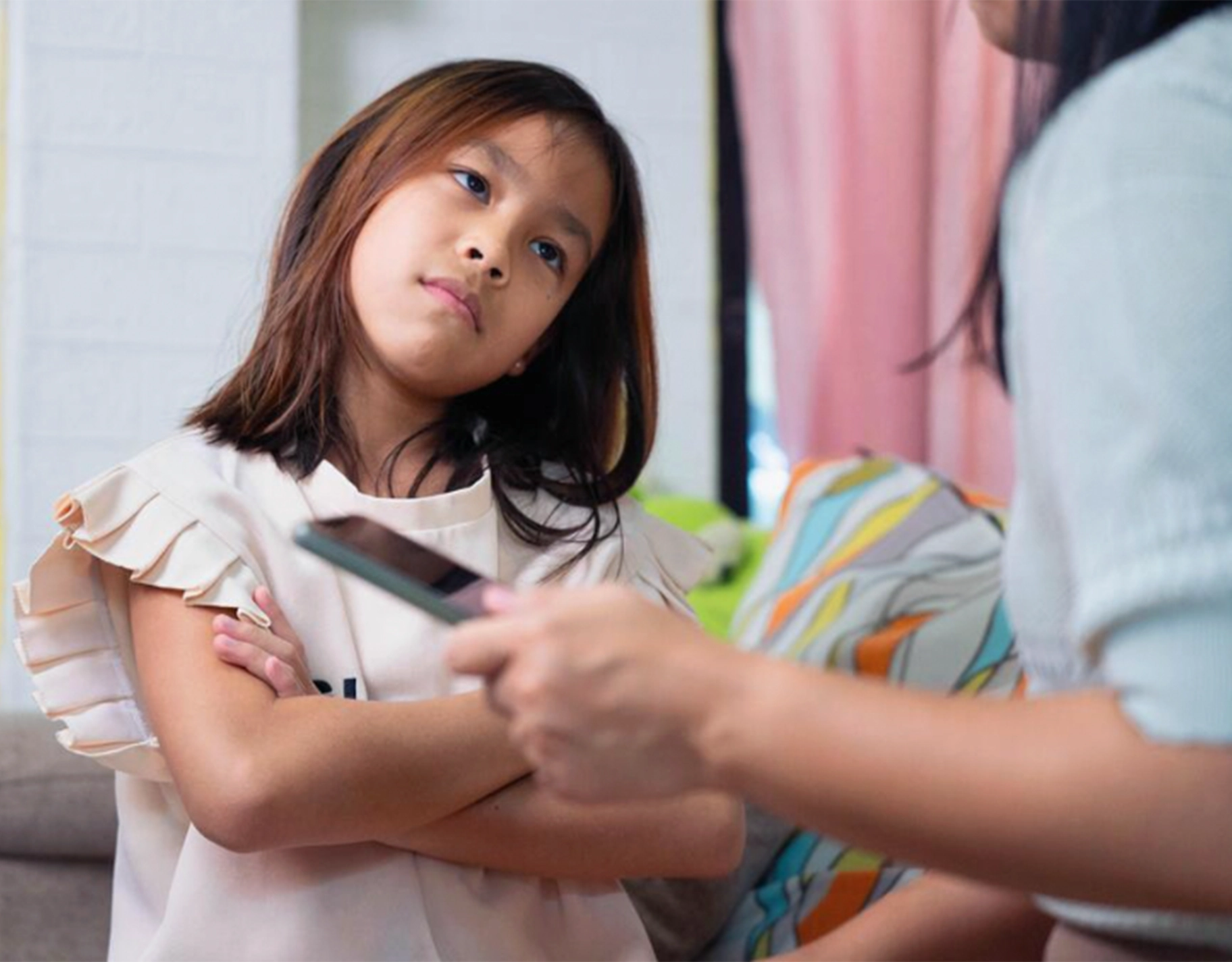
Parents are involved based on how they treat people. Kids see the way their parents treat others and them. If they see us insist and yell, then they will do the same. It won’t matter if the idea is right or wrong; they just see it as a means to get their way.
So if parents should be held accountable for their child’s bullying, then it should go beyond penalty fees. There should be a community plan that teaches the whole family what bullying looks like.
Frequently Asked Questions
Bullying is defined as repetitive and intentional harm done to another person, often involving a power imbalance. It can be physical, verbal, social, or digital (cyberbullying).
Studies show that over 50% of Grade 5 students in the Philippines have experienced bullying. Cultural norms like teasing or “biruan” can blur the line, making harmful behavior harder to identify and address.
Some lawmakers and experts believe parents should share responsibility, especially since children often model behavior at home. However, many argue accountability should include education and intervention, not just penalties.
Both permissive parenting (lack of boundaries) and authoritarian parenting (strict control without emotional support) can contribute to bullying tendencies in children.
Parents can guide children by modeling respectful behavior, setting clear boundaries, discussing empathy, and helping them understand the real-world consequences of their actions—both online and offline.
More about bullying?
Understanding Kids and Bullying: A Bias Gone Wrong
Why Bullying Celebrity Kids is Getting Out of Hand
When Idol Kids Judges Opened Up About Bullying and Rising Above It