Struggling In School: What’s Happening To The Students?



According to the SONA, there has been an alarming increase in students suffering from moderate to severe depression
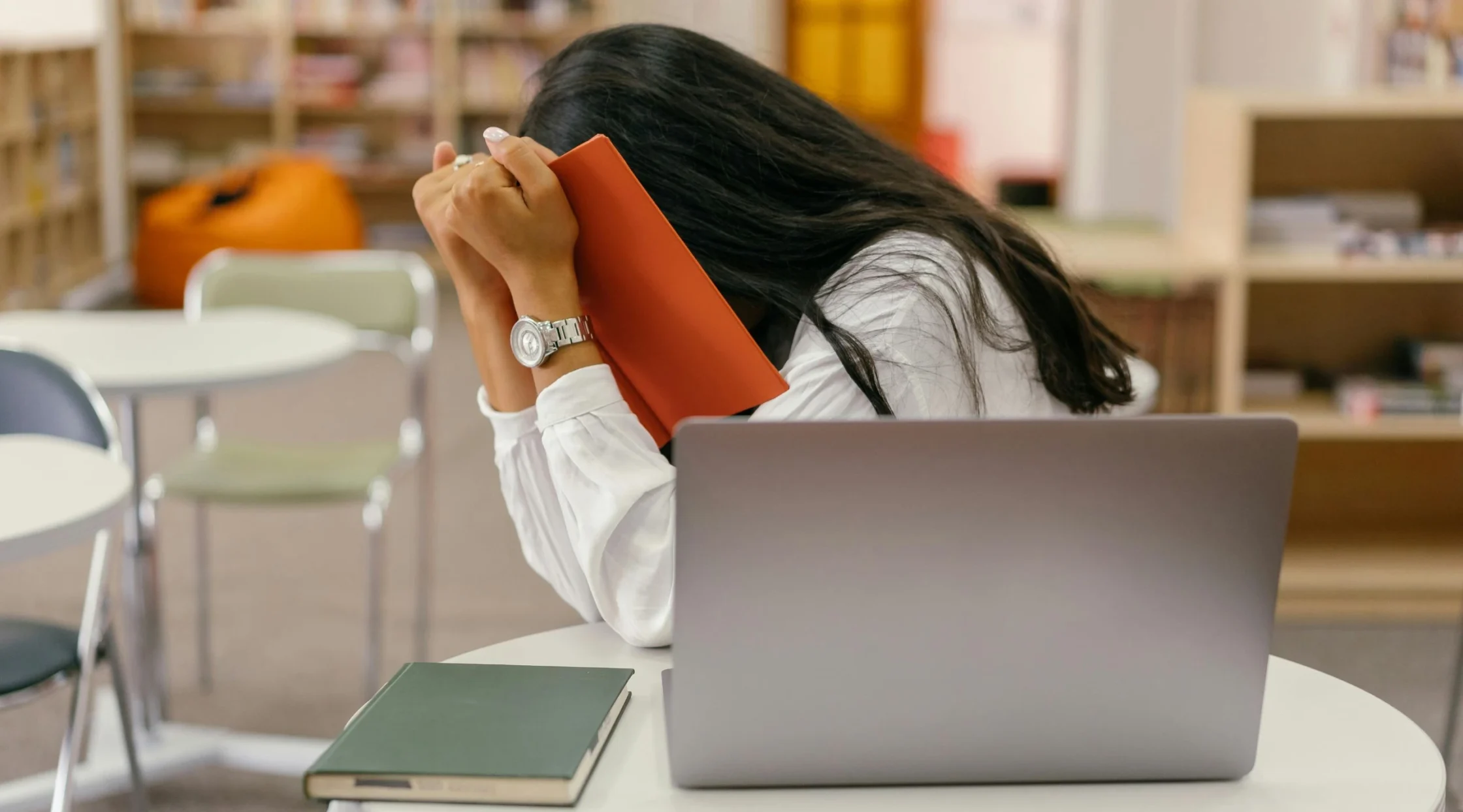
School was never easy. But with the rise of students suffering depression, we have to ask ourselves: Did school get harder?
The increase was mentioned during President Ferdinand “Bongbong” Marcos Jr.’s State of the Nation Address (SONA), as he planned to address it by ordering more school counselors to be hired as a means to safeguard the mental health of students. He also reveals that “PHP 1 billion (1,000,000,000.00) would be allocated to build over 300 Barangay Child Development Centers and Bulilit Centers across the country, especially in the most underserved areas.”
He added that many of the students who were part of the statistics were also victims of bullying.
How School Culture Plays A Role
For many of us, before, we just reasoned with ourselves that the stress from school was the institution’s way of preparing us for the “real world.” No freebies, no plus points, no gold stars for getting things done, and awards were only given to those who either “broke” the grading system or made the “cut-off.”
However, that system is unfortunately what made some of us quite competitive and results-driven to a fault. Especially when schools would designate a “star section” or the place where all the “smart” kids would go, it would eventually become part of the foundation for bullying and depression.
To address that, especially during the deeply depressing pandemic, schools designed awards for virtues and even “curved” grades depending on the statistics. In a way, it helped kids worry less about their grades during that extremely stressful time. But now that things are back to the way they are, the struggle has become real.
So, where does the depression come from?
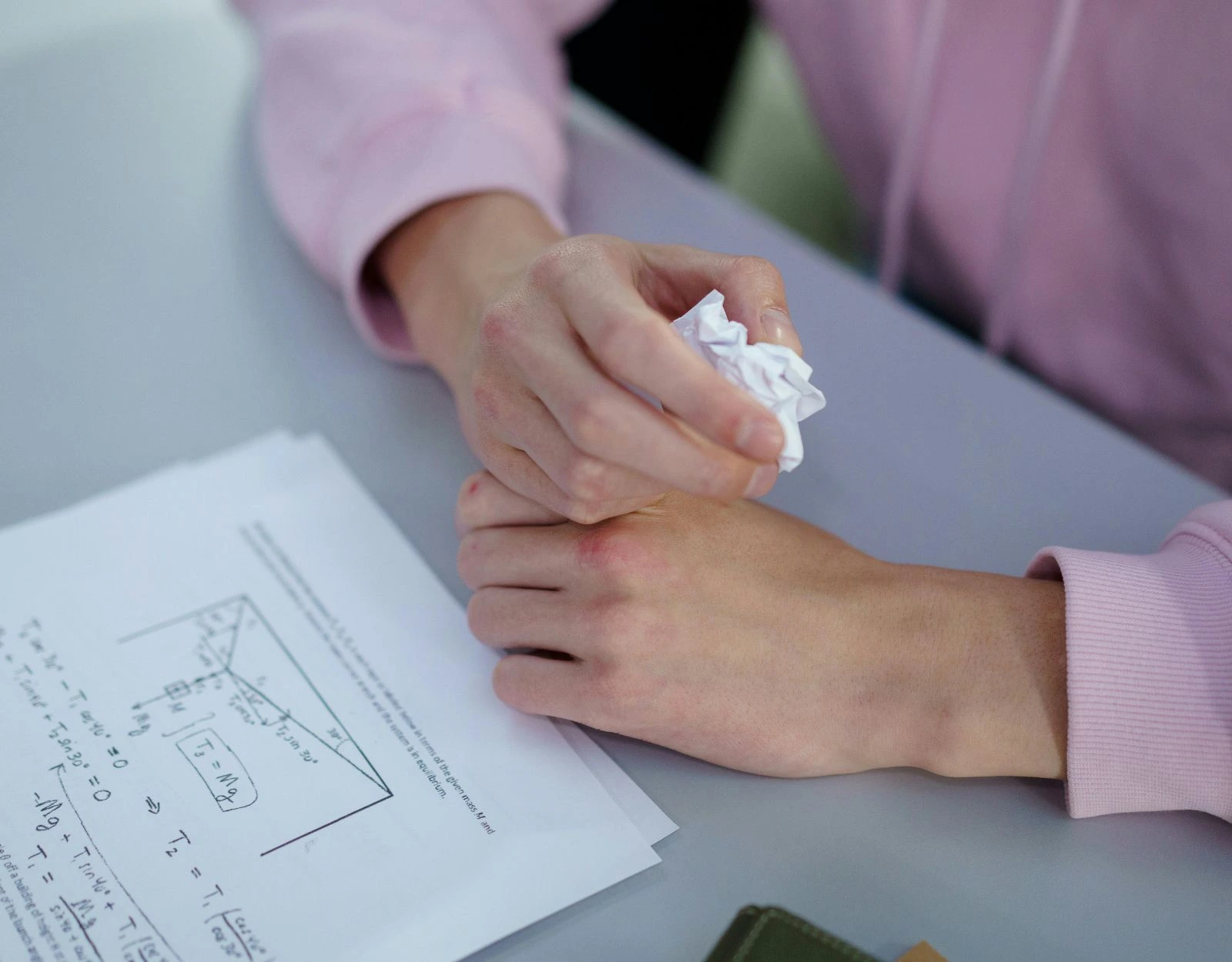
The Power of Grades
It’s their grades (Zarate, 2021; Alibudbud, 2021; Tan, 2021).
Most of the time.
We sincerely want to believe that grades aren’t everything. Unfortunately, so long as they are in school, it kind of does. Teachers use these numbers as a basis for whether or not the kids move up to the next grade, or at least, are ready to take on more complex matters.
But “grades” can be affected by a lot of things. Sometimes, it’s home being a mess: when families become dysfunctional, it can affect how well they can concentrate because they don’t know what to expect at home. Other times, it’s because there’s too much noise in one classroom. Let’s be honest, not everyone likes working with white noise. Some need complete silence.
Others suffer depression due to environmental setbacks. Getting sick, experiencing poor internet in the area, and typhoons destroying their homes and projects—these often prompt students to beg for compassion from their teachers or their schools. Unfortunately, it’s not always given or asked for because it’s shameful to do so.
Then, there’s bullying—which, unfortunately, means another metaphorical can of worms to open.
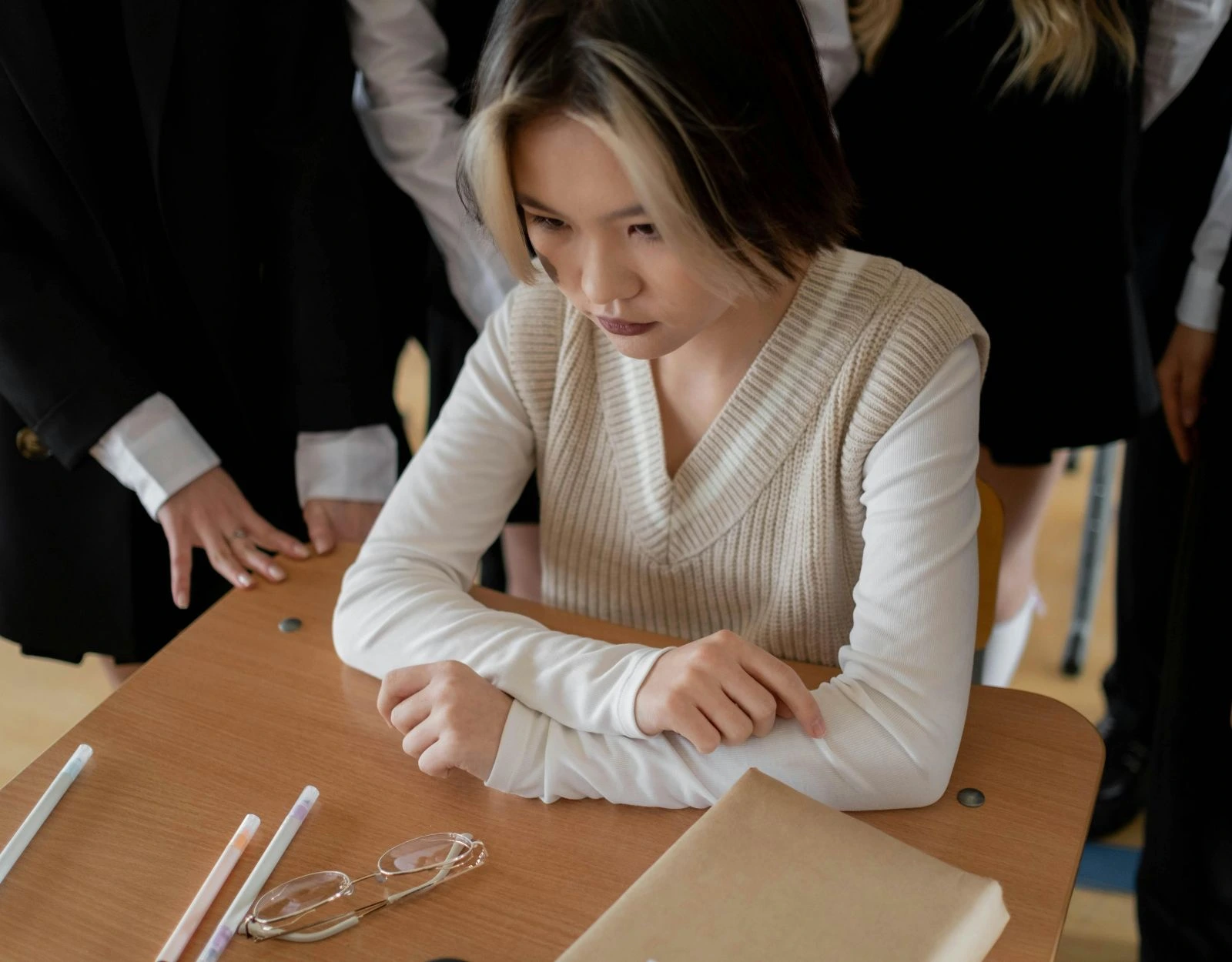
The Complexities Behind Bullying
Bullying can happen for many reasons. Often, it stems from fear or the need to feel in control. But sometimes, it also happens when a child has too much control at home and hasn’t yet learned how to manage that power respectfully.
In the Philippines, where shame—or hiya—is deeply embedded in how we relate to others, being bullied (or being labeled a bully) can feel like the end of the world for our kids. Even when we raise them with love, our kids still naturally crave acceptance from their peers. That’s not because we didn’t love them enough—it’s just a normal part of growing up. Kids are learning who they are in the spaces where we can’t always be with them.
We often hear heartbreaking stories from the parents of the bullied. But rarely do we hear from the parents of the bully—and that silence can be isolating. Learning that our child is the one causing harm can be deeply triggering. It brings up guilt, confusion, and a swirl of questions: Where did we go wrong? Did we miss something? Is my child just… bad?
But here’s the truth: unless our children have been diagnosed with a clinical disorder like antisocial personality disorder, they are not inherently bad. They’re still growing. Still learning. Still capable of making better choices.
They’re good kids who made a string of bad decisions, which they still need to be held accountable for. Not punished out of shame, but guided with empathy, structure, and consistent boundaries. We lead them back with kindness, because we know that they’re very capable of being good.
Schools have also been required to adopt policies for these according to the Anti-Bullying Act of 2013 (or Republic Act No. 10627).
What do we do if our kids are the bullies?
Let’s be honest—realizing that our child might be the one hurting others is never easy. It can feel like a punch to the gut, especially when we’ve done our best to raise them right. But sometimes, we miss the signs—and that’s okay. What matters is what we do now, and how fully we show up to help them grow and do better.
Here are some things we can try:
- Accept that mistakes were made. All kids make mistakes, and so do we. Owning up to those missteps—without shame—creates space for change and healing.
- Ask what happened, gently. Instead of leading with anger or disappointment, try a calm, open-ended conversation. Kids often lie when they sense judgment, so the more safe they feel, the more honest they’ll be.
- Walk through the consequences with them. Whether it’s a school disciplinary action or a serious conversation with peers, stay beside them. Don’t shield them from the consequences—but help them understand and grow from them.
- Reflect on what they might have absorbed. Sometimes, bullying behaviors mirror things they’ve seen or felt at home. It’s worth asking ourselves: have we been overwhelmed, short-tempered, or vented in ways they might’ve picked up? If so, it’s not about blame—it’s about being real, modeling accountability, and showing them what it means to repair.
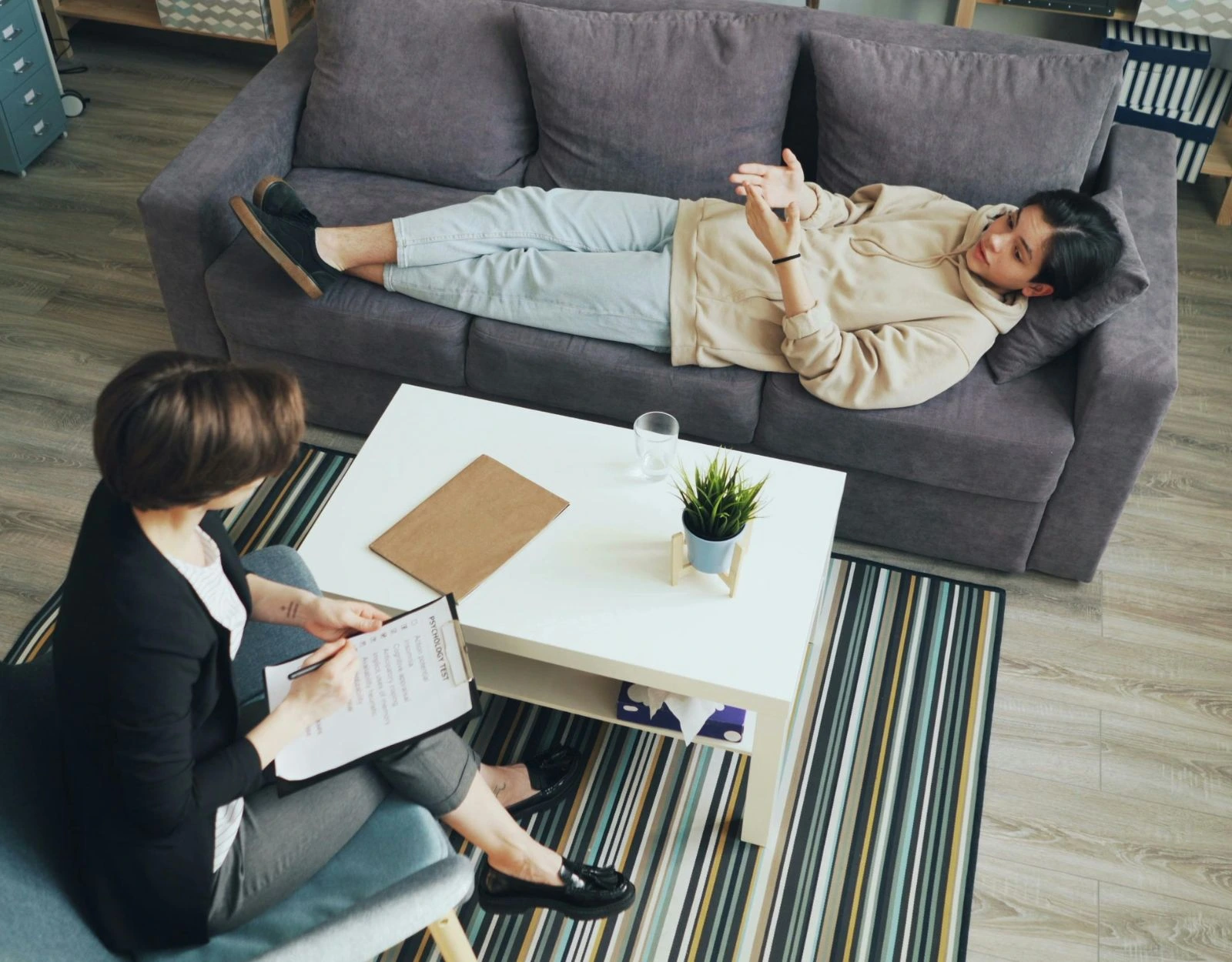
Currently, where can students get mental health aid?
The Philippines does have some programs to safeguard our kids’ mental health.
The National Center of Mental Health (NCMH) hotline, Hopeline PH, Tawag Paglaum – Centro Bisaya (for those who speak Cebuano or Bisaya-related languages), are available 24/7.
Some centers like the National Center of Mental Health, Philippine General Hospital, and Ateneo Bulatao Center offer free counselling if needed. They also sponsor workshops and group therapy sessions every now and then.
Schools also have their workshops and programs, which students have free access to. In some college universities, there are student-run orgs that specifically offer mental health assistance to their fellow students.
And for those who are in need of medicine to help manage it, the Department of Health (DOH) has declared some medications to be free of charge from certain hospitals. Certain disorders, like Bipolar Disorder and Schizophrenia, can cause severe bouts of depression.
Also, according to the SONA, efforts are being made to build more daycare centers to help address the problem—an issue that’s been pending since the 1990s.
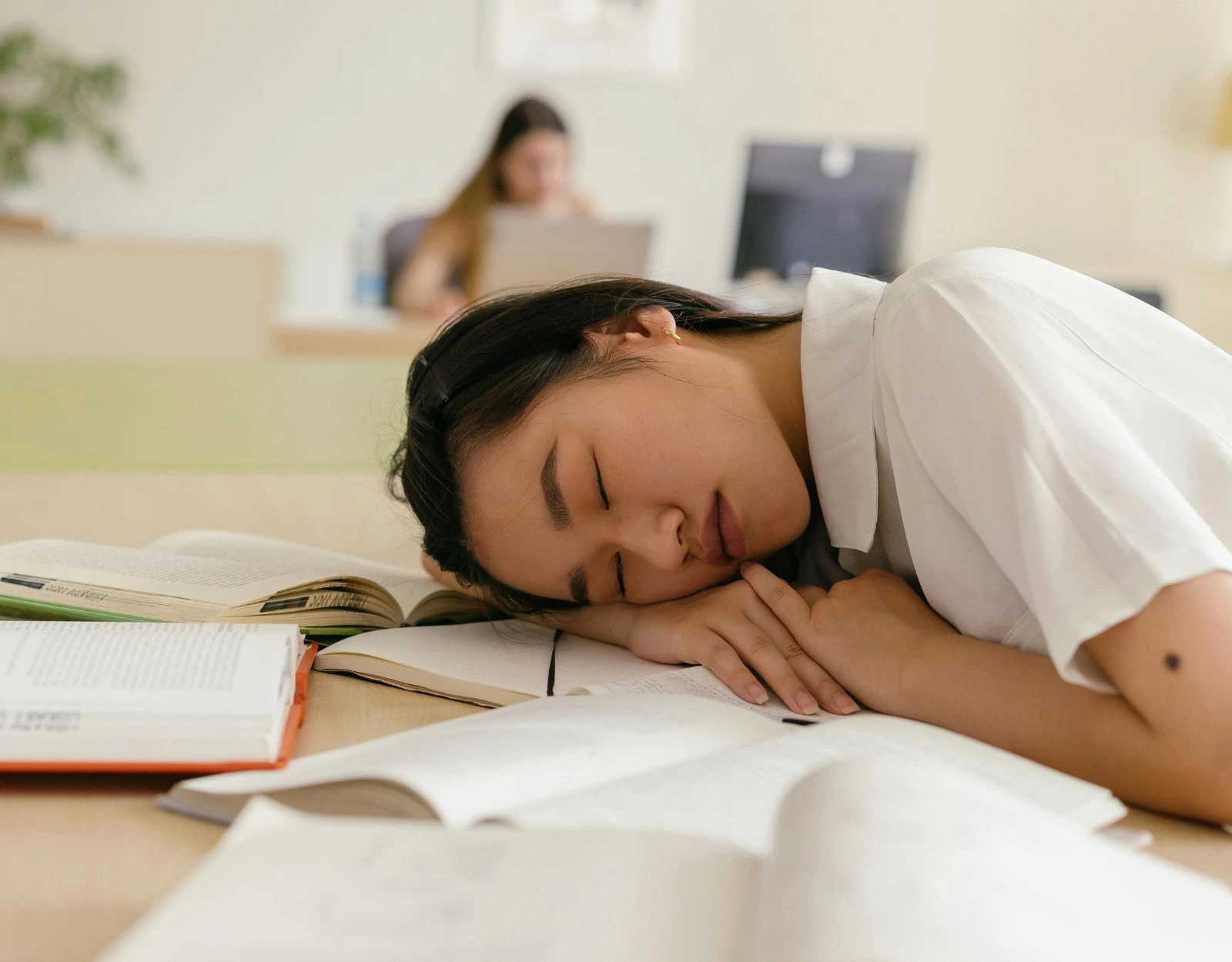
Mental health issues aren’t always caused by one thing
We’re always scared to hear that we’re the ones who hurt our kids mentally. A lot of times, we did so unintentionally. Knowing that may not make it any better, but it does give us a starting point: we now open ourselves to the conversation of what we can do instead.
There might be some guilt on our end that our kids had to run to someone else so they could rant or verbally unload their pain. But sometimes, they just need someone who will give them an objective opinion. A sound-off board, in a sense.
One thing’s for sure, mental health issues aren’t something we can catch right away—no matter how much we watch them. What matters more is that, when they do crop up, we’re there to support our kids in finding the help they need.
References
Alibudbud, R. (2021). Academic Experiences as Determinants of Anxiety and Depression of Filipino College Students in Metro Manila. Youth Voice Journal.
Tan, A. J. (2022). Understanding Depression and Determining Its Causing Factors Among Male Grade 12 Senior High School Students in a Private School in Manila, Philippines. International Journal of Academic and Practical Research, 1(1), 25-32.
Zarate, J. J. D. (2021). Down in the Mount: Indications of Depression Among Grade 11 Students. ASEAN Journal of Basic and Higher Education, 5, 26-40.
More about mental health and students?
5 Scary Signs of Academic Pressure Found in Kids
A Teacher’s Perspective: What Happens To Students When The Schools Close Down?
Where Support For Autism Really Matters: A DLSU Student’s Story