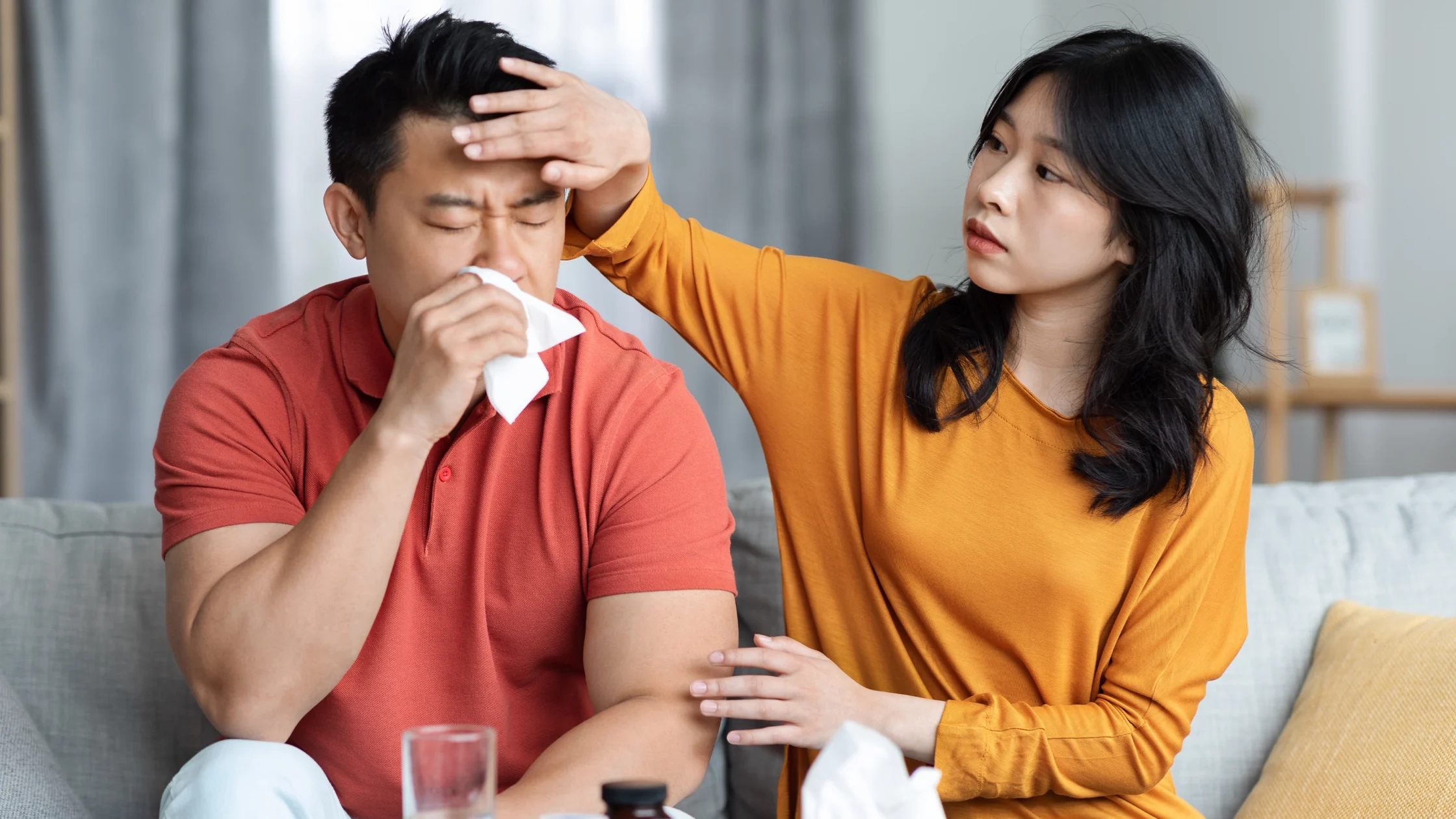
The “Super Flu” in the Philippines: What It Is—and What It Isn’t



Here’s what the hullabaloo about the “super flu” is all about
If you’ve heard whispers of a “super flu” making the rounds, you’re not alone. The phrase sounds like a B-rated supervillain from our kids’ superhero movies with a cough—but in reality, it’s a catch-all term that needs unpacking, especially in the Philippine context.
Let’s separate fact from fear, and sniff out what Filipino families actually need to know.
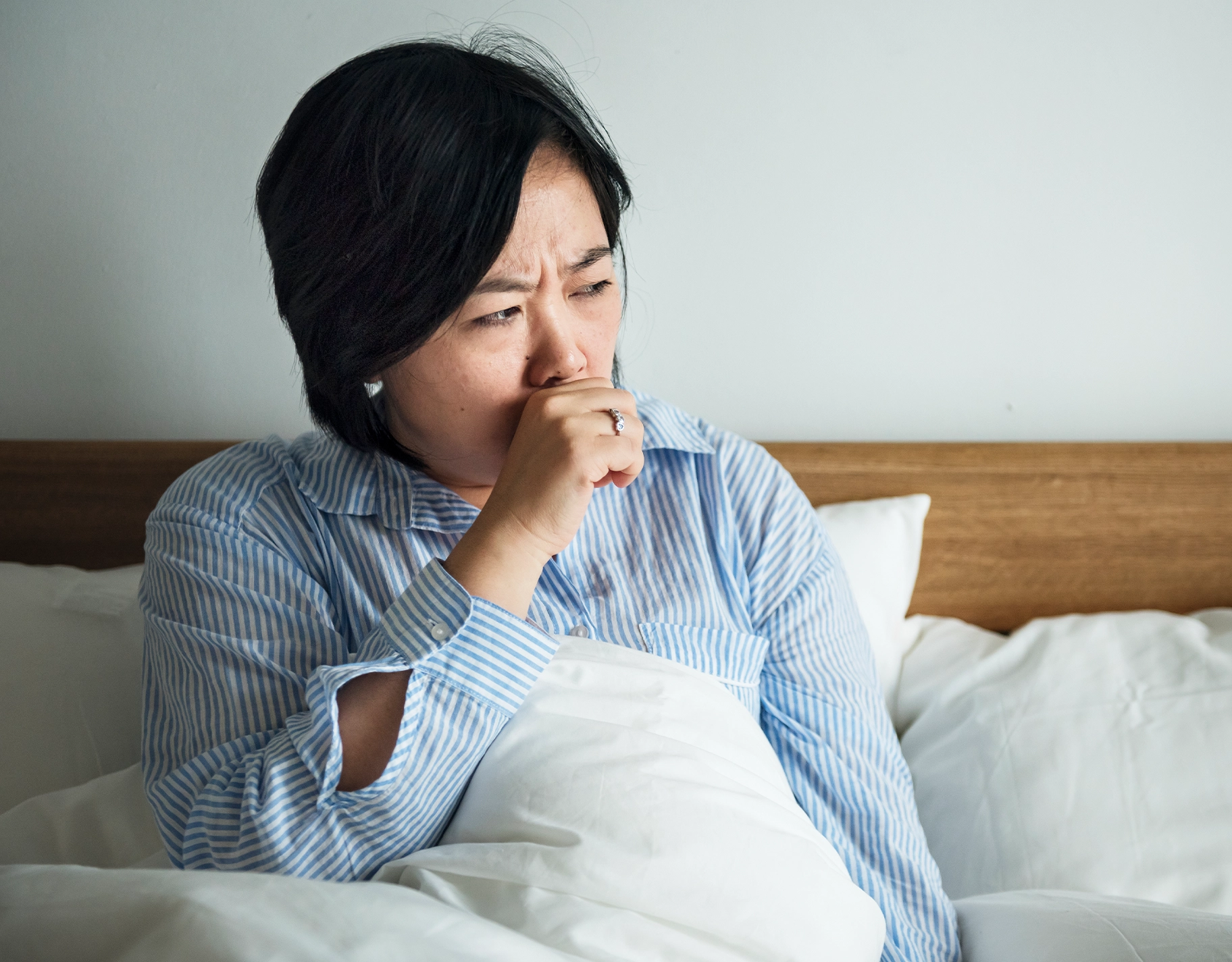
What is the difference between a typical flu and a “super flu”?
Let’s clear the air a little bit: “super flu” is not a medical diagnosis. It’s how the Department of Health (DOH) describes influenza symptoms that appear more intense, spread faster, or hit vulnerable groups harder than usual. The typical flu may usually look like a little kid, but this time—it’s armed with a baseball bat full of symptoms and is ready to thwack us with it.
A typical flu (seasonal influenza) usually includes:
- Fever
- Cough
- Sore throat
- Body aches
- Fatigue that overstays its welcome
What people call a “super flu” is often:
- A circulating strain of Influenza A or B that causes more severe symptoms
- A flu wave coinciding with lower immunity, poor weather conditions, or crowded settings
- Or simply post-pandemic bodies reacting more strongly after years of disrupted exposure
In short: it’s still the flu—but louder, ruder, and more exhausting.
How many cases are there in the Philippines?
According to the Department of Health (DOH), the Philippines currently has around 17 reported cases of the super flu. Health authorities are monitoring the situation closely but emphasize that these numbers are low and not cause for alarm.
Are there vaccines for the flu?
Yes! Annual flu vaccines are widely available in the Philippines. While they may not cover every single strain, getting vaccinated remains the best way to protect your family, especially children, from severe complications. Health experts also recommend maintaining up-to-date vaccinations for other illnesses, as a healthy immune system is your first line of defense.
Should we be worried?
While “super flu” sounds alarming, DOH reassures parents that it’s currently “low risk.” Most cases are mild and manageable with rest, hydration, and over-the-counter remedies. Parents should stay vigilant, monitor symptoms, and consult a pediatricianPediatricianA doctor who specializes in the health of babies, children, and teens. Regular visits for checkups, growth tracking, and vaccines give parents a trusted guide, and a good pediatrician listens if their child develops a high fever, difficulty breathing, or prolonged illness.
How do you not get the super flu?
Prevention is always better than a cure. Here are key measures families can take:
- Frequent handwashing with soap and water
- Avoiding crowded spaces if someone is sick
- Encouraging children to cover their coughs and sneezes
- Cleaning toys, surfaces, and common areas at home
- Getting vaccinated for flu and keeping other routine vaccines updated
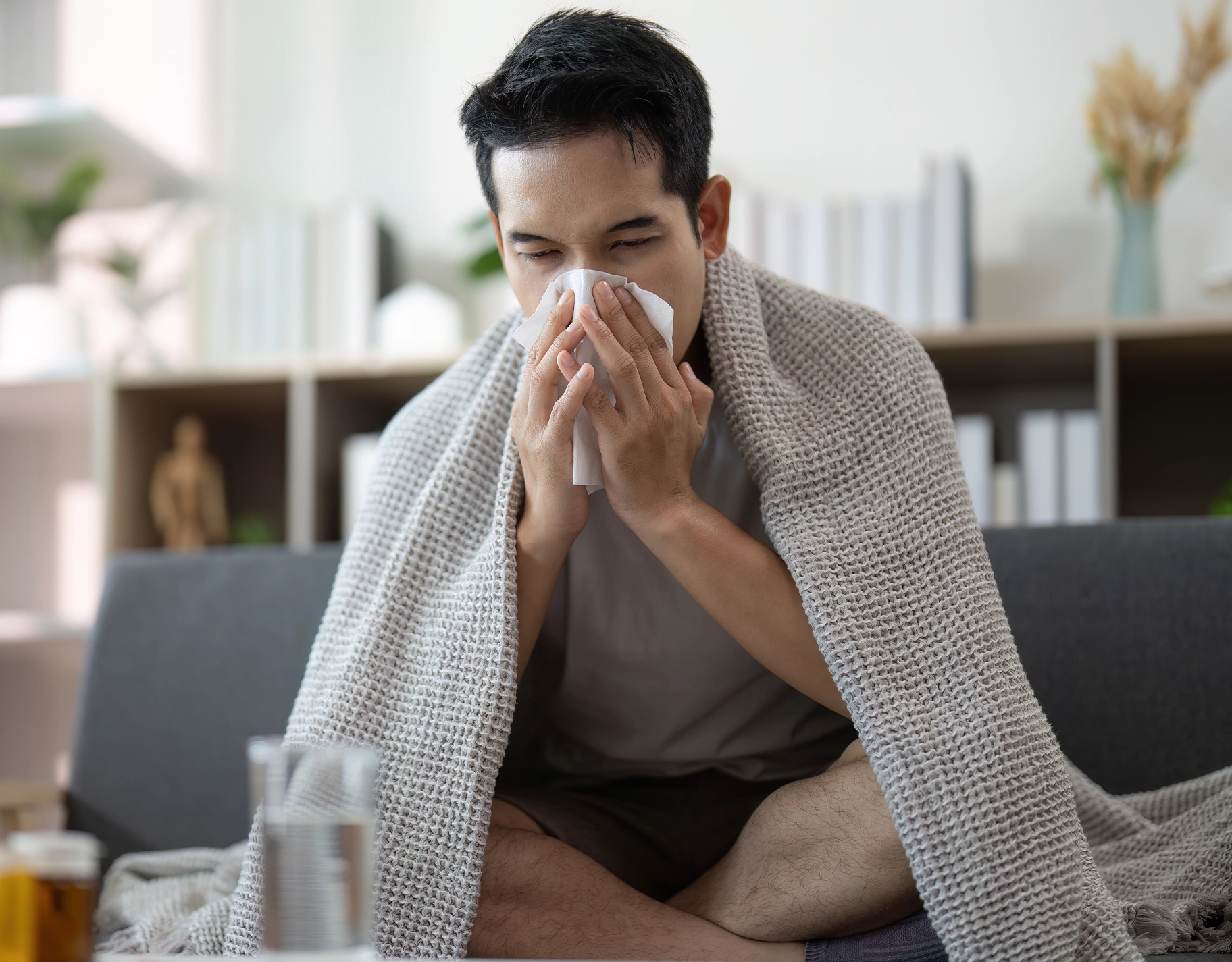
Flu In The Philippines Is Common But Can Be Deadly
In the Philippines, we’re often the type to just “walk off” the flu. A bit of flu-fighting soup, a paracetamol (or two), some sleep, and we’ll be on our merry way!
But that’s assuming everyone has good immune systems. Stress from commute and work can weaken the immune system. Parenting is also stressful, which is why moms and dads are prone to getting it too. Let’s not forget the commonly joked-about “man-flu”—dads and sons may find themselves more crippled by the super flu than mothers and daughters.
Regardless of who gets it, it’s, as doctors say, “prevention is better than cure.” Whether it’s clocking in an extra hour of sleep or adding more veggies to our meals, every little bit we do can keep the superflu away.
Frequently Asked Questions
A strain of influenza that can cause more severe symptoms or spreads faster than the seasonal flu.
DOH reports about 17 cases so far, and numbers are being monitored.
Most cases are mild, but children, older adults, and those with underlying conditions should be closely monitored.
Yes, annual flu shots reduce the risk of severe illness and complications.
Regular handwashing, avoiding sick contacts, cleaning surfaces, and keeping up with vaccinations. Check with the local pharmacies—some offer flu vaccines.
Looking for ways to prevent the flu?
Respiratory Syncytial Virus (RSV): Not Your Typical Flu
5 Easy Ways To Fight Against the Flu
5 Kid-Friendly Flu Food Recipes You Can Whip Up