The Cognitive Debt: Why Families Shouldn’t Be Too Reliant On AI



As kids, parents, schools, and businesses become more inclined to incorporate AI, here’s why we shouldn’t be too reliant on it
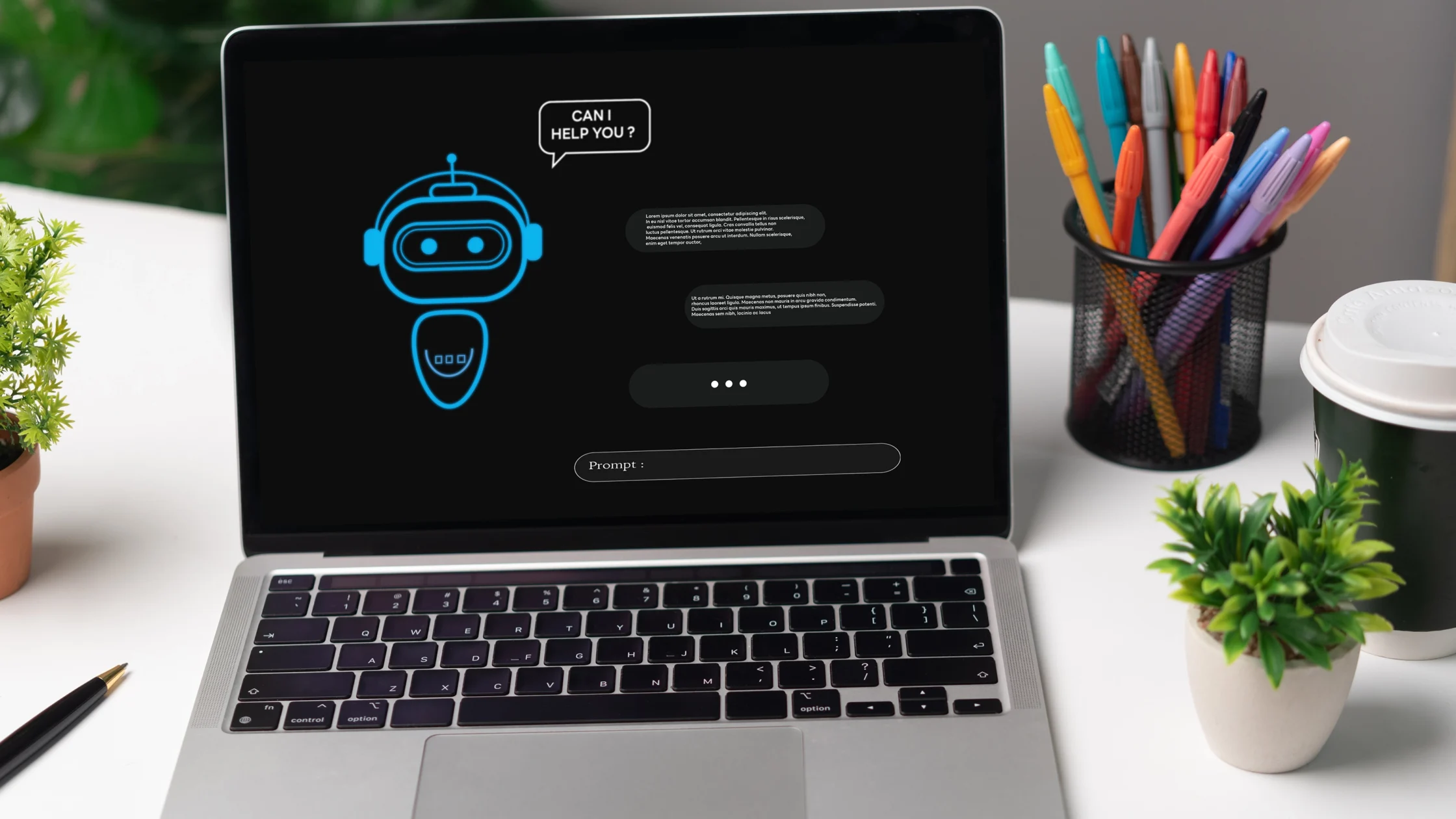
Let’s be honest: we love AI and how it makes some things in life easier. When we need to generate a work or two, we just type the prompt into AI, and it comes out. However, the long-term use of AI can also be detrimental. In a recent study published on June 10, 2025, the results showed that the prolonged use of AI cost people the loss of brain activity. The simple act of writing an essay became difficult and even more stressful when the participants were told not to use it. Thus, they were left with a cognitive debt.
Now, why does that matter to families everywhere?

AI had made the pressure from work easier to deal with
As AI became more capable of generating things, some of us may have gotten a little more impatient and less appreciative of certain processes. We began to dismiss the little things, like choosing the right color or finding the right word to write, seeing them as pointless or needless tasks. For us, AI was the helper we needed: it didn’t complain, it just did. And for many businesses, it was a cost-saving hack (Alonso, 2019).
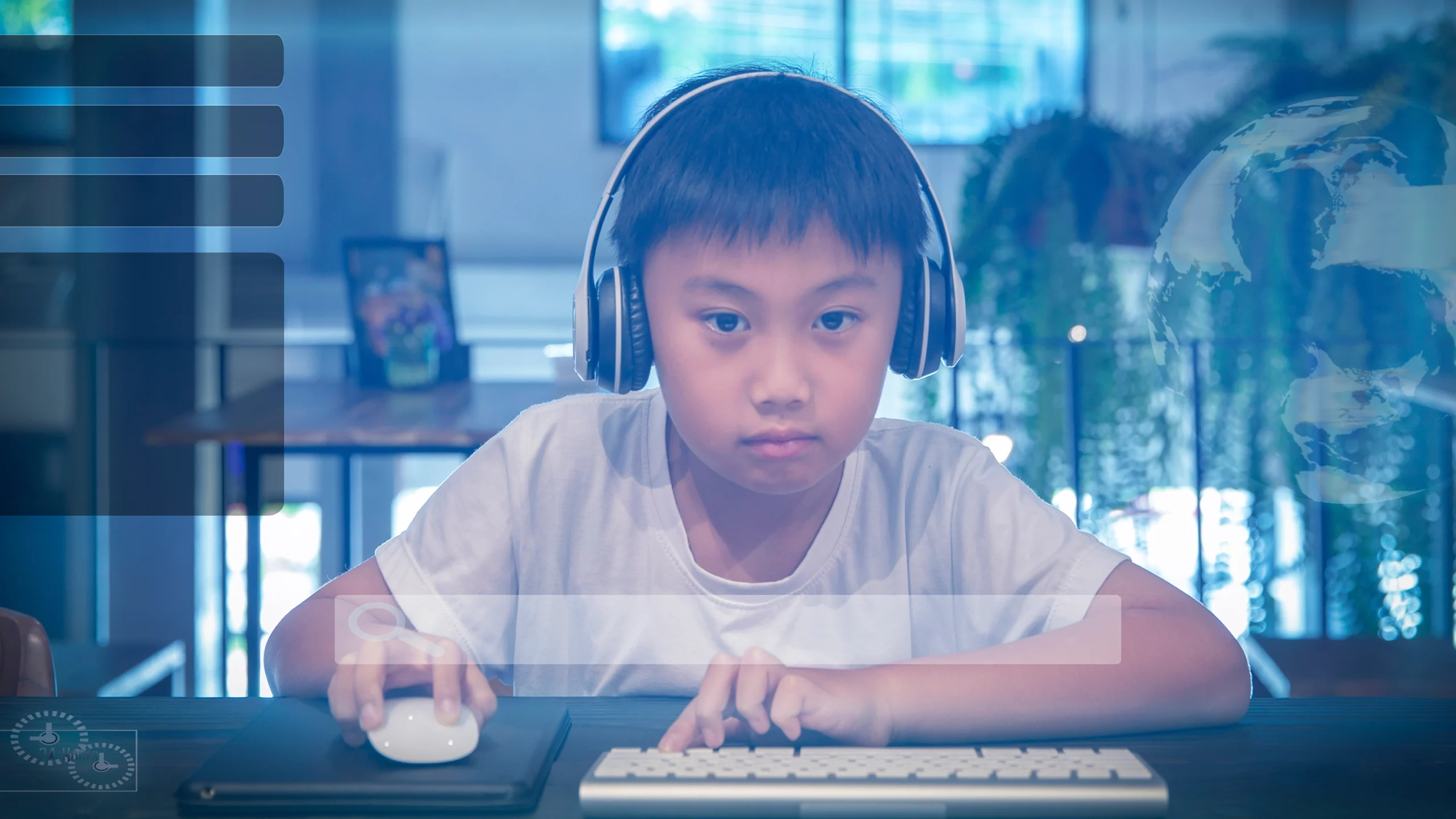
Students in school saw it that way, too (Rong, Terzidis, and Ding, 2024). The never-ending list of homework and things to do would stress them out, and thus, AI became the answer. Just “copy and paste,” as they say. Amid the academic pressure and stress to achieve, they figured, “So long as I get a grade, that’s good enough.” Some even take comfort in the thought, “I don’t think my teacher would notice anyway.”
However, teachers who are communications graduates or who have mastered the art of writing do and will know if they’ve just prompted an AI to churn out. Unfortunately, it’s also difficult to accuse even for those with a trained eye: what if the kid actually did write it and just polished it with the help of AI? Not only would it cause a mess, but it was also unnecessary.
So, most teachers are often forced to just keep quiet and give the grade. And for work, so long as the task was done, everyone was happy.
AI was supposed to make executive tasks easier
When people designed AI, they wanted it to do the more mundane chores. Wash the dishes. Sweep the floors. Do the laundry. Clean the bathroom. All the chores or repetitive tasks we hate doing.
However, due to construction constraints, we don’t really have the machines to do that yet. Sure, we have a smart TV or a smart washing machine, but that still requires some manual intervention. Because we were limited to the digital space, we just trained AI to do the stuff we normally do online. Scan for grammatical errors. Check for misspellings. Look for badly drawn hands or something. In other words, we used AI to check art.

It’s why many kids today struggle
GenZ, GenAlpha, and now the upcoming GenBeta show signs of that cognitive debt, something that frustrates many older people. They grew up seeing AI as the solution to the problem, not a simple tool. Because of that, they often end up getting stressed out when forced to do it manually. Not only are their brains not accustomed to the cognitive load, but they also haven’t experienced it directly. Because they have to confront the fact that they can’t do it manually, they often suffer from lowered self-esteem (Bogner, Verdecchia, and Gerostathopoulos, 2021; Kosmyna, et. al, 2025)
The common complaint we hear, “Kids of today are not like what we used to be?” That’s the uncomfortable truth we have to face: 1) AI is here to stay, and 2) kids of today will never be what we used to be because they have all the tools we don’t.
So, what do we do now in the advent of this cognitive debt?
As parents, we have the upper hand over AI in knowing how the tasks work. We know how to write, draw (even if it’s just stick people!), and design — there are still certain human nuances that AI will miss out on. The world may have trained AI to do tasks, but it’s best to assume that it can only do 50%. It may cut that time in half by building the foundation, but it’ll still be up to us to fix what it sent out. We still have to check it; who knows what it actually says?
After all, the limits of the AI are often dictated by the person or company that coded it in the first place.
References
Alonso, J. M. (2019, August). Explainable artificial intelligence for kids. In 11th Conference of the European Society for Fuzzy Logic and Technology (EUSFLAT 2019) (pp. 134-141). Atlantis Press.
Bogner, J., Verdecchia, R., & Gerostathopoulos, I. (2021, May). Characterizing technical debt and antipatterns in AI-based systems: A systematic mapping study. In 2021 IEEE/ACM International Conference on Technical Debt (TechDebt) (pp. 64-73). IEEE.
Kosmyna, N., Hauptmann, E., Yuan, Y. T., Situ, J., Liao, X. H., Beresnitzky, A. V., Braunstein, I., & Maes, P. (2025). Your Brain on ChatGPT: Accumulation of Cognitive Debt when Using an AI Assistant for Essay Writing Task. arXiv preprint arXiv:2506.08872.
Rong, J., Terzidis, K., & Ding, J. (2024). Kids AI Design Thinking Education for Creativity Development. Archives of Design Research, 37(3), 119-133.
More about raising kids in a digital world?
Joy and Edric Mendoza on Raising Different Kids in the Digital Age
Maez De Guzman: Weaving Tech Into The Home
Nicole Syjuco on Parenting Her Son Andy in the Digital Era