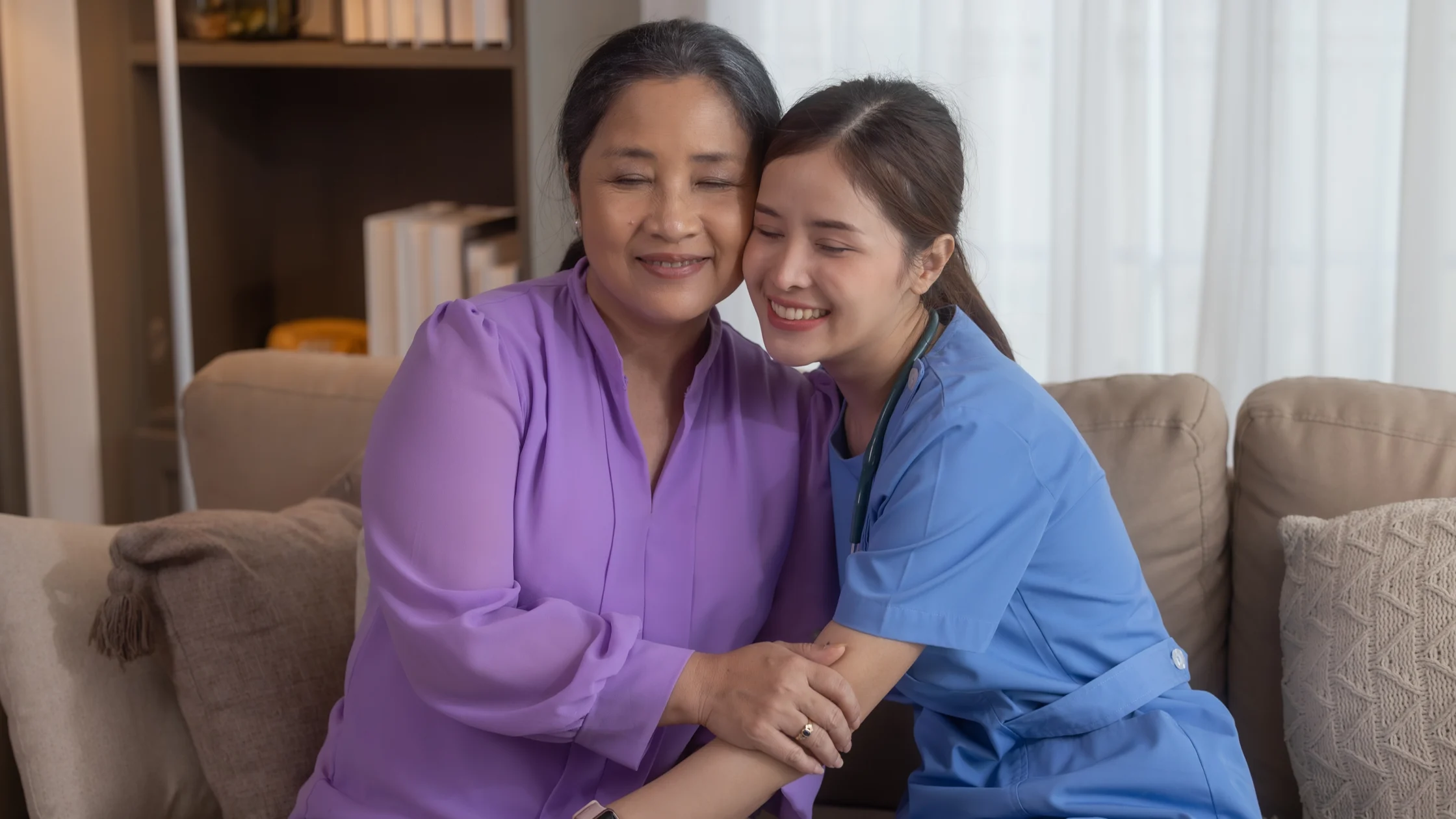
To the Caregivers Holding It All Together: This Is for You



Attending to a sick loved one can be frustrating, exhausting, and puts one on self-pity. But remember, you are not alone
Caring for a sick loved one is rarely talked about with honesty. It can be frustrating, exhausting, and isolating—sometimes even stirring feelings of self-pity that come with guilt. If you’re in that place, here’s the reminder you may need most: you are not alone.
Every November, the world pauses to recognize caregivers—those who devote their time and energy to tending to the elderly and the ill. But caregiving doesn’t only happen in hospitals or clinics. Often, it unfolds at home, taken on by parents, children, siblings, family members who step into the role not because they were trained for it, but because love asked them to.
For Sofia Marohombsar, caregiving came early, bringing with it lessons she continues to carry today.
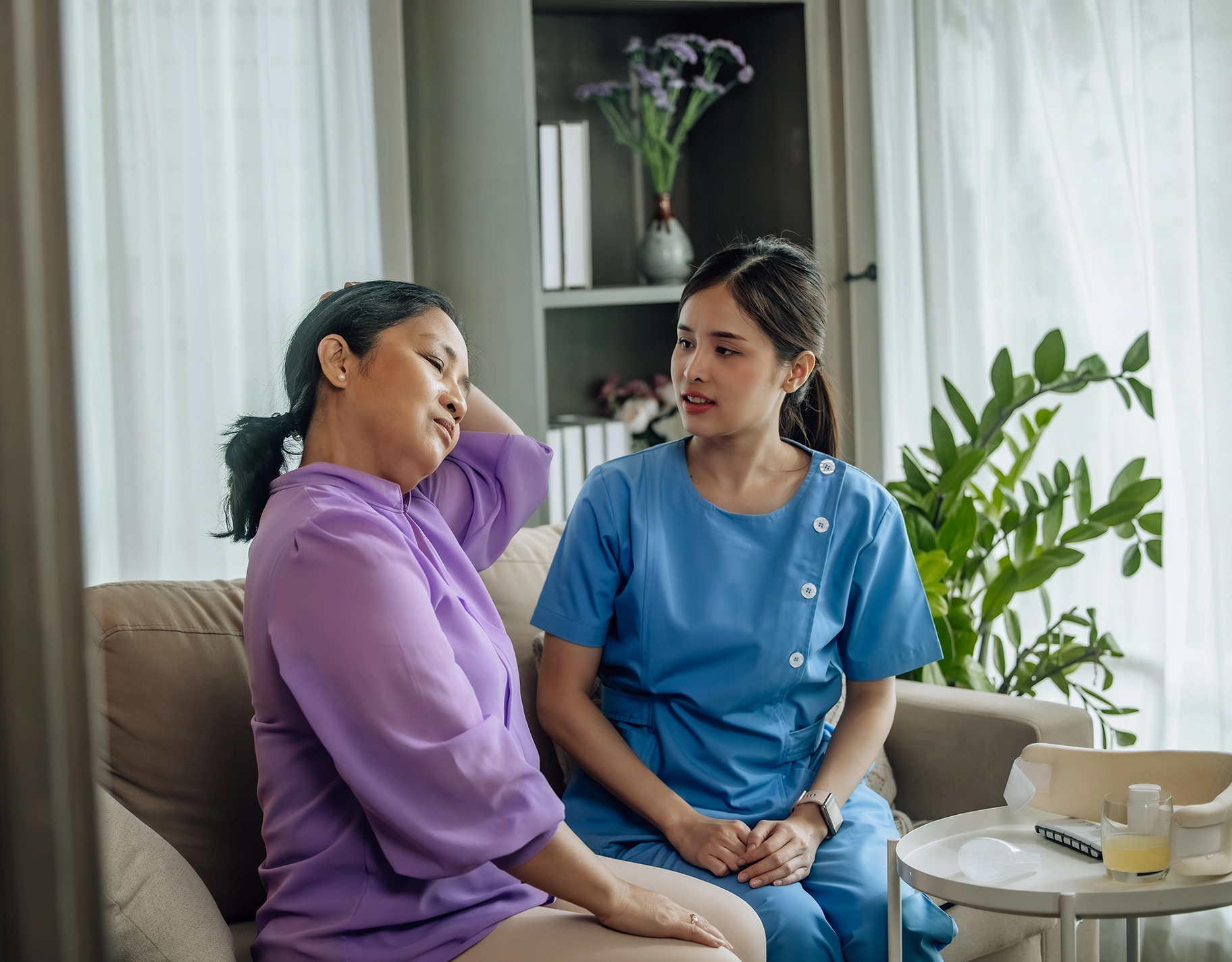
When a Parent Becomes the Patient
Sofia was only 15 when her mother, Charity, was diagnosed with breast cancer. She wasn’t told directly at first; her older brothers understood more of what was happening. What Sofia did understand, however, was the changes.
“My mom was not the same,” she recalls. “From being my mom who would take her work to bed, she became my mom who was either in pain or just praying at night. From paperwork, calls to prayers, anxiety.”
Family members stepped in to help, but the emotional shift was undeniable. The household learned new rules—like staying away when sick, being cautious with physical contact. There were days when chemotherapy side effects were overwhelming, when pain dictated the rhythm of their lives.
Yet amid the loss of the things they used to do, something unexpected emerged. Her mom, she said, became more present.
“From being this CEO, she became more aware of what was going on—especially with her kids,” Sofia says. “She suddenly paid attention to details.”
Today, her mom is healthy and co-founded Better Days Wellbeing Center, dedicated to empowering individuals living with cancer.
The Weight of Caregiving
Like many caregivers, Sofia learned early that illness doesn’t only affect the patient. When a medical device was inserted into her mother’s body, the pain triggered mood swings that were hard to navigate.
“That was a big one—massungit na siya, and wala pang chemo,” Sofia shares. “I couldn’t really empathize because I was a kid trying to get some sleep. That was the struggle—seeing her in pain and not knowing what to do.”
Even mealtimes became a source of heartbreak. Chemotherapy stripped food of joy, making every attempt to nourish her mother a challenge.
“Ang hirap nung mag-enjoy ka sa food, tapos hindi makakain yung patient.”
Slowly, the family noticed how the things Charity once loved—like singing with Sofia—fell away. The illness took more than physical strength; it altered shared moments and familiar joys.
There was also fear. Watching her mother endure cancer planted anxiety in Sofia—about genetics, about the future, about whether this pain might one day be hers too.
“Parang feeling mo it’s gonna come at you,” she says. “Nach-channel mo lahat ng pinagdaanan nila.”
Making Space for Caregivers’ Voices
For Sofia, talking about caregiving is where healing begins.
“Each illness is different for everybody,” she says. “But I’m pretty sure we share a lot of common ground.”
One of the hardest battles caregivers face is internal—the belief that they’re not allowed to be tired, frustrated, or overwhelmed.
“May weird opposition na, ‘Wait, napapagod din ako pero wala akong karapatan. Hindi ako yung may sakit,’” Sofia explains. “There’s always an inner battle.”
But caregivers are allowed to feel.
“That’s where a lot of the struggle lies—we think we’re not worthy of having our own emotions. When in fact, we are.”
She emphasizes grace. No one is a perfect caregiver.
“You can love someone to the moon and back, but you will never be perfect at taking care of them,” she says. “And that’s okay.”
Sometimes, even love needs restraint. Caregivers must remember that their loved ones are fighting their own battles—and seeing someone pour from an empty cup can be painful, especially for parents.
“There are moments when silence is the best gift,” Sofia adds. “There are no right words—and that’s okay.”
Gentle Reminders for Caregivers
From her experience, Sofia offers grounding advice to those walking a similar path.
Set boundaries early, she said.
“What are my non-negotiables?” she asks. “Yes, I’ll hold your hand—but I can’t give up school. Or I need a day or two for myself.”
Boundaries, she explains, aren’t meant to distance people.
“They’re supposed to help you connect better—not push people away.”
She also urges caregivers to hold onto something that’s just theirs.
“A hobby, a monthly coffee with a friend—anything away from that role,” Sofia says. “You are not less of a lovegiver because you do.”
And when guilt creeps in, she offers this reassurance: caregivers are allowed to rest. They are allowed to take their time.
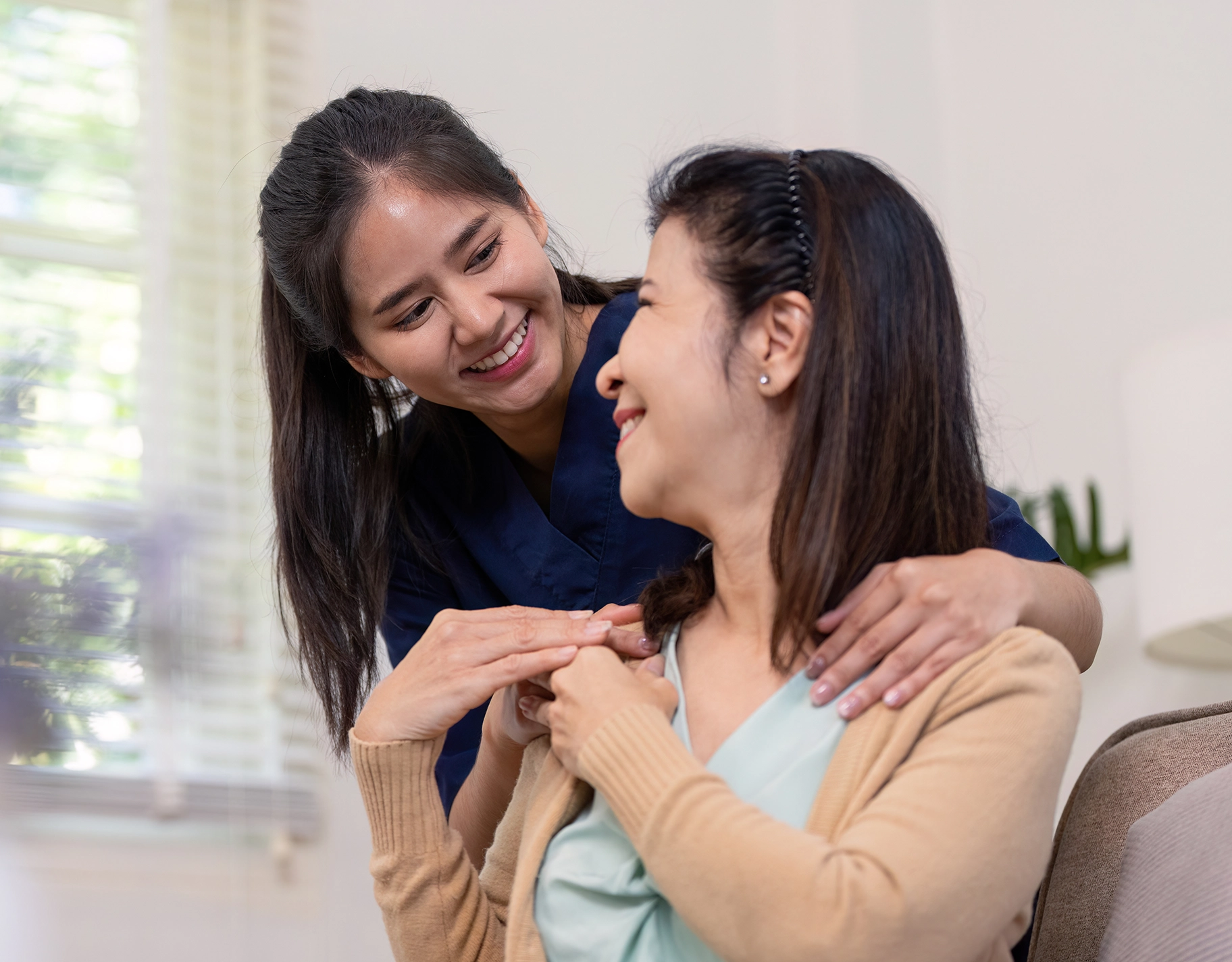
Thank You, Lovegivers
Caregiving is often a thankless role. That’s why Sofia wants to say this clearly:
“Thank you for what you do. Thank you for doing it even if it wasn’t asked of you. Lovegivers aren’t usually asked—they take it upon themselves.”
She hopes caregivers feel seen.
“Thank you for taking it upon yourself to care for someone you love. You’re helping them carry their cross—and sometimes carrying it with them.”
And finally, she invites caregivers to speak.
“It doesn’t go unseen. Talk about it more,” she says. “We are all daughters and sons of somebody. There will always be common ground—burdens that feel lighter when shared.”
Because caregiving, much like parenting, was never meant to be done alone.
More stories to read about caregiving and children’s perspective
Thriving with Cerebral Palsy: The Parents Behind a Growing Movement
Emma Heming Willis: What Caregivers and Parents Can Learn From Her Unexpected Journey
Why Filipinos Willingly Care For Their Elderly Parents
Frequently Asked Questions
A caregiver, or lovegiver, is someone who looks after a sick, aging, or recovering loved one—often without formal training. Many caregivers are children, parents, siblings, or spouses who step into the role simply because love calls them to.
Yes. Caregiving can be emotionally and physically draining. Feeling tired, overwhelmed, or even frustrated doesn’t mean you love your loved one any less—it means you’re human.
When caregiving begins at a young age, children may struggle with confusion, fear, and emotional overload. At the same time, they may develop empathy, resilience, and a deeper understanding of love and responsibility.
Boundaries help caregivers protect their well-being while continuing to show up for their loved ones. Healthy boundaries create stronger connections, prevent burnout, and allow caregivers to care from a place of fullness rather than exhaustion.
Absolutely. Taking time for yourself—whether through hobbies, rest, or social connection—does not make you selfish. Caring for yourself helps you show up better for others.
Talking about the experience—through family conversations, support groups, or shared stories—can help lighten the emotional load. Caregiving was never meant to be done in isolation.